Iran's government spokeswoman Fatemeh Mohajerani said Wednesday that the country has received the U.S. proposal in response to its proposed seven-day plan to end hostilities and reopen the Strait of Hormuz.
In a post on social media platform X, Mohajerani said that Iranian Foreign Minister Seyed Abbas Araghchi announced having received the U.S. proposal at a cabinet meeting earlier in the day.
Iran conveyed a proposed seven-day plan to cease hostilities and reopen the Strait of Hormuz to the United States through mediators last Tuesday on the sidelines of the 81st session of the United Nations General Assembly in New York.
On Feb. 28, Israel and the United States launched joint attacks on Tehran and other Iranian cities. Iran responded with waves of missile and drone attacks targeting Israel and U.S. bases and assets in the region and tightened its grip on the Strait of Hormuz.
On June 18, the United States and Iran signed the MoU on ending the war in the region on all fronts, including Lebanon. Under the agreement, known as the Islamabad MoU, they were scheduled to hold negotiations within a period of 60 days, which ended on Aug. 17, to reach a final agreement, but the talks' fate remains unclear following a series of recent escalations between the two countries.

Iran receives U.S. response to its 7-day plan: gov't spokeswoman
The yield on the 30-year U.S. Treasury bond rose sharply intraday on Tuesday, hitting 5.623 percent at one point, its highest level since June 2002, driven by worries over rising inflation and the outlook on further Federal Reserve rate hikes.
The yield on the U.S. 10-year Treasury, closely linked to rates for residential mortgages, auto loans and credit cards, climbed to an intraday high of 5.297 percent.
Meanwhile, the yield on the 2-year Treasury, which is highly correlated with the federal funds rate, traded in a narrow range.
JoAnne Bianco, an investment strategist from BondBloxx Investment Management Corporation, said investors remain highly focused on inflation and are increasingly concerned over the U.S. fiscal deficit and the scale of Treasury issuance.
These factors have led investors to demand a higher-term premium for U.S. Treasuries, pushing bond yields higher, she said.
John C. Williams, president of the Federal Reserve Bank of New York, on Tuesday played down the prospect of another Fed rate hike in October.
He said that following the policy action that the Fed had taken at its September meeting, there is "no need for urgency" for further action.
He said that another rate hike in late 2026 may be appropriate to help bring inflation back to target.
A report released by the Conference Board on Tuesday showed that the U.S. consumers' average and median 12-month inflation expectations rose 0.3 percentage points in September to 6.1 percent and 5.1 percent, respectively.
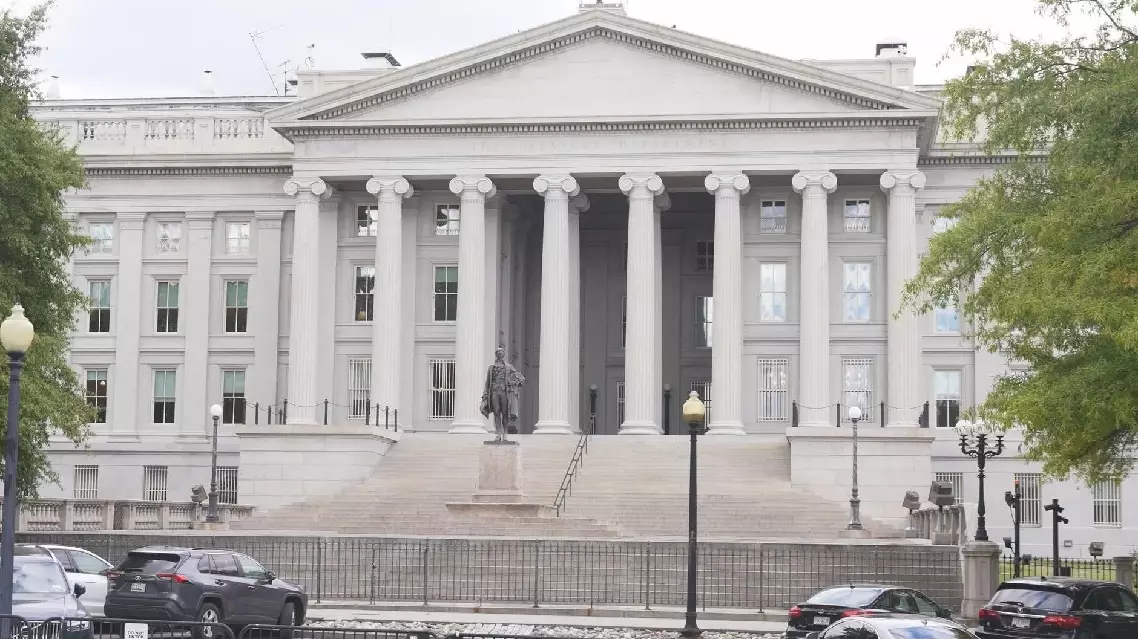
US 30-year Treasury bond yield hits highest level since June 2002