OAKLAND, Calif.--(BUSINESS WIRE)--Oct 8, 2026--
For over four decades, Claremont Rug Company has maintained that the finest 19th-century Oriental rugs should be recognized not merely as decorative furnishings, but as works of art that are increasingly scarce and valuable. Today, this perspective is gaining broader recognition among sophisticated collectors and investors seeking tangible, enduring assets.
Click to Gallery
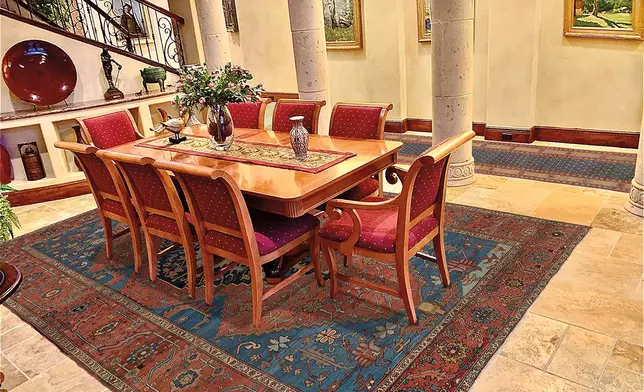
Persian 19th-century Bakshaish Village Carpet and Runner, Both High-Collectible. Circa 1875.
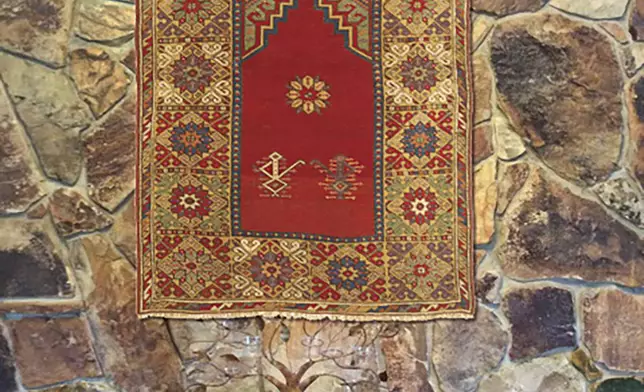
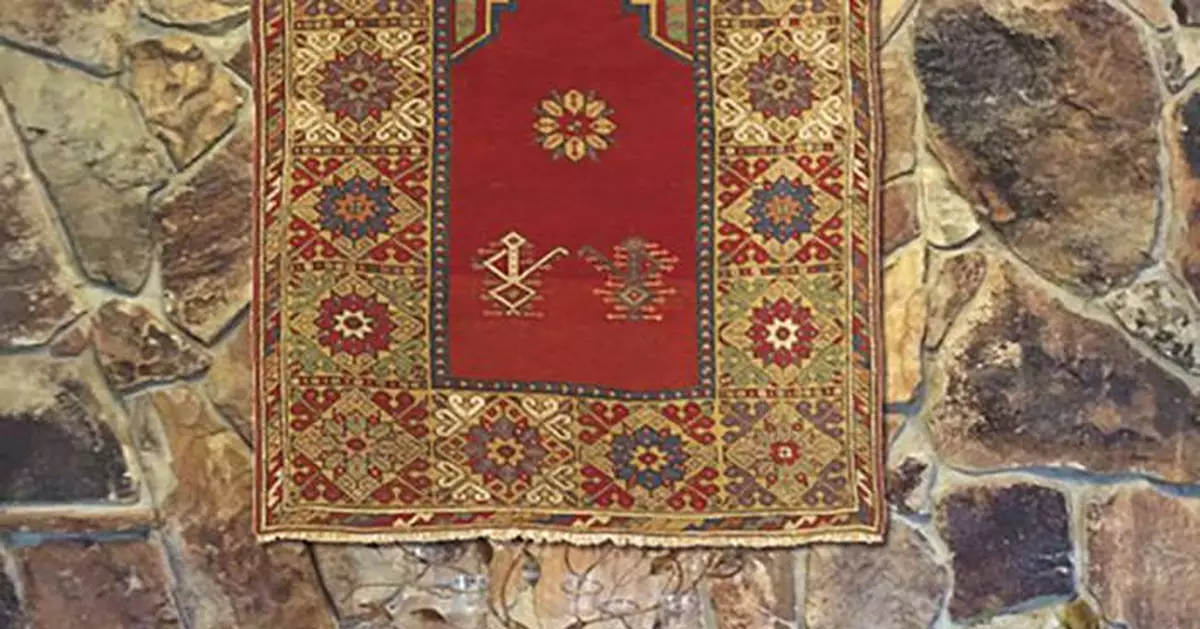
Early 19th Century Turkish Bergama Prayer Rug, High-Collectible-Plus.
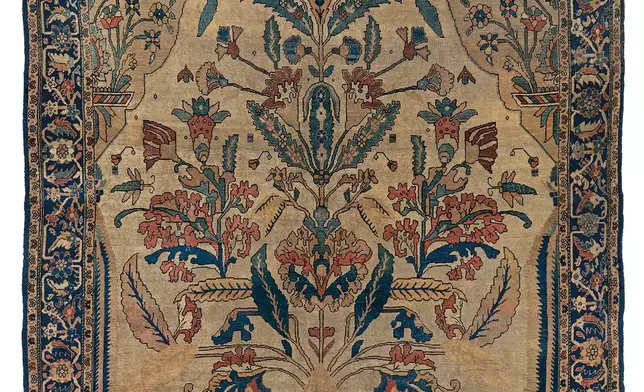
Mohtasham Kashan Central Persian Rug— circa 1825. High-Collectible-Plus
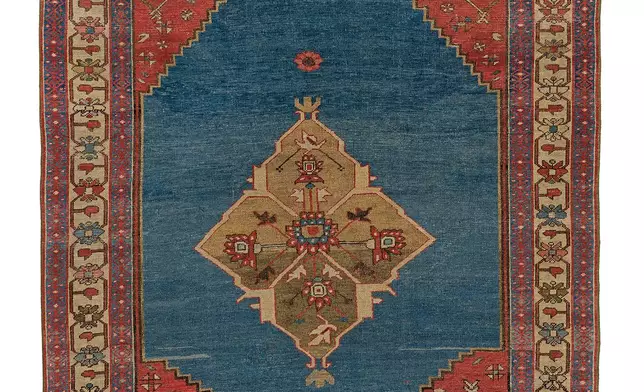
Bakshaish Northwest Persian Rug — 2nd Quarter, 19th Century. High-Collectible-Plus
This press release features multimedia. View the full release here: https://www.businesswire.com/news/home/20261008935374/en/
The very finest Persian, Turkish, and tribal rugs created during the 19th century constitute a finite body of artistic works woven over many months or years. Unlike contemporary decorative items, no new examples of these historic works can ever be created again. As the most exemplary examples are acquired by museums, established collectors, and private estates, the supply available to the marketplace has greatly diminished.
Jan David Winitz, President and Founder of Claremont Rug Company, recognized this dynamic when he established the Oakland, California-based gallery in 1980. Since then, Claremont has established a worldwide reputation for acquiring and placing quite rare High-Collectible and Connoisseur-Caliber Oriental rugs with the finest homes and collectors who are coming to understand their great artistic depth and historical significance.
“The very finest 19th-century rugs have always been works of art,” says Winitz. “What is changing is the recognition of their place within the broader world of collecting. Superlative examples are finite, increasingly difficult to acquire, and are being treated by sophisticated collectors as precious tangible assets that can be lived with, enjoyed, and preserved for future generations.”
From Decoration to Collection
This distinction is important. The overwhelming majority of rugs woven during the 19th century were created for utilitarian or decorative purposes. Only a small percentage possess the artistic maturity, rarity, condition, materials, provenance, and integrity of design necessary to qualify as High-Collectible or Connoisseur-Caliber works.
Claremont's "Oriental Rug Market Pyramid,” developed by Winitz as an educational framework for evaluating the merit of Oriental Rugs, places these superlative examples at the upper levels of the collecting spectrum.
The market for these rugs is increasingly characterized by their significant scarcity. Major public auctions and galleries that once regularly offered significant quantities of exceptional 19th-century Oriental rugs now present substantially fewer examples. At the same time, established collectors are increasingly retaining the finest pieces rather than returning them to the marketplace.
This dynamic creates a distinctive characteristic of the asset class: the world's supply of truly exceptional 19th-century Oriental art rugs is finite and steadily moving into long-term private collections.
Collectors Are Building Private Rug Collections
Claremont has observed a significant evolution in the behavior of its most sophisticated clientele.
Many of the gallery's long-standing clients no longer acquire rugs simply to furnish a particular room. Instead, they are building collections of exceptional pieces, sometimes numbering dozens or more than 100 rugs, and acquiring works because of their artistic quality, rarity, and long-term significance.
These collections are increasingly managed much like other important art collections.
A growing number of Claremont clients maintain dedicated, climate-controlled rug storage facilities within their residences, often incorporating specialized lighting and display areas that allow pieces to be periodically rotated into their homes.
Others utilize Claremont Rug Company's dedicated professional storage facility, which houses over 1500 client rugs, allowing portions of their collections to remain professionally stored, while individual pieces are brought into their homes for display.
This practice reflects an important change in how exceptional Oriental rugs are regarded. They are no longer necessarily purchased because there is an empty floor waiting to be filled. Increasingly, the acquisition as an art investment is the objective.
As Winitz has observed, “Evermore, clients are buying for themselves rather than for spaces in their homes.”
A Tangible Asset With Artistic and Personal Value
The attraction of exceptional antique rugs extends beyond financial considerations.
Unlike many traditional financial assets, an art-caliber rug is a physical object with a direct experiential value. It can be displayed, studied, and enjoyed while simultaneously forming part of a family's long-term collection.
For collectors, this combination of tangible ownership, artistic significance, scarcity, and personal enjoyment represents a unique proposition.
The finest 19th-century Persian and tribal rugs can also occupy a relatively accessible position within the broader fine-art market. While masterpieces from established Western art categories can command tens or hundreds of millions of dollars, exceptional 19th-century Oriental rugs can, depending on rarity and quality, be acquired for substantially less.
That price differential has helped introduce a new generation of collectors to the category.
The Supply Is Not Being Replenished
Perhaps the most fundamental characteristic of the 19th-century Oriental rug market is that its supply is continually diminishing,
The artistic traditions represented by the greatest Persian and tribal weaving declined precipitously as commercial production, the use of chemical dyes, and changing market preferences altered the character of rug weaving around the turn of the 20th century.
The result is a finite historical population of art-caliber rugs, with the very best examples becoming progressively concentrated in museums and private collections.
“The greatest rugs of the 19th century were created by artists who were working within traditions that had developed over centuries,” says Winitz. “There will never be another group of Oriental rugs of this magnitude created. Every truly exemplary example that moves into a serious collection is one less example available to the next collector.”
From “Undiscovered Art” to an Emerging Asset Class
Claremont has long described the finest antique Oriental rugs as “undiscovered art.” More recently, Winitz has characterized them as “barely discovered,” reflecting the growing recognition of this category.
The Wall Street Journal has highlighted the emergence of 19th-century Oriental rugs as an art asset, noting “some of the most coveted masterpieces now are the ones on the floor.” Robb Report has likewise described the current environment as "a potential watershed moment for antique Oriental rugs," citing the scarcity of first-rate examples and sharply elevated interest among collectors.
For Winitz, these developments confirm his expectations, held for over 45 years, of a widening comprehension of the artistic importance of the finest examples of Oriental rugs, their historical value, and investment potential.
The finest rugs are increasingly considered not simply as furnishings but as collectible works of art: acquired selectively, preserved carefully, passed between generations, and, in many cases, held for the long term.
About Claremont Rug Company
Founded in 1980 by Jan David Winitz, Claremont Rug Company is an Oakland, California-based specialist in High-Collectible and Connoisseur-Caliber antique Oriental rugs. The company maintains one of the world's leading collections of rare 19th-century Persian and tribal rugs and serves an international clientele of serious collectors, connoisseurs, and interior designers,
Claremont's collection encompasses over 2500 Persian, Caucasian, Turkish, and other Oriental rugs selected for their artistic merit, rarity, condition, materials, age, and historical significance.
Claremont Rug Company
6087 Claremont Avenue
Oakland, California 94618
1-800-441-1332
International: +1-510-654-0816
www.claremontrug.com
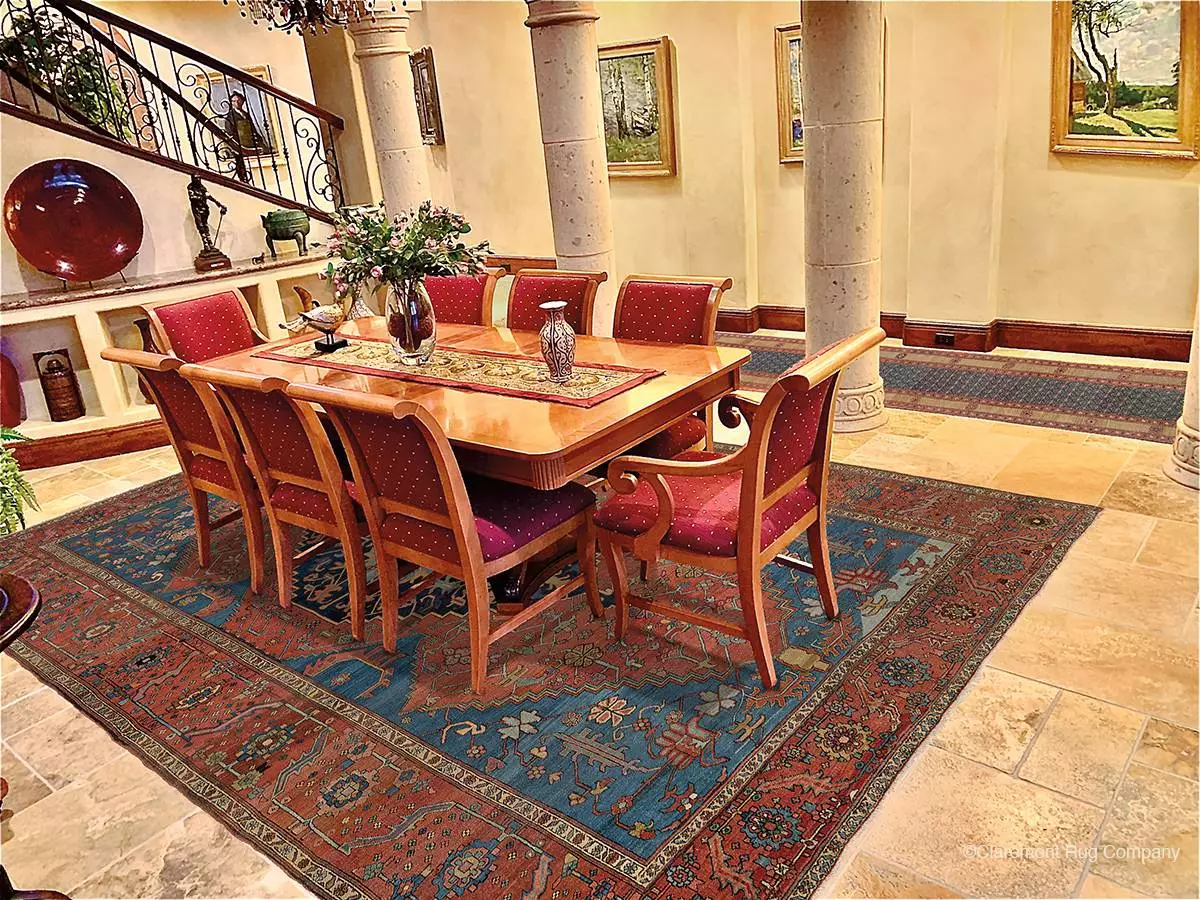
Persian 19th-century Bakshaish Village Carpet and Runner, Both High-Collectible. Circa 1875.
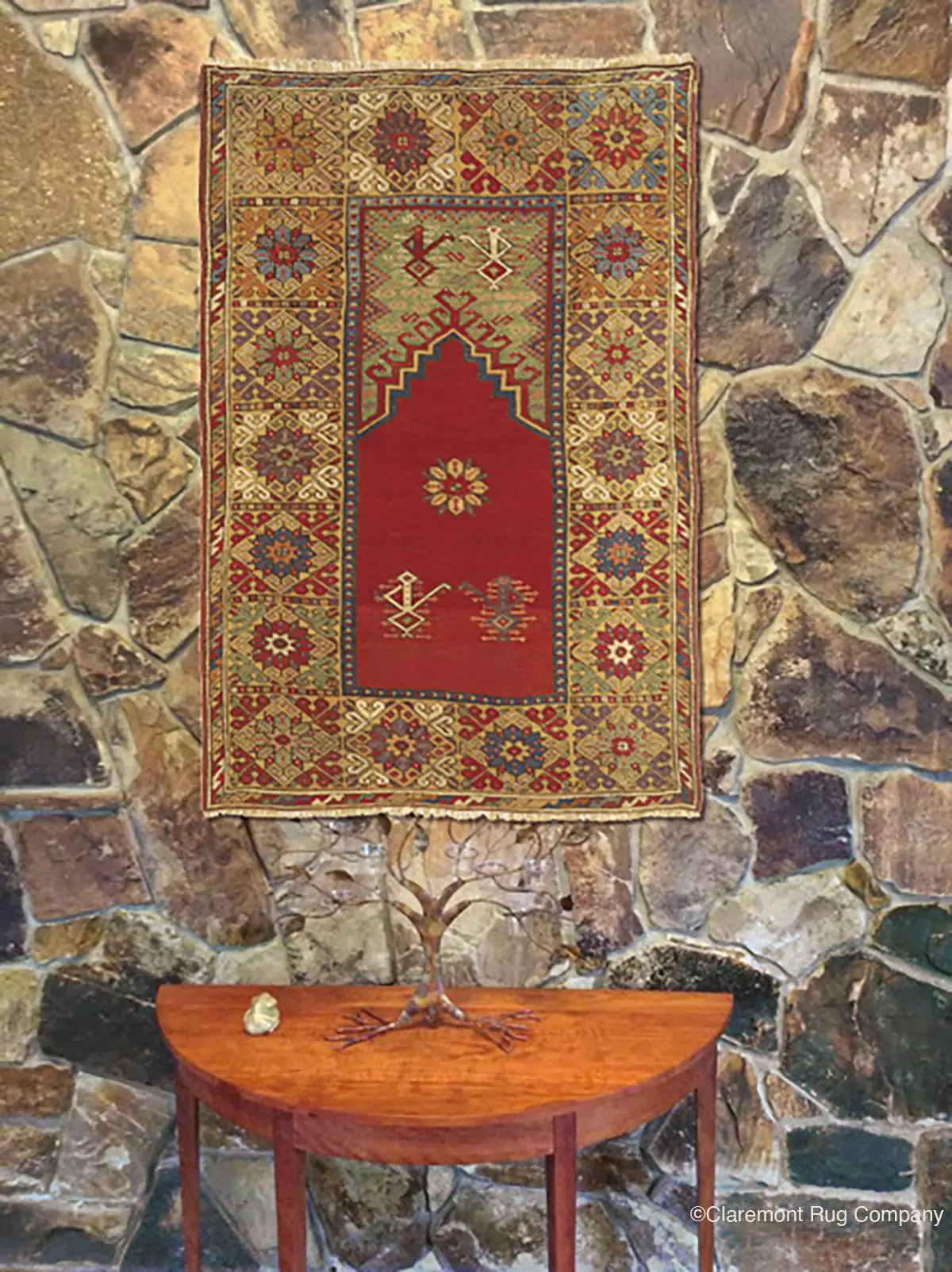
Early 19th Century Turkish Bergama Prayer Rug, High-Collectible-Plus.
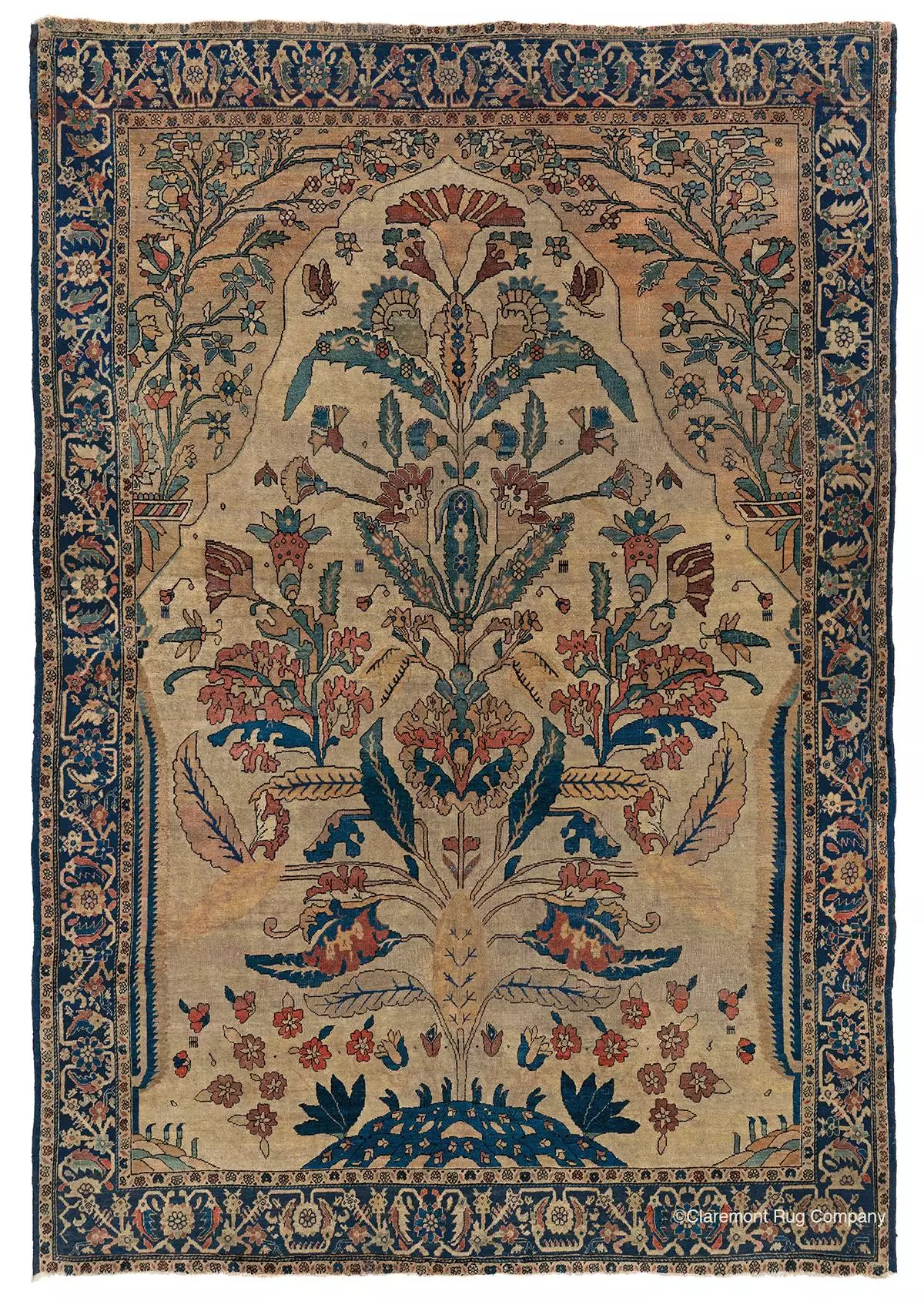
Mohtasham Kashan Central Persian Rug— circa 1825. High-Collectible-Plus
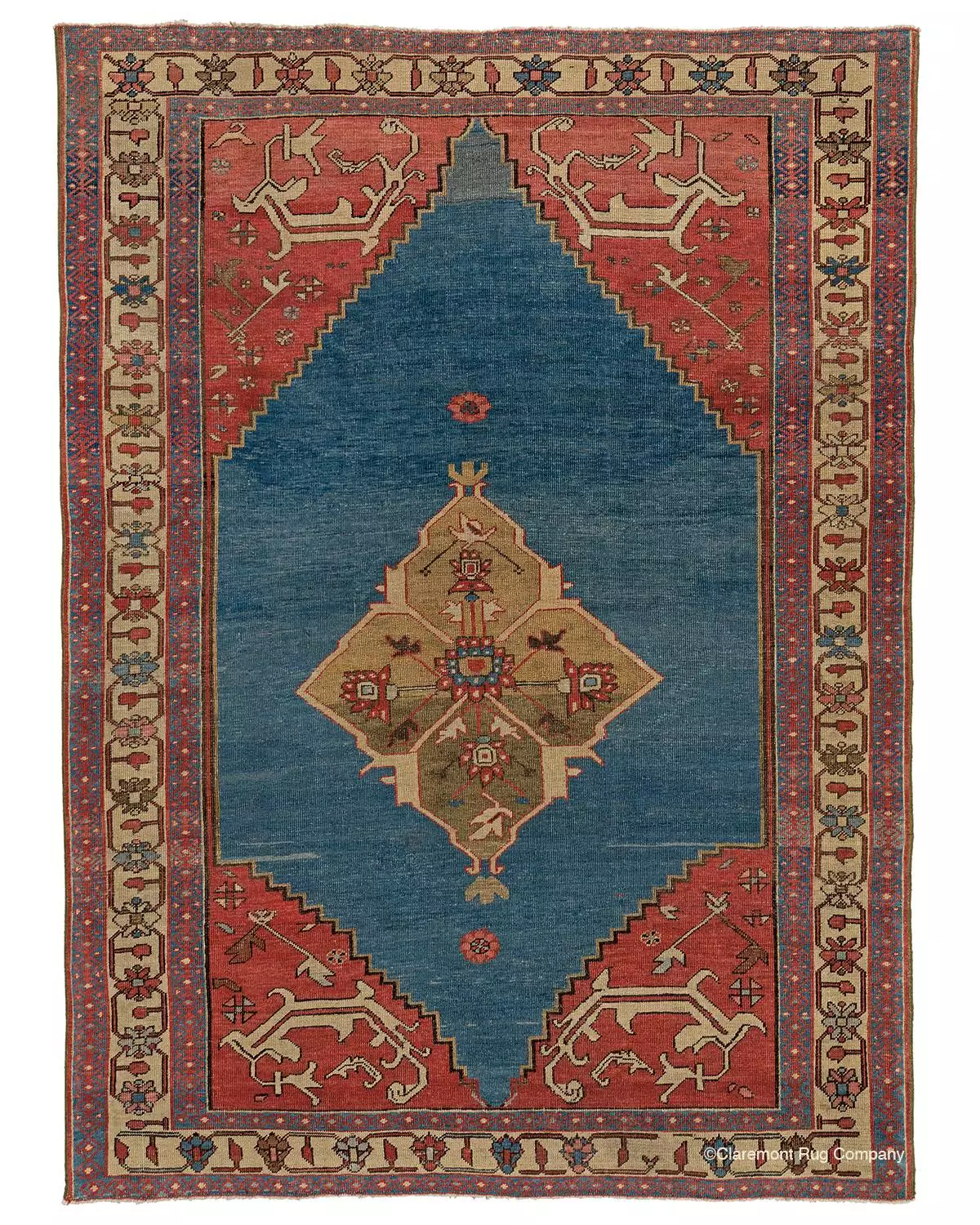
Bakshaish Northwest Persian Rug — 2nd Quarter, 19th Century. High-Collectible-Plus