Growing agricultural cooperation with China is delivering benefits to the farming sector of Papua New Guinea (PNG), advancing technological development and increasing farmers' incomes, said Prime Minister James Marape.
The remarks came in an interview with China Media Group (CMG) after his meeting with Chinese President Xi Jinping in Shenzhen City, south China's Guangdong Province, ahead of the 33rd APEC Economic Leaders' Meeting held from Nov 18 to 19.
In an interview that aired Friday, Marape attributed the steady growth of China-PNG cooperation to Xi's approach to diplomacy, praising him for treating all countries with equal respect regardless of their size.
"He is very warm. He gives respect to all irrespective of the size of the economy, size of your country. He hardly talks about war; he talks about coexistence, and the world needs more global statesmen in that context," he said.
Marape also recalled the Juncao technology cooperation between China and PNG dating back to the late 1990s, noting that the partnership continues to benefit farmers nationwide.
"Many do not know President Xi Jinping's history with Papua New Guinea. As a young governor of Fujian back then, he signed a cooperation with Eastern Highlands Province in the late 1990s and the Juncao technology in agriculture is something that still flourishing to this day. It is a simple hands-on application about agriculture technology that goes to improve lives of people through agricultural productivity," Marape said.
"I met the author of that philosophy and technology. He is also a strong advocate of President Xi Jinping's line of thinking and something a little seed planted 30 years ago today is still growing strong as an oak tree standing despite many, many of the winds that blow in between. But today Eastern Highlands Province Juncao technology is producing upland rice; it's producing food and making sure our people have sustainable earnings from agriculture technology that we want to replicate right across all parts of our country," he added.
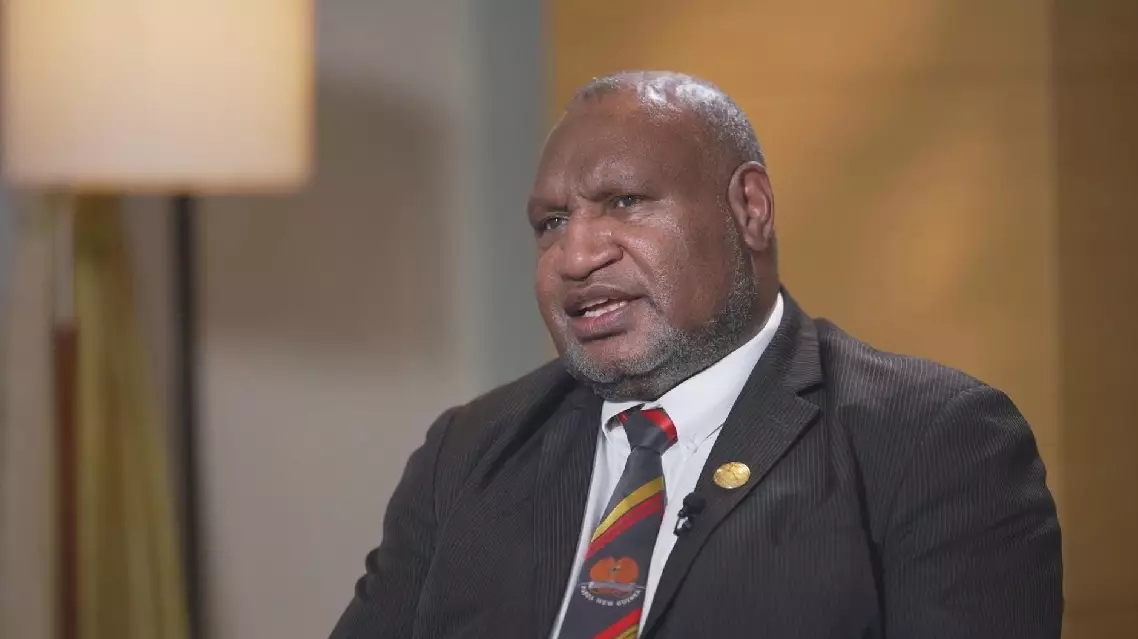
PNG PM hails growing agricultural cooperation with China
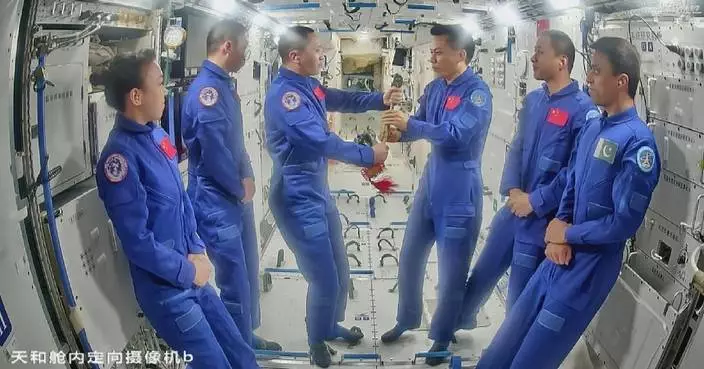
Arslan Mehmood, a teacher at the Confucius Institute Islamabad, a department of the Beijing Language and Culture University, recalled the Chinese-learning journey of Pakistani astronaut Muhammad Zeeshan Ali, who made history on Wednesday as the country's first citizen to enter space aboard China's Shenzhou-24 crewed spacecraft, and praised him as hardworking and diligent.
The spacecraft lifted off from the Jiuquan Satellite Launch Center in northwest China on Wednesday morning, and the crew entered Tiangong that afternoon.
In January this year, eight trainees from Pakistan's Space and Upper Atmosphere Research Commission came here to learn Chinese, with Mehmood as their Chinese teacher.
At the time, Mehmood had no idea that one of his students would become the first astronaut in Pakistan's history. After learning the news, he bought a model spacecraft and placed it in his office. "When he arrived, he couldn't speak any Chinese at all -- he didn't even know 'ni hao (hello).' We started teaching him from 'ni hao (hello)'," said Mehmood.
What was originally a one-month Chinese course was extended by another month at the students' own request, as they felt their Chinese was still not good enough.
Three hours of Chinese classes a day was no easy task for these beginners. Pronunciation, in particular, gave them plenty of trouble, but it also brought plenty of laughter to the classroom. To help the students correct their pronunciation, Mehmood even made a comparison chart for them. After going to China for space training, Ali has continued to learn Chinese. Now, the student who once could not even say "ni hao (hello)" is able to express his feelings in Chinese in front of the media. "When he started learning Chinese here, he couldn't speak any Chinese at all. Although it was only two months, our classes were relatively long -- three hours every day. After he was selected to go to China, he kept learning Chinese. By now, he should already be able to communicate with Chinese people in Chinese without any problem," he said. Mehmood has also begun looking forward to seeing his students again. He hopes to sit together with them and chat as they used to -- only this time, what they will talk about are stories from space.
"We want to meet them. We also want to recall with them what they were like when they first arrived. And we want to hear the whole story from their own mouths," he said.
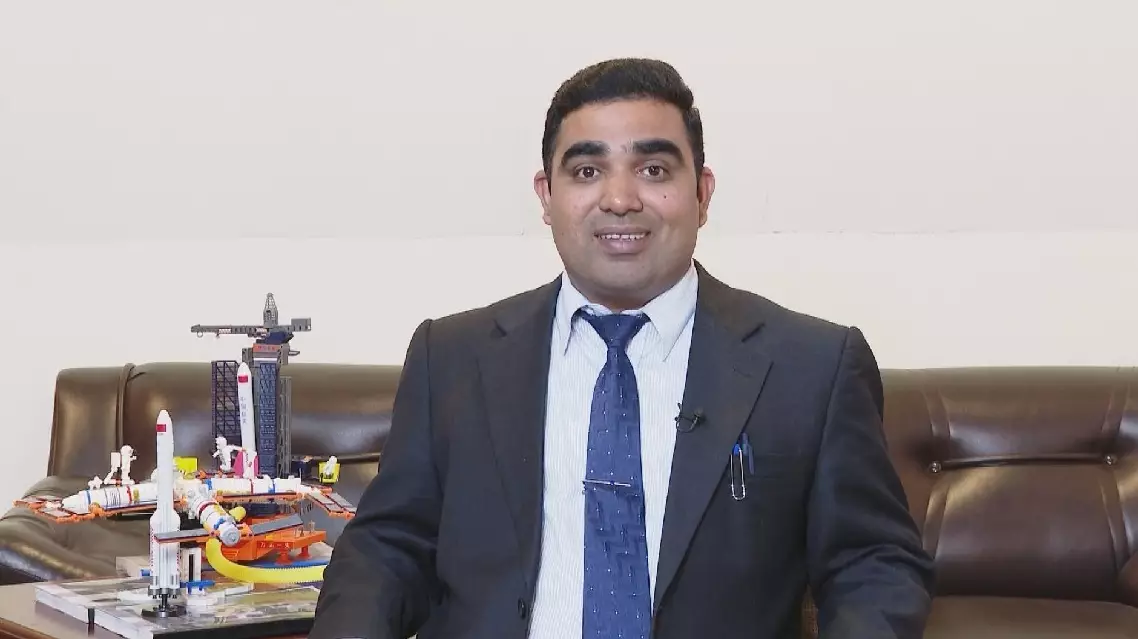
Confucius Institute teacher recalls first Pakistani astronaut's Chinese language learning journey