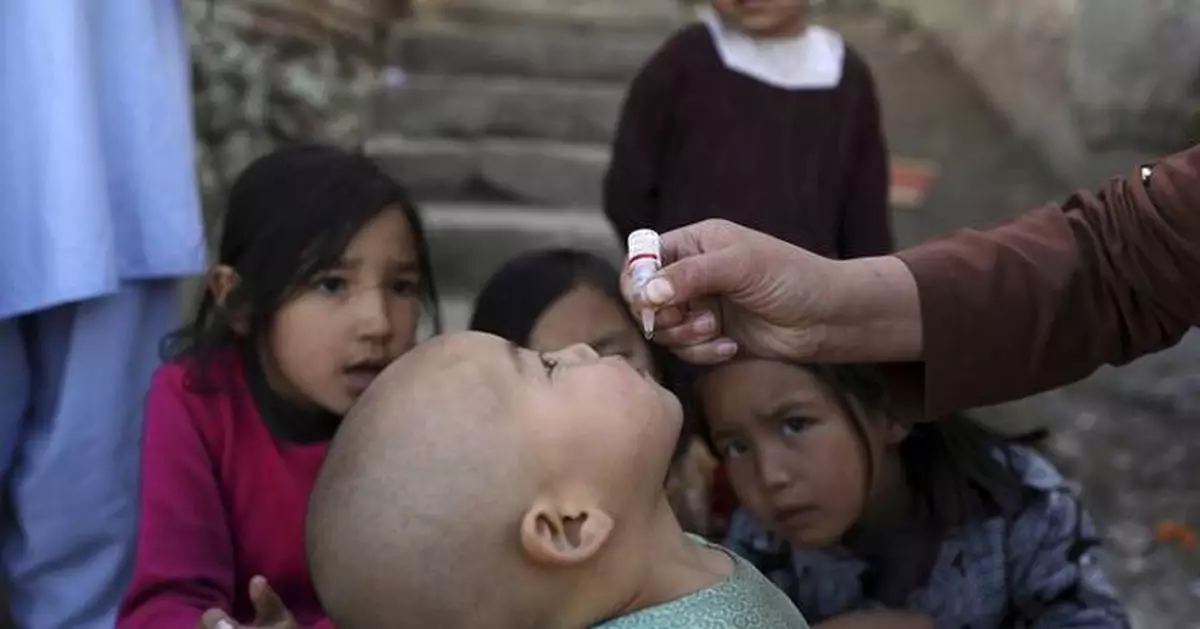
DUBAI, United Arab Emirates (AP) — The Taliban have suspended polio vaccination campaigns in Afghanistan, the U.N. said Monday. It’s a devastating setback for polio eradication, since the virus is one of the world’s most infectious and any unvaccinated groups of children where the virus is spreading could undo years of progress.
Afghanistan is one of two countries in which the spread of the potentially fatal, paralyzing disease has never been stopped. The other is Pakistan. It’s likely that the Taliban’s decision will have major repercussions for other countries in the region and beyond.
News of the suspension was relayed to U.N. agencies right before the September immunization campaign was due to start. No reason was given for the suspension, and no one from the Taliban-controlled government was immediately available for comment.
A top official from the World Health Organization said it was aware of discussions to move away from house-to-house vaccinations and instead have immunizations in places like mosques.
The WHO has confirmed 18 polio cases in Afghanistan this year, all but two in the south of the country. That’s up from six cases in 2023.
“The Global Polio Eradication Initiative is aware of the recent policy discussions on shifting from house-to-house polio vaccination campaigns to site-to-site vaccination in parts of Afghanistan,” said Dr. Hamid Jafari from the WHO. “Partners are in the process of discussing and understanding the scope and impact of any change in current policy.”
Polio campaigns in neighboring Pakistan are regularly marred by violence. Militants target vaccination teams and police assigned to protect them, falsely claiming that the campaigns are a Western conspiracy to sterilize children.
As recently as August, the WHO reported that Afghanistan and Pakistan were continuing to implement an “intensive and synchronized campaign” focusing on improved vaccination coverage in endemic zones and an effective and timely response to detections elsewhere.
During a June 2024 nationwide campaign, Afghanistan used a house-to-house vaccination strategy for the first time in five years, a tactic that helped to reach the majority of children targeted, the WHO said.
But southern Kandahar province, the base of Taliban supreme leader Hibatullah Akhundzada, used site-to-site or mosque-to-mosque vaccination campaigns, which are less effective than going to people’s homes.
Kandahar continues to have a large pool of susceptible children because it is not carrying out house-to-house vaccinations, the WHO said. “The overall women’s inclusion in vaccination campaigns remains around 20% in Afghanistan, leading to inadequate access to all children in some areas,” it said.
Any setback in Afghanistan poses a risk to the program in Pakistan due to high population movement, the WHO warned last month.
Pakistani health official Anwarul Haq said the polio virus would eventually spread and continue affecting children in both countries if vaccination campaigns aren't run regularly and in a synchronized manner.
“Afghanistan is the only neighbor from where Afghan people in large numbers come to Pakistan and then go back,” said Haq, the coordinator at the National Emergency Operation Center for Polio Eradication. “People from other neighboring countries, like India and Iran, don’t come to Pakistan in large numbers.”
There needs to be a united effort to eliminate the disease, he told The Associated Press.
The campaign suspension is the latest obstacle in what has become a problematic global effort to stop polio. The initiative, which costs about $1 billion every year, has missed multiple deadlines to wipe out the disease and technical mistakes in the vaccination strategy set by WHO and partners have been costly.
The oral vaccine has also inadvertently seeded outbreaks in dozens of countries across Africa, Asia and the Middle East and now accounts for the majority of polio cases worldwide.
This was seen most recently in Gaza, where a baby was partially paralyzed by a mutated strain of polio first seen in the oral vaccine, marking the territory’s first case in more than 25 years.
Associated Press writers Maria Cheng in London and Munir Ahmed in Islamabad contributed to this report.
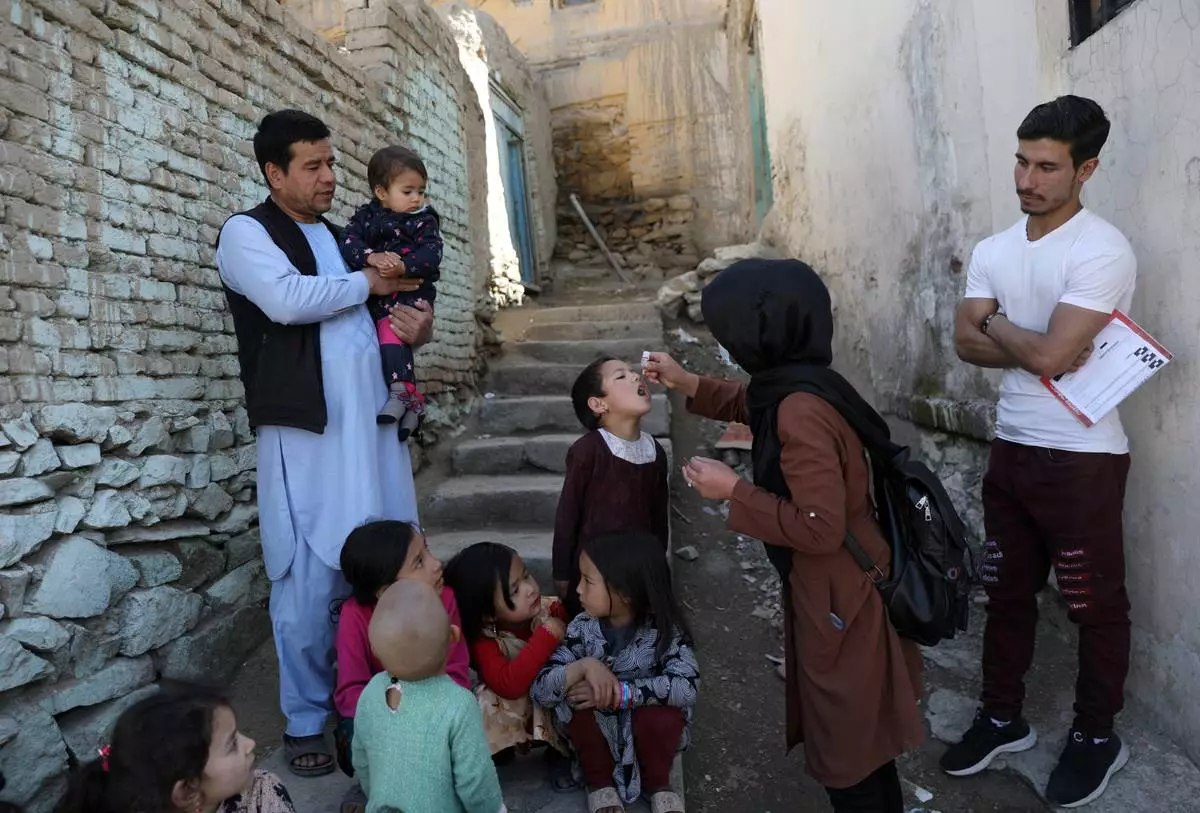
FILE - Shabana Maani, gives a polio vaccination to a child in the old part of Kabul, Afghanistan, Monday, March 29, 2021. (AP Photo/Rahmat Gul, File)
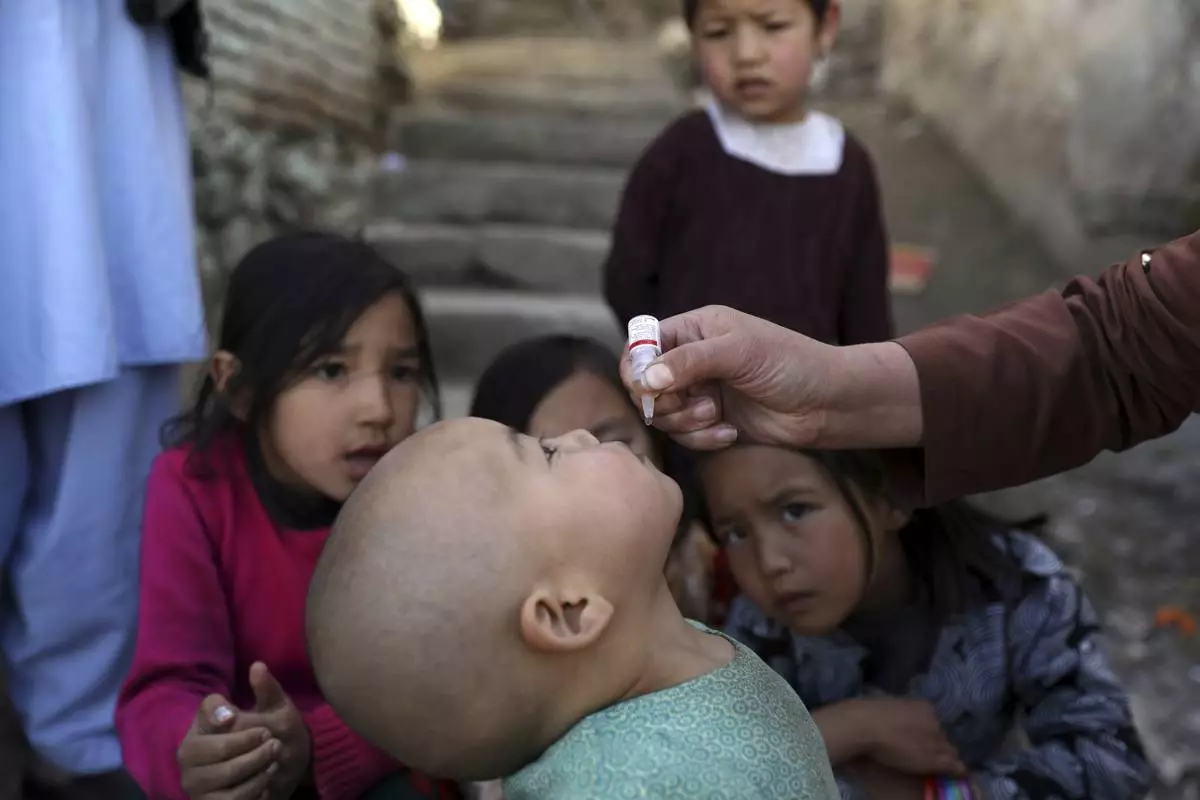
FILE - Shabana Maani, gives a polio vaccination to a child in the old part of Kabul, Afghanistan, Monday, March 29, 2021. (AP Photo/Rahmat Gul, File)
WASHINGTON (AP) — The State Department said Wednesday it will suspend the processing of immigrant visas for citizens of 75 countries, including Afghanistan, Iran, Russia and Somalia, whose nationals the Trump administration has deemed likely to require public assistance while living in the United States.
The State Department, led by Secretary of State Marco Rubio, said it had instructed consular officers to halt immigrant visa applications from the countries affected in accordance with a broader order issued in November that tightened rules around potential immigrants who might become “public charges” in the U.S.
The step builds on earlier immigration and travel bans by the administration on nearly 40 countries and is part of President Donald Trump’s ongoing efforts to tighten U.S. entry standards for foreigners.
“The Trump administration is bringing an end to the abuse of America’s immigration system by those who would extract wealth from the American people,” the department said in a statement. “Immigrant visa processing from these 75 countries will be paused while the State Department reassess immigration processing procedures to prevent the entry of foreign nationals who would take welfare and public benefits.”
The suspension, which will begin Jan. 21, will not apply to applicants seeking non-immigrant visas, or temporary tourist or business visas, who make up the vast majority of visa seekers. Demand for non-immigrant visas is expected to rise dramatically in the coming months and years due to the upcoming 2026 World Cup and 2028 Olympics both of which the U.S. will host or co-host.
A separate notice sent to all U.S. embassies and consulates said that non-immigrant visa applicants should be screened for the possibility that they might seek public benefits in the United States.
“With the uncovering of massive public benefits fraud across the United States, the Trump administration is laser-focused on eliminating and preventing fraud in public benefits programs,” said the cable that referred specifically to most non-immigrant visa applications and was sent on Monday.
The cable, a copy of which was obtained by The Associated Press, urged consular officers to ensure that foreigners wanting to travel to the U.S. “have been fully vetted and screened” for whether they may rely on public services before they are issued a visa.
The cable noted several times that it is up to the applicant to prove that they would not apply for public benefits while in the U.S. and said consular officers who suspect the applicant might apply should require them to fill out a form proving their financial bona fides.
President Donald Trump's administration has already severely restricted immigrant and non-immigrant visa processing for citizens of dozens of countries, many of them in Africa, Asia and Latin America.
The November guidance on which Wednesday's decision is based directed U.S. Embassy and consulate officials to comprehensively and thoroughly vet visa applicants to demonstrate that they will not need to rely on public benefits from the government any time after their admission in the U.S.
While federal law already required those seeking permanent residency or legal status to prove they wouldn’t be a public charge, Trump in his first term widened the range of benefit programs that could disqualify applicants, and the guidelines in the cable appear to go further in scope.
Immigrants seeking entry into the U.S. already undergo a medical exam by a physician who’s been approved by a U.S. Embassy. They are screened for communicable diseases, like tuberculosis, and asked to disclose any history of drug or alcohol use, mental health conditions or violence. They’re also required to have a number of vaccinations.
The new directive expanded those with more specific requirements. It said consular officials must consider a range of specific details about people seeking visas, including their age, health, family status, finances, education, skills and any past use of public assistance regardless of the country. It also said they should assess applicants’ English proficiency and can do so by conducting interviews in English.
Experts said at the time it could further limit who gets to enter the country at a time when the Republican administration is already tightening those rules.
The countries affected by the suspension announced on Wednesday are:
Afghanistan, Albania, Algeria, Antigua and Barbuda, Armenia, Azerbaijan, Bahamas, Bangladesh, Barbados, Belarus, Belize, Bhutan, Bosnia, Brazil, Burma, Cambodia, Cameroon, Cape Verde, Colombia, Congo, Cuba, Dominica, Egypt, Eritrea, Ethiopia, Fiji, Gambia, Georgia, Ghana, Grenada, Guatemala, Guinea, Haiti, Iran, Iraq, Ivory Coast, Jamaica, Jordan, Kazakhstan, Kosovo, Kuwait, Kyrgyzstan, Laos, Lebanon, Liberia, Libya, Macedonia, Moldova, Mongolia, Montenegro, Morocco, Nepal, Nicaragua, Nigeria, Pakistan, Republic of the Congo, Russia, Rwanda, Saint Kitts and Nevis, Saint Lucia, Saint Vincent and the Grenadines, Senegal, Sierra Leone, Somalia, South Sudan, Sudan, Syria, Tanzania, Thailand, Togo, Tunisia, Uganda, Uruguay, Uzbekistan and Yemen.
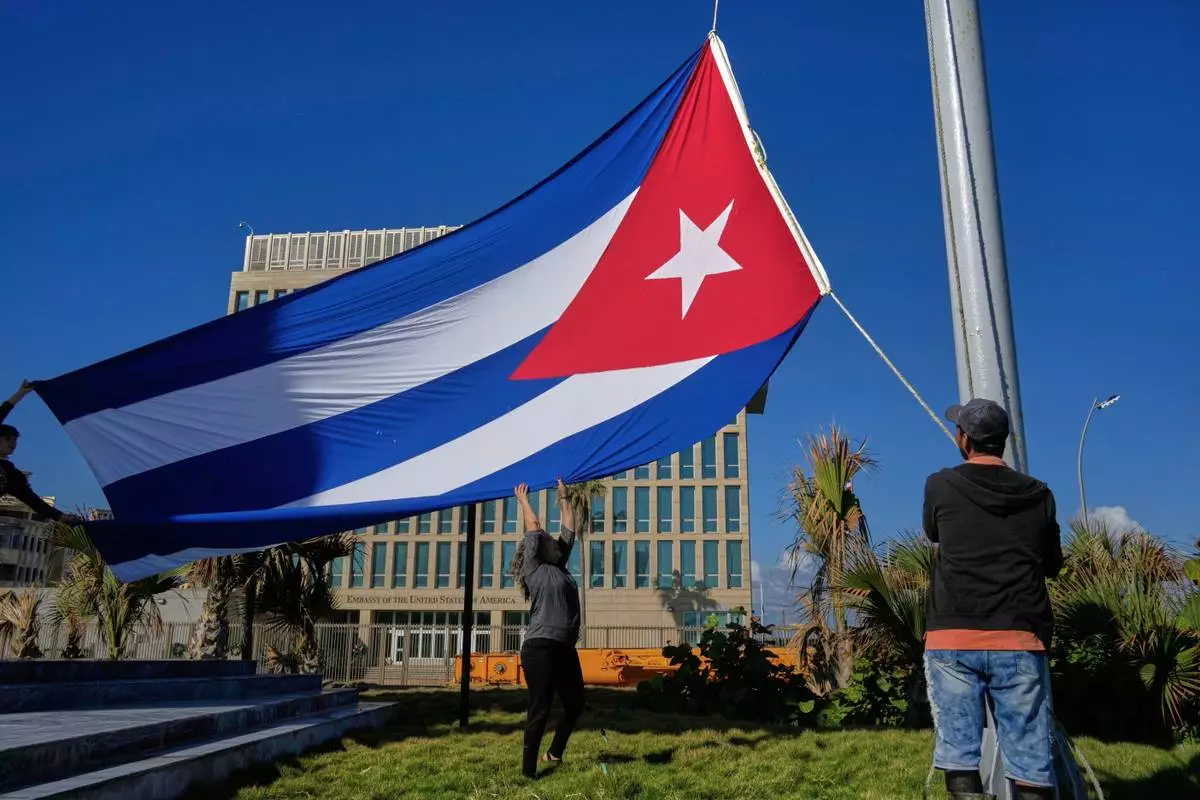
Workers fly the Cuban flag at half-mast at the Anti-Imperialist Tribune near the U.S. embassy in Havana, Cuba, Monday, Jan. 5, 2026, in memory of Cubans who died two days before in Caracas, Venezuela during the capture of Venezuelan President Nicolas Maduro by U.S. forces. (AP Photo/Ramon Espinosa)
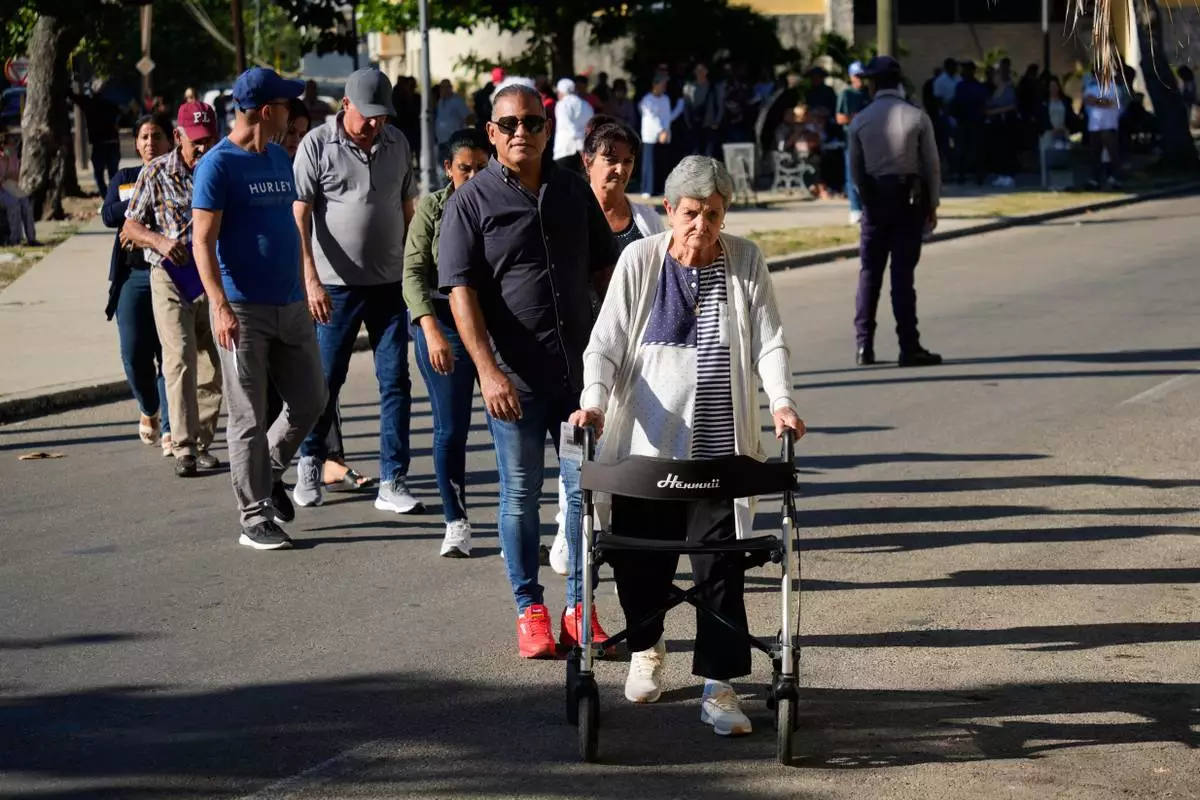
Cubans line up for appointments at the U.S. embassy in Havana, Cuba, Thursday, Jan. 8, 2026. (AP Photo/Ramon Espinosa)
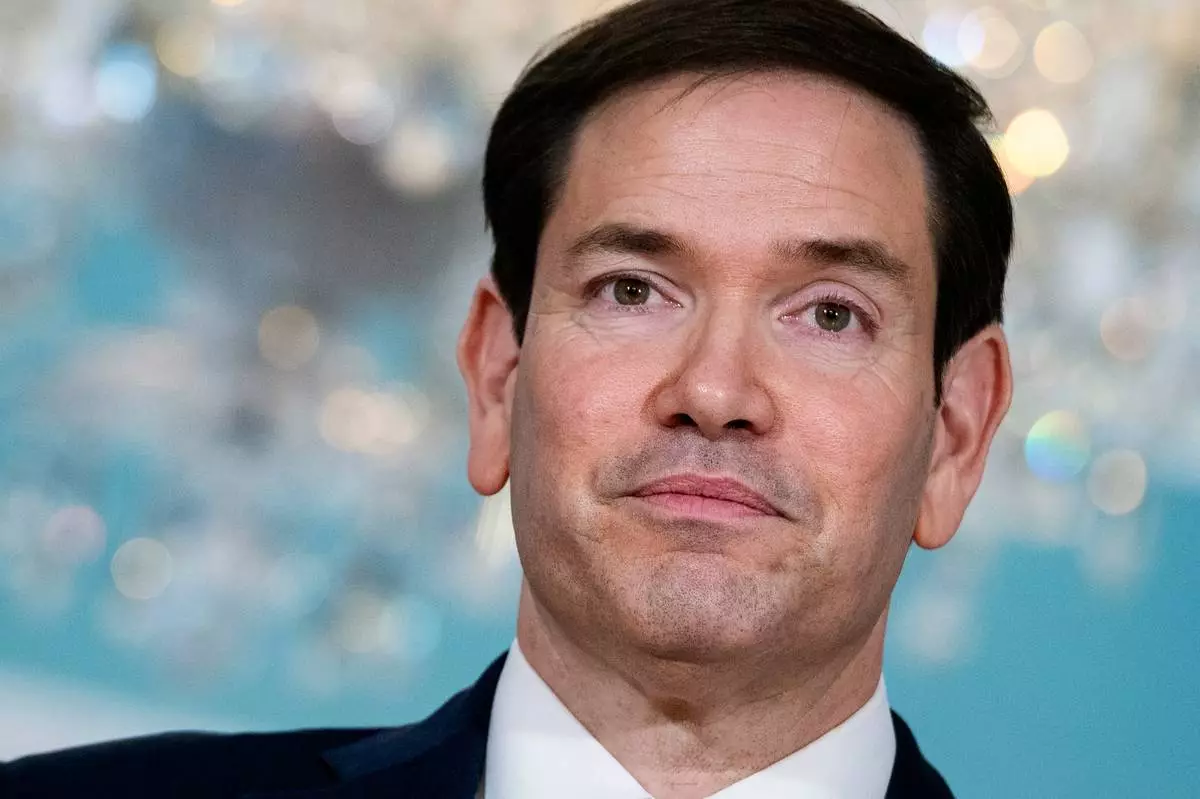
Secretary of State Marco Rubio makes a statement to reporters while meeting with Armenian Foreign Minister Ararat Mirzoyan at the State Department in Washington, Tuesday, Jan. 13, 2026. (AP Photo/Cliff Owen)