China has managed to advance ozone layer protection with new planning and educational initiatives, including the formulation of a plan for implementing the Montreal Protocol over the next few years, in line with international efforts under the auspices of the United Nations, government sources said on the occasion of the United Nations-initiated International Day for the Preservation of the Ozone Layer which falls on Monday.
Presently, the "China Implementation Plan for the Montreal Protocol (2024–2030)" is being finalized by the Ministry of Ecology and Environment in anticipation of its release in the near future.
This plan will outline China’s compliance schedule and roadmap up to 2030, with a focus on improving the lifecycle management of hydrofluorocarbons (HFCs) - powerful greenhouse gases contributing to global warming. The initiative aims to intensify efforts and advance progress in addressing environmental challenges.
The Day for the Preservation of the Ozone Layer was established by the United Nations to commemorate the signing of the Montreal Protocol on Substances that Deplete the Ozone Layer in 1987.
As the world’s largest developing country, China has eliminated 628,000 tons of ozone-depleting substances (ODS) specified in the Montreal Protocol, accounting for over half of the total reductions achieved by developing countries, according to ministry data from January.
Since its accession to the Montreal Protocol in 1991, China has made significant strides in eliminating controlled substances, advancing green technologies, and honoring international obligations. It has fully eradicated five major categories of ODS - chlorofluorocarbons (CFCs), halons, carbon tetrachloride, methyl chloroform, and methyl bromide.
From 1991 to 2020, China’s efforts have prevented about 26 billion tons of carbon dioxide equivalent emissions, contributing substantially to both ozone layer protection and climate change mitigation.
In observance of the International Day for the Preservation of the Ozone Layer, environmental experts have been invited to Beijing schools recently to give lectures to students on ozone layer protection. The lectures, which include interactive Q and A sessions, provide valuable knowledge on ozone layer protection. Following the sessions, students would participate in creating artworks to promote green living and express their commitment to ozone layer protection.
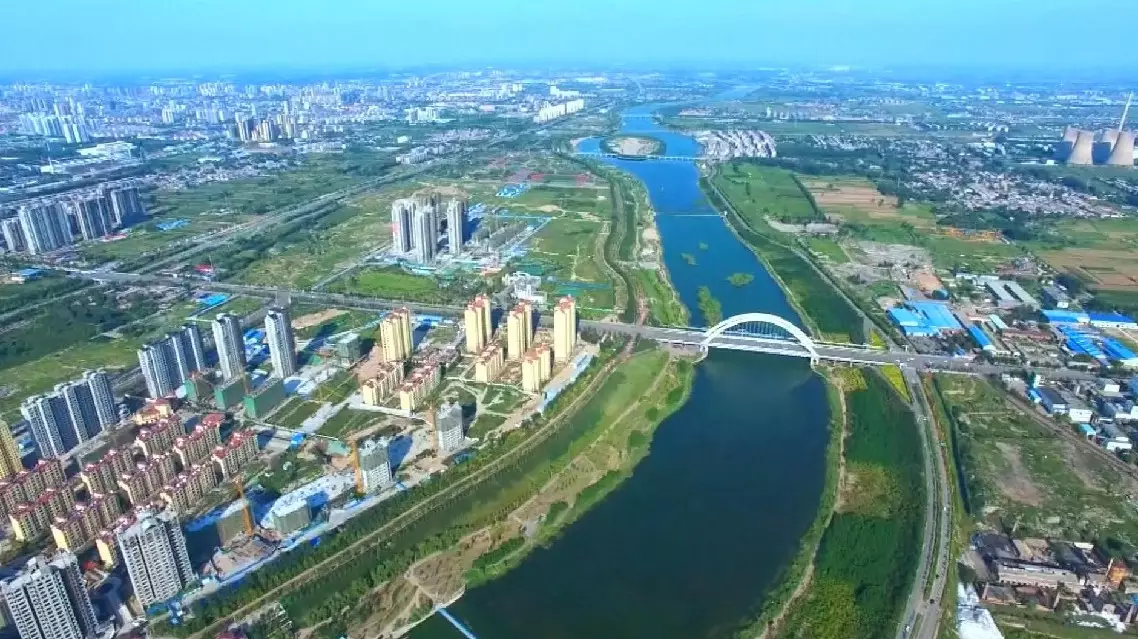
China advances ozone layer protection with new planning, educational initiatives