A virtual reality (VR)-empowered cultural exhibition "Journey Through Civilizations" opened to the public in Beijing on Saturday.
This exhibition is based on the discoveries of China's 20 years of comprehensive research tracing the origins of Chinese civilization. It covers sections such as the showcase of major civilization sites and a digital art space, presenting the brilliant charm of Chinese civilization in all aspects.
The showcase section includes introductions and important cultural relics related to China's five major civilization sites -- Liangzhu Ruins in east China's Zhejiang Province, Taosi site in north China's Shanxi Province, Erlitou Relics in central China's Henan Province, Sanxingdui Ruins in southwest China's Sichuan Province, and Yinxu Ruins in central China's Henan Province.
In the digital art space, visitors can put on VR headsets to embark on a virtual journey to explore the roots of Chinese civilizations, or interact with cultural relics through extended reality (XR) technology.
Another section enables visitors to try unearthing cultural relic replicas to deepen their understanding of Chinese civilizations.
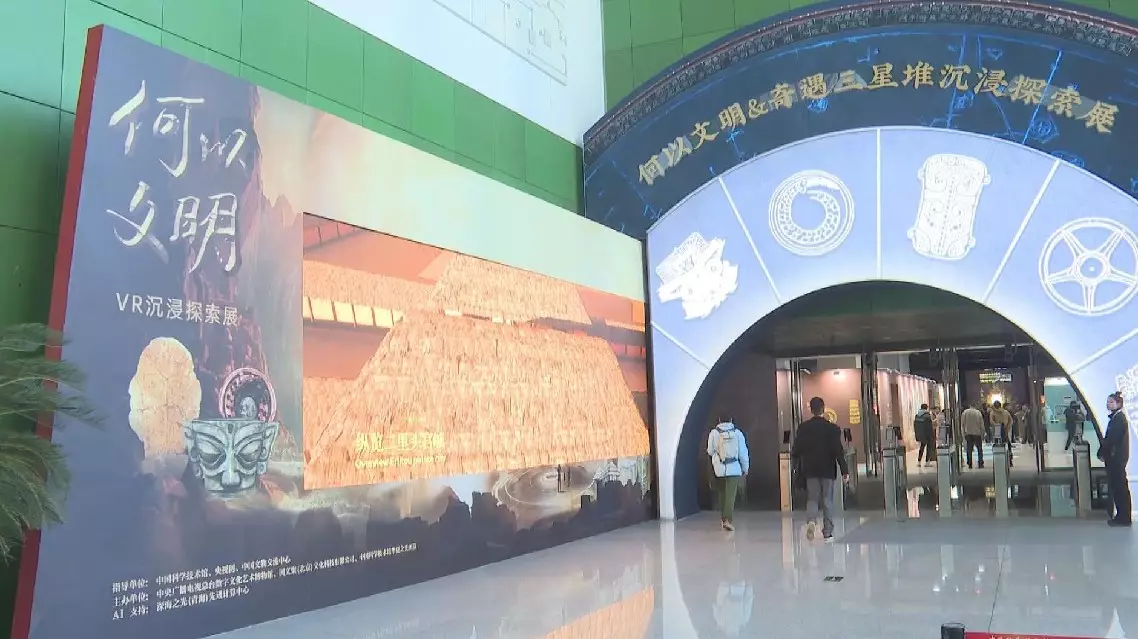
VR-empowered cultural exhibition opens to public in Beijing
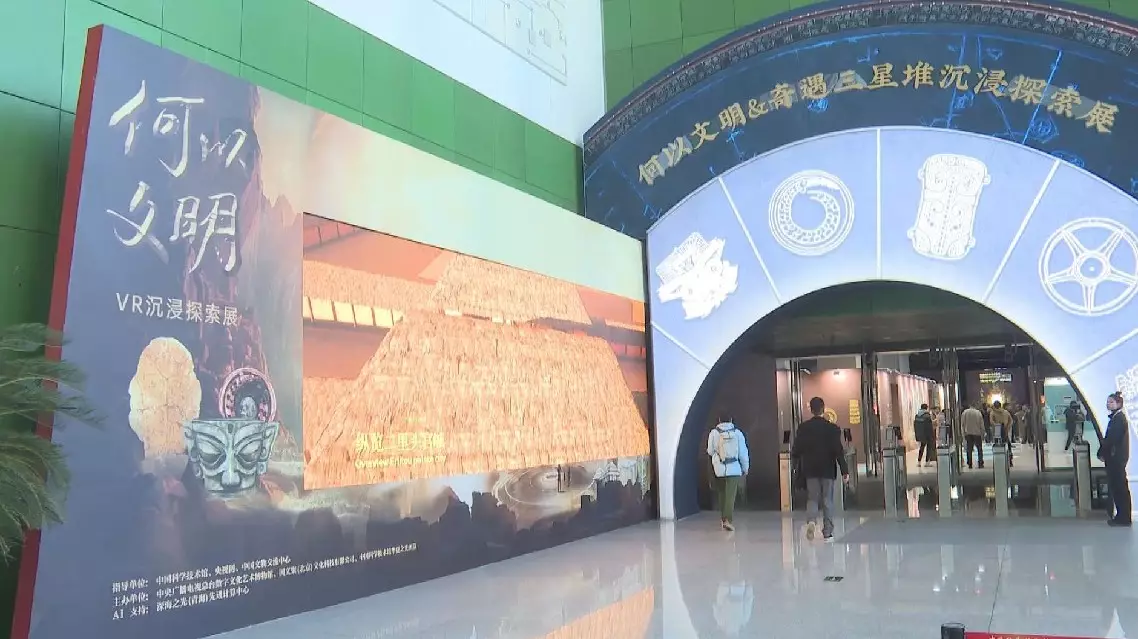
VR-empowered cultural exhibition opens to public in Beijing
China will formulate more effective laws and regulations in 2026, covering key areas, emerging fields, and foreign-related domains, Minister of Justice He Rong said in an interview in Beijing on Thursday.
Legislative efforts will focus on four fronts this year to ensure that the rule of law aligns more effectively with reform, development, and stability, while better upholding social fairness and justice, the minister said after the closing meeting of the fourth session of the 14th National People's Congress (NPC), China's national legislature.
"Firstly, we will improve the business environment by formulating regulations for building a unified national market. Efforts will be made to address issues of concern, such as local protection, the imposition of improper market access restrictions, and rat-race competition," said the minister.
"Secondly, we will promote sci-tech innovation. Artificial intelligence has become a 'buzzword' at this year's two sessions. In 2026, we will accelerate research on legislation in fields such as artificial intelligence and the law-altitude economy, revise the Road Traffic Safety Law and formulate regulations on airspace management," He said.
"Thirdly, legislation will place greater emphasis on safeguarding people's livelihood and promoting common prosperity, aiming to meet the public's growing demand for better legal protections in areas such as food, housing, clothing, and transportation. This year, administrative regulations will be formulated and implemented concerning water supply, pharmaceutical administration, road transport management, and housing safety," the minister said.
"Fourthly, we will strengthen services to advance high-level opening-up. We will advance the formulation of laws and regulations related to trade, investment, and customs clearance facilitation," the minister said.
The "two sessions," or the annual sessions of the NPC, and the National Committee of the Chinese People's Political Consultative Conference (CPPCC), the top political advisory body, concluded on Thursday and Wednesday, respectively.

China to strengthen legislation in key sectors, emerging fields, foreign-related domains: minister