Sri Lankan Prime Minister Harini Amarasuriya visited the Chinese Navy hospital ship "Peace Ark" at the Port of Colombo on Tuesday (local time) as part of the "Mission Harmony-2024".
The ship arrived at the Port on Dec 21 and will provide free medical examination and treatment services to Sri Lankan people around the clock during its 7-day friendly visit. Training sessions and exchange activities will also be conducted on board with Sri Lankan navy and hospitals.
As of Tuesday, the ship's medical team had carried out a total of 2,077 diagnoses, 1,076 auxiliary examinations and 19 surgeries in Sri Lanka.
This is the second visit to Sri Lanka by the ship after its visit in 2017.
During the Mission Harmony-2024, the ship will visit 13 countries from June to January 2025 and make port calls to France and Greece.
This is the 10th Mission Harmony for Peace Ark since its commissioning in 2008 and is a solid step taken by the Chinese navy to implement the Global Security Initiative and contribute to the establishment of the maritime community with a shared future.
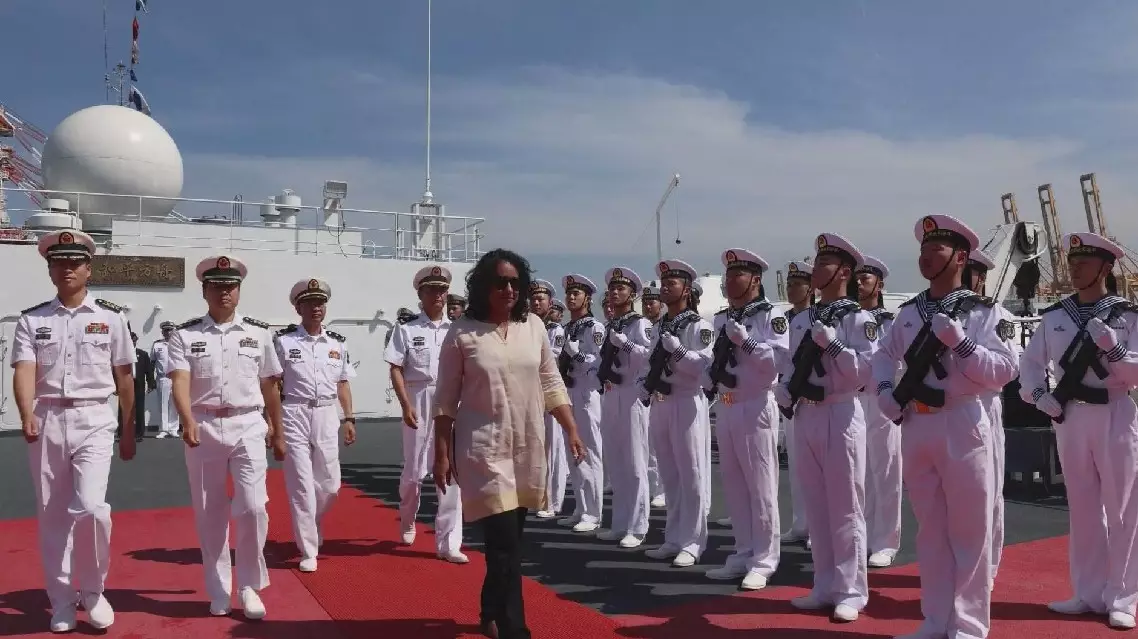
Sri Lanka's prime minister visits China's hospital ship "Peace Ark"
Nigeria's fuel market is undergoing a rare shake-up as competition pushes prices lower, bringing relief to local consumers while raising concerns over business durability.
In the capital city of Abuja, the state oil firm Nigerian National Petroleum Company (NNPC) has been selling petrol at about 815 naira per liter (about 0.57 U.S. dollars per liter), down from about 0.66 U.S. dollars per liter earlier in 2026. Other stations supplied by private giant Dangote are offering even lower prices, selling at around 750 naira (about 0.53 U.S. dollars) per liter.
For millions of Nigerians, the drop has been easing pressure on transport, food and daily living costs.
"I spend relatively lower on fuel and, by implication, transportation now than what it used to be," said Salifu Usman, a local resident in Abuja.
"We are happy with what we are seeing, because, of course, for a very long time, we are witnessing the crash down of price, even during festive period," said Jonathan Madaki, another resident.
The price cut has also allowed for higher profit margins for local small business operators, who have long relied on petrol-powered generators to cope with chronic power shortages.
Behind the price cuts is a growing battle for market share. The Nigeria-based Dangote Refinery, the largest in Africa, has boosted domestic supply and slashed its wholesale price to around 700 naira (about 0.49 U.S. dollars) per liter.
The move has forced importers and the state oil company to lower their own prices to stay competitive. But as margins shrink, analysts warn, what now appears to be a price war may not last.
"My own interpretation is that we are going to that stage where, especially those that, if it keeps coming down, I think those that bring in products may find it not so attractive again. So I don't actually see how sustainable this price war, if I may use that term, will be," said energy expert Paul Ogwu.
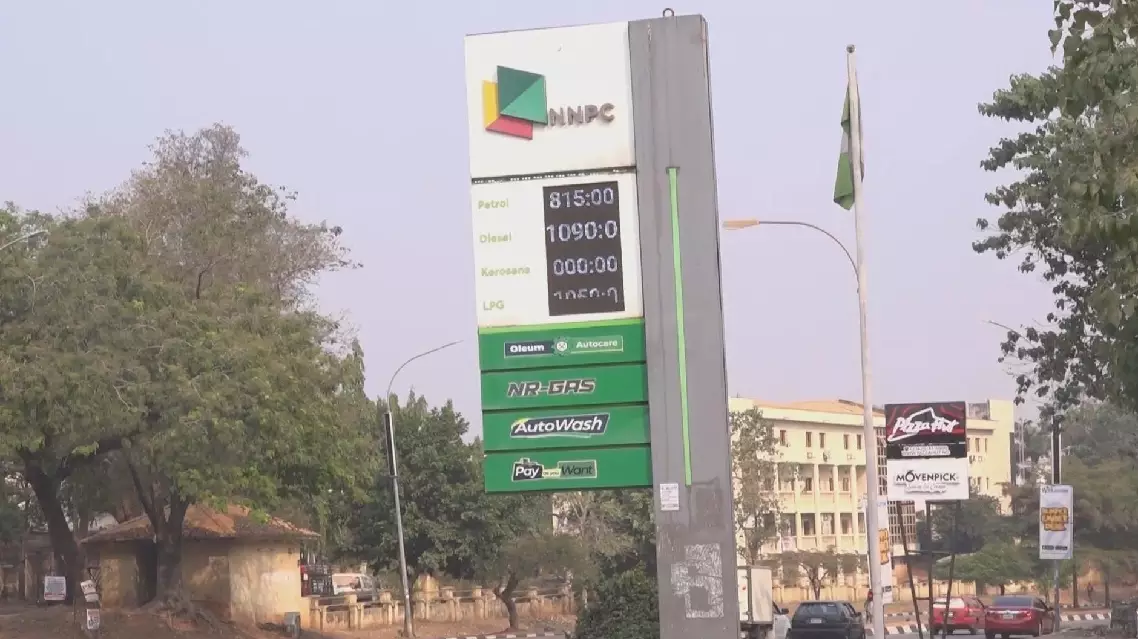
Nigeria petrol price cuts ease living costs, raise durability concerns