The Development Index of Small and Medium-Sized Enterprises (SMEs) in China edged up 0.1 points to 89.0 in the fourth quarter of last year, according to data released by China Association of Small and Medium-Sized Enterprises (CASME) on Sunday.
In the fourth quarter, both the comprehensive business index, which indicates the overall conditions for enterprises, and the market index, which reflects the supply and demand for enterprise orders, production sales and inventory, rose by 0.1 points from the previous quarter.
The industrial and social services sectors showed the strongest performance during this period, according to the CASME.
"The industrial and social service sectors saw improvements in production, orders, sales, costs and other related areas. Significantly improved market demand and accelerated economic circulation are enhancing the performance of those industries," said Ma Bin, executive vice president of the CASME.
The development prospects for SMEs remained stable in the fourth quarter, as the market demand rebounded and corporates' economic impact and investment intentions remain sustainable, according to the association.
Among the eight major categories of industries of the national economy, five sectors, namely industry, construction, real estate, retail and wholesale, and information transmission and software, experienced a decline in their cost index, which demonstrated alleviated cost pressures on businesses.
The operating rate of SMEs also improved in the fourth quarter. Among them, the proportion of enterprises in full operation reached 39.4 percent, up 6.7 percentage points from the third quarter.

China's SME development index edges up in Q4
China's SME development index edges up in Q4
Authorities on the Chinese mainland have put forward a package of 10 policies and measures to boost exchanges and cooperation across the Taiwan Strait.
The Taiwan Work Office of the Communist Party of China (CPC) Central Committee unveiled the package on Sunday, saying it aims to advance the peaceful development of cross-Strait relations and enhance the kinship and well-being of compatriots on both sides of the Strait.
The announcement came as a delegation from the Chinese Kuomintang (KMT) party, led by its chairwoman Cheng Li-wun, is wrapping up a mainland visit from Tuesday to Sunday.
Efforts will be made to explore the establishment of a regular communication mechanism between the CPC and the KMT, and an institutionalized platform will be set up to promote two-way exchanges between young people from the two sides of the Taiwan Strait, the office said in a statement.
Steps will be taken to push the coastal areas of Fujian Province -- the mainland province closest to Taiwan -- to share water, electricity, and gas supplies with Kinmen and Matsu, and promote the construction of sea-crossing bridges linking the two areas, when conditions permit.
The mainland will fast-track the full resumption of regular direct flights across the Taiwan Strait, including flights to and from mainland cities of Urumqi, Xi'an, Harbin, Kunming and Lanzhou.
Kinmen will be supported to use the new airport built in its adjacent city of Xiamen in Fujian Province.
A communication mechanism will be set up on the common political foundation of adhering to the 1992 Consensus and opposing "Taiwan independence" to facilitate the entry of Taiwan's agricultural and fishery products that meet the quarantine standards into the mainland.
The mainland will explore building wharves and berths in regions where conditions permit for distant-water fishing vessels from the Taiwan region, and mull providing convenience for the sale of their fish catch on the mainland, according to the statement.
It will also facilitate registration procedures for qualified Taiwan food manufacturers and the entry of their food products into the mainland market.
According to the statement, the mainland will explore the establishment of more trading markets for small-ticket items with Taiwan, and support micro, small and medium-sized enterprises from Taiwan to expand business on the mainland.
The statement noted that qualified TV shows, documentaries and animations from Taiwan can be aired on the mainland, adding that people from Taiwan can participate in micro drama production on the mainland in various forms.
The mainland will also promote the resumption of individual tours for Shanghai and Fujian residents to Taiwan, the statement said.
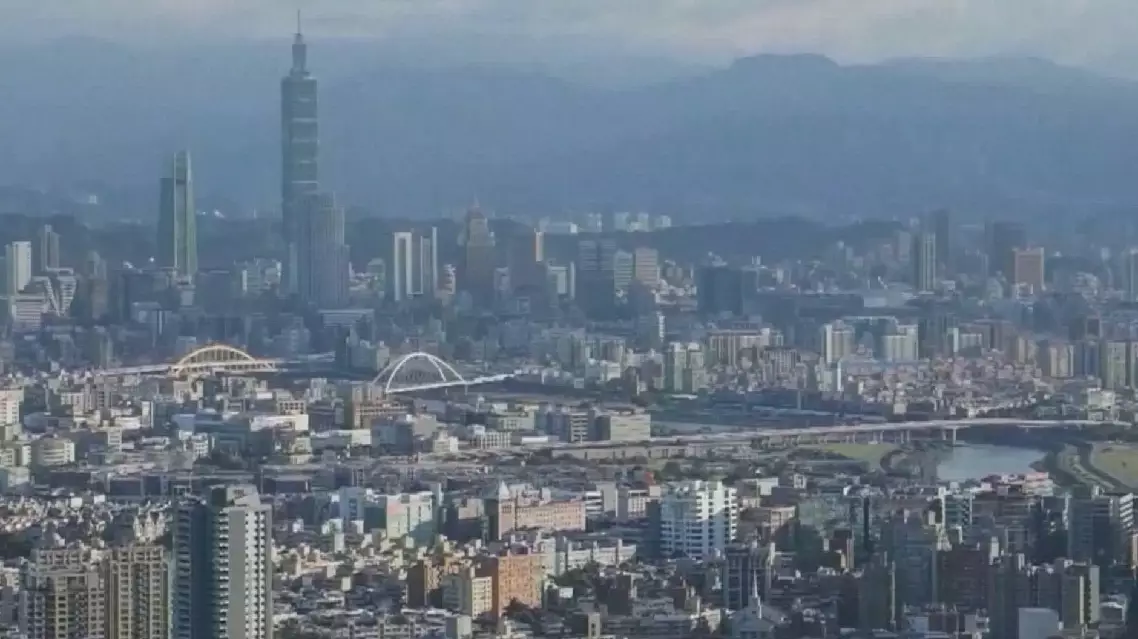
Mainland unveils package of policies, measures to boost ties with Taiwan