Several French politicians have raised concerns over the United States' decision to withdraw from the Paris Agreement on climate change, saying this decision may worsen the current climate situation and intensify global tensions.
U.S. President Donald Trump signed an executive order on Monday announcing the country's intention to withdraw from the Paris Agreement. The move means the U.S. will withdraw from the climate accord for the second time, with Trump having previously exited the country from the agreement during his first term in office.
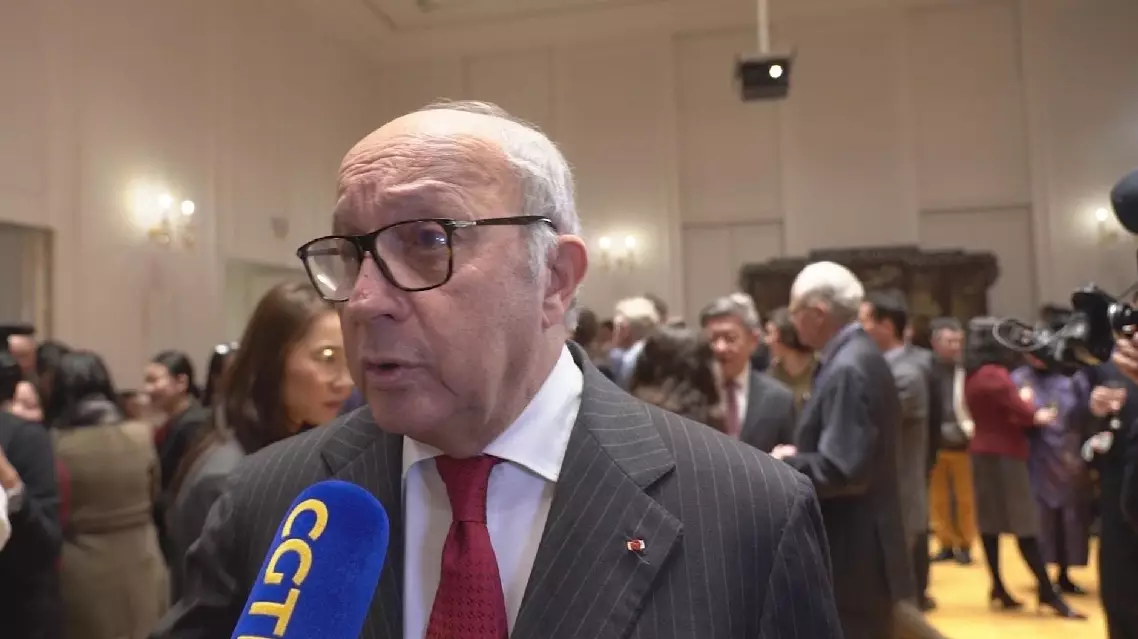
Laurent Fabius, President of the Constitutional Council of France, spoke to China Global Television Network (CGTN) about his surprise at Trump's decision, which he felt was not only unexpected but also poorly timed, given the urgent situation with the wildfires in Los Angeles.
"We clearly understand that when we see the disasters happening everywhere, if we don't fight climate change, it will only get worse. And I imagine you will be struck, as I am, by the fact that at the very moment when terrible wildfires are raging in Los Angeles, largely due to climate disruption, it is still quite surprising, to put it diplomatically, that this is the moment when President Trump decides to pull out of the Paris Agreement, contrary to what all scientists are saying. It's not a matter of goodwill or bad will; it's a reality of science, that's all," said Fabius.
Jean-Pierre Raffarin, former Prime Minister of France, echoed similar concerns, stating that the Trump administration's decision ignores the collective interests of the global community and will likely exacerbate tensions worldwide.
"I believe that withdrawing from agreements is something dangerous because we need more agreements, and if we start destroying the agreements we have built, we risk making the world even more tense. I believe that we must think about the planet and our community of shared destiny, and it is very dangerous to think that we can solve problems on our own. When we solve problems on our own, we are solving them against others. In fact, we must solve them together, and we will only address issues like climate change today by working together," he emphasized.
French politicians raise concerns over Trump's withdrawal from Paris Agreement
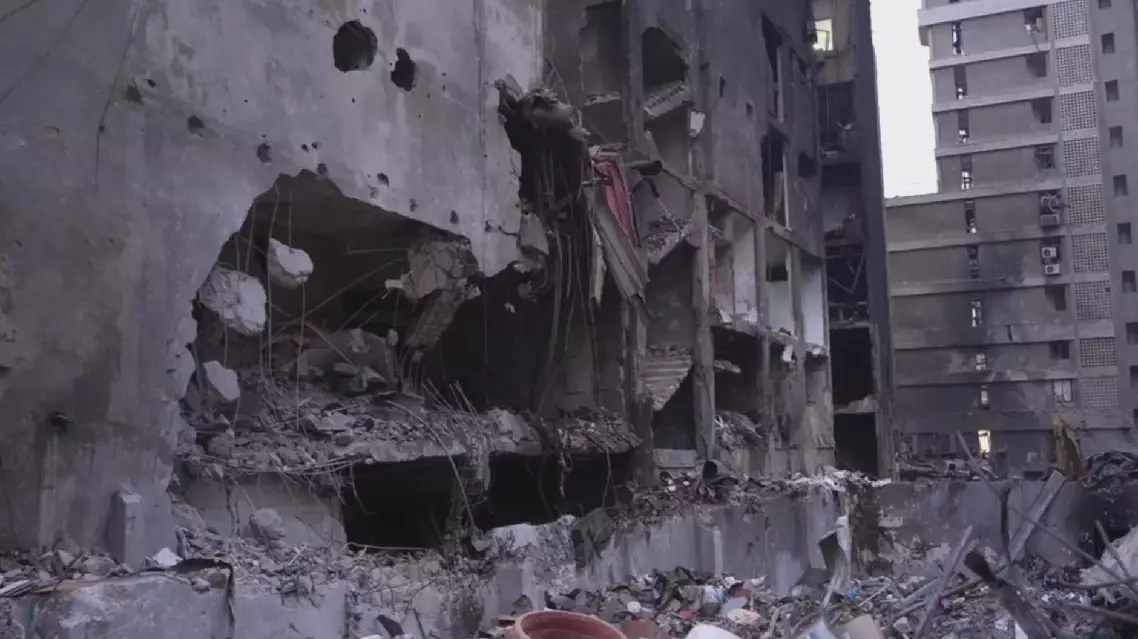
Lebanon's Health Ministry said Saturday that Israeli strikes during the latest round of fighting have killed 2,020 people and wounded 6,436 others since hostilities escalated.
The ministry said the toll reflects cumulative casualties recorded across multiple regions amid continued Israeli airstrikes and cross-border exchanges of fire.
On Saturday, the Israel Defense Forces (IDF) said that Israeli forces engaged in close-range firefights with Hezbollah militants, striking multiple targets and killing several militants while seizing various weapons. In the past 24 hours, the IDF targeted over 200 Hezbollah sites within Lebanon and continued to target Hezbollah rocket launchers to prevent attacks against Israel.
Additionally, the IDF's Home Front Command has tightened public safety guidelines, suspending or limiting educational activities in border communities, Upper Galilee, and Haifa Bay, while also restricting the size of gatherings in those areas.
Hezbollah, in its statement, claimed that its operations in southern Lebanon continued, attacking Israeli tanks and personnel. The group also targeted Israeli military infrastructure, soldiers, and vehicles in northern Israel.
The escalation followed renewed hostilities involving Hezbollah, which said it launched rockets from southern Lebanon toward Israel on March 2 for the first time since a ceasefire on Nov. 27, 2024. The exchange prompted Israel to expand its military campaign across Lebanon.
Lebanon has since been hit by sustained strikes in several areas, with fighting spreading beyond border regions into other parts of the country.
Iran and the United States agreed to a ceasefire on Wednesday. Israel said it would abide by the truce but argued the agreement does not apply to Lebanon. That assertion was rejected by Iran and by mediator Pakistan.
Israeli Prime Minister Benjamin Netanyahu said Saturday that the disarmament of Hezbollah is a prerequisite for any ceasefire agreement with Lebanon.
In a video statement, he said Lebanon had approached Israel several times over the past month seeking to begin direct talks following Israeli military actions.
"I approved this, subject to two conditions: we want to achieve the disarmament of Hezbollah, and we want a real peace agreement that will last for generations," Netanyahu said.
Death toll from Israeli attacks in Lebanon reaches 2,020