China's new tax policies aimed at stabilizing the real estate market have resulted in 11.69 billion yuan (about 1.6 billion U.S. dollars) in tax reductions and exemptions in their first month of implementation, according to data released Saturday by the State Taxation Administration.
The tax measures, which took effect on Dec. 1, 2024, cover three key areas: expanded deed tax benefit, second home purchase incentives and value-added tax exemption.
The floor area threshold for homes eligible for the lower one percent deed tax rate has been increased from 90 to 140 square meters. This change accounted for 6.5 billion yuan (897 million U.S. dollars) in tax cuts and benefited over 1.4 million homebuyers.
These homebuyers accounted for 89.4 percent of all receiving deed tax breaks, a 14.4 percentage-point increase from before the policy went into effect.
Beijing, Shanghai, Guangzhou and Shenzhen have offered deed tax benefits for second home purchases, resulting in 2.58 billion yuan (356 million U.S. dollars) in tax reductions. The policy affected 35,974 homebuyers across the four cities, with Shanghai seeing the largest impact at 940 million yuan (129.7 million U.S. dollars) in cuts for 15,572 homebuyers.
For individuals selling their homes in the four cities that have been owned for at least two years, there is no longer a distinction between ordinary and non-ordinary residences, and value-added tax is uniformly exempted.
This led to 2.61 billion yuan (360 million U.S. dollars) in new tax exemptions for previously non-ordinary residences, with the number of home transactions in these cities jumping 71 percent in December 2024 from the previous month.
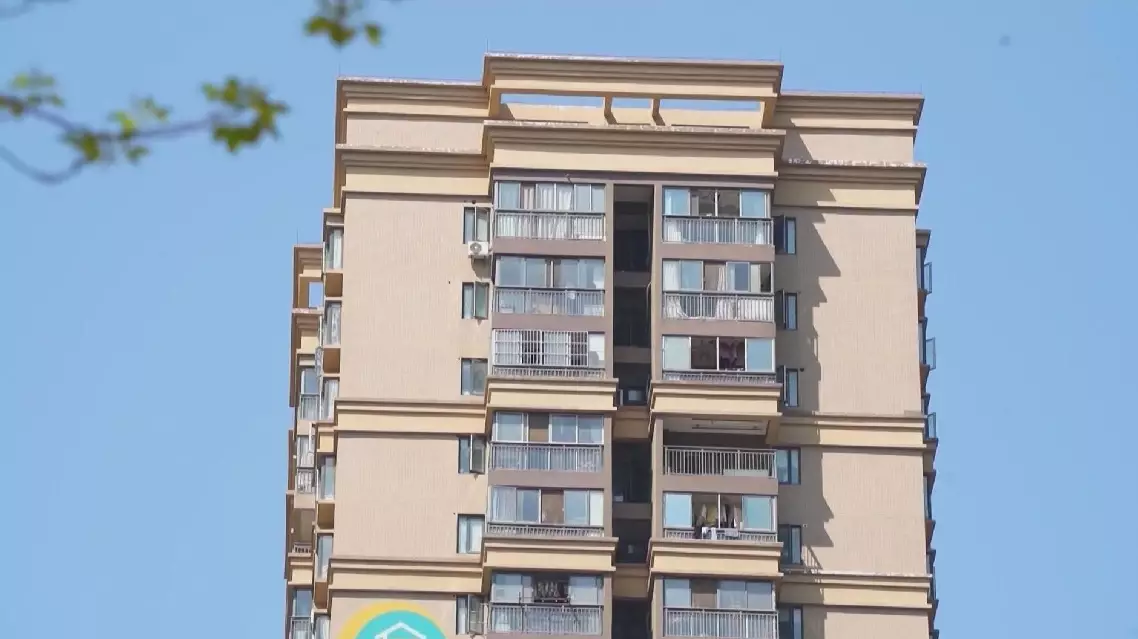
China's new real estate tax policies yield significant tax cuts, exemptions in first month