The 9th Asian Winter Games, which kicked off on Friday in Harbin, northeast China's Heilongjiang Province, has created a boom in winter tourism and sports, attracting more Chinese people to participate in winter activities.
Despite the freezing temperatures, tens of thousands of visitors have flocked to the "ice city" to experience its unique charm.
"We are from Fujian Province. It's our first time here and seeing snow, and we feel that this trip has been really worthwhile and we're very happy," said one visitor.
"Seeing the snow is so exciting. It's cold outside, but my heart feels warm," another visitor shared.
The "ice city" is beautifully adorned with decorations featuring various elements of the Games, offering tourists wonderful opportunities to take memorable selfies.
In a licensed merchandise store for the Games, a wide range of creative products, including fridge magnets, badges, and mugs, are on display. Shoppers continue to pour in, eager to make their purchases.
"Currently, our store offers over 1,700 kinds of products. In terms of design, we've incorporated elements unique to northeast China, such as ice spinning tops, red sausage, and blueberry juice. Some of our best-selling items are already running low, with sales soaring to five or six times higher than before," said Gao Fei, the store manager.
Data from the Chinese online life service provider Meituan reveals that orders for Games-related tourism packages soared by 388 percent over the previous year. Meanwhile, inbound travel orders to Harbin increased by 157 percent, with significant growth in visitors from Russia, the United States, Hungary, South Korea, Thailand, and other countries, according to data from the Chinese online travel platform Ctrip.
Local specialty restaurants have also seen a surge in popularity among consumers.
"There are jujube tea and ginger tea. If you're bringing kids along, you can enjoy some jujube tea to warm up," said a customer.
"Our restaurant serves over 150 tables of guests every day, and during peak hours in the evening the waitlist can be quite extensive, with diners often waiting behind more than 50 other tables to be seated," said Yang Limei, manager of a Harbin restaurant.
An ice rink has also seen a surge in visitors, even though the weeklong Spring Festival holiday just ended on Tuesday.
"I just took a 4-hour ice skating lesson. I really want to participate in the Asian Winter Games in the future and become a figure skater," said a young skater at the rink.
China's northernmost city, Mohe, has also attracted many tourists eager to experience ice and snow sports.
"Since Heilongjiang is hosting the Asian Winter Games, I came to Mohe specifically to experience skiing. The thrill of skiing down from the top was absolutely exhilarating," said a tourist.
According to Meituan, group-buying orders for ice and snow sports in Harbin, including skiing, ice skating, and curling, have increased by 93 percent since the beginning of this month, with significant growth in participation from youth groups.
"My skiing skills have improved. My edge control is better than before, and I enjoy snow sports even more now. I've developed a deeper love for ice and snow," said Deng Changda, a young skier.
Heilongjiang will host alpine skiing competitions, ice lantern and ice sculpture contests, and ice engraving competitions to engage millions of young people in winter activities.
Running from Feb 7 to 14, under the theme "Dream of Winter, Love among Asia," the 9th Asian Winter Games is set to be the largest in history, with over 1,200 competitors from 34 countries and regions taking part in 64 events across 11 winter sports disciplines.
This is the third time China has hosted the regional Games, and Harbin's second time as the host city, having previously staged the event in 1996. It is also the first major international ice and snow event in China since the 2022 Beijing Winter Olympics.
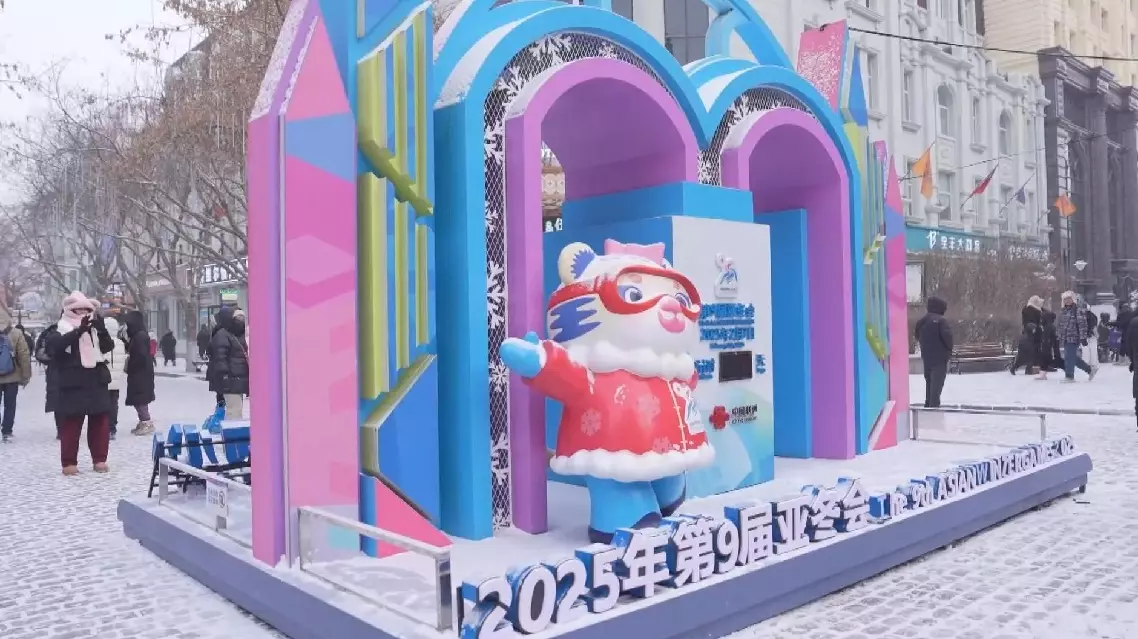
Asian Winter Games spark tourism boom in host city Harbin
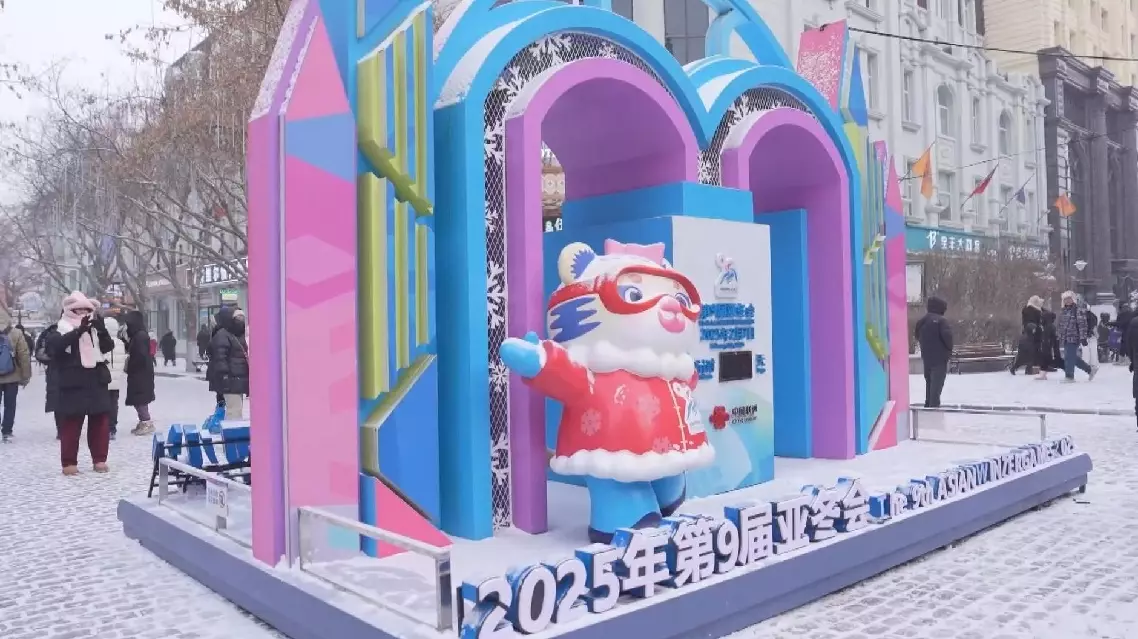
Asian Winter Games spark tourism boom in host city Harbin