As the Asian Winter Games come to a close in northeast China's Harbin, a unique cultural exhibition is leaving a lasting impression on athletes, showcasing the best of traditional Chinese arts.
With over 1,200 athletes from 34 Asian countries and regions participating, this year's Asian Winter Games has set a record for the highest number of participating countries and athletes.
In the Athletes' Village in Harbin, an engaging intangible heritage exhibition has attracted athletes keen to experience China's rich cultural traditions.The exhibition features iconic cultural elements from Heilongjiang Province, such as paper-cutting and shadow puppetry.
Among those mesmerized by the artistic displays was Indian speed skater Anubhav Gupta, who, along with his teammates, eagerly participated in the hands-on heritage activities.
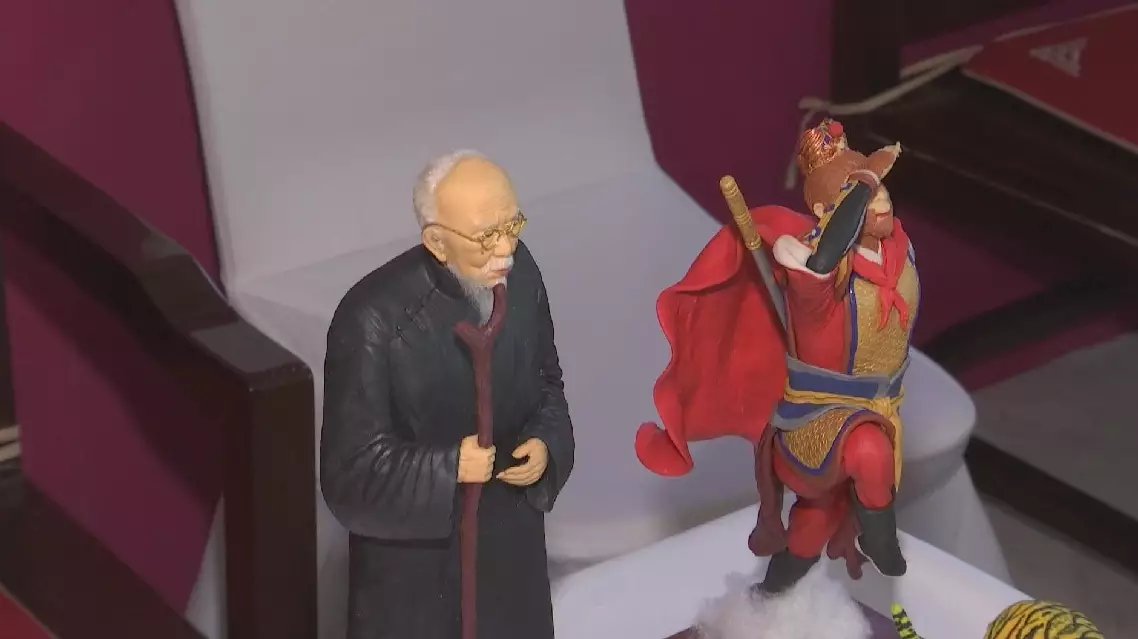
Flour figurine sculpting, a traditional Chinese craft, was a major highlight. Made from flour and glutinous rice powder, with natural coloring from honey and edible pigments, these intricate figures fascinated the athletes. Guided by heritage artisans, Gupta and his teammates carefully molded their own creations.
"[It is] very pretty because we did really hard work to make this," said Indian speed skater Anubhav Gupta.
While India has its own clay sculpting traditions, making figures from flour was an entirely new experience for them.
Adding to the cultural spectacle, performers from the Harbin Shadow Puppet and Puppet Theater brought their stage to the Athletes' Village. Set against a dreamy backdrop of Harbin Ice and Snow World, they performed a graceful winter ice ballet to the tune of the classic song I Love You, Snow of the Northern Frontier.
With skilled manipulation, the shadow puppets elegantly glided across the screen, portraying the beauty of ice skating. Gupta and his teammates watched in fascination, deeply engaged in the performance.
The intangible cultural heritage exhibition was not just for athletes. Coaches, media personnel, and international guests also took part in various activities, including ice board painting, seal carving, and traditional Chinese calligraphy.
This cultural dimension transformed the Asian Winter Games into more than just a sporting event—it became a grand celebration of heritage and artistry.
Shi Zuoxi, a skilled master of flour figurine sculpting, emphasized the significance of this cultural exchange, highlighting its role in promoting cross-cultural understanding.
"Taking advantage of the Asian Winter Games, we hope to bring our intangible cultural heritage and traditional crafts to the world. Our foreign friends have shown great appreciation for China's traditional craftsmanship. Many international visitors have personally experienced it this time, and they also admire and highly praise it," he said.
Athletes experience China's vibrant culture at Asian Winter Games