The Standing Committee of the National People's Congress (NPC) outlined its tasks in 2025 at the second plenary meeting of the third session of the 14th NPC on Saturday.
Zhao Leji, chairman of the NPC Standing Committee, delivered a report on the work of the NPC Standing Committee to the meeting.
Noting that the year 2025 marks the conclusion of the 14th Five-Year Plan (2021-2025), Zhao urged steady progress in pursuing high-quality development in NPC's work.
He called on ensuring constitutional implementation and strengthening compliance oversight, vowing to improve the systems ensuring comprehensive implementation of the Constitution and establish a system for reporting on its implementation.
Zhao underscored the need to advance high-quality legislative work.
"We must advance high-quality legislative work. We must implement the requirements for deepening reform in legislation. We plan to deliberate 34 bills this year. We will formulate a law on promoting the private sector, and a law on promoting ethnic unity and progress. We will revise the Organic Law of Villagers' Committees and the Organic Law of Urban Residents' Committees, the Foreign Trade Law, and the State Compensation Law. We will continue with the compilation of an environmental code. We will also initiate the review and overhaul of laws in specific areas," said Zhao.
Zhao vowed to conduct effective oversight to serve the overall national interest, adding that 37 oversight programs have been prepared for this year.
He underscored the need for fully leveraging the roles of NPC deputies, saying that the revised Law on Deputies to the National People's Congress and Local People's Congresses at All Levels will be implemented, and public input will be collected through working mechanisms. The deputies' feedback and suggestions will be carefully examined, and the deputies are encouraged to engage the people on a broader range of issues and in more diverse forms, he said.
The NPC will continue to coordinate and promote further foreign exchanges at all levels, and hold seminars for parliamentarians from developing nations, according to Zhao.
He also highlighted the construction of people's congresses to constantly improve the quality of the work.
"Fellow deputies, let us unite even more closely around the Central Committee of the Communist Party of China with Comrade Xi Jinping at its core, remain true to our original aspirations, keep our missions firmly in mind, forge ahead with unwavering confidence and determination, faithfully fulfill our constitutional and legal functions, and successfully uphold, improve, and implement the people's congress system on the new journey in this new era. Together, we will strive to build a great country and achieve national rejuvenation on all fronts through Chinese modernization," said Zhao.
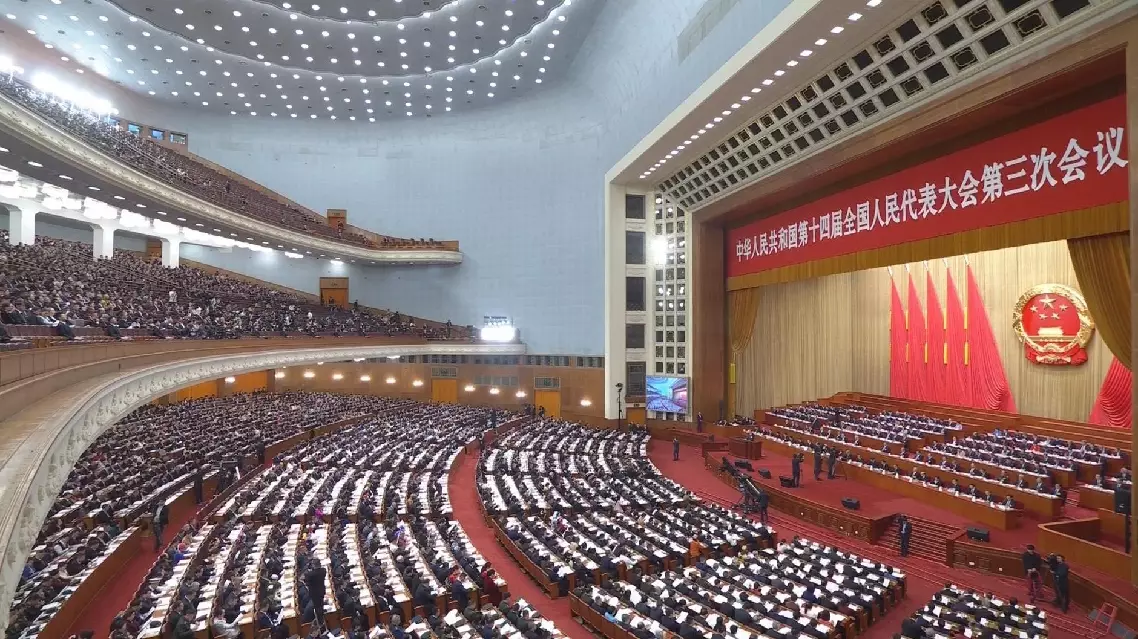
China's national legislature outlines tasks for 2025
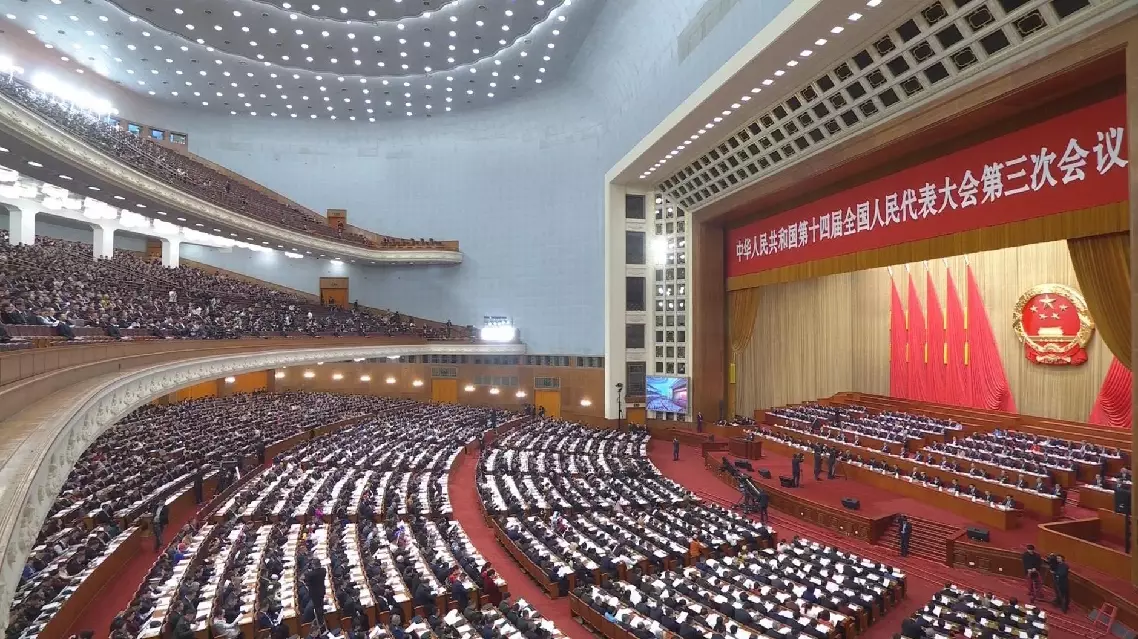
China's national legislature outlines tasks for 2025