Slovakia's auto sector is bracing for a big impact from U.S. President Donald Trump's unprecedented tariffs on imported cars and parts, a move potentially putting thousands of jobs at risk in a country which has been one of Europe's largest exporters of automobiles to the United States.
The Trump administration's long-feared 25-percent tariff on all imported vehicles takes effect on Thursday, and with additional tariffs on auto parts also scheduled, the global auto sector is now expecting to suffer.
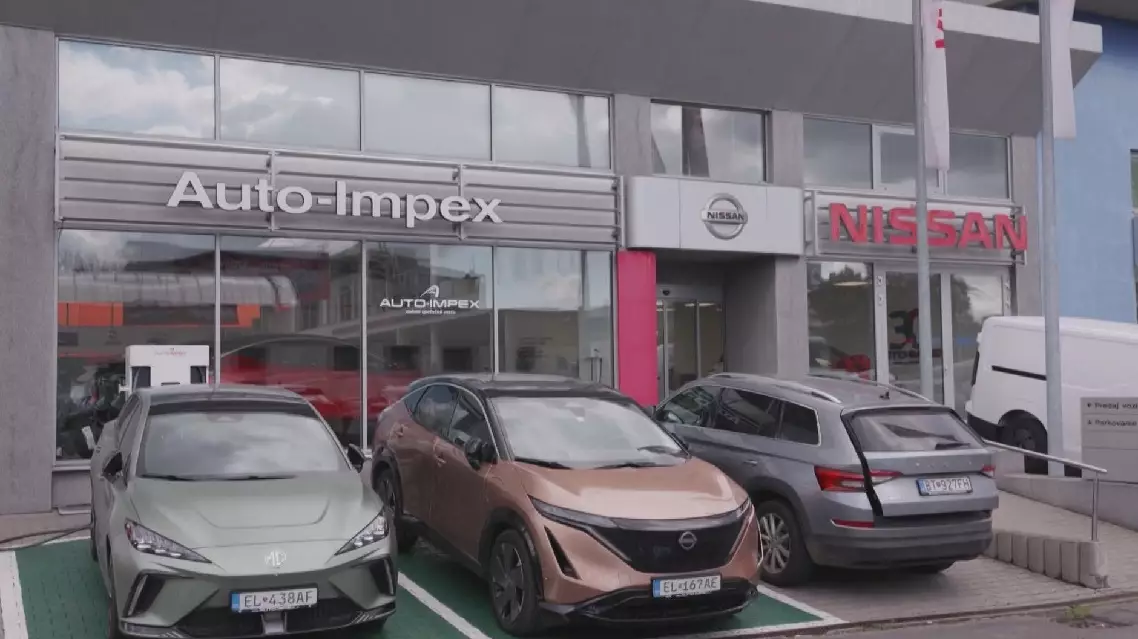
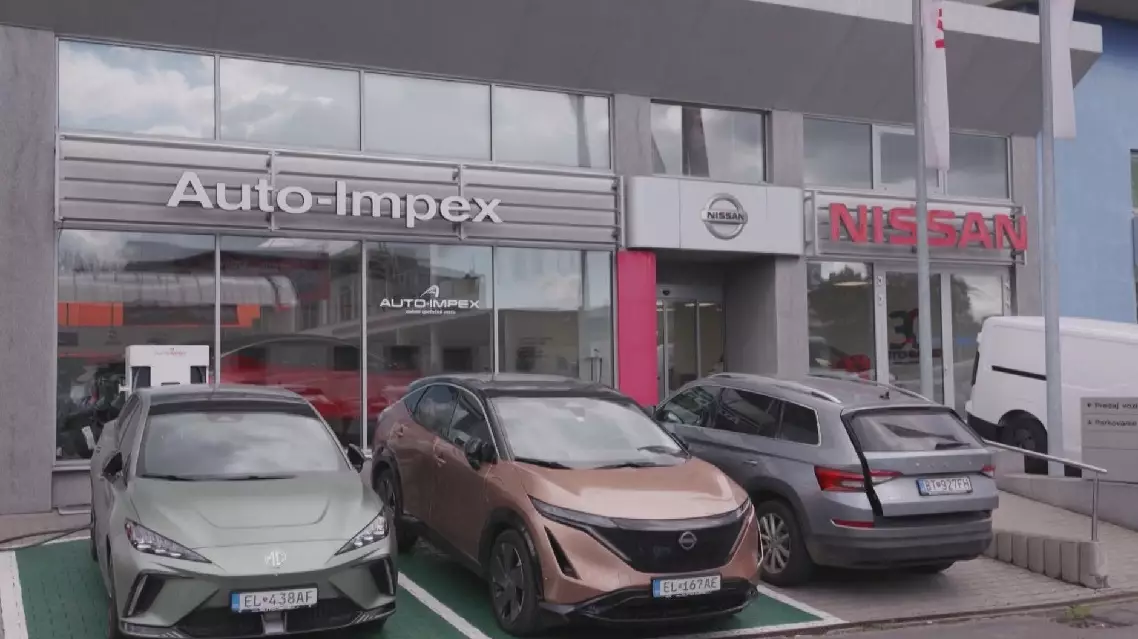
The trade measures are bad news for the Bratislava-based Auto-Impex, which has been one of the leading dealers in the Slovakian car business for over three decades. But despite the company's long heritage, CEO Peter Hron says he now sees an uncertain road ahead.
"The industry is going to struggle due to the tariffs, that's for sure. The thing is that we have one of the most productive plants in the European Union. However, it is a huge seismic shift that will go through the whole economy of Slovakia," said Hron.
Despite being a relatively small landlocked country, Slovakia reportedly produces more cars per capita than any other nation in the world, and is one of the European continent's top car exporters to the U.S, with workers assembling the Porsche Cayenne and Audi Q7 in local factories.
However, the U.S. tariffs are likely to pose a major threat to the local workforce. Alexander Matusek, President of the Slovak Automotive Industry Association, warned that up to 20,000 jobs could now be in danger, though he said he is hopeful a solution can be found.
Hron said that auto sales in Slovakia have already slowed down, noting he has seen a more than 25-percent drop in registrations ahead of the tariffs taking effect.
With Slovakia's auto industry accounting for nearly 44 percent of its entire industrial output, economists worry a potential trade war with the United States could have serious consequences.
"I remember the global economic crisis of 2008 and 2009, which was really bad, and cars were not selling. It eventually translated into a more than 5-percent GDP drop. So if something like this happens, it will translate into economic problems," said local economist Tamas Dudas.
Many firms are already taking steps to lessen the impact, and Hron and his team say they are now looking at strengthening other areas of their business to weather the tariff storm.
"The fact is that we are expanding our used car business, which is always the best thing, because people will need cars, but they will go for a lower entry price. We are also introducing new brands which are much more independent and more flexible," he said.
Slovak auto industry braces for big impact from Trump tariffs
Slovak auto industry braces for big impact from Trump tariffs