U.S. tariffs have cast a shadow over Italy's wine industry, sparking urgent calls from exporters for swift action from the Italian government and European Union to tackle escalating challenges in this key international market.
Italian winemakers, who view the U.S. as a critical export destination, have raised strong concerns about rising costs following President Donald Trump’s announcement of a "reciprocal" 20 percent tariff on EU goods.
Once the tariffs take effect, the price of wine exported from Italy to the U.S. will rise accordingly. According to Lamberto Frescobaldi, chairman of the Italian winegrowers' association Unione Italiana Vini (UIV), Italian wine revenues could fall by around 323 million euros (around 368 million U.S. dollars) per year due to the announced levies.
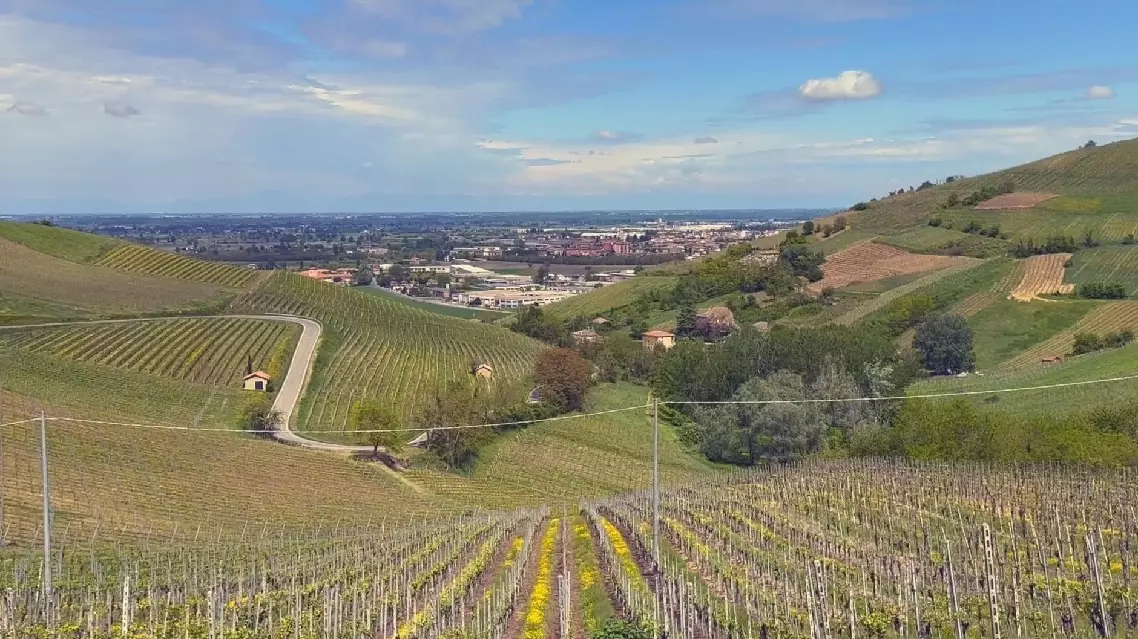
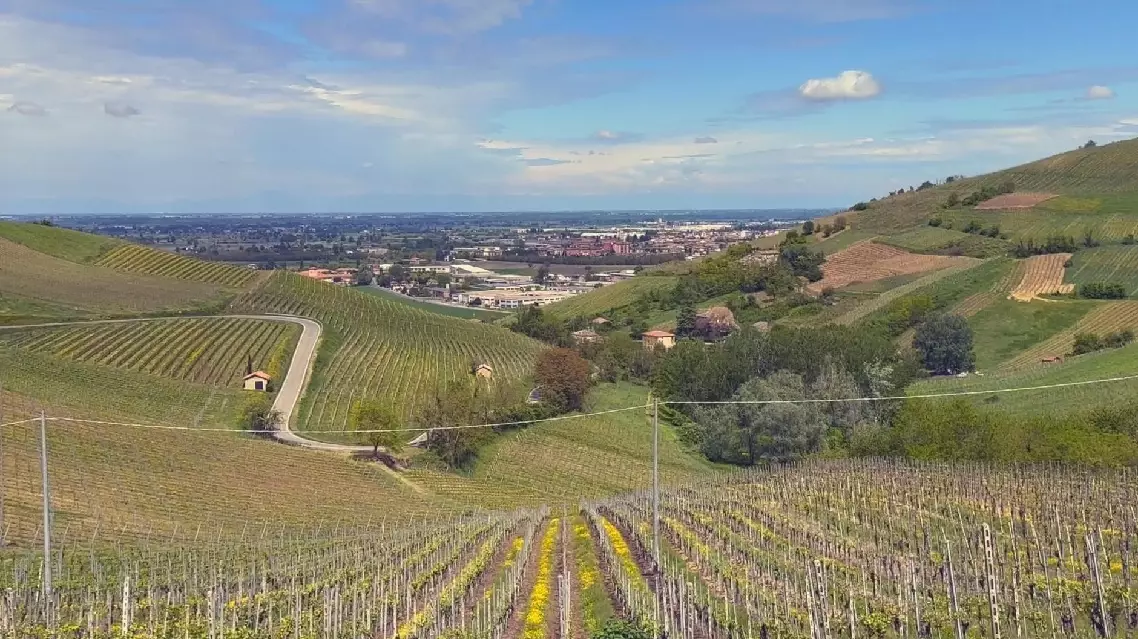
Ca'Montebello, located in the Oltrepo Pavese region of northern Italy, exports over 90 percent of its production to the U.S. Alberto Scarani, the third-generation heir of the family winery, noted that the recent U.S. tariff policy will significantly impact their market, adding that people are unwilling to pay more for inexpensive options.
"Ca'Montebello right now owns more than 45 hectares of land. And in total a year, we are making almost 300,000 bottles a year. So we are selling our wine abroad in many countries, China, Japan, [South] Korea, Australia, U.S., Canada, Brazil, Mexico and all over Europe. But the main buyer is in the U.S. that is buying more than 90 percent of the production. 90 percent of the production is a long range," said Scarani.
"As you know, in the last few months Trump was elected, and we know that we got some problem with the tariffs. So we just find out like a month ago, less than a month ago, how much was our tariff? For Italy, it was 20 percent. And it affected a little bit on my market and the final price at the store or in the restaurant. Before the tariff, if you sell the wine for 10 dollars, the maximum price that you can sell at the restaurant is going to be 50 dollars. In the middle, there are different stages, I'm talking about duties, shipment and importers and distributors and many other factors that are going to change the price. Before (the) tariff, it was going to the restaurant for less or more than 50 dollars. Now with 20 percent of tariff, it's going to go up to 60 dollars a bottle. So it's changing a lot, especially for the cheap wine. If you buy the wine for a year and half or something like that, the price is going to increase a lot, and people they don’t want to spend more money for cheap wine," he said.
He expressed hope that the EU would find a solution to the tariff challenges.
"So right now, I'm not going to go to the United States for the next three months until we find a solution with the tariffs. So I don't know what's going to happen at the moment, but still we're searching for a solution, and I hope that our politicians, our prime minister, can find a solution with the entire European community to find a solution for tariffs," said Scarani.
U.S. tariffs cast long shadow over Italy's wine export hopes
U.S. tariffs cast long shadow over Italy's wine export hopes