A revised travel ban introduced by the Trump administration has crushed the hopes of many Afghans who once worked alongside U.S. forces, leaving them stranded and uncertain about their futures.
A recent travel ban issued by the Trump administration, targeting citizens from 12 nations including Afghanistan, has left many in limbo, particularly former Afghan employees of the U.S. military who were promised safe relocation through the Special Immigrant Visa (SIV) program.
The White House claims the ban is meant to protect the United States from "foreign terrorists" and national security threats. But for many in Afghanistan, the move feels like a betrayal.
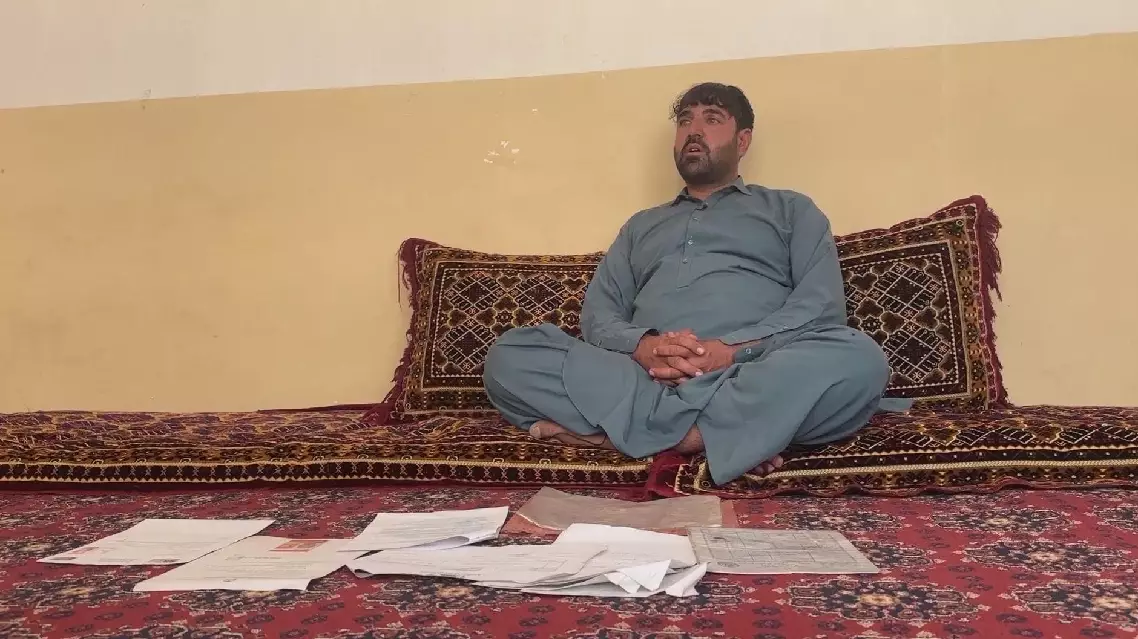
One such person is Zabihullah Jalili. Once risking his life alongside U.S. troops in Afghanistan at the Bagram Airbase, he now remains trapped in rural Kabul with little more than official documents that once symbolized hope.
"I'm 36 years old and a resident of Qalai Dana village in Kabul's Qarabagh district. I worked with the Americans from 2008 to 2012," Jalili said. "This is my ID card for the Bagram Airbase. Before hiring us, they conducted blood tests and interviews. Once accepted, we were issued this ID card, which was scanned every time we entered the base."
"These are the recommendation and HR letters they gave me, saying they would support me one day," he added.
Working alongside American troops was dangerous.
"We faced many difficulties and had to go to work secretly. I lived in constant fear and even received warning letters telling me to stop working with the Americans, as they were considered enemies of our religion," said Jalili.
He recounted the fate of a friend.
"A friend, also named Zabi, worked as a translator with the Americans at Bagram. One night, he was targeted. The Americans admitted him to a military hospital, but he died shortly after being discharged. He left behind young children in grief and poverty. Many others like him lost their lives during that time," said Jalili.
Jalili applied for a U.S. Special Immigrant Visa in 2021, but four years later, he is still waiting, with no answers and dwindling hope.
"I applied for the SIV program in 2021. It is now 2025. For four years, they’ve been advising us to ‘wait.’ How much longer should we wait?" he said. "We've been left in a state of uncertainty and despair. Many people have even ended their lives by committing suicide."
He expressed frustration at Trump's reversal of campaign promises.
"Before the election, Trump promised to evacuate all of us by plane. People were hopeful. But once elected, he reversed that promise, leaving everyone disheartened," he said.
The legal implications have drawn concern as well. Legal expert Abdul Shokor Dadras called the move a violation of human rights.
"This is a violation of their rights. These individuals have been crushed emotionally and economically. Many of them sold all their belongings. They lost their homes, and now they have nothing. The ones who made promises to them are responsible and should be held accountable under human rights laws," said Dadras.
Jalili, like many others, continues to face financial hardship and limited options.
"Some SIV applicants have turned to drugs. Others tried going to Pakistan but had to return and are now unemployed. Because of financial difficulties, many could not travel to a third country and remain stuck in Afghanistan. We now see the U.S. as dishonest. They did not keep their promises," said Jalili.
Despite all, Jalili calls on Afghanistan's current leadership to step up and protect its youth from despair.
"The U.S. betrayed us and left, but this government must now provide jobs and protect its youth," he said.
For now, however, the future remains uncertain for thousands of Afghans like Jalili, caught between shattered dreams once promised by the U.S.
Trump's travel ban blocks former Afghan allies from promised U.S. relocation