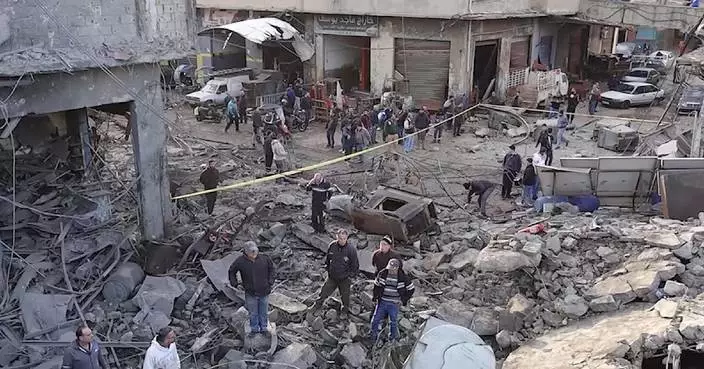
Syrian refugees have been returning home since the fall of Bashar al-Assad's government in December 2024, trying to rebuild their lives after 14 years of civil war and economic collapse.
Majed Habeeb, who had lived in Türkiye for the past seven years, returned to the ruins of his city to start over.
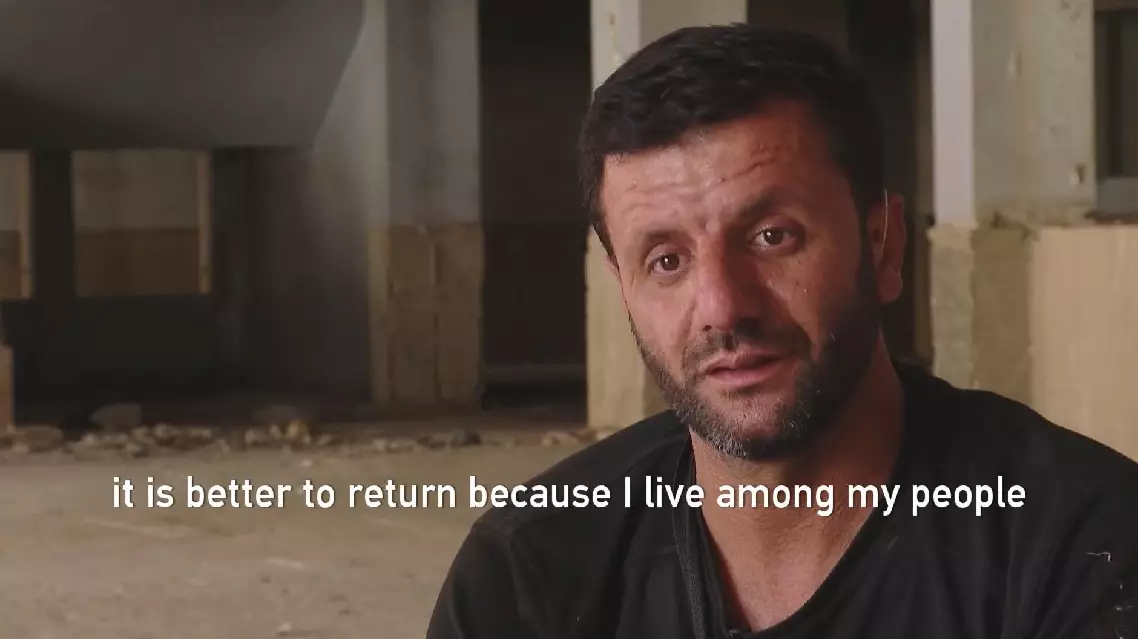
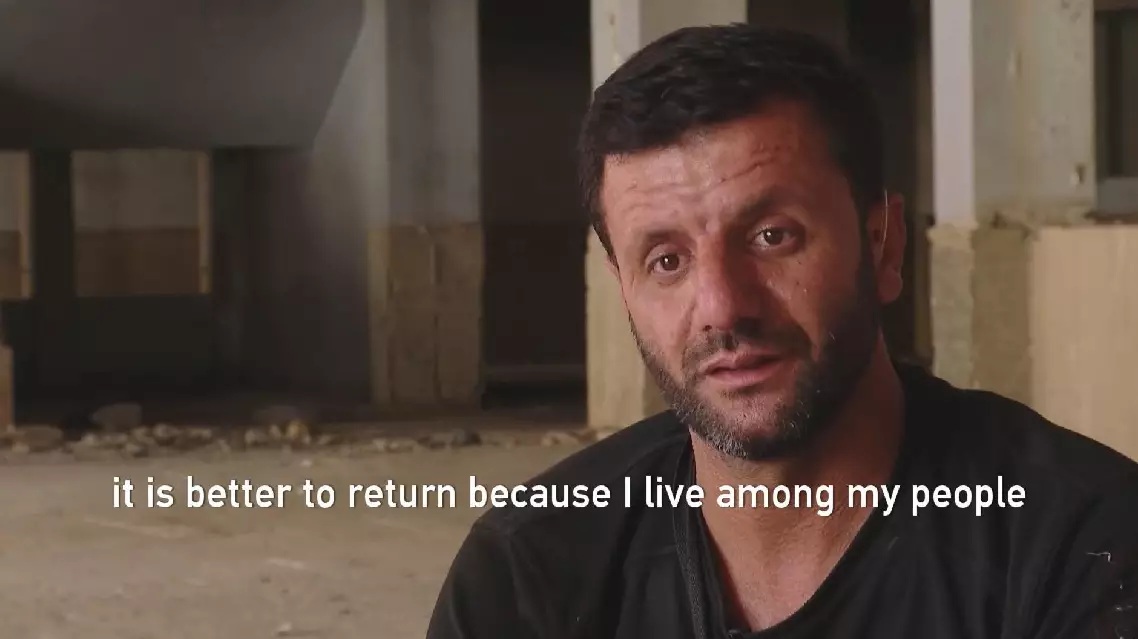
"For me, all the luxury life that I had when I was living abroad means nothing to me right now. Although I am facing a lot of difficulties here, but still, it is better to return because I live among my people. It is enough that I am no longer an expatriate," said Habeeb.
"I was raised in this city and lived outside it for seven years. When I first returned to the city, my feeling was indescribable. I lived and grew up here. I remembered my school, friends and my work," he said.
His house was damaged during the war, and Habeeb made great efforts to repair it with the little money he had.
"The house rental fees are too high, house rebuilding or even repairing are too high as well. When I first returned to my city, I had to find a house for shelter so I started repairing my house. I have repaired some of it, but it still needs repairing to be finished," he said.
The former refugee has proud memories of the job he used to have, but the war ruined his career.
"I work as a mechanic for Diesel engines, I got injured when a blast rocked a bus that I was in. All the people inside the bus were killed except me and one more person," he said.
"I lost my 75 percent of my hearing capacity in one ear and 50 percent in the other. For working in Diesel engines, I need good hearing to assess the faults by the sound. When the engine is too noisy, then I lost my focus totally. So, I basically lost my job after the injury," he said.
After losing his job, Habeeb began to work as a volunteer in the local community, helping to enhance the services.
"The basic work that I can do now is to volunteer in the civil society to help enhance the services in the city. The people are starting to return to Darayia as they see more services being activated. Every returnee wishes to contribute something to this city," he said.
Despite the hardship, Habeeb called for more refugees to return to rebuild their home.
"I hope all Syrian refugees return, our country is waiting for them. There is no better place than home. It is a duty of all of us to contribute in rebuilding the city," he said.
Habeeb's story reflects the struggle of millions of Syrians hoping to return to their homeland after years in exile. According to the UN refugee agency, Syria remains one of the world's largest displacement crises, with over 6.1 million people still living as refugees abroad and many more internally displaced.
Other returnees like Habeeb continue to face conditions far from dignified or sustainable. According to the Syrian Network for Human Rights (SNHR), an independent Britain-based organization founded in 2011 to monitor human rights violations in Syria, widespread destruction, the absence of public services, and a lack of government support remain the primary barriers to return for millions of displaced Syrians.
On this year's World Refugee Day, which falls on June 20, the SNHR reported that 500,000 refugees and 1.2 million internally displaced persons have returned home since December 2024, with most finding ruined infrastructure, high reconstruction costs, and no national reintegration programs.
The network called for a national recovery plan backed by the international community to ensure safe and voluntary refugee return, which prioritizes justice, infrastructure, and dignity -- all things still out of reach for many Syrians living among the rubble.
Syrian refugees return home to rebuild life on dust and dreams
Syrian refugees return home to rebuild life on dust and dreams