Rising temperatures and increasingly longer periods of drought are having a heavy impact on Europe's agriculture, with some farmers in Austria shifting to exotic crops that used to be unthinkable in the Alpine republic.
Josef Peck, a Vienna farmer, has installed shade cloths and painted his greenhouse roof white after noticing his tomatoes had stopped growing because of rising temperatures.
"So that we can make a shadow for our plants that the heat is not too high," he said.
He has also started growing new varieties this year to adapt to the hotter climate.
"We've tried tomatoes from countries like Israel or south Italy, which are more resistant against the heat," Peck said.
The European Union's agricultural sector currently loses 23 billion U.S. dollars a year due to adverse weather such as droughts, which is around 6 percent of total crop and livestock production, a share that is set to rise to a disastrous 66 percent by mid-century.
"So in future, farmers will have to rethink their jobs, because they might need to alternate their crops and think of other ways [of] how to supply their plants with water," said Theresa Schellander-Gorgas, a climate researcher of GeoSphere Austria.
In addition to water scarcity that threatens Europe's farmers, the heat also favors pest infestation which Josef Peck is trying to fight with beneficial insects like ichneumon wasps.
Meanwhile, climate change is leading to some short-term positive developments, according to Peck.
"Maybe at the moment, it's a little bit an advantage. So, we can grow new varieties, for instance melons. And we try to grow ginger, which was not possible five years ago," he said.
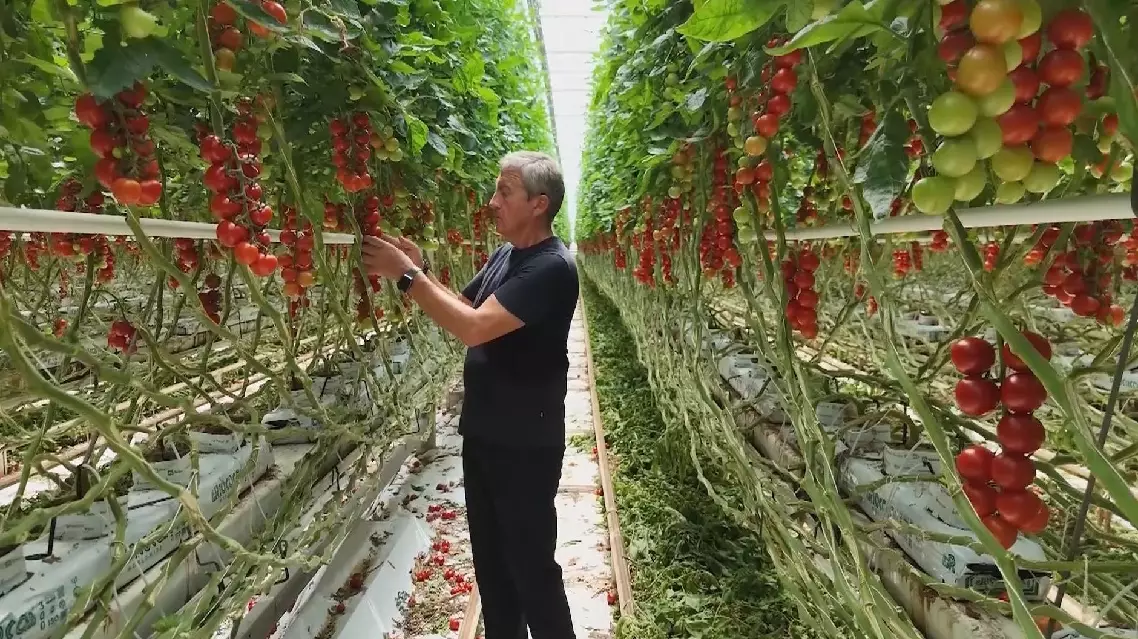
Austrian farmers shift planting to adapt to climate change
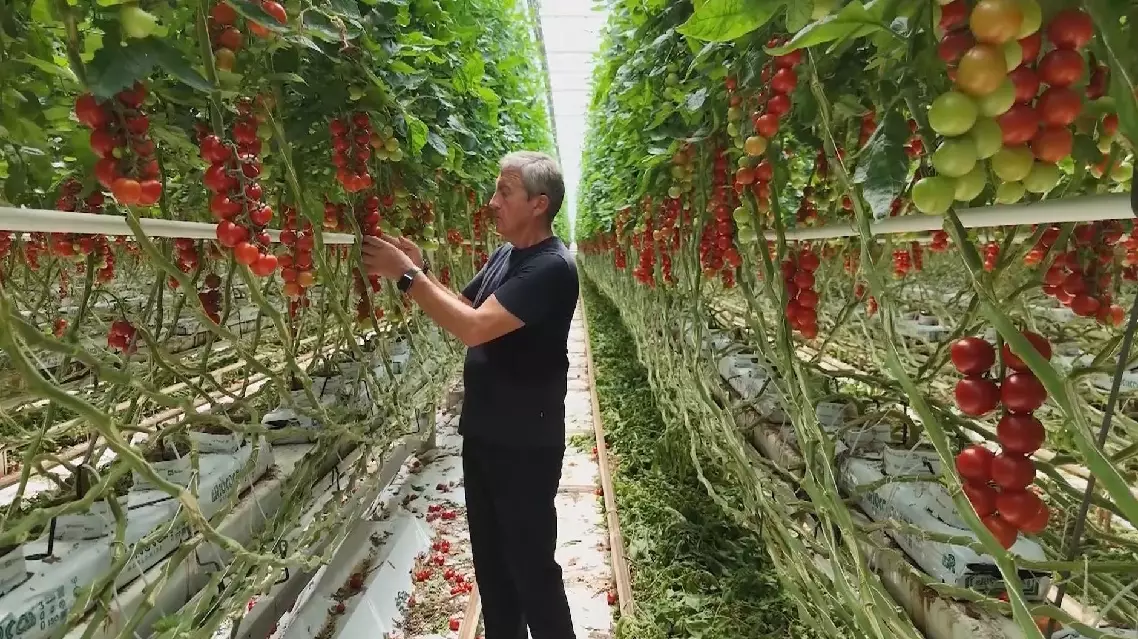
Austrian farmers shift planting to adapt to climate change
Austrian farmers shift planting to adapt to climate change
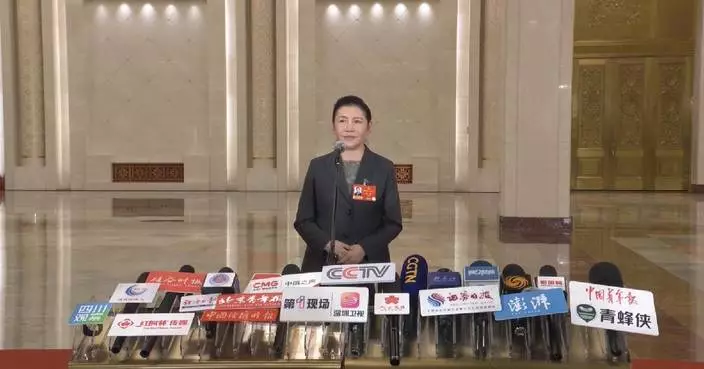
China has made new progress in the high-quality development of its marine economy, with the ocean increasingly serving as a new driver of growth, Minister of Natural Resources Guan Zhi'ou said in Beijing on Thursday.
Guan briefed the media on China's new achievements in marine development, utilization and protection in a ministerial interview after the closing meeting of the fourth session of the 14th National People's Congress (NPC), China's top legislature, in Beijing.
"In 2025, the gross ocean product exceeded 11 trillion yuan (about 1.60 trillion U.S. dollars), accounting for 7.9 percent of GDP. Industries such as shipbuilding and offshore engineering equipment, offshore wind power, and marine fisheries rank among the top in the world. Marine drugs independently developed by China accounted for 28 percent of the global market share, while output value from marine energy and seawater desalination continued to expand. In order to make our ocean more beautiful and better protect the marine environment, we have always been committed to strictly controlling new land reclamation from the sea, with the retention rate of natural coastline exceeding 35 percent. The mangrove area has reached 4.75 million mu (about 316,666.67 hectares), maintaining a continuous growth momentum. We established the Huangyan Dao national nature reserve to strengthen the protection and restoration of important ecosystems such as coral reefs," he said.
Guan said China's blue circle of friends continues to expand. The country has become one of the first signatories to the agreement on marine biodiversity conservation, and has signed blue economy cooperation agreements with more than 50 countries and international organizations, while also conducting joint polar and ocean scientific expeditions with multiple countries.
Those achievements demonstrate not only industrial expansion, but also a stronger emphasis on ecological stewardship and openness to international cooperation, and the next stage will focus on consolidating existing gains while aligning with the goals and tasks set out in the 15th Five-Year Plan (2026-2030), the minister said.
"On the basis of consolidating the above achievements, we will, in accordance with the goals and tasks set out in the 15th Five-Year Plan (2026-2030), accelerate the high-quality development of the marine economy. In practice, we will place greater emphasis on innovation-driven growth by launching and implementing major national science and technology programs to comprehensively enhance deep-sea sensing, exploration and development capabilities. We will pay more attention to efficient coordination by further optimizing the spatial layout of major bays through integrated land-sea planning and building new growth poles. Industrial upgrading will be stepped up by vigorously developing emerging sectors such as deep-sea equipment and the blue medicine bank and fostering new engines of growth," Guan said.
"We will also place more emphasis on harmony between people and the sea, carefully safeguard blue sea and silver beaches, and make cruise travel and sea fishing new trends in cultural tourism consumption. More attention will be paid to win-win cooperation by expanding marine cultural exchanges to build a community with a shared future for the ocean," he said.
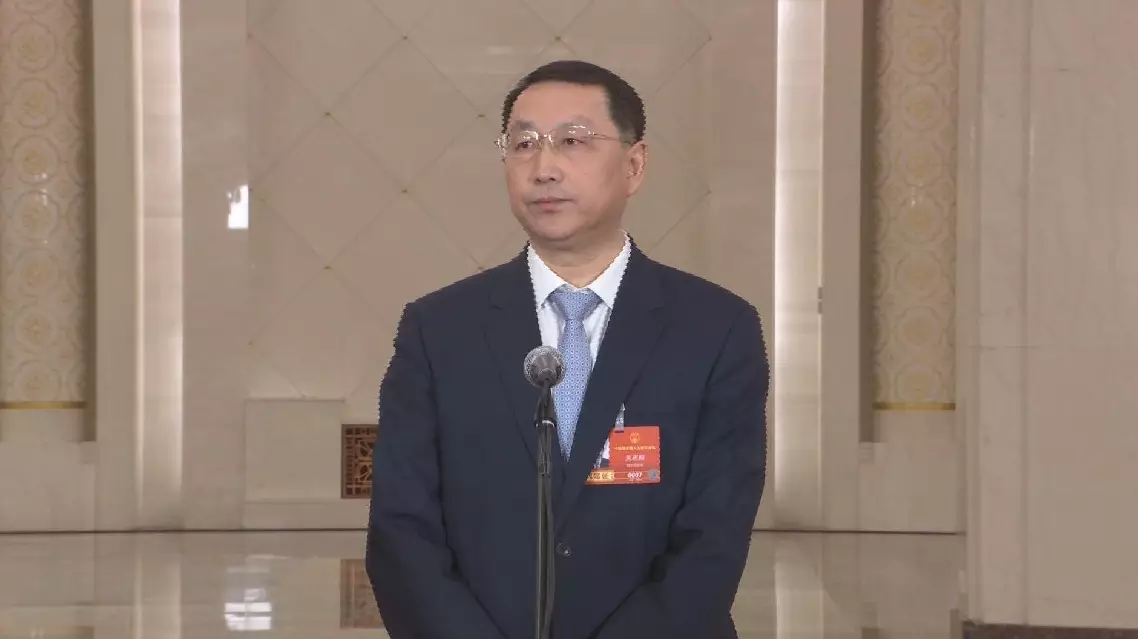
China continues to advance high-quality development of marine economy: minister