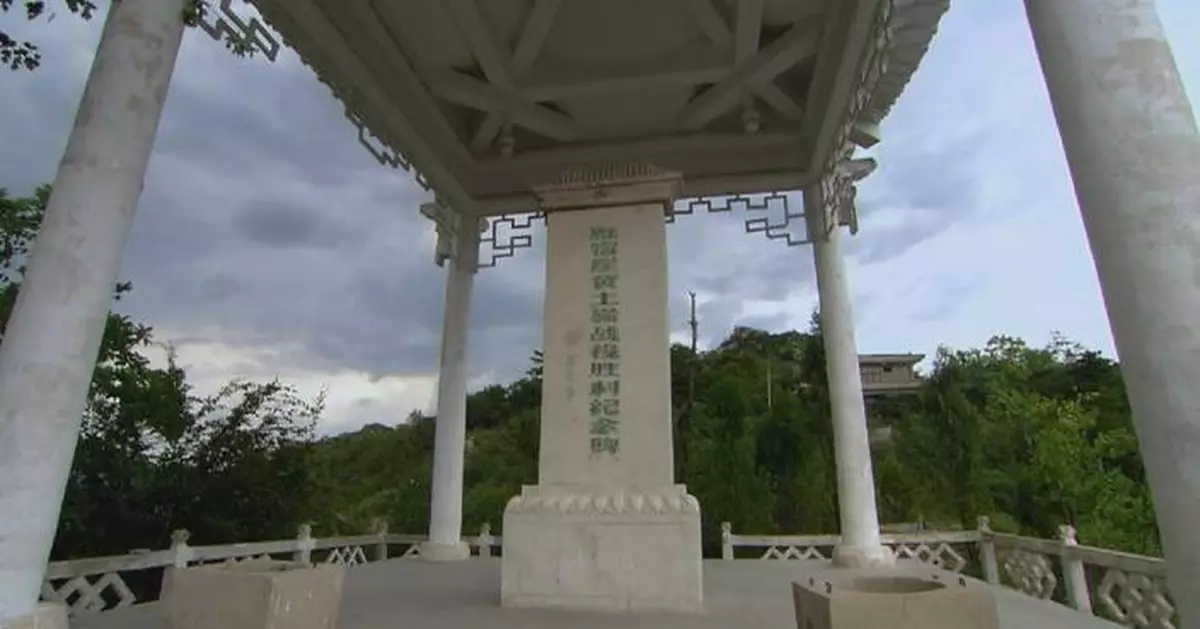
In 1939, outnumbered anti-Japanese forces led by the Communist Party of China launched a resilient and successful ambush near a northern mountain range, dealing a heavy blow to Japanese invaders and significantly boosting Chinese troops' morale.
In late October 1939, Japanese invaders mobilized over 20,000 soldiers to launch a "Winter Suppression Campaign" against the Jin-Cha-Ji (Shanxi-Chahar-Hebei) Resistance Base. Among them was a force of 1,500 Japanese soldiers commanded by Lieutenant General Norihide Abe, who was known as the so-called "expert in mountain warfare." This unit advanced toward the Jin-Cha-Ji base area in the northern part of the Taihang Mountains.
To counter the Japanese campaign, the Eighth Route Army initiated an anti-suppression operation. They decided to take the initiative to launch an ambush against the approaching Japanese troops.
The Eighth Route Army used guerrilla units to block and lure the Japanese troops into a trap, while simultaneously massing the forces of six regiments. The ambush site was chosen at Huangtuling, southeast of Laiyuan County in Hebei. Nestled in a valley of the northern Taihang Mountains with only a single mountain path passing through, the high mountains flanking the path created a natural kill zone.
On the morning of November 7, dense fog enveloped the area. The Japanese forces, failing to detect the Eighth Route Army hidden on the mountainsides, entered the ambush zone.
During the battle, Commander Chen Zhengxiang, and Wang Daobang observed frequent movement amongst Japanese officers around a small farmhouse on the eastern side of Huangtuling village. Seeing the officers wearing swords at their waists, they suspected it might be the Japanese command post.
Chen Zhengxiang swiftly ordered the mortar company to adjust its line of fire.
The blast instantly killed 12 Japanese officers, including the operation's highest-ranking commander–Lieutenant General Norihide Abe. Abe's death made him the highest-ranking Japanese officer killed by the Eighth Route Army in the Taihang Mountains during China's war of resistance.
The Japanese forces trapped at Huangtuling, having lost their commander, suffered great losses in the battle. Over 900 Japanese were killed or wounded in the Huangtuling ambush. During the entire 42-day counter-suppression campaign, the Eighth Route Army inflicted more than 3,600 Japanese casualties.
"The battles at Yansuya and Huangtuling are successful examples of the Eighth Route Army's use of favorable terrain to wage mobile warfare behind enemy lines. They are also two of the few large-scale, proactive encirclement and annihilation battles in the early days of the Jin-Cha-Ji Resistance Base. These victories shattered the Japanese delusion of destroying the base," said Li Qian, deputy director of Baoding Municipal CPC Party History Research Office.
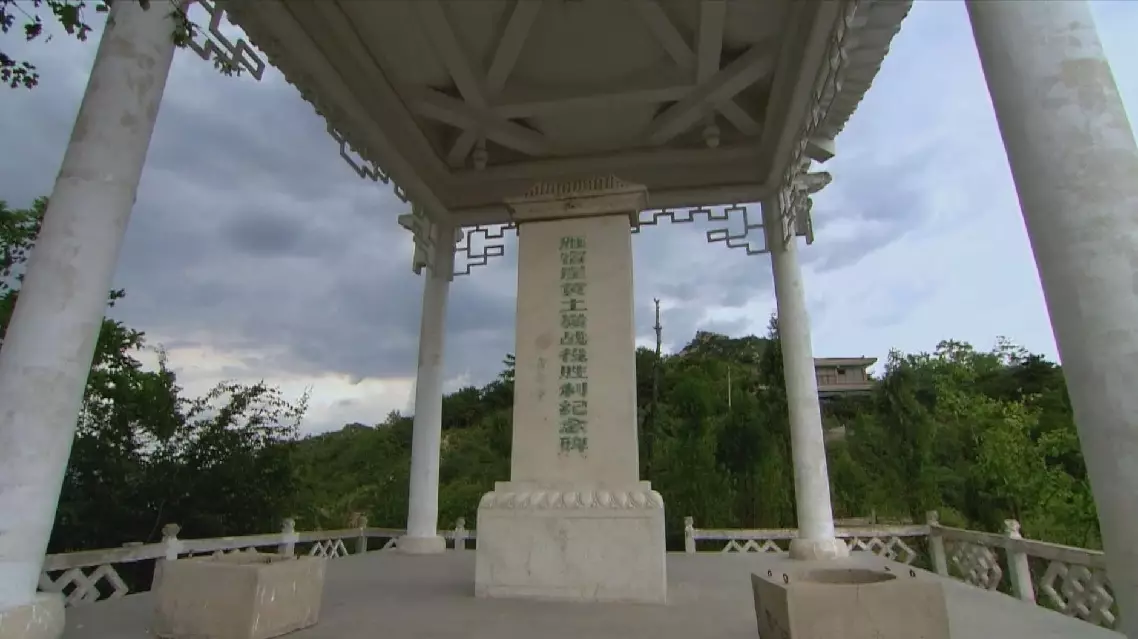
Eighth Route Army's successful 1939 ambush gives heavy blow to Japanese invaders in north China
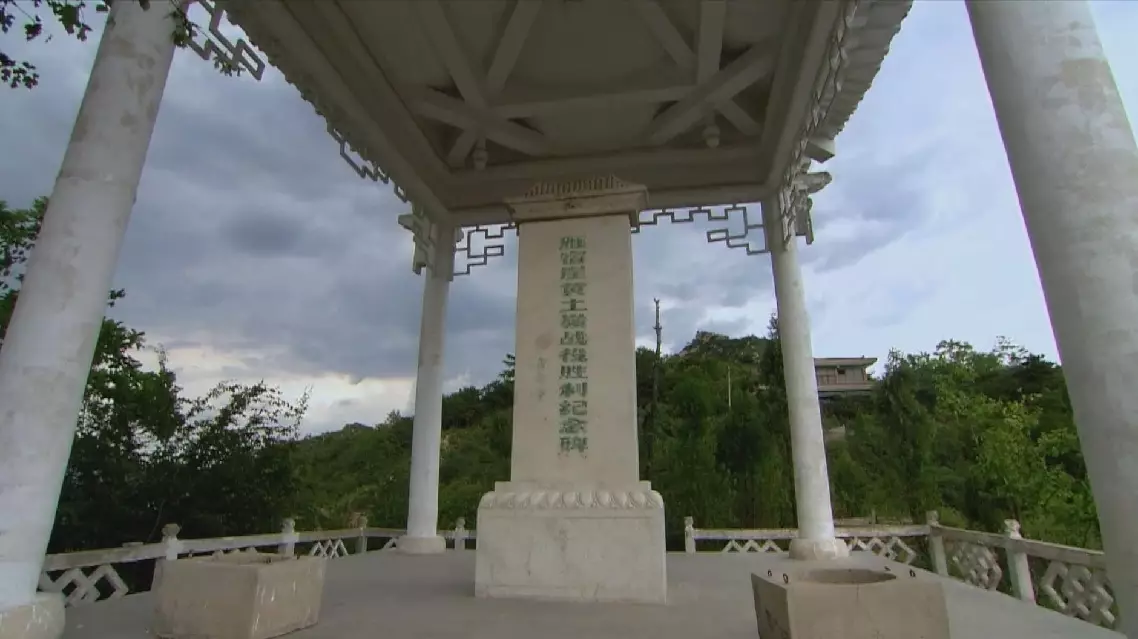
Eighth Route Army's successful 1939 ambush gives heavy blow to Japanese invaders in north China