Russia claimed on Sunday that its forces had struck a Ukrainian missile depot and other targets over the past day, while Ukraine reported offensive operations against a Russian refinery and port.
According to a report from Russian Ministry of Defense, Russian forces took control of a settlement in the Dnipropetrovsk region within the last 24 hours, and continued to carry out strikes in multiple directions, hitting Ukrainian missile depot, drone production and storage facilities, temporary deployment points, and other locations.
It added that Russian air defense systems shot down three HIMARS multiple-launch rocket system rounds and 172 drones over the past day.
On the same day, the General Staff of the Ukrainian Armed Forces reported that 85 clashes occurred along the frontlines as of Sunday afternoon, with 31 of those taking place in Pokrovsk.
In a coordinated operation early Sunday, Ukrainian troops, together with the Main Intelligence Directorate under the Ukrainian Defense Ministry, attacked an oil refinery in Russia's Samara region. The extent of the damage from the strike is currently under assessment.
Also on Sunday, the governor of Leningrad Region in northwest Russia confirmed that the port of Ust-Luga caught fire following a drone attack. Ten drones were destroyed over the port on Sunday morning, and debris from the downed drones ignited a fire at one of the docks.
The fire had been extinguished, and initial reports indicate no casualties, according to the governor.
The Ukrainian military confirmed on Sunday that its forces targeted a facility at Ust-Luga port, which is the largest port in the Baltic Sea region and Russia's second largest port.
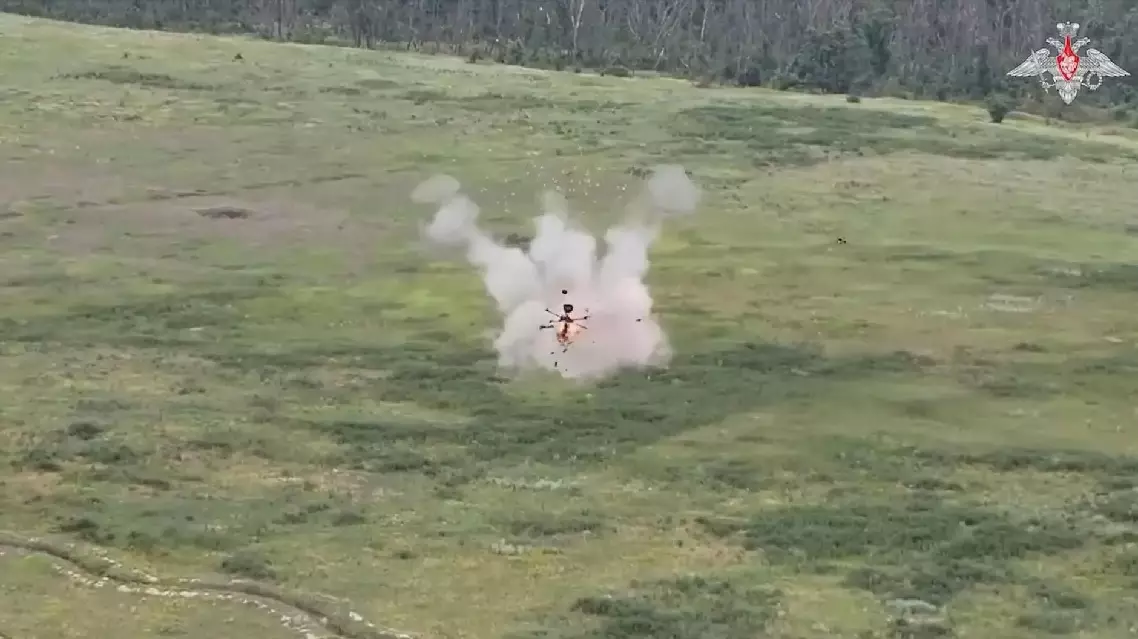
Russia claims strikes on Ukrainian missile depot, Ukraine reports hitting Russian refinery, port
Smart innovations are driving the upgrade of China's manufacturing industry, said Nan Cunhui, chairman of Chinese smart energy solutions provider CHINT Group, on Saturday.
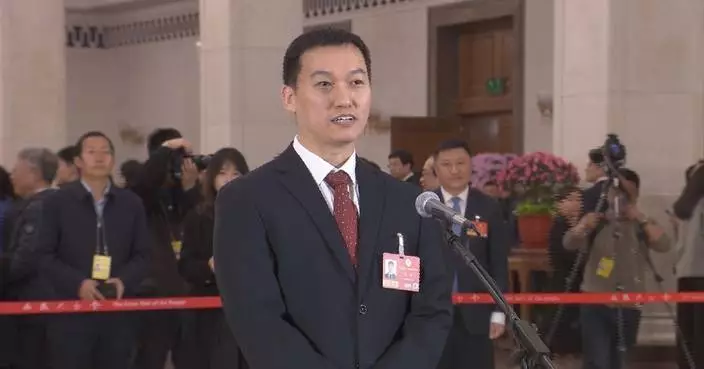
As a member of the Chinese People's Political Consultative Conference (CPPCC) National Committee, China's top political advisory body, Nan made the statement at a group interview on the sidelines of the ongoing 4th session of the 14th CPPCC National Committee in Beijing, saying that CHINT Group's development over the past four decades is a good example of industrial transformation.
"The transformation and upgrading of the manufacturing industry cannot be achieved without technological innovation that integrates digitalization with intelligentization. Over the past more than 40 years of innovative growth, CHINT Group has evolved from a traditional electrical equipment manufacturer to a new energy solutions provider, and now to a comprehensive energy service provider. Each step of its transformation has been driven by technological innovation and digital integration which foster sustainable development," Nan said.
CHINT Group began its journey as a switch producer in 1984 and has gradually evolved into a major global smart energy solution provider. Today, the company integrates the entire industrial chain of power generation, storage, transmission, transformation, distribution and use.
From the extremely cold areas of Finland to the deserts of Saudi Arabia and the tropical rainforests of Ecuador, CHINT has expanded its footprints to over 100 countries and regions.
Since 2006, CHINT has ventured into the photovoltaic new energy field, quickly establishing international competitiveness in the development, design, investment, construction, operation and maintenance of photovoltaic power plants.
Nan said his company has been combining AI with the green energy industry and developing key technologies such as new-type energy storage.
"We keep making breakthroughs in key technologies such as virtual power plants, new-type energy storage and solid-state transformers, while steadily enhancing capabilities in intelligent manufacturing, green manufacturing, and service-oriented manufacturing. In our factories, the entire process, from order placement to product delivery, is driven by data and algorithms. This has reduced overall operating costs by 20 percent and increased efficiency by 50 percent," he said.
Nan said CHINT has shared its smart transformation with many small-sized companies in the country.
"In recent years, CHINT Group has leveraged AI and cloud platform technologies to develop industry-specific large models, leading supplier partners to carry out digitalized transformation, and promoting common growth of small, medium-sized and micro enterprises," he said.
China's fourth session of the 14th CPPCC National Committee opened on Wednesday and is scheduled to run through March 11.
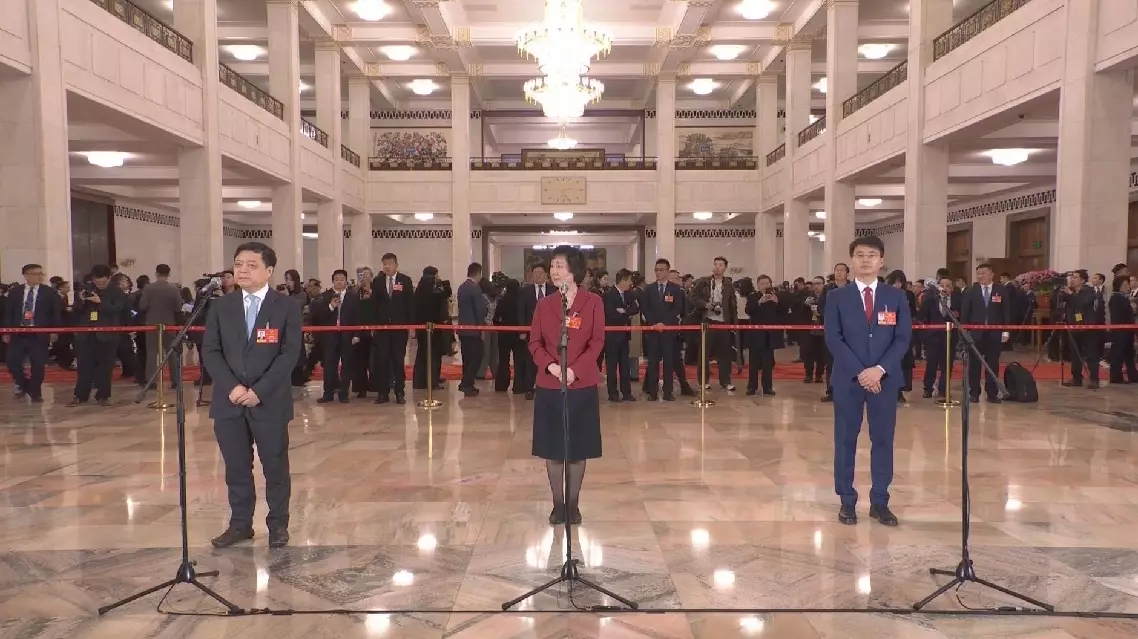
Innovation drives transformation of manufacturing industry: CPPCC member