Building competitive low-altitude economic ecosphere, promoted by new Policy Address, is making Hong Kong Asia-Pacific innovative application hub. “HK Media’s Sichuan-Chongqing Tour” Hong Kong media visiting group came to Sichuan Wofei Changkong Technology Development Co., Ltd. (Aerofugia), who is working on R&D and commercial operation of global low-altitude smart transportation aircraft.
Wofei Changkong Technology Development Co., Ltd. (Aerofugia). By Bastillepost.
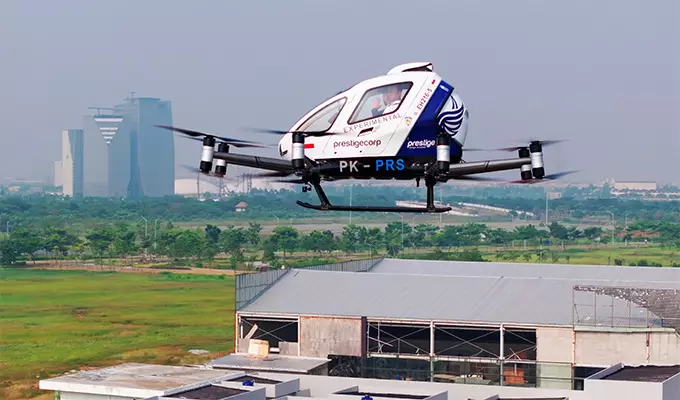
When it comes to the low-altitude economy, eVTOLs and drones are hailed as the dual pillars of its future. eVTOL, which stands for "Electric Vertical Take-off and Landing aircraft," is a new type of aircraft that utilizes electric power for propulsion and possesses vertical take-off and landing capabilities. It does not require runways and combines electric propulsion technology with the demands of Advanced Air Mobility (AAM) and Urban Air Mobility (UAM). Known for being environmentally friendly, low-noise, and highly efficient, it demonstrates significant potential in areas such as passenger transport, cargo delivery, and medical rescue, making it a crucial vehicle for driving the development of the low-altitude economy.
Click to Gallery
Wofei Changkong Technology Development Co., Ltd. (Aerofugia). By Bastillepost.
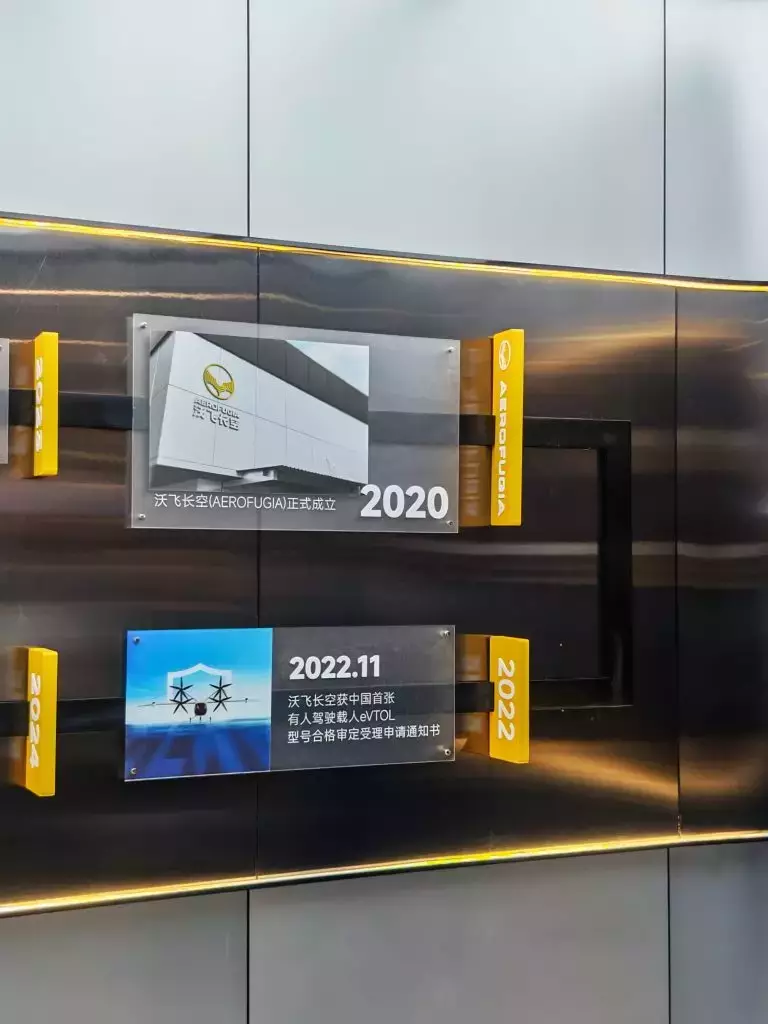
Wofei Changkong Technology Development Co., Ltd. (Aerofugia). By Bastillepost.
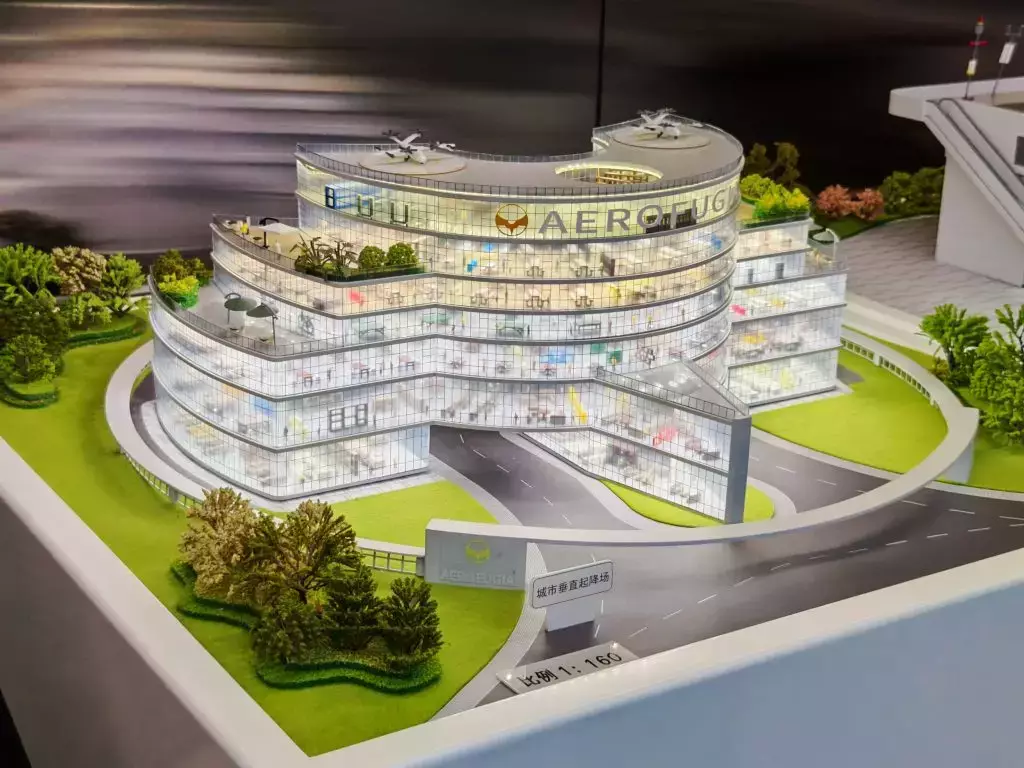
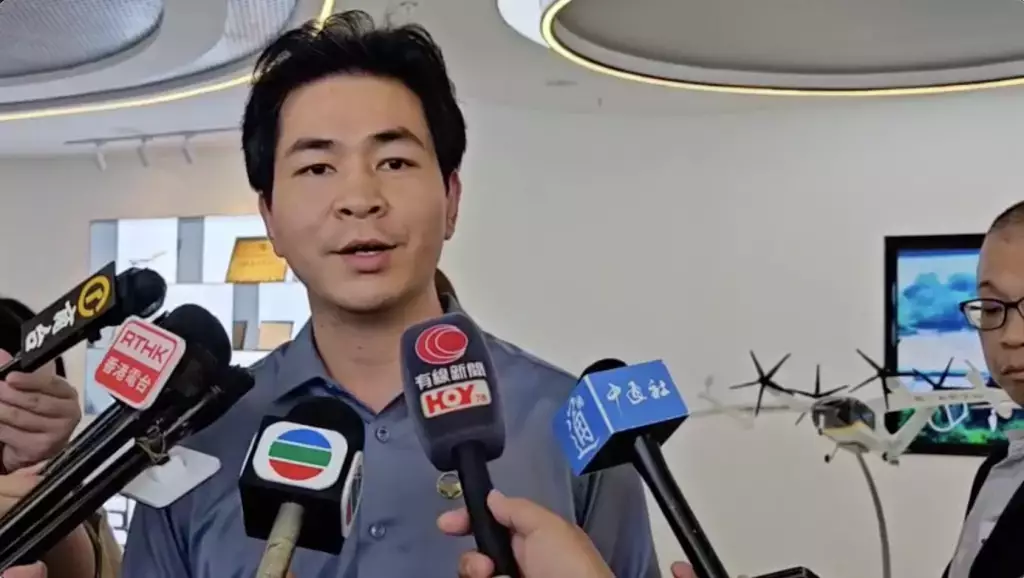
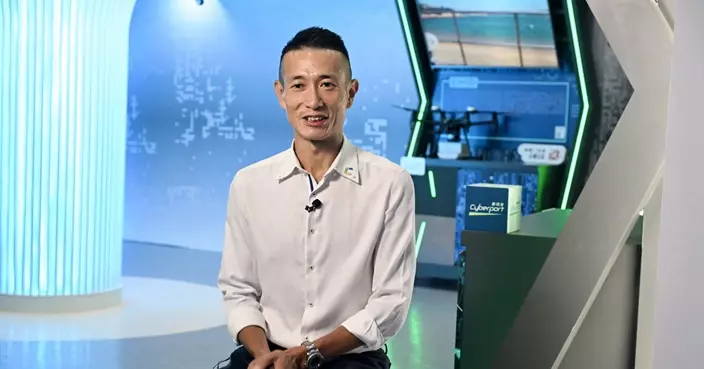
Hou Yi, Senior Product Manager at Aerospace. By Bastillepost.
By Bastillepost.
By Bastillepost.
Wofei Changkong Technology Development Co., Ltd. (Aerofugia). By Bastillepost.
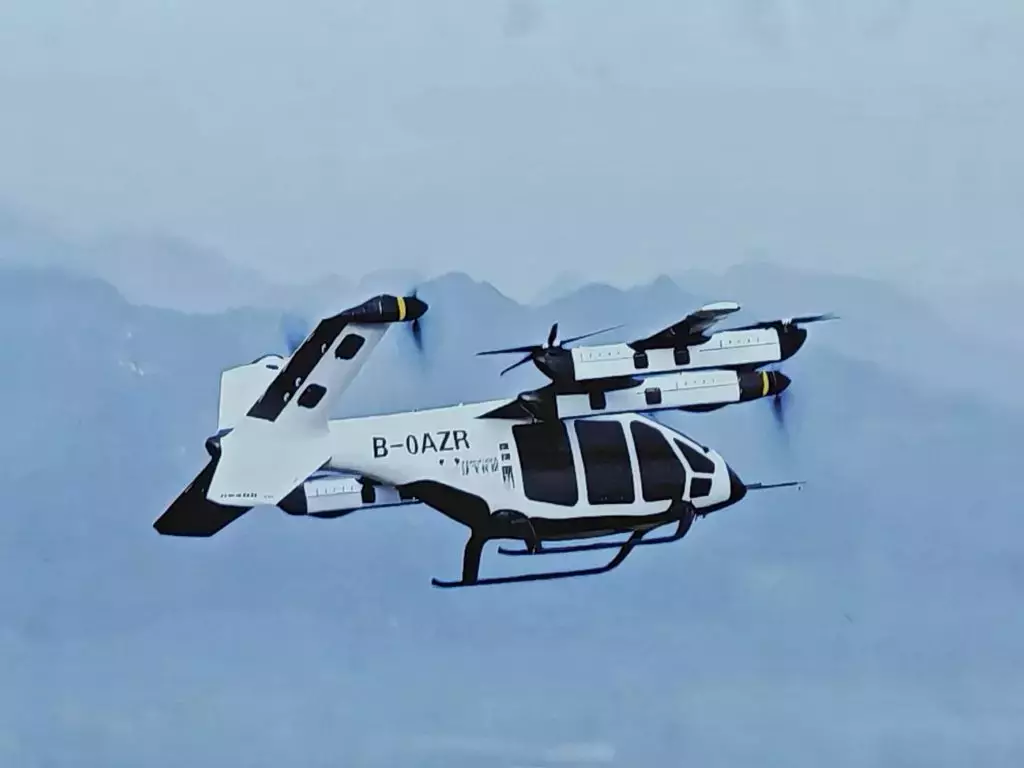
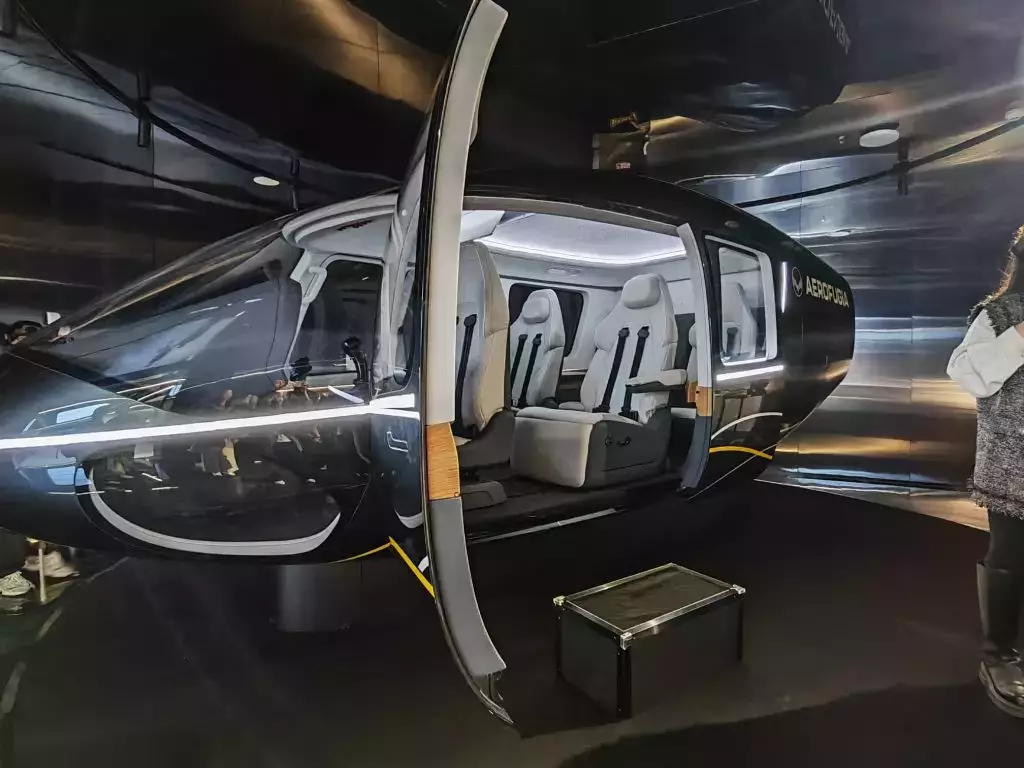
With urban and economic development, ground traffic has become increasingly congested. Aerospace began research on flying cars as early as 2006, initially developing the Transition in the United States, and gradually exploring various solutions towards electric aircraft. The company has experimented with numerous approaches. Hou Yi pointed out that a transformation in transportation is inevitable. Recognizing this major trend, Aerospace has continuously invested in R&D. It is precisely because of the experience and technological foundation accumulated over years of research and development that they have produced the AE200, a 5-6 seat class tilt-rotor pure electric vertical take-off and landing (eVTOL) manned aircraft product.
In a densely built metropolis like Hong Kong with its numerous skyscrapers, are there any difficulties for eVTOL operations? Hou Yi, Senior Product Manager at Aerospace, stated that it poses no issues whatsoever. Particularly for takeoff and landing within the city, eVTOL vertiports can be constructed on the rooftops of high-rise buildings. Precisely because eVTOLs are capable of vertical takeoff and landing, they do not require a long, gradual climb. They can ascend vertically from a skyscraper rooftop directly to a safe flight altitude and proceed straight to their destination. Therefore, high-rise buildings pose no impact on the flight operations.
Hou Yi, Senior Product Manager at Aerospace. By Bastillepost.
Hou Yi disclosed that the company has already received orders for over 1000 units from both domestic and international clients, primarily involving cultural tourism sectors, financial leasing companies, and business jet operators.
By Bastillepost.
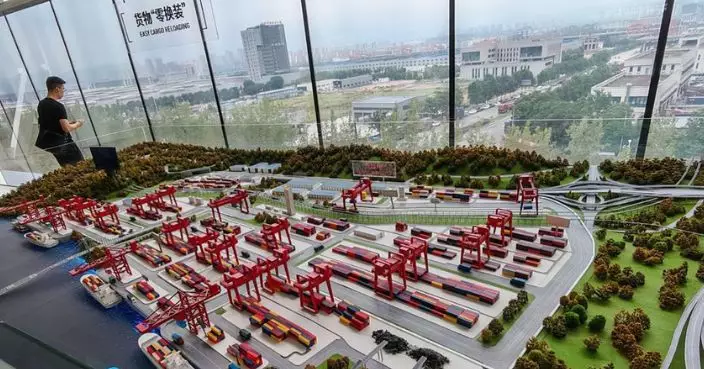
Regarding the current biggest challenges in the development process, Hou Yi pointed out that the first is obtaining the type certificate, which signifies that the aircraft's design safety level has been approved by the authorities. For successful operation, support from infrastructure is also essential, including the construction of vertical take-off and landing airports (vertiports) within cities, along with charging facilities. These require urban planning and promotion efforts from the industry and relevant stakeholders.
By Bastillepost.
Furthermore, how to enhance public confidence in this new mode of transportation is also a key focus for Aerospace. According to market research and face-to-face questionnaires conducted by Aerospace, results show that approximately over 90% of respondents expressed strong interest in this type of aircraft and are willing to try it, indicating high public confidence in its safety. Additionally, as Aerospace is a company with an aviation background, the development of the AE200 vertical take-off and landing aircraft strictly adhered to various standards and requirements for standard civil aviation products. Therefore, its standards are comparable to, or even more stringent than, those for general aviation helicopters, fixed-wing aircraft, etc., ensuring very safe operation of the aircraft.
Speaking about the Hong Kong market, Hou Yi stated that Aerospace actively participates in relevant exhibitions and has noted that Hong Kong has a regulatory sandbox for the low-altitude economy. The company is actively engaging with local participants in Hong Kong, such as the Hong Kong Polytechnic University, for communication and exchange. Hou Yi pointed out that the company is targeting the Hong Kong market because its economic scale and consumption level are well-suited for the operation of such new aircraft.
Hou Yi explained that vertiports could be set up in Hong Kong's city center and connected to major transport hubs, establishing direct low-altitude flight routes to further improve travel efficiency. Additionally, some of Hong Kong's outlying islands are relatively inaccessible, requiring ferry rides and transfers to other ground transport. Once such air travel services become available, residents in these slightly remote island areas will enjoy much greater travel convenience.
Hou Yi mentioned that another application direction in the Hong Kong market is emergency rescue. In traditional emergency rescue, if an ambulance needs to reach remote areas to provide medical assistance, it often requires a significant amount of time. However, by adopting aerial methods—especially with the specialized models for aerial medical rescue that Hou Yi’s team plans to launch in the future—the time required for medical rescue can be greatly reduced, ultimately helping to save more lives.