Skip to Content Facebook Feature Image

HK Media’s Sichuan-Chongqing Tour : “Chongqing 1949” Stage Play Revives Red Rock Spirit, Becomes Tourism Hotspot, Drawing Over 5,000 Hong Kong Visitors

China

China

China

HK Media’s Sichuan-Chongqing Tour : “Chongqing 1949” Stage Play Revives Red Rock Spirit, Becomes Tourism Hotspot, Drawing Over 5,000 Hong Kong Visitors

2025-10-03 11:36 Last Updated At:11:36

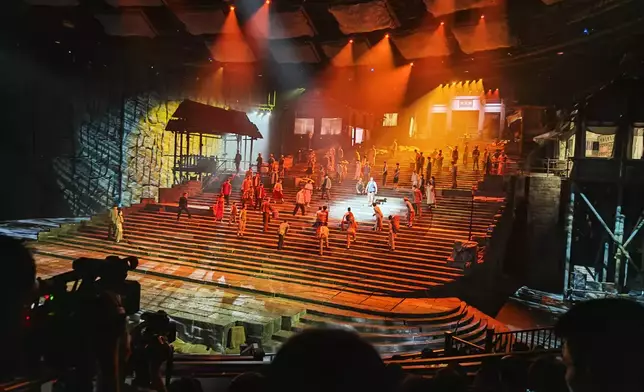
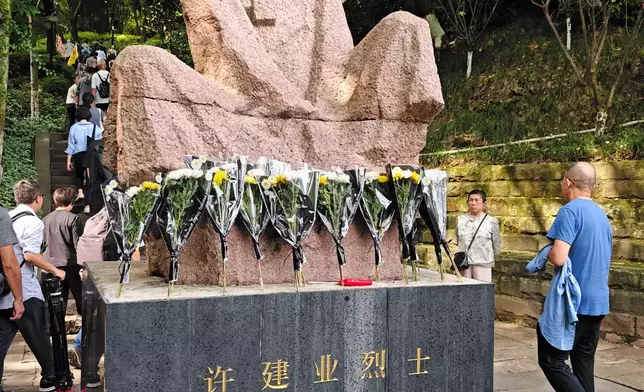
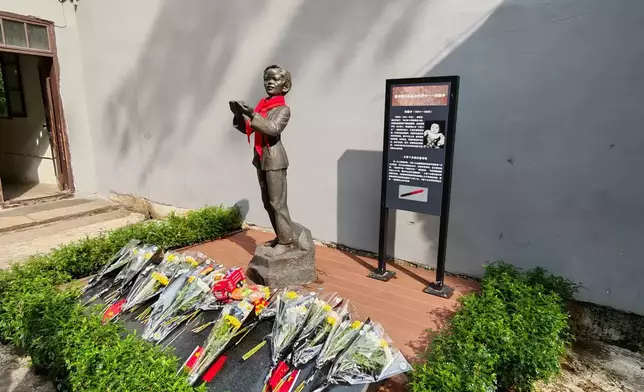
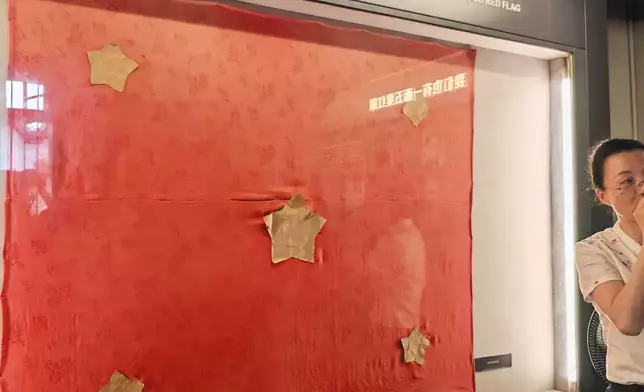
On the fifth day of the “Hong Kong Media Sichuan-Chongqing Tour: Tale of Two Thriving Cities,” the delegation of about 30 journalists visited the “Chongqing 1949” Grand Theater to experience the historical stage play “Chongqing 1949”, which showcases the “Red Rock Spirit.” They also toured the historic Baigongguan and Zhazidong Prison sites to learn about the sacrifices of revolutionary martyrs.
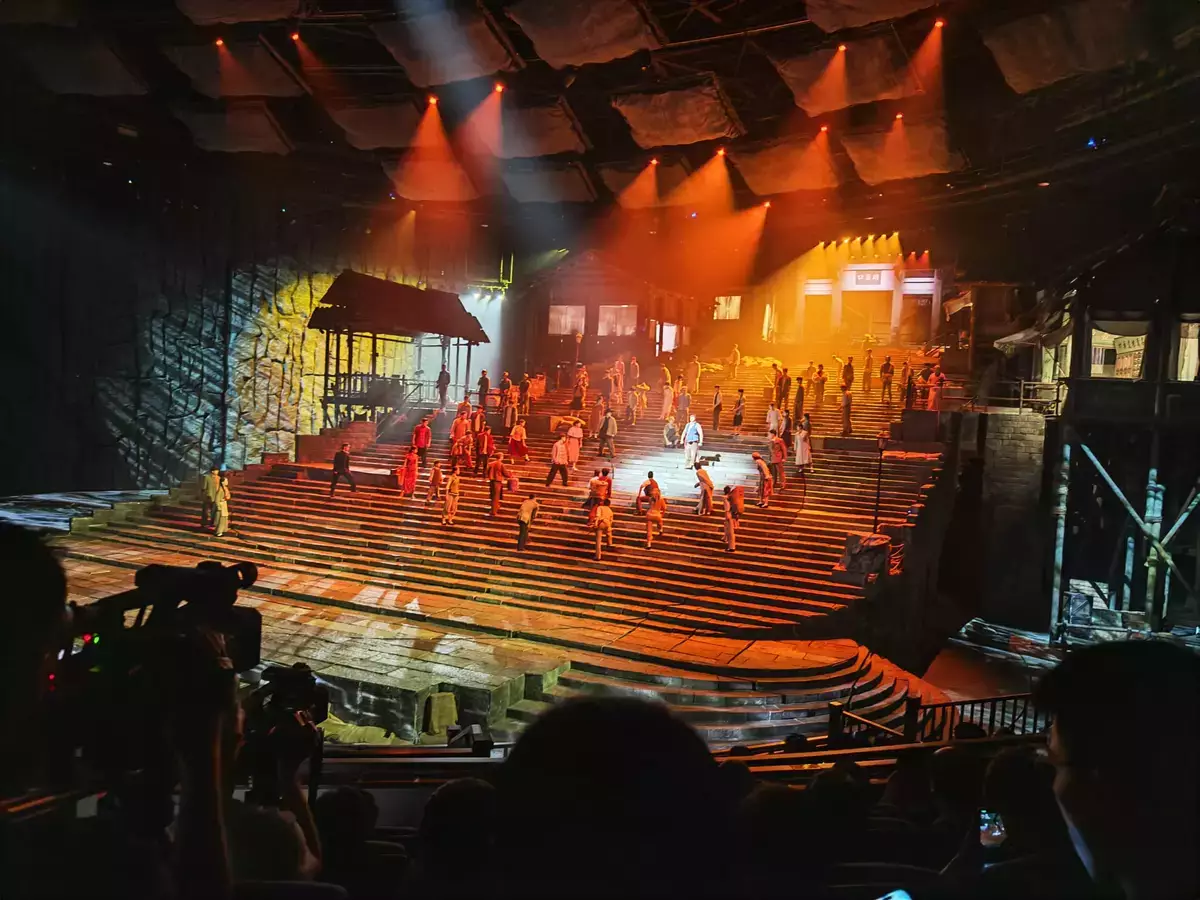
"Chongqing 1949". Photo by Bastillepost.
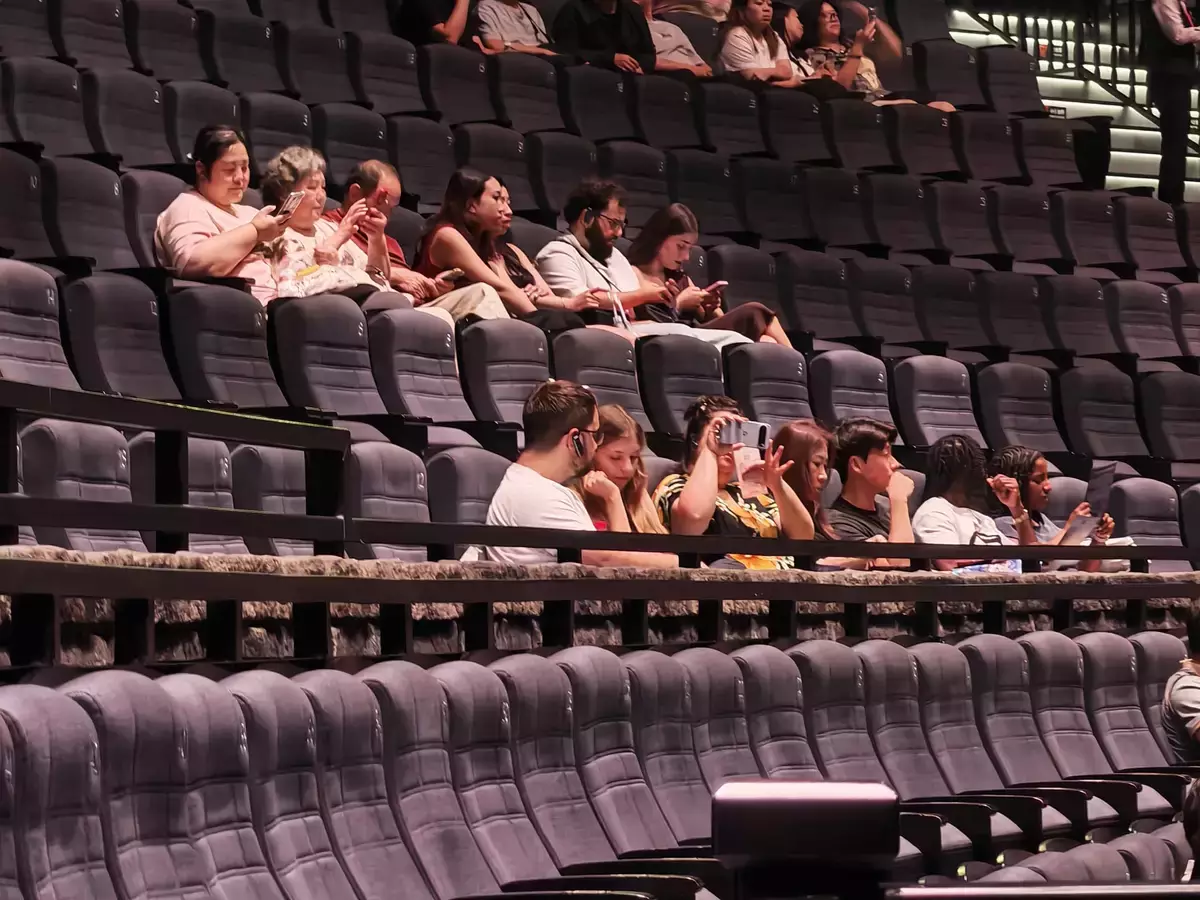
"Chongqing 1949". Photo by Bastillepost.

By Bastillepost.
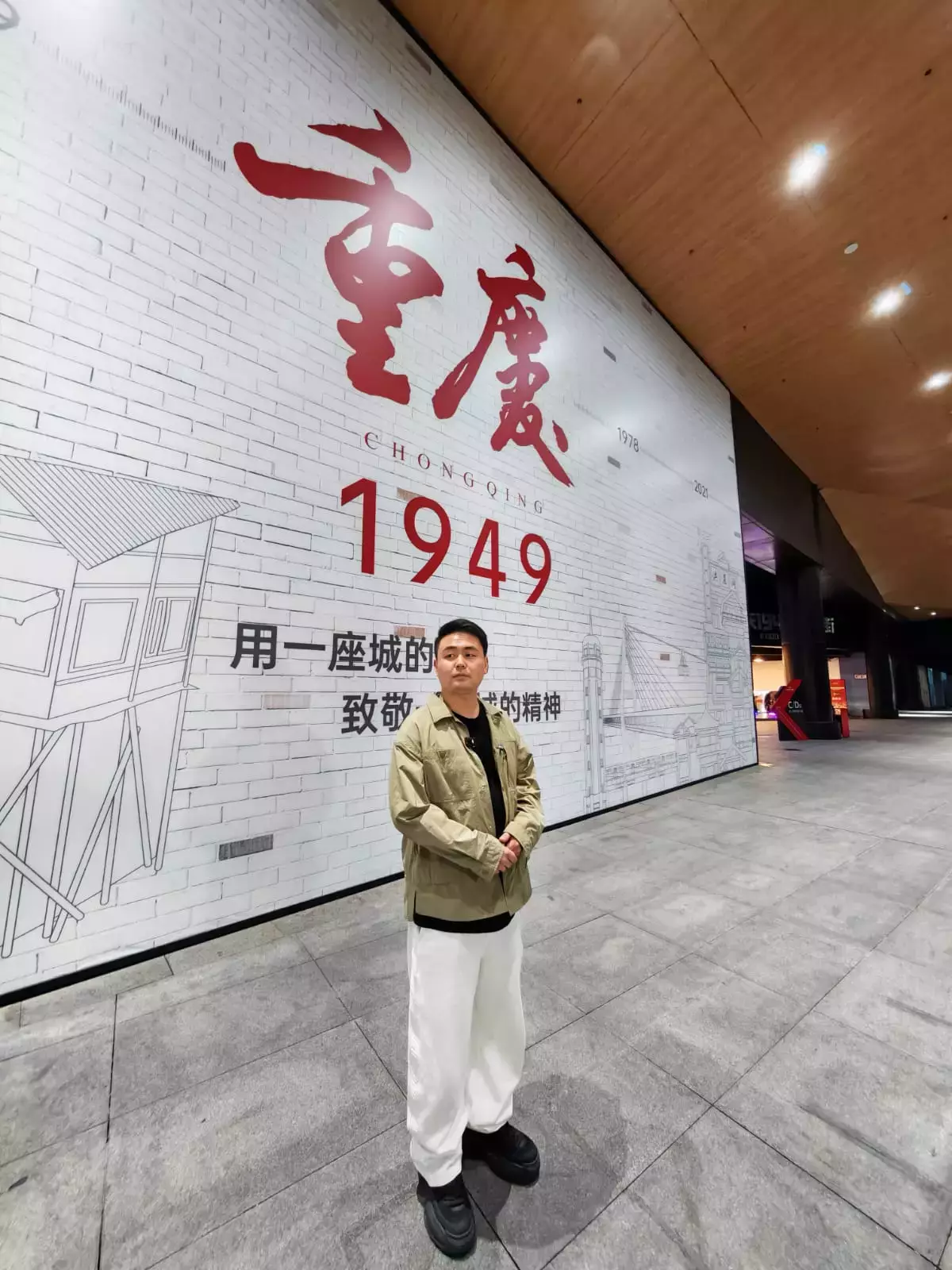
By Bastillepost.

Xu Shantao, Artistic Director of the "Chongqing 1949" art troupe, introduces the performance to the visiting group. Photo by Bastillepost.

Xu Shantao, Artistic Director of the "Chongqing 1949" art troupe, introduces the performance to the visiting group. Photo by Bastillepost.

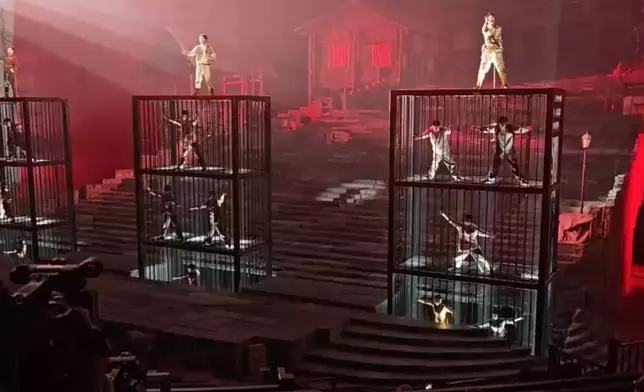
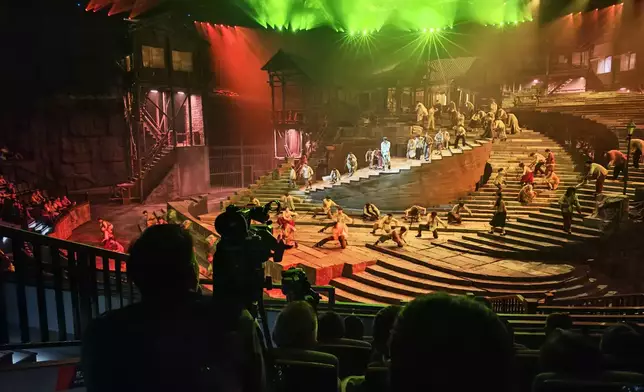
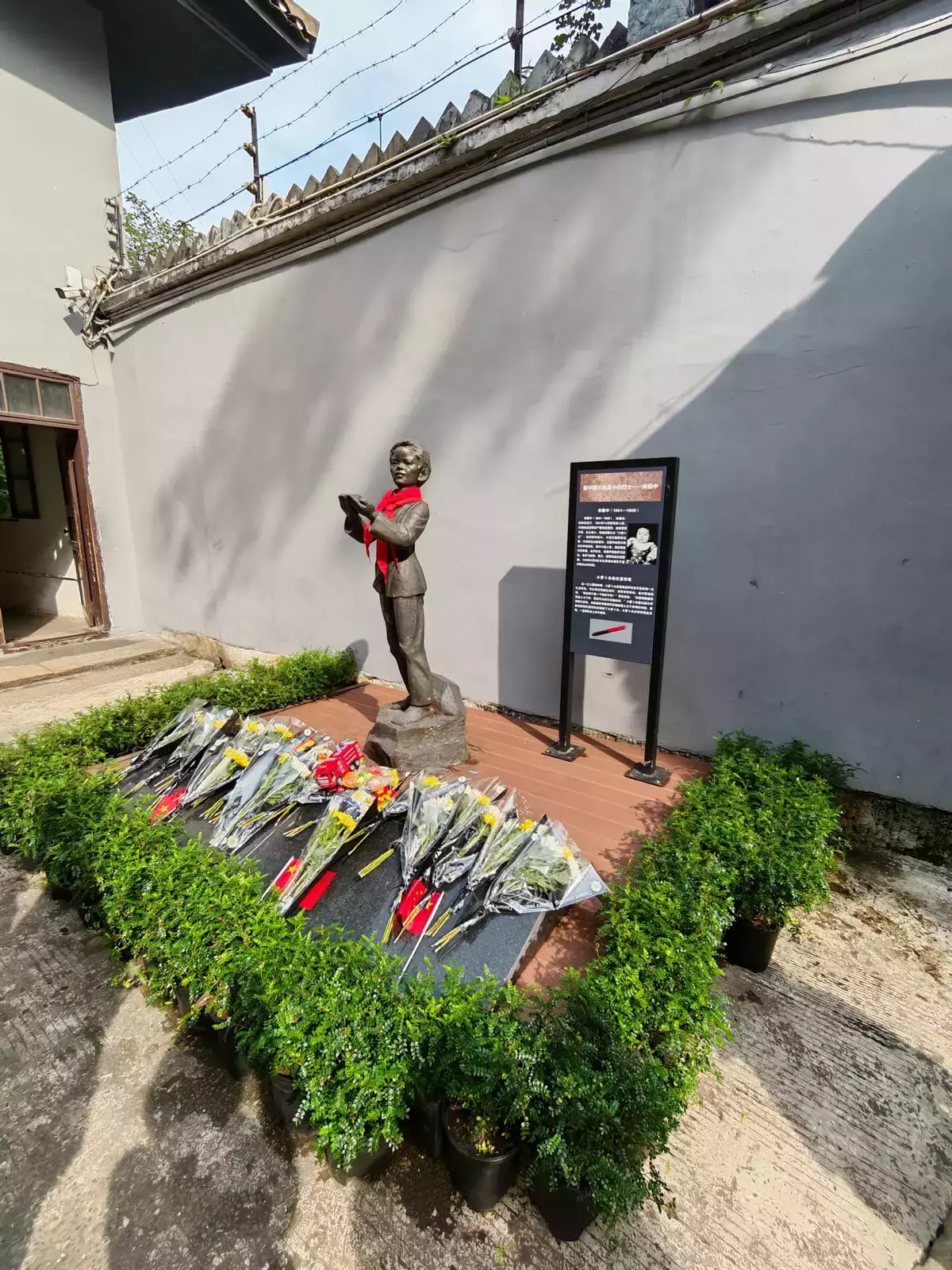
“Chongqing 1949” is a historical drama weaving four storylines: the Lin brothers’ ideological choices, the sacrifices of revolutionaries in Baigongguan and Zhazidong, underground party rescue efforts, and the hope embodied by children in prison, vividly portraying the “Red Rock Spirit.”

More Images
"Chongqing 1949". Photo by Bastillepost.
"Chongqing 1949". Photo by Bastillepost.

By Bastillepost.
By Bastillepost.

Xu Shantao, Artistic Director of the "Chongqing 1949" art troupe, introduces the performance to the visiting group. Photo by Bastillepost.
Xu Shantao, Artistic Director of the "Chongqing 1949" art troupe, introduces the performance to the visiting group. Photo by Bastillepost.

​​"Chongqing 1949". Photo by Bastillepost.
​​"Chongqing 1949". Photo by Bastillepost.
​​"Chongqing 1949". Photo by Bastillepost.
​​"Chongqing 1949". Photo by Bastillepost.

​​"Chongqing 1949". Photo by Bastillepost.

​​"Chongqing 1949". Photo by Bastillepost.

By Bastillepost.
By Bastillepost.
By Bastillepost.
By Bastillepost.
By Bastillepost.

By Bastillepost.

By Bastillepost.

By Bastillepost.

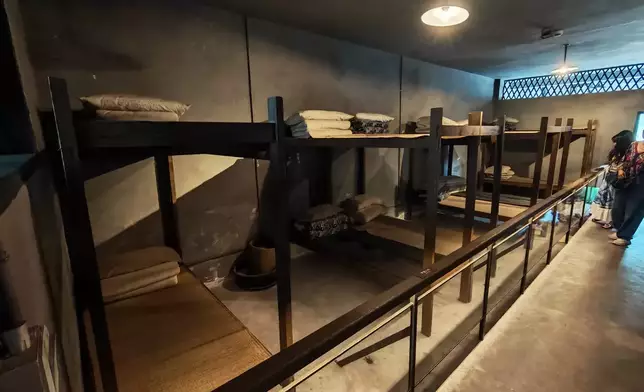
Prison Cell. Photo by Bastillepost.

Prison Cell. Photo by Bastillepost.

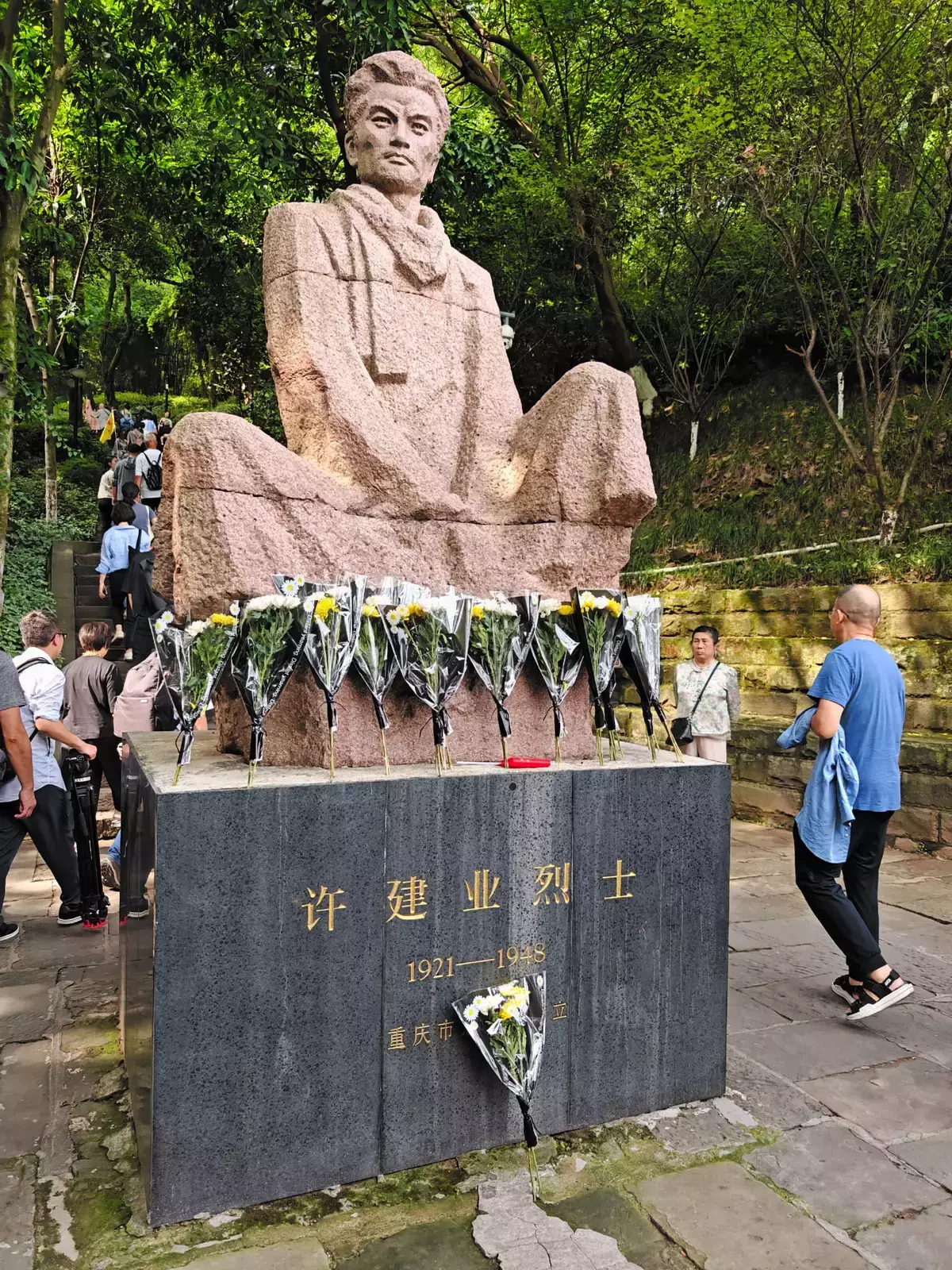
Xu Shantao, head of the “Chongqing 1949” troupe, explained to the delegation that the play premiered in July 2021 after a trial run, following extensive preparation. The creative team studied over 100 literary works, interviewed survivors and descendants of the 1949 “11.27 Massacre,” and collaborated with Red Rock Museum experts to integrate historical events into the production.
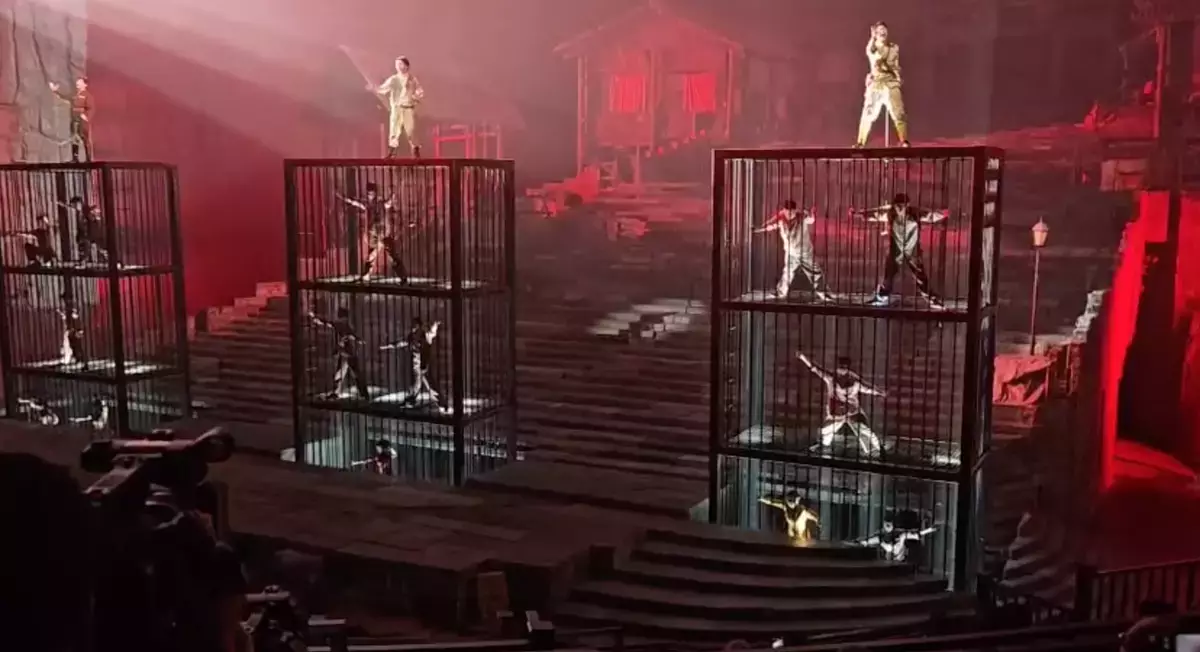
​​"Chongqing 1949". Photo by Bastillepost.
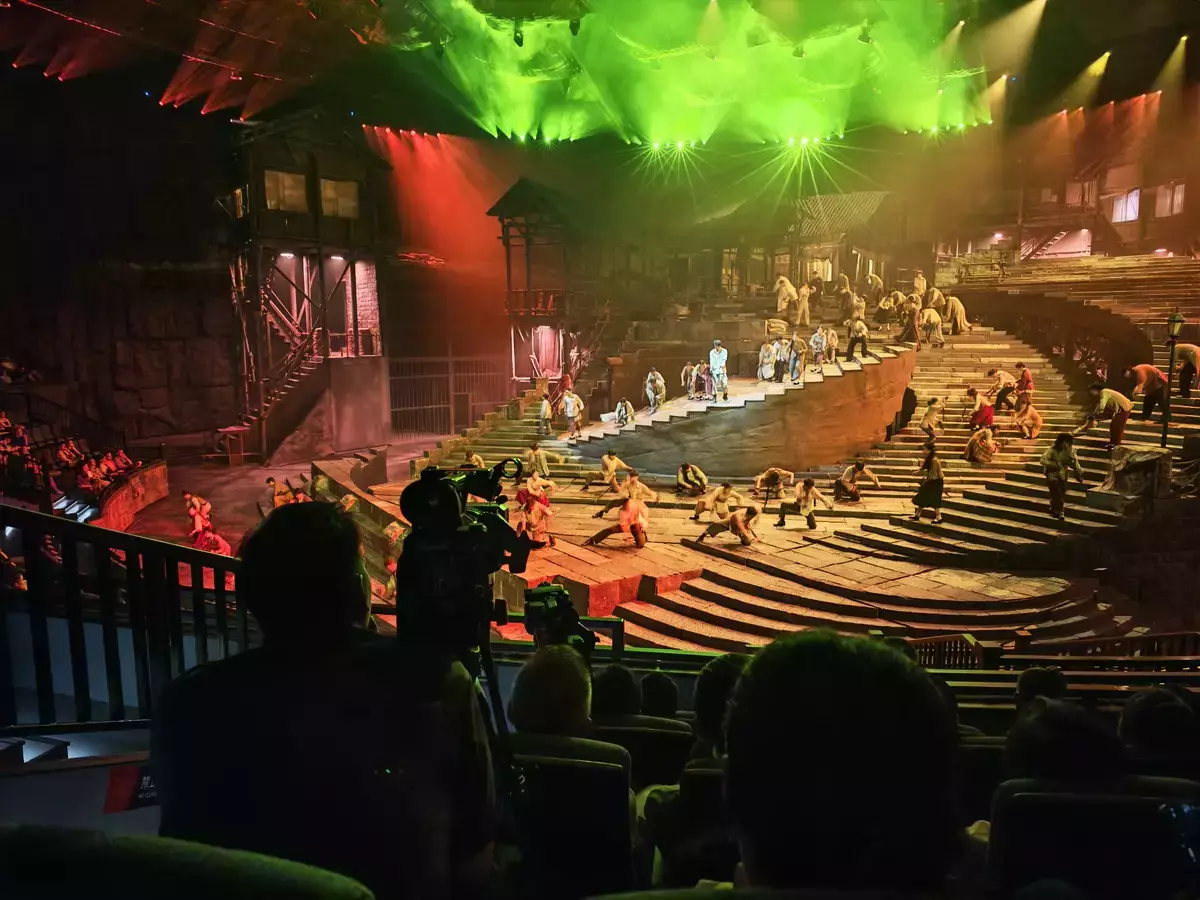
​​"Chongqing 1949". Photo by Bastillepost.
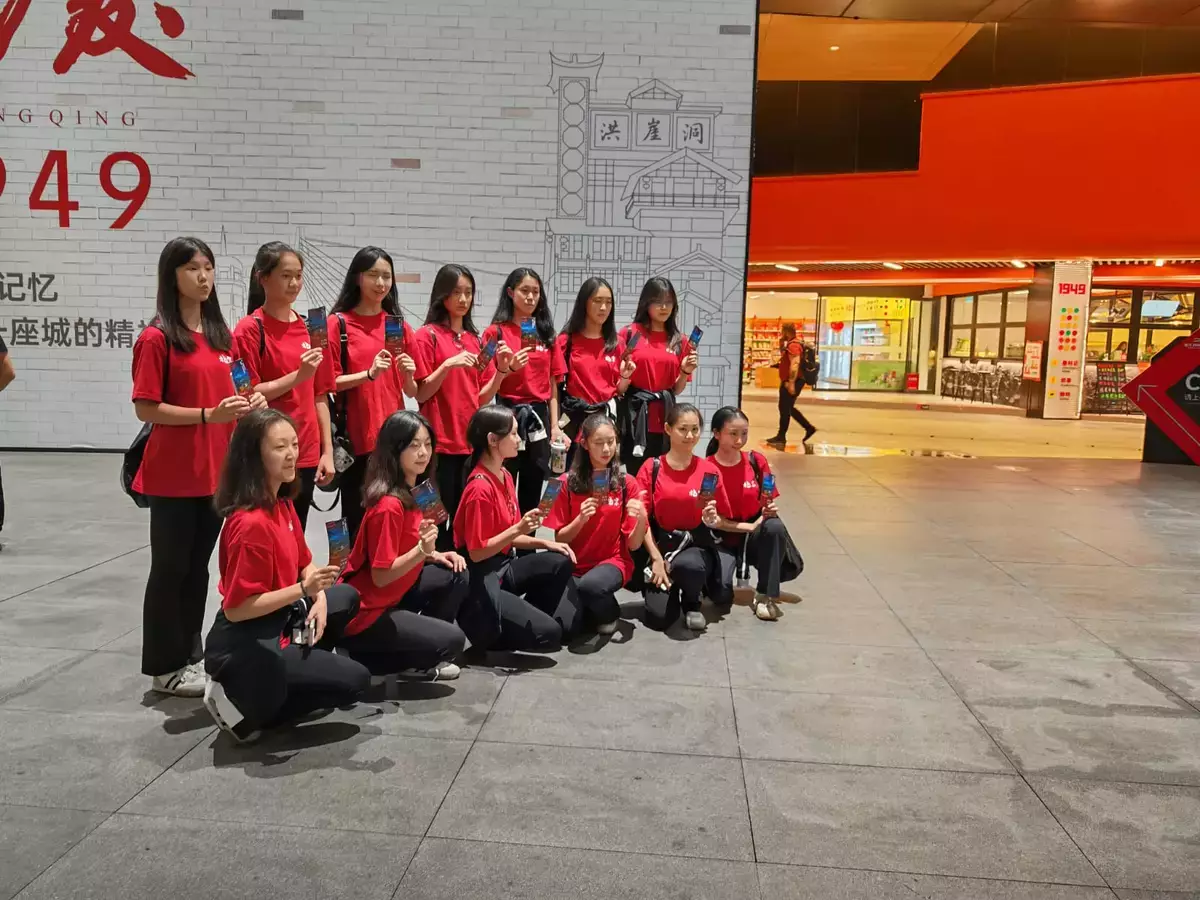
​​"Chongqing 1949". Photo by Bastillepost.
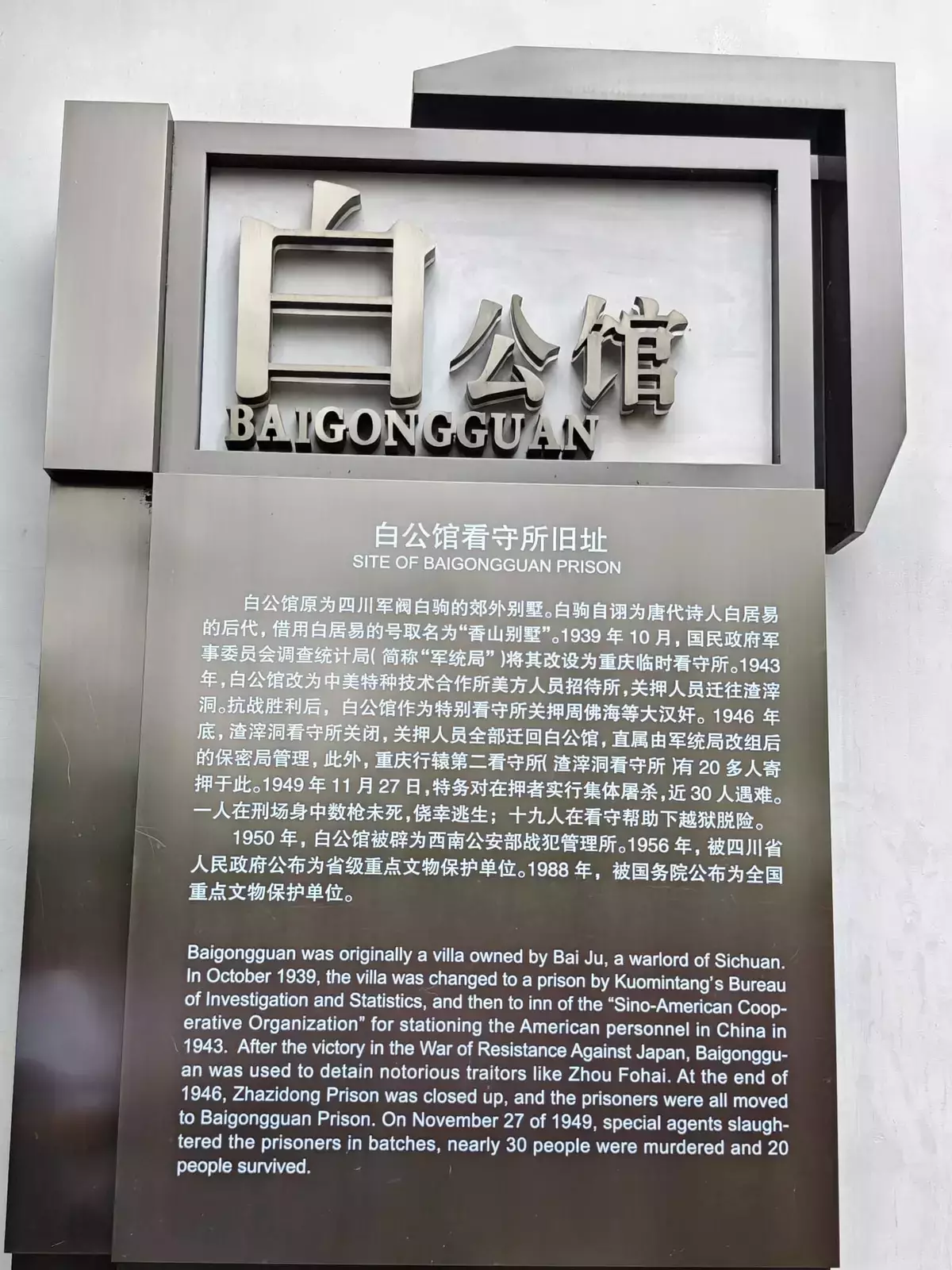
​​"Chongqing 1949". Photo by Bastillepost.

​​"Chongqing 1949". Photo by Bastillepost.

​​"Chongqing 1949". Photo by Bastillepost.

By Bastillepost.
By Bastillepost.

By Bastillepost.

By Bastillepost.

Xu emphasized that the play’s stories are grounded in real history, expanded to reflect Chongqing’s broader events. Actors underwent training, scripting, and rehearsals to craft this red-themed drama.
By Bastillepost.
By Bastillepost.

By Bastillepost.

By Bastillepost.

The theater employs cutting-edge technology, featuring five independent rotating rings for a 360-degree stage and audience seating, creating a dynamic viewing experience. The stage recreates 1940s Chongqing’s stilted buildings and Ciqikou Wharf, with “indoor real-scene performances” attracting young audiences.

While centered on the “11.27 Massacre,” Xu clarified the play doesn’t solely focus on it but artistically depicts events at Baigongguan and Zhazidong to honor history and preserve original aspirations. “Our happy lives today were earned through the blood and sacrifices of revolutionaries,” Xu said.
Prison Cell. Photo by Bastillepost.

Prison Cell. Photo by Bastillepost.

When asked about taking the play to Hong Kong or abroad, Xu noted its custom stage limits touring, as replicating the theater’s effects elsewhere is challenging. However, the troupe is exploring simplified performances to maintain the spirit’s essence.

The troupe promotes on online platforms, using “Easter egg” content during special holidays. By August 2025, it performed over 3,000 shows, drawing 3 million viewers, including 5,000 from Hong Kong and 50,000 international visitors.

Xu highlighted that alongside government-backed red tourism, ““Chongqing 1949”” serves as a red-themed tourism drama. The theater is a multifaceted educational hub, integrated with other red tourism sites to form a dedicated route.

The current “Chongqing 1949” is version 3.0, refined in 2021, 2023, and December 2024 based on feedback from diverse audiences and experts. Xu hopes the play continues, allowing audiences to feel Chongqing’s historical warmth.

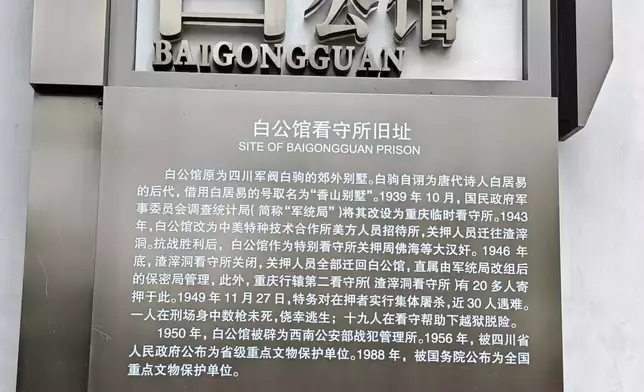
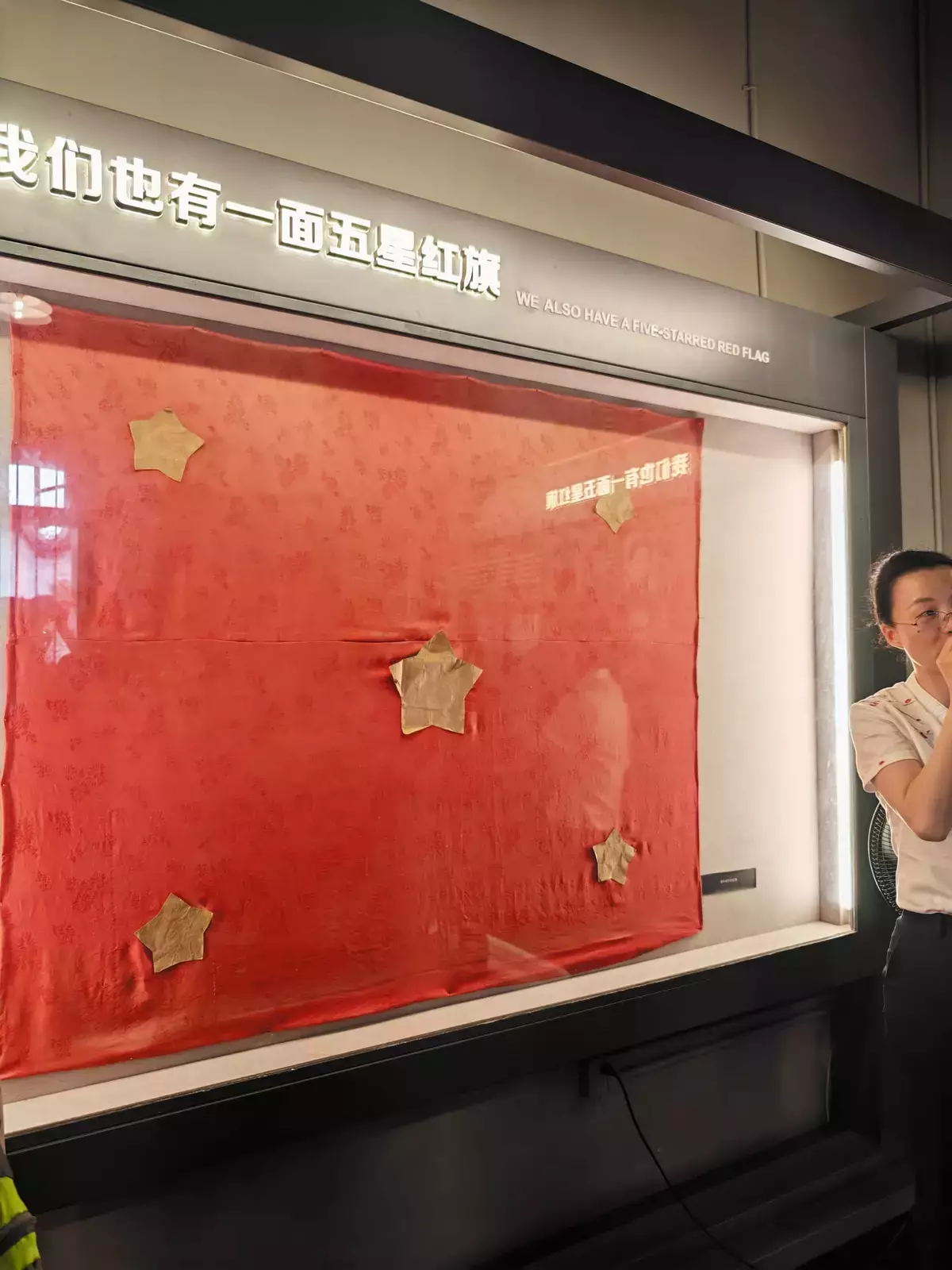
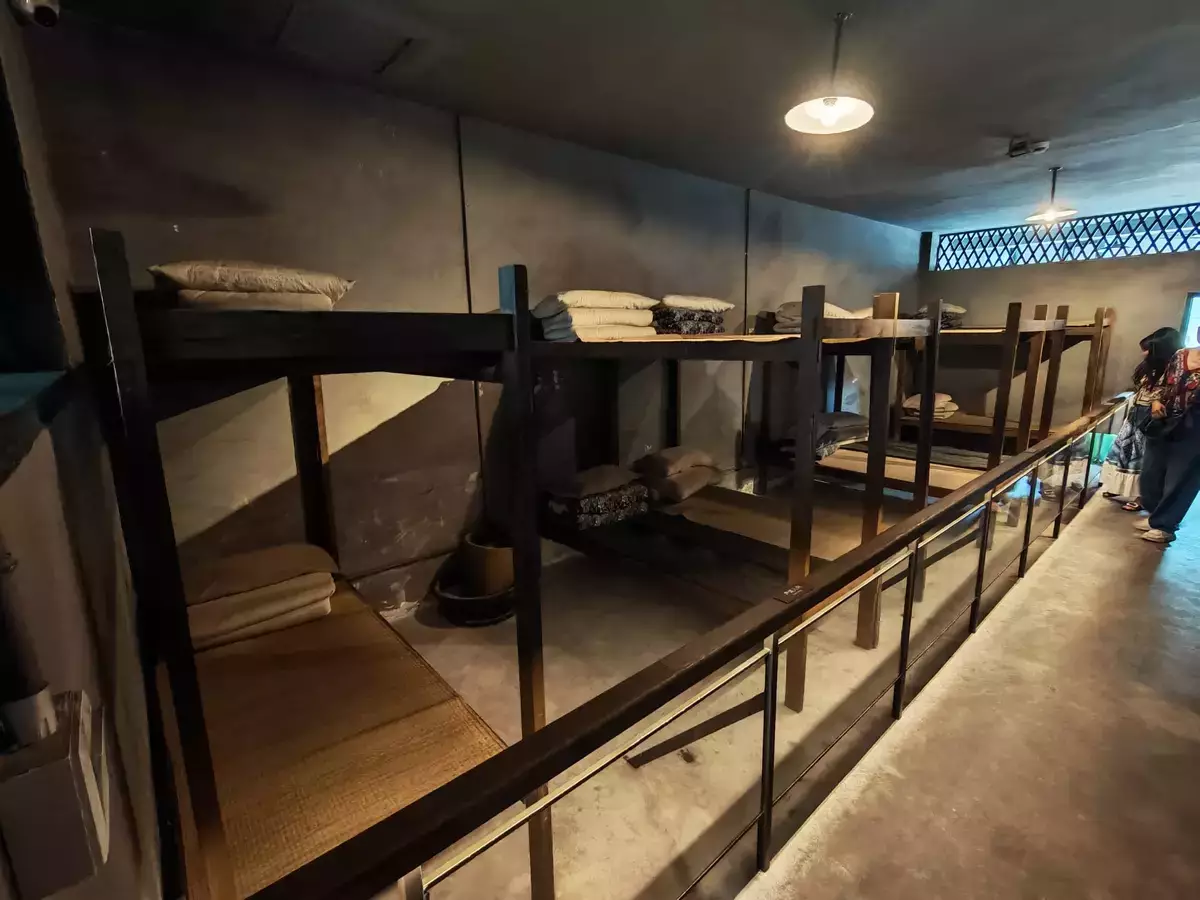
The delegation then visited Baigongguan and Zhazidong Prison sites depicted in the play. Baigongguan, in Shapingba District’s Gele Mountain, covers 3,000 square meters with 1,130 square meters of buildings. Originally a villa of warlord Bai Ju, it was bought by KMT agent Dai Li in October 1939, converted into a temporary prison. The ground floor’s rooms became cells, the basement a dungeon, and an air-raid shelter a torture chamber. After the 1943 U.S.-China Cooperation Institute, it became its third guesthouse, later a special prison. On November 27, 1949, KMT agents massacred nearly 30 revolutionaries here, with 20 escaping. Post-1949, it was a reform facility for KMT war criminals and was designated a national protected cultural site in 1988.

Zhazidong Prison, originally a small coal mine opened in 1920 by banker Cheng Erchang, named for its low coal yield, is secluded, surrounded by mountains and a ravine. In 1943, KMT agents seized it for a prison with outer and inner courtyards—offices and torture rooms in the outer, 16 male and two female cells in the inner, holding up to 300 prisoners. On November 27, 1949, KMT forces massacred 180 prisoners and burned the male cells, with 15 escaping. The male cells were rebuilt in the early 1960s, and the site was named a national protected cultural site in 1988.

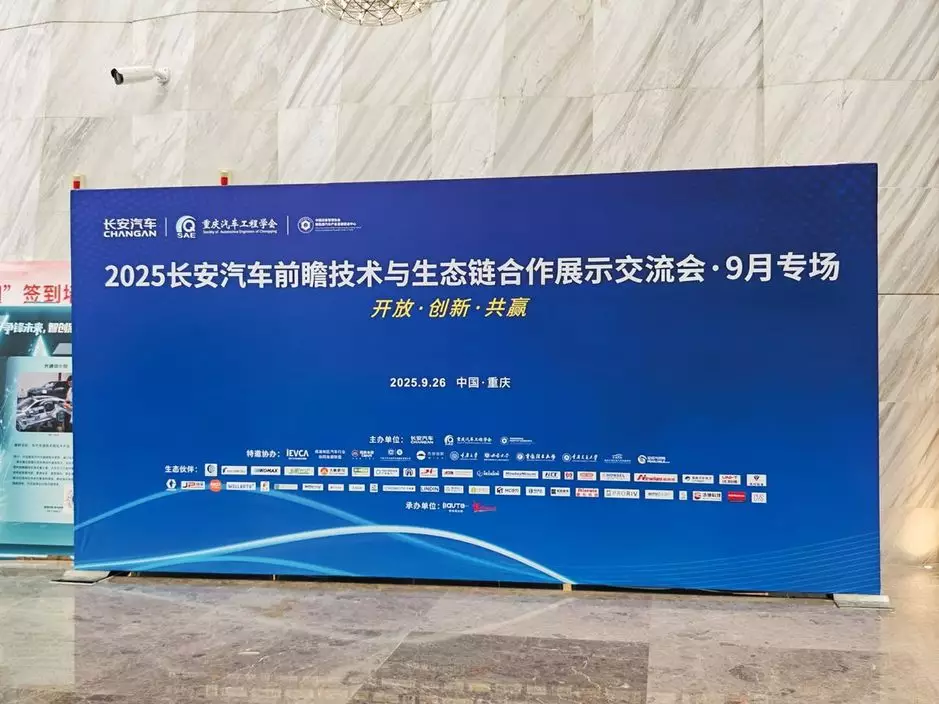
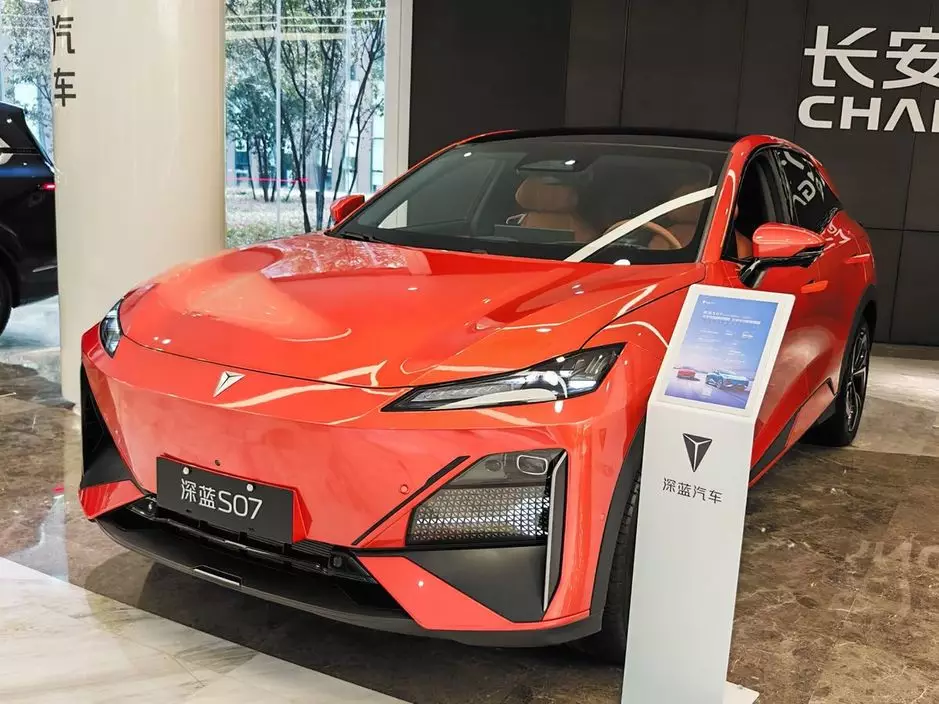
On September 26, the “Hong Kong Media Sichuan-Chongqing Tour: Tale of Two Thriving Cities” concluded in Chongqing, with the delegation visiting Changan Automobile’s Global R&D Center and the Chongqing International Logistics Hub Park to gain firsthand insights into the municipality’s manufacturing prowess and pivotal logistics role.

Changan Automobile is one of China's "Big Four" automotive groups.

Changan Automobile is one of China's "Big Four" automotive groups.

Changan Automobile is one of China's "Big Four" automotive groups.

Changan Automobile is one of China's "Big Four" automotive groups.

Changan Automobile is one of China's "Big Four" automotive groups.

Changan Automobile is one of China's "Big Four" automotive groups.

Changan Automobile is one of China's "Big Four" automotive groups.

Changan Automobile is one of China's "Big Four" automotive groups.

Changan's Oshan brand held a special event.

Changan's Oshan brand held a special event.

Changan Origin E07 .

Changan Origin E07 .

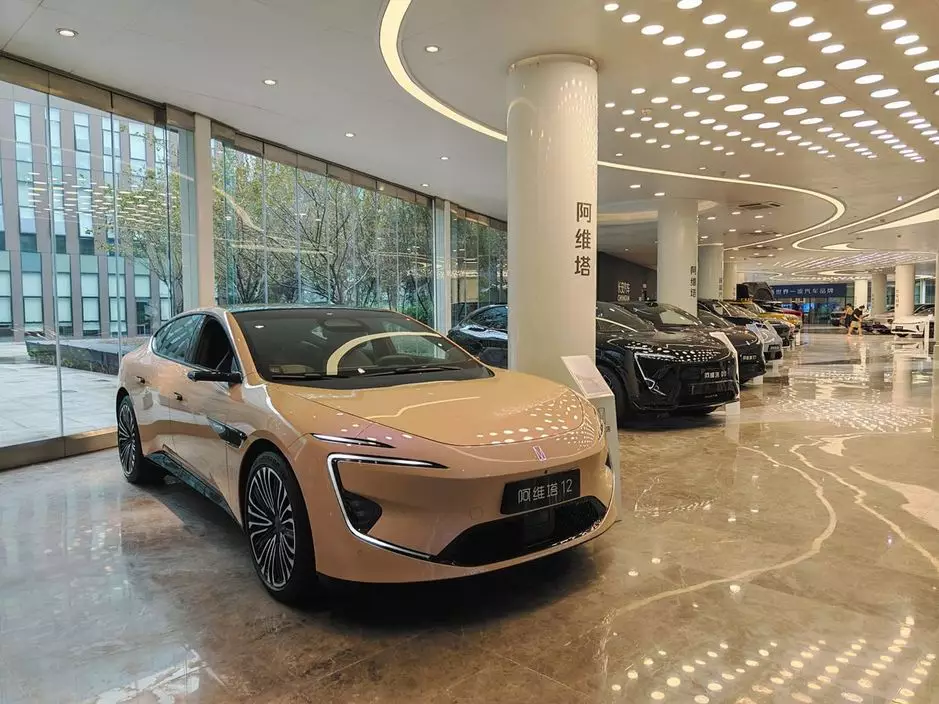
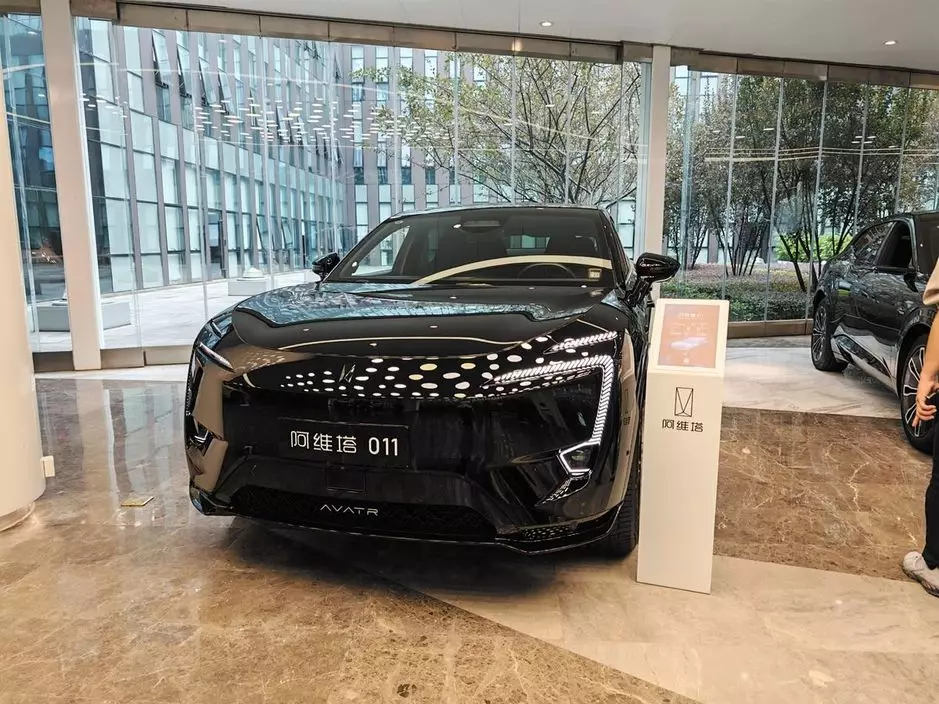
AVATR is one of the three major brands under Changan Automobile.

AVATR is one of the three major brands under Changan Automobile.

AVATR is one of the three major brands under Changan Automobile.

AVATR is one of the three major brands under Changan Automobile.

The group toured Changan Automobile’s Global R&D Center. Changan, one of China’s top four automotive groups, boasts 163 years of history and 41 years of car-making expertise, with 14 global manufacturing bases and 39 factories.

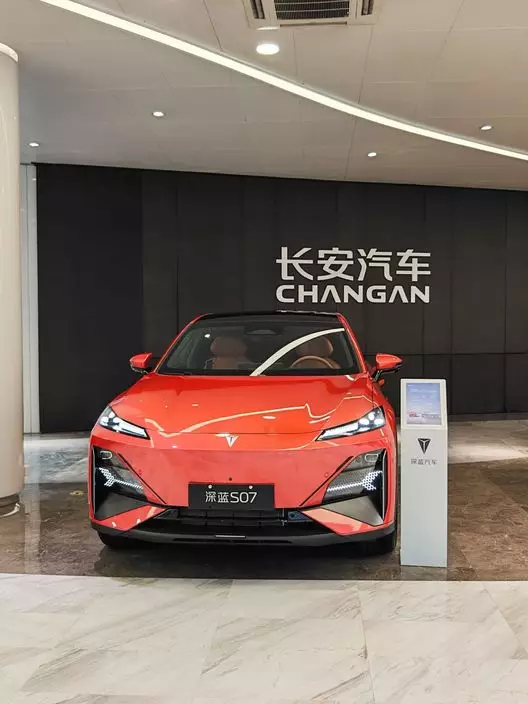
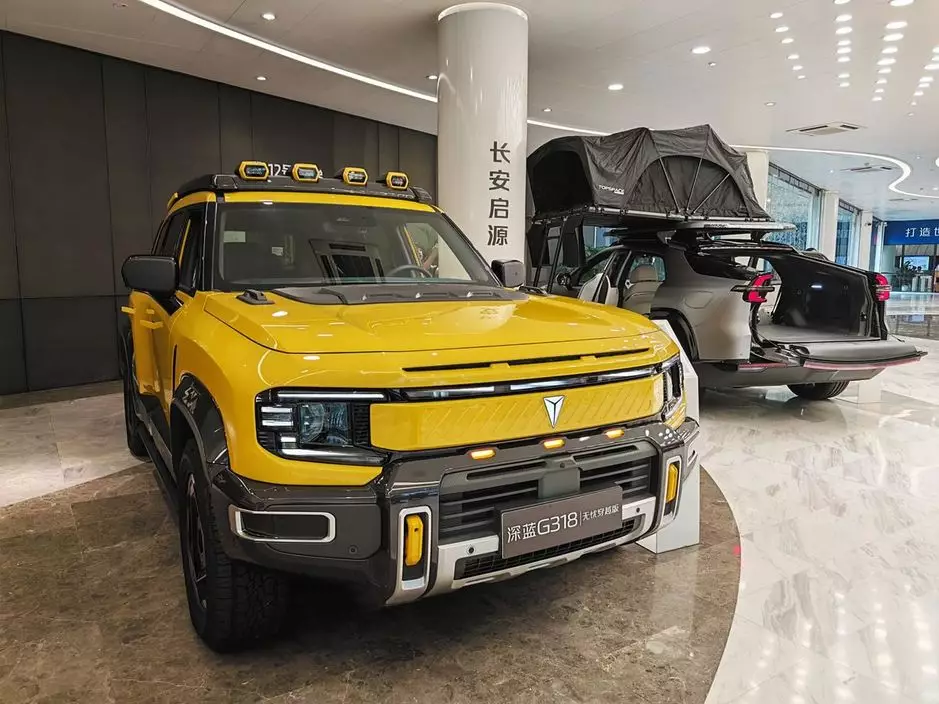
Deepal Auto is one of the three major brands under Changan Automobile.

Deepal Auto is one of the three major brands under Changan Automobile.

Deepal Auto is one of the three major brands under Changan Automobile.

Deepal Auto is one of the three major brands under Changan Automobile.

Deepal Auto is one of the three major brands under Changan Automobile.

Deepal Auto is one of the three major brands under Changan Automobile.

Embracing the era of “smart new vehicles,” Changan is transforming cars from mere “transportation machines” to “smart new species” with evolving “intelligence” and “emotional quotient.” These vehicles offer drivers a seamless, intelligent travel experience across all scenarios.

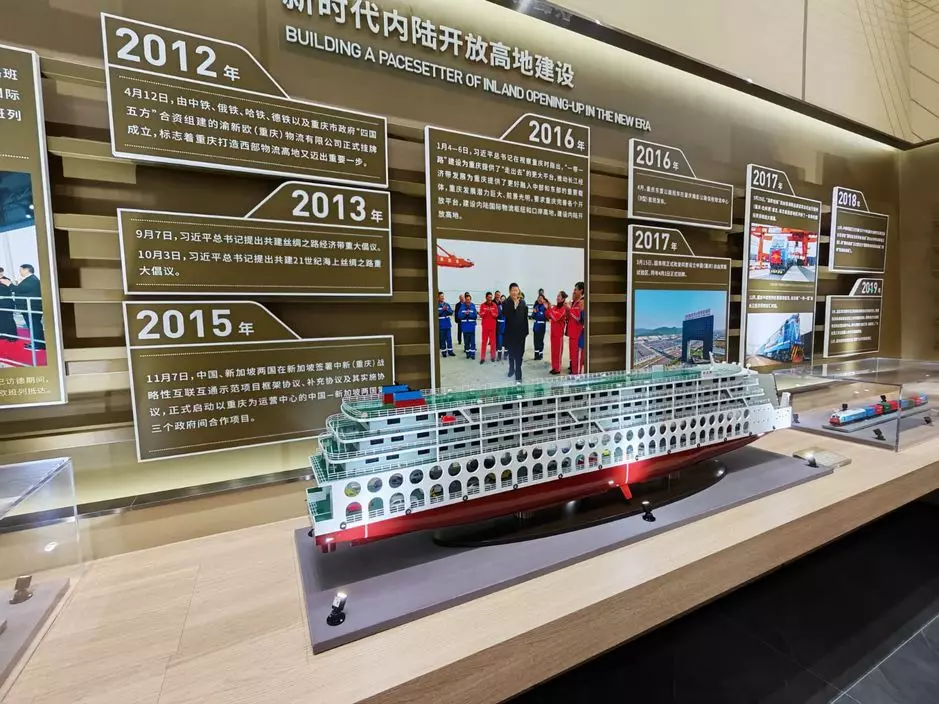
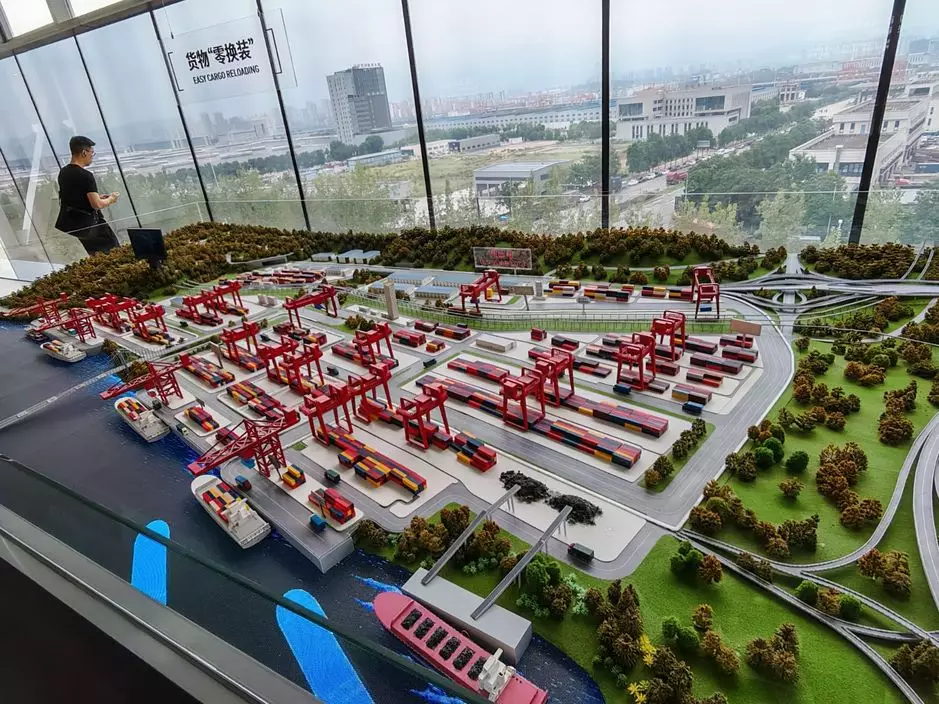
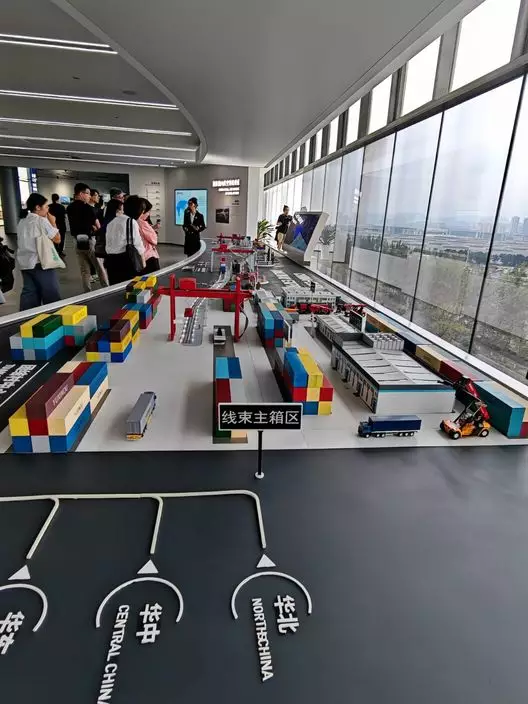
The delegation also visited the Inland International Logistics Hub Exhibition Center, a showcase of Chongqing’s efforts to fulfill President Xi Jinping’s vision of building an inland international logistics hub and open highland. Through a model of “corridors driving logistics, logistics boosting trade, and trade fostering industries,” Chongqing has achieved significant results. Located in the Golden Bay Smart Valley of the Chongqing International Logistics Hub Park, the center spans 2.7 hectares with a total building area of 8,620 square meters. Its exhibition area covers 3,132 square meters, including a 2,082-square-meter core display space, a 770-square-meter product showcase, and a 280-square-meter flight theater, with additional facilities like meeting rooms, reception halls, and rest areas.

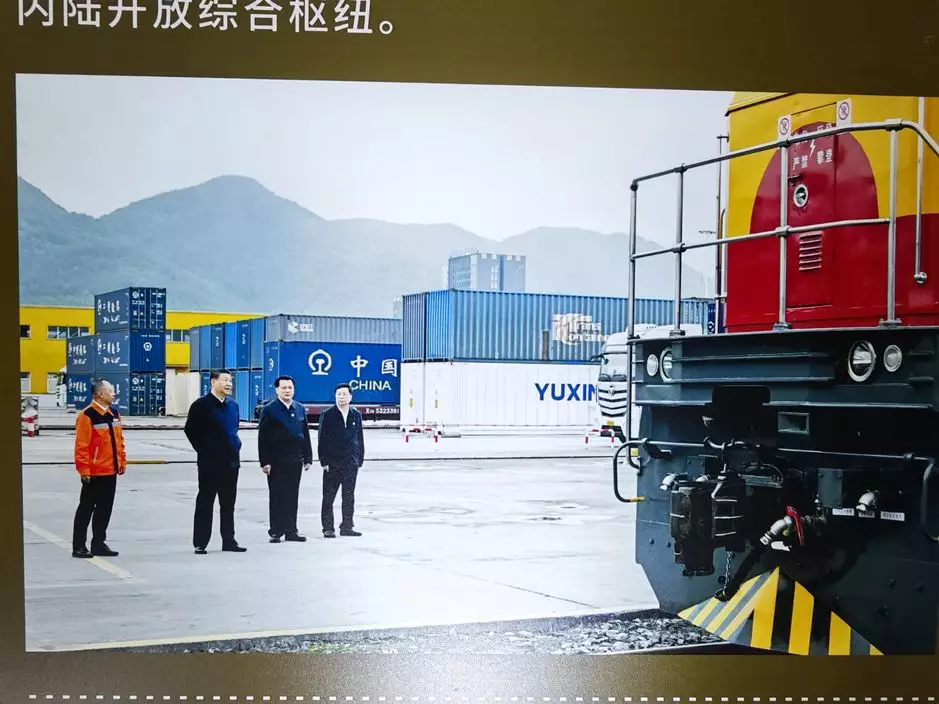
The General Secretary of the Chinese Communist Party inspected Chongqing in 2024.

The General Secretary of the Chinese Communist Party inspected Chongqing in 2024.

Exhibition Center for Chongqing's Inland International Logistics Hub.

Exhibition Center for Chongqing's Inland International Logistics Hub.

The core exhibition, spanning 2,100 square meters, features eight sections: Opening History, Hub City, Hub Corridors, Hub Stations, Hub Ports, Hub Economy, Hub Environment, and Open Outlook. These highlight Chongqing’s transformation from an inland region to an open hub, with logistics and urban development synergizing to support its hub city status.

Chongqing is an inland international logistics hub center.

Chongqing is an inland international logistics hub center.

Building a new-era open inland highland.

Building a new-era open inland highland.

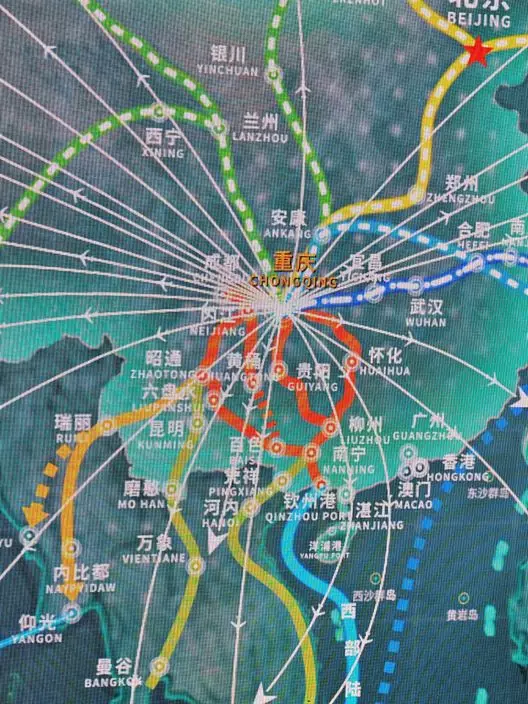
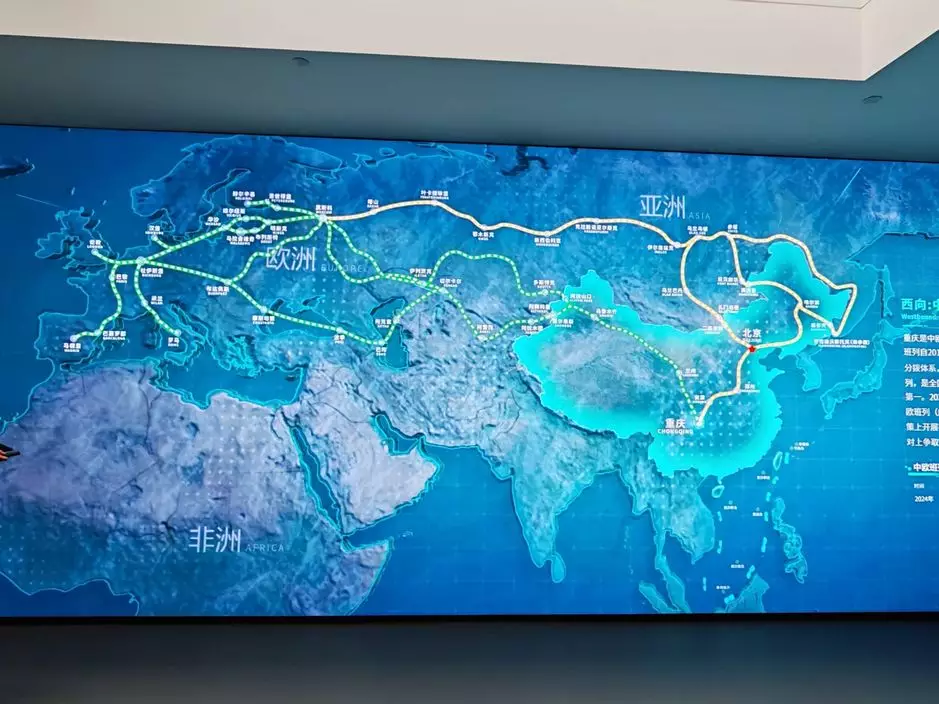
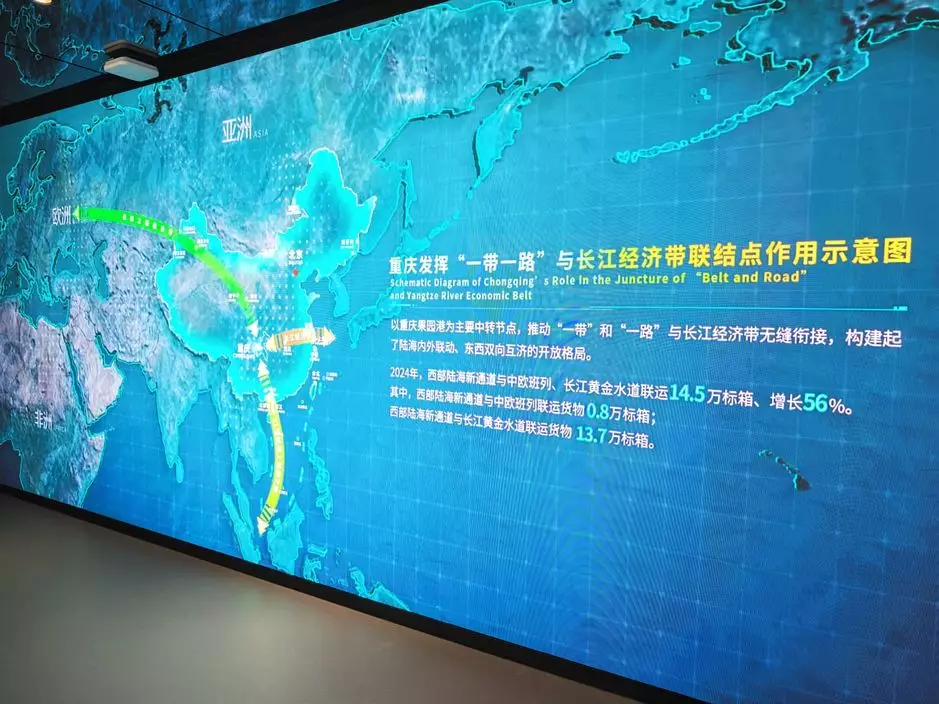
The Chongqing Railway Container Center Station, one of 18 key stations designated by China Railway, is Chongqing’s sole top-tier railway logistics base and its largest container handling station. Since its establishment, it has leveraged its inland logistics hub role to enhance global connectivity, serving as a key origin for international routes like the Western Land-Sea New Corridor intermodal trains, China-Europe (Yuxinou) trains, Chongqing-Manchuria-Russia trains, and Chongqing-Ningbo trains.

Schematic diagram of Chongqing's role as a link between the Belt and Road Initiative and the Yangtze River Economic Belt.

Schematic diagram of Chongqing's role as a link between the Belt and Road Initiative and the Yangtze River Economic Belt.

Chongqing Municipality is committed to developing a logistics hub center

Chongqing Municipality is committed to developing a logistics hub center

A docent explains the situation at the Chongqing Railway Container Center Station.

A docent explains the situation at the Chongqing Railway Container Center Station.

With advanced design, superior rail conditions, cutting-edge handling equipment, robust information systems, and comprehensive facilities, the station’s handling volume grew from 198,000 TEUs in 2010 to 702,000 TEUs in 2023, with a 15% annual growth rate. Rail freight accounts for about 70% of total shipments. The station offers core services like container transport, storage, transshipment, distribution, and warehousing, plus extended services such as container repairs, reefer charging, sea container returns, and road delivery, ensuring robust support for container train operations. Its 80,000-square-meter customs supervision area has 2,000 40-foot container slots, capable of storing boxes for 40 international trains like China-Europe routes, equipped with customs and inspection facilities, verification platforms, full digital management, and 24/7 monitoring.

Chongqing is committed to building an important strategic pivot for the new era of large-scale development.

Chongqing is committed to building an important strategic pivot for the new era of large-scale development.

Recommended Articles