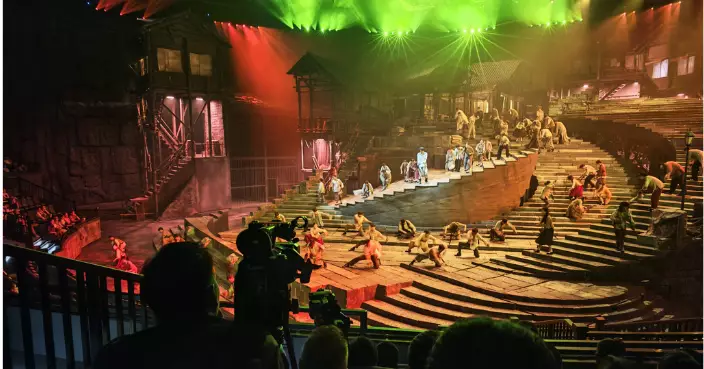
The “VOYAGE INTO SHU: Exploring Sanxingdui and Jinsha • An Immersive Archaeology VR and Exhibition,” co-hosted by China Tourism Group, Hong Kong Maritime Museum, Sanxingdui Museum, and Chengdu Jinsha Site Museum, will run from October 1 to November 15 at the Hong Kong Maritime Museum. This marks the first time Sanxingdui and Jinsha digital exhibitions are showcased in Hong Kong. During the “Hong Kong Media Sichuan-Chongqing Tour: Tale of Two Thriving Cities,” a group of about 30 Hong Kong journalists visited Deyang City, Sichuan, exploring the Sanxingdui Museum, located on the banks of the Yazi River in Guanghan.
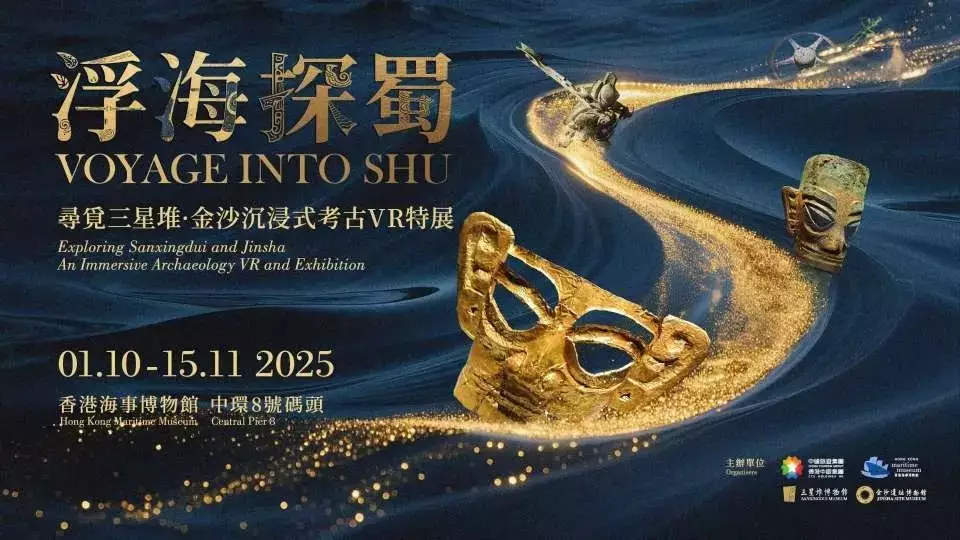
VOYAGE INTO SHU: Exploring Sanxingdui and Jinsha • An Immersive Archaeology VR and Exhibition.
The Sanxingdui Museum exhibits a large number of precious cultural relics. Photo by Bastille Post.
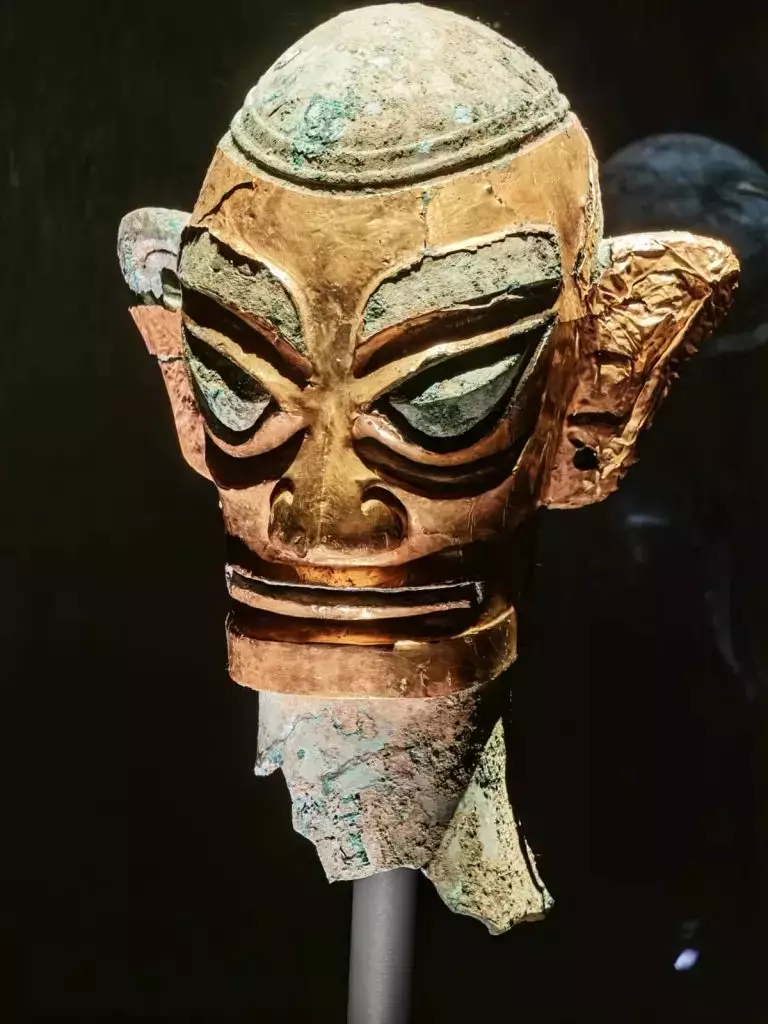
The Sanxingdui Museum exhibits a large number of precious cultural relics. Photo by Bastille Post.
Discovered in the late 1920s, the Sanxingdui site is Southwest China’s largest and longest-lasting pre-Qin ancient city-state ruin. Nearly a century of excavations reveals it evolved into a major settlement by the late Neolithic to Xia period, with city walls and large structures by the early Shang Dynasty. By the mid-Shang period, it boasted a grand city scale, peak metallurgy, jade crafting, and silk weaving, and a unique belief system, exuding a royal capital’s grandeur.
Click to Gallery
VOYAGE INTO SHU: Exploring Sanxingdui and Jinsha • An Immersive Archaeology VR and Exhibition.
The Sanxingdui Museum exhibits a large number of precious cultural relics. Photo by Bastille Post.
The Sanxingdui Museum exhibits a large number of precious cultural relics. Photo by Bastille Post.
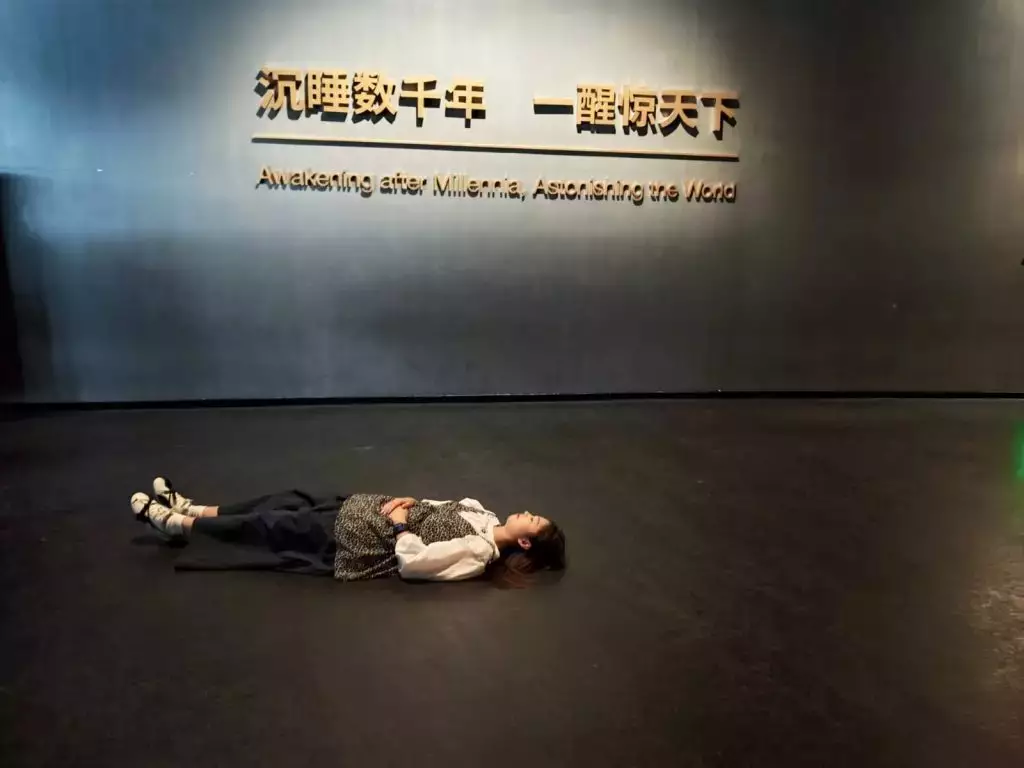
Tourists are taking photos at the Sanxingdui Museum. Photo by Bastille Post.
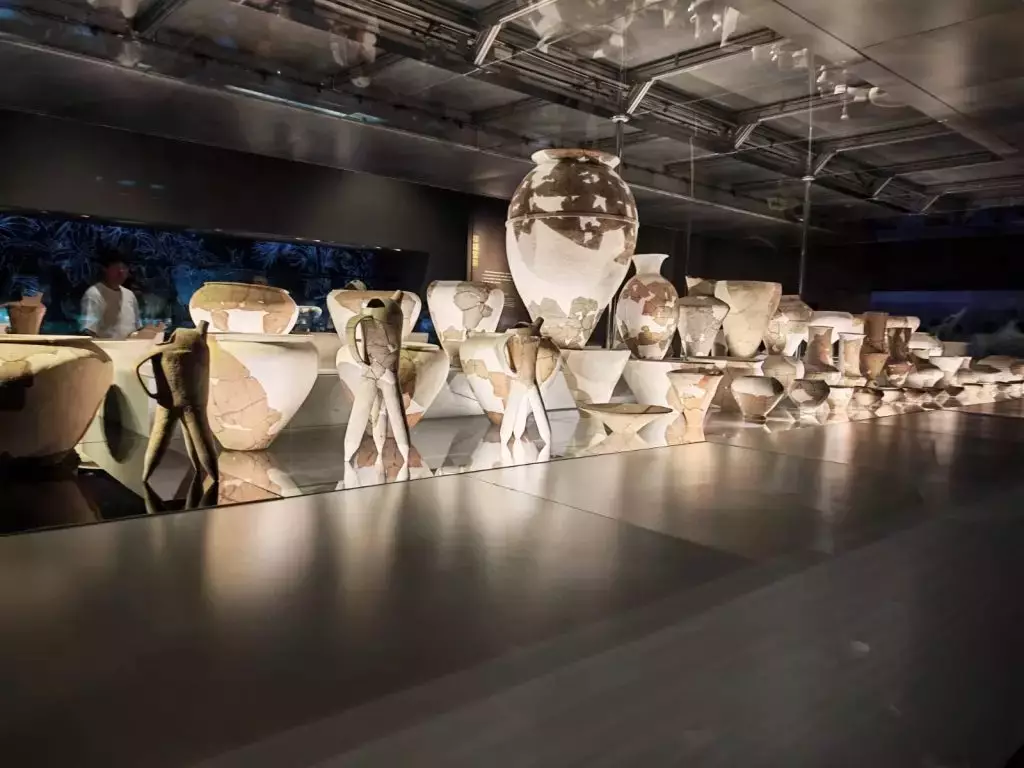
The Sanxingdui Museum exhibits a large number of precious cultural relics. Photo by Bastille Post.
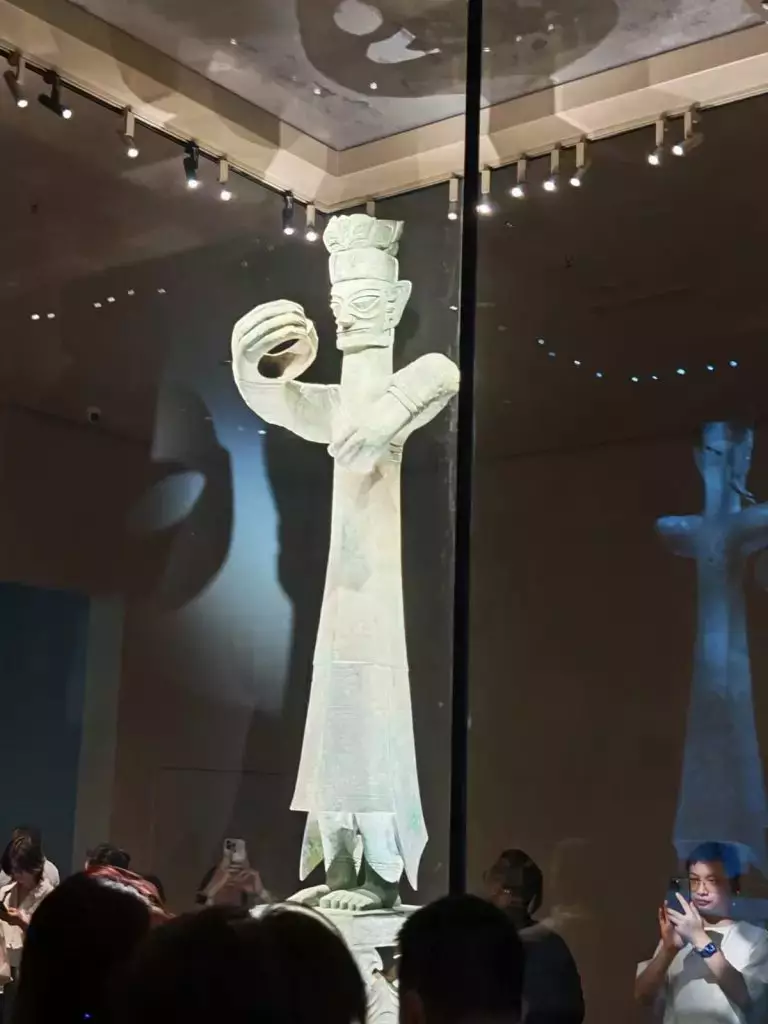
The Sanxingdui Museum exhibits a large number of precious cultural relics. Photo by Bastille Post.
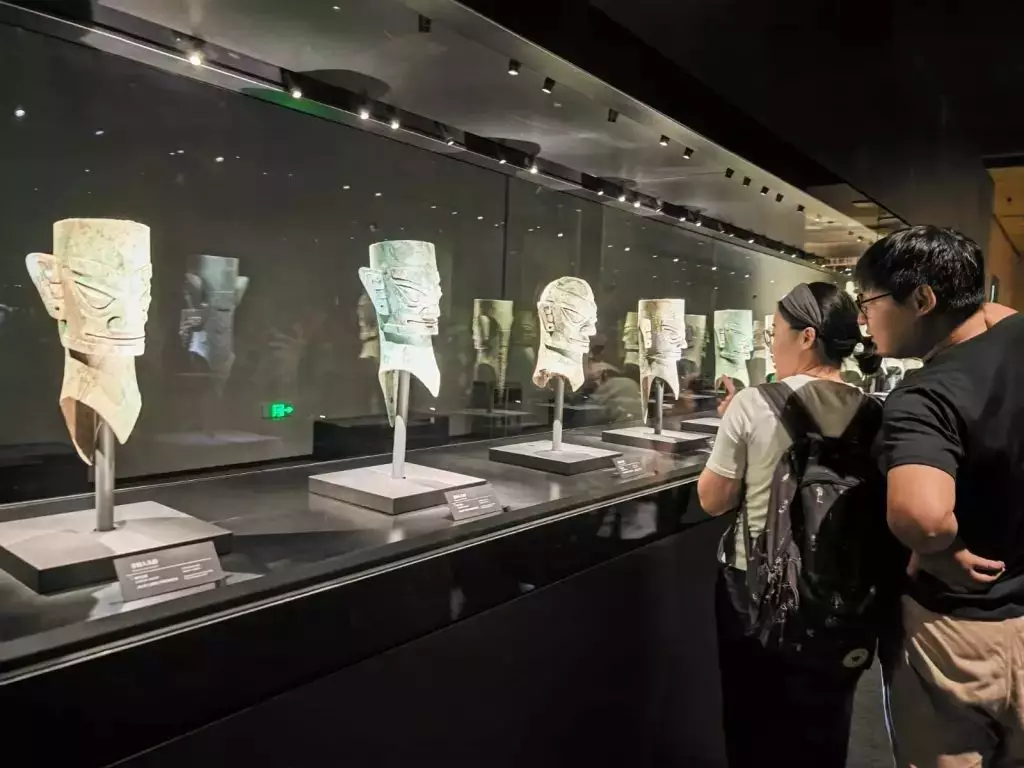
The Sanxingdui Museum exhibits a large number of precious cultural relics. Photo by Bastille Post.
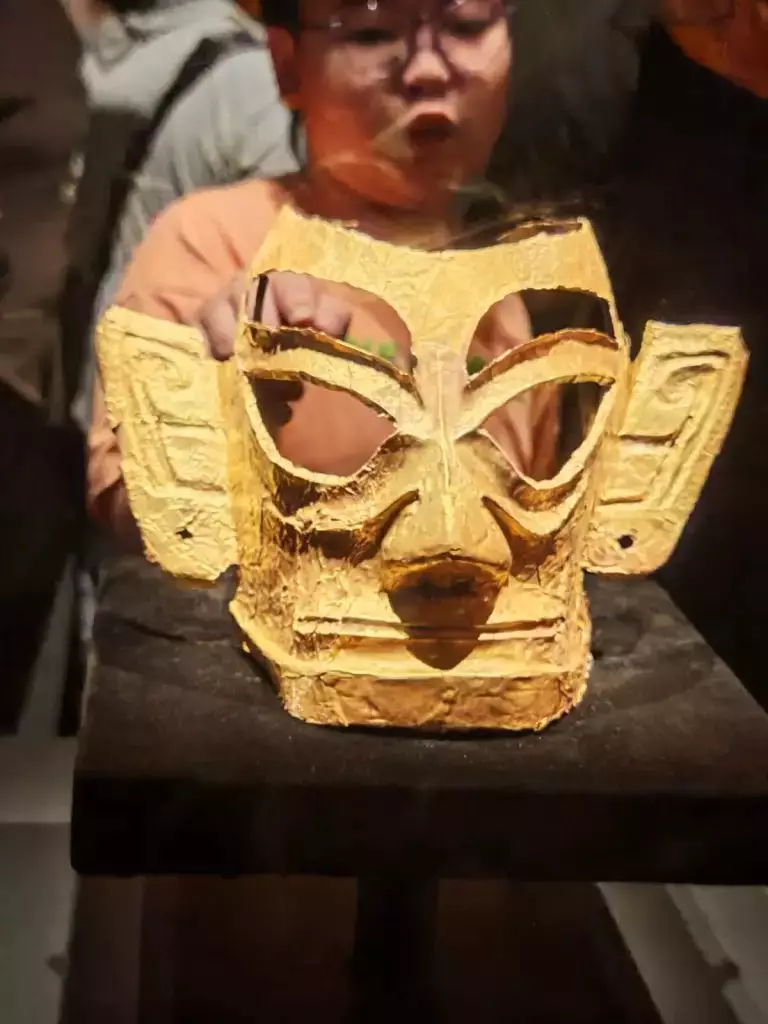
Sanxingdui gold mask. Photo by Bastille Post.
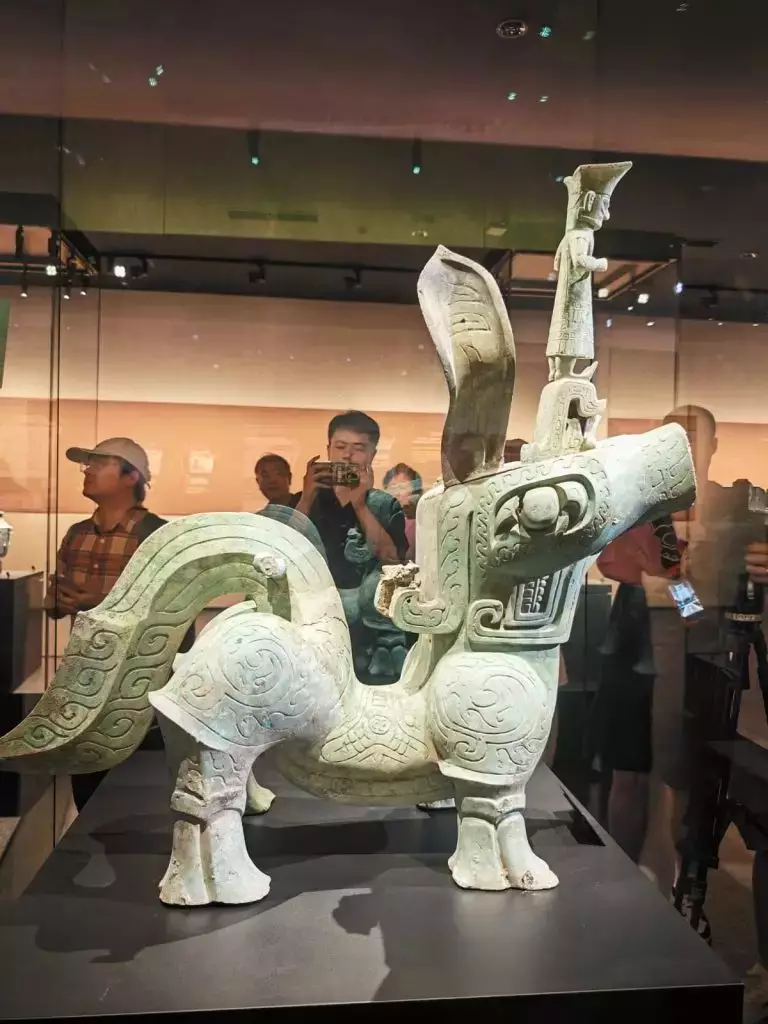
Important cultural relics such as the Sanxingdui bronze divine beast and gold mask were exhibited in Hong Kong in 2024 at the Palace Museum. Photo by Bastille Post.
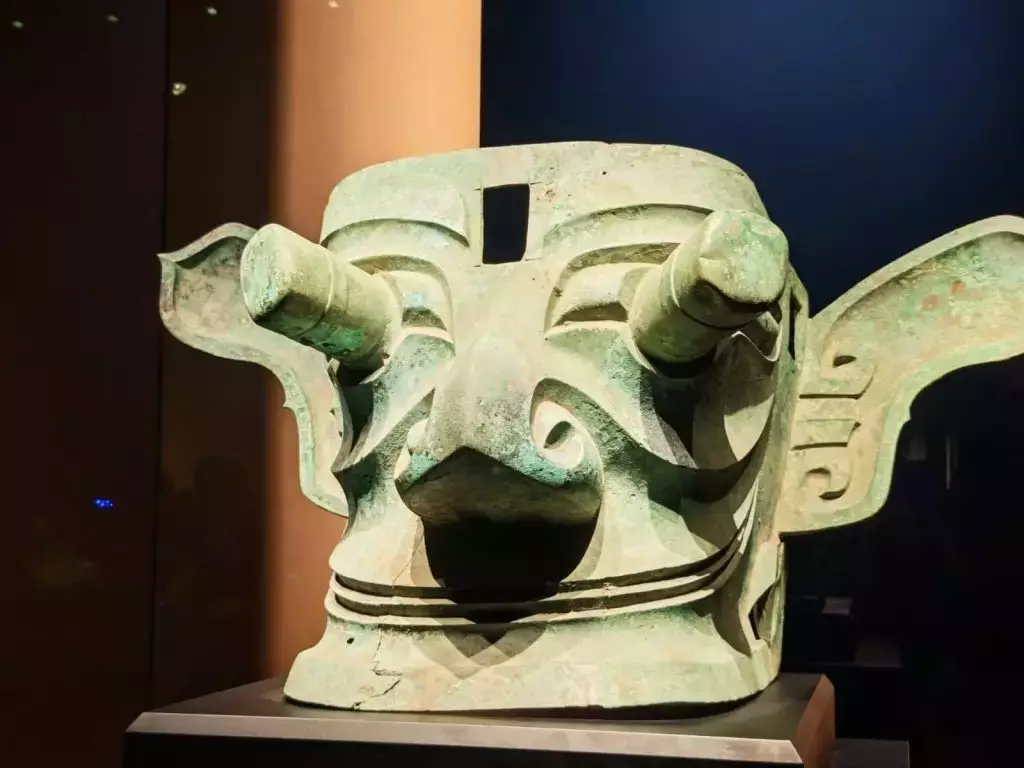
The bronze longitudinal-eyed mask from Sanxingdui likely draws its imagery from the described features of the ancient figures Can Cong and Zhu Long in historical records, and is believed to represent an ancestral deity of the ancient Shu people. Photo by a reporter from Bastille Post.
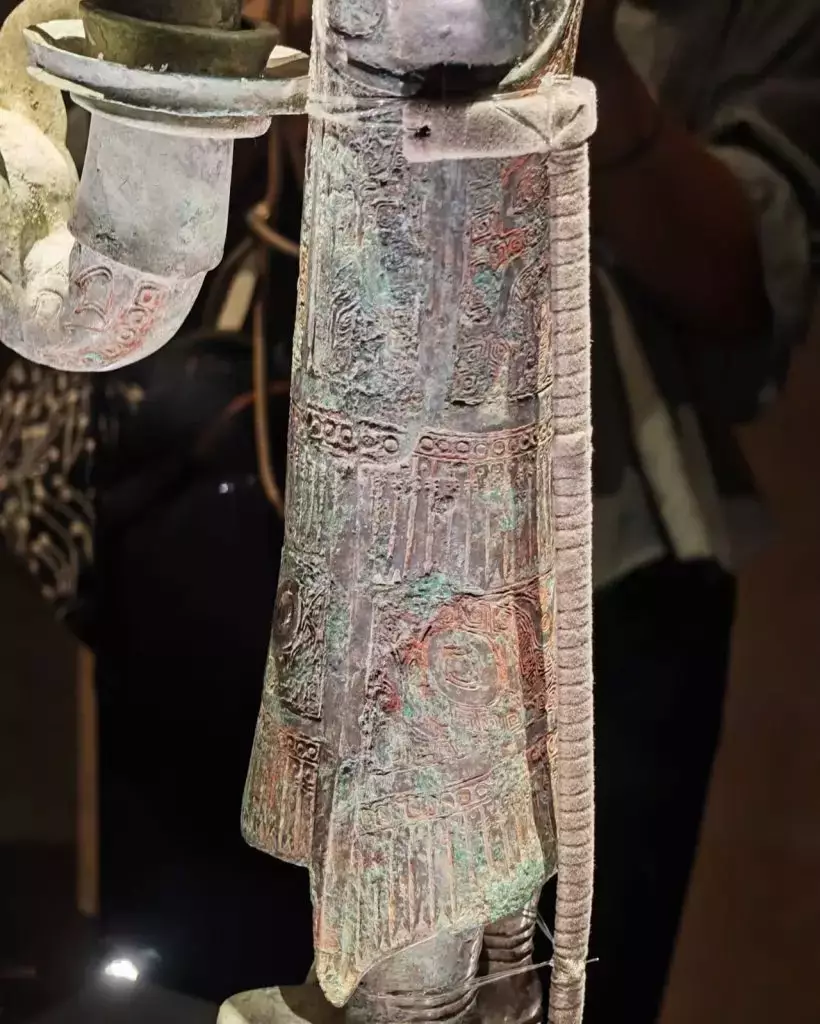
The Sanxingdui Museum exhibits a large number of precious cultural relics. Photo by Bastille Post.
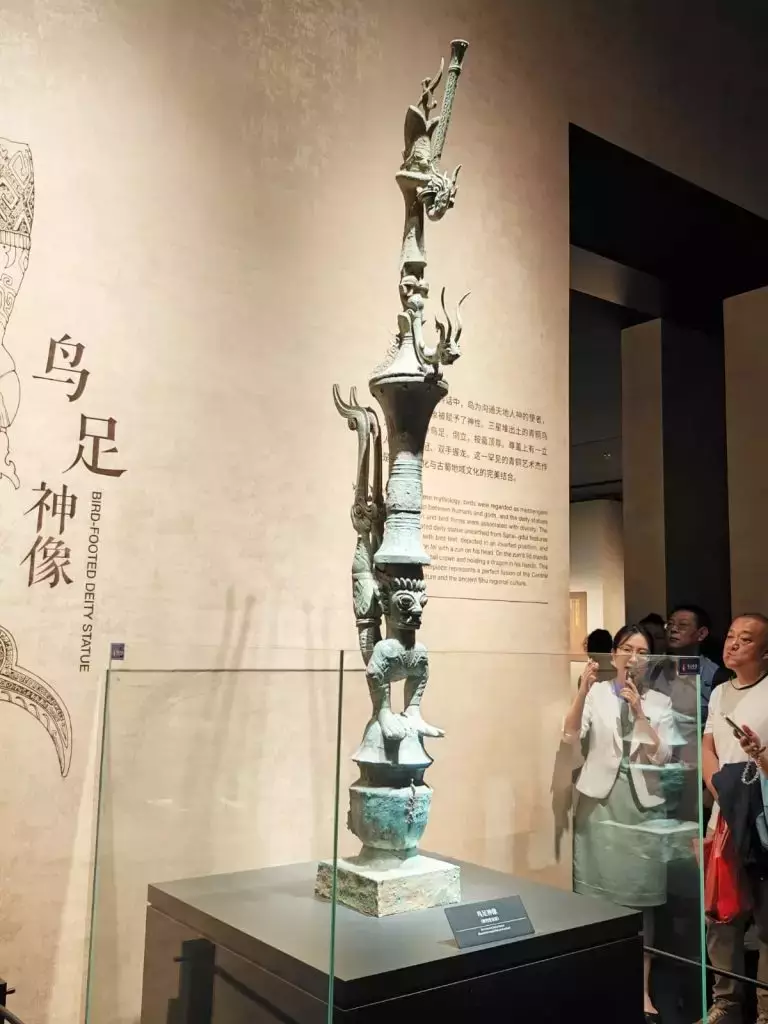
The Bronze Bird-Footed Deity Statue stands over 2.5 meters tall. Photo by Bastille Post.
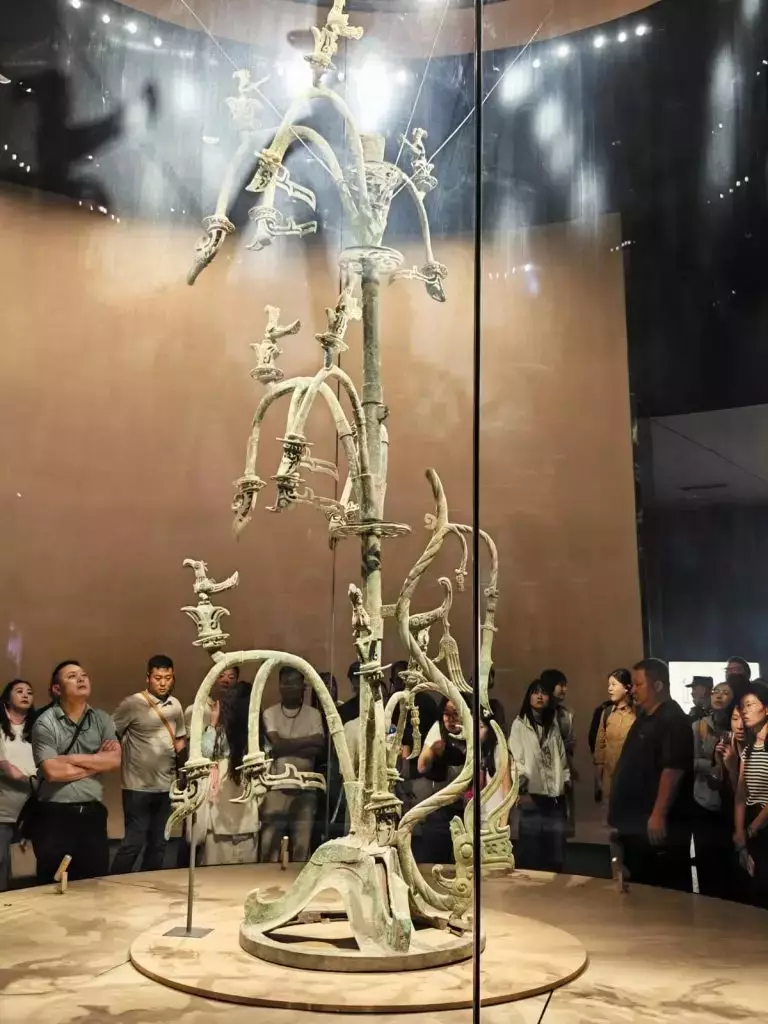
The Bronze Sacred Tree stands at a total height of 396 centimeters, making it the largest single bronze artifact discovered in China to date. Photo by from Bastille Post.
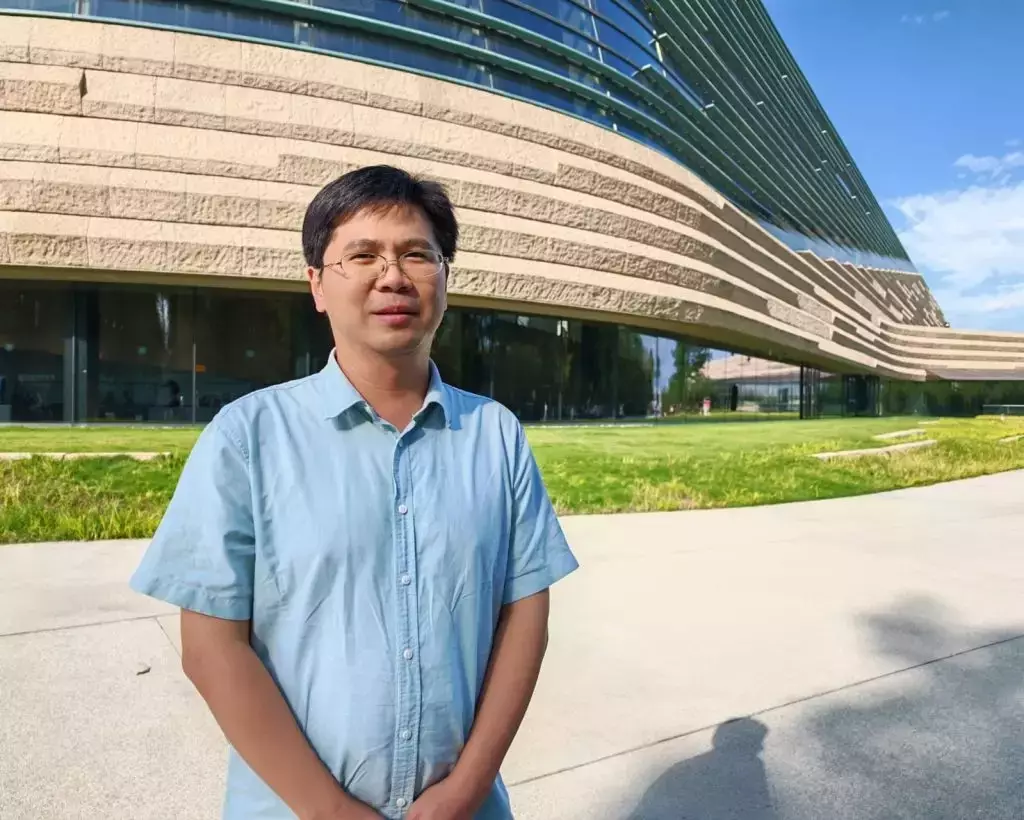
Yu Jian, Deputy Director of the Sanxingdui Museum. Photo by Bastille Post.
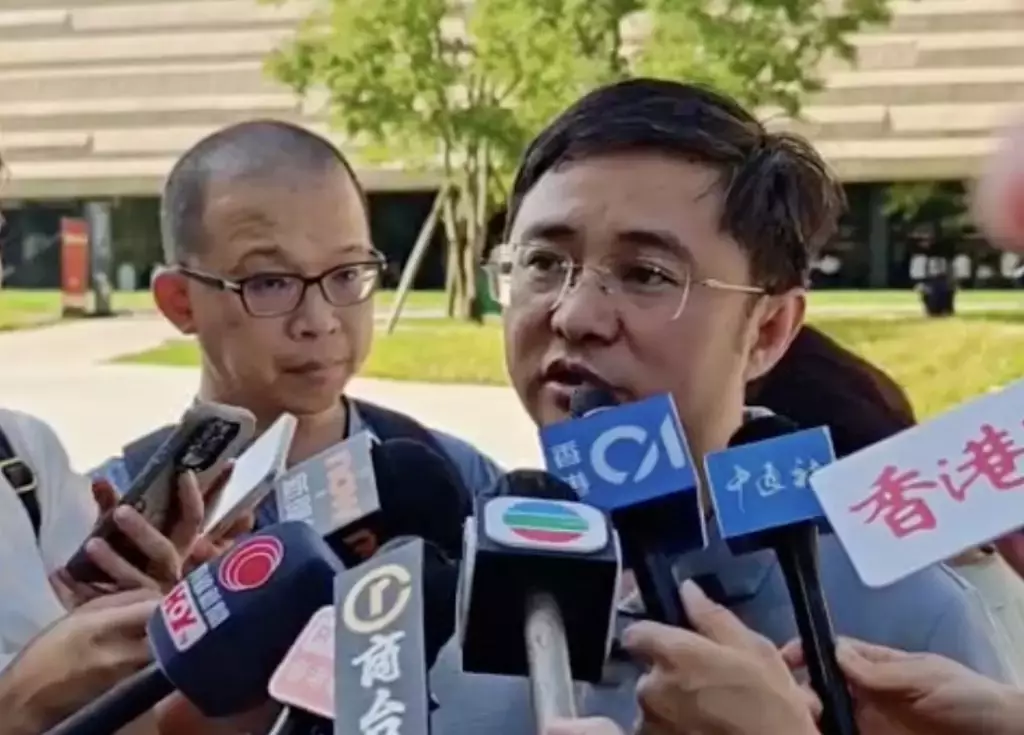
Lin Wei, Director of the Cultural Industry Department at the Sanxingdui Museum.
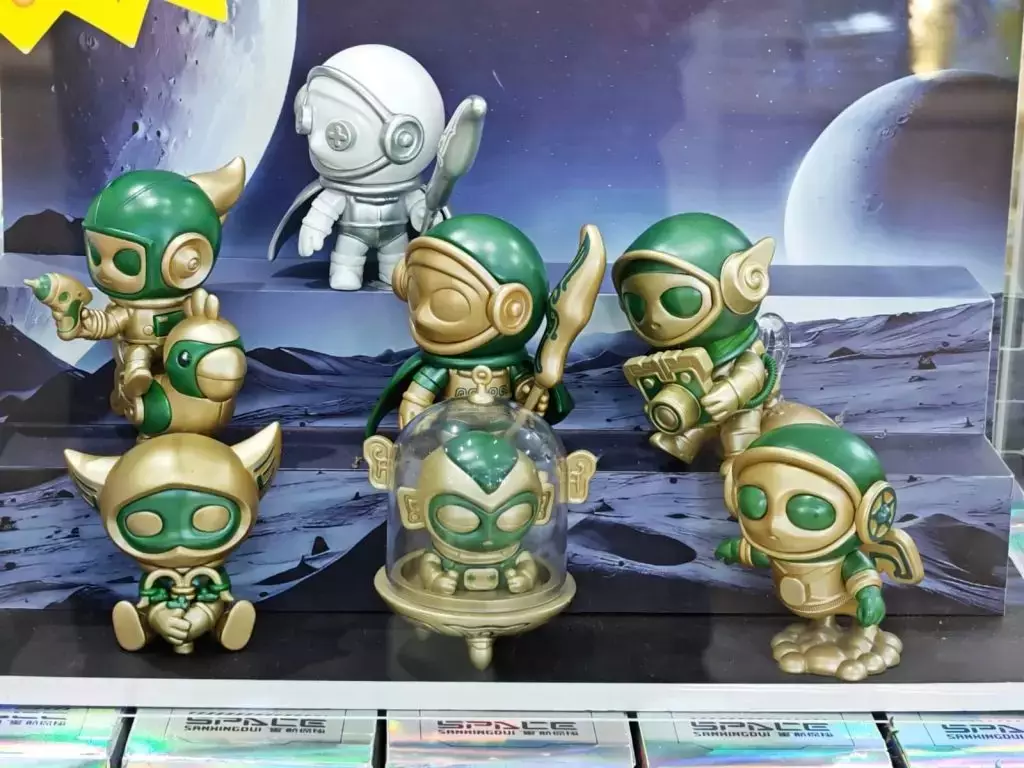
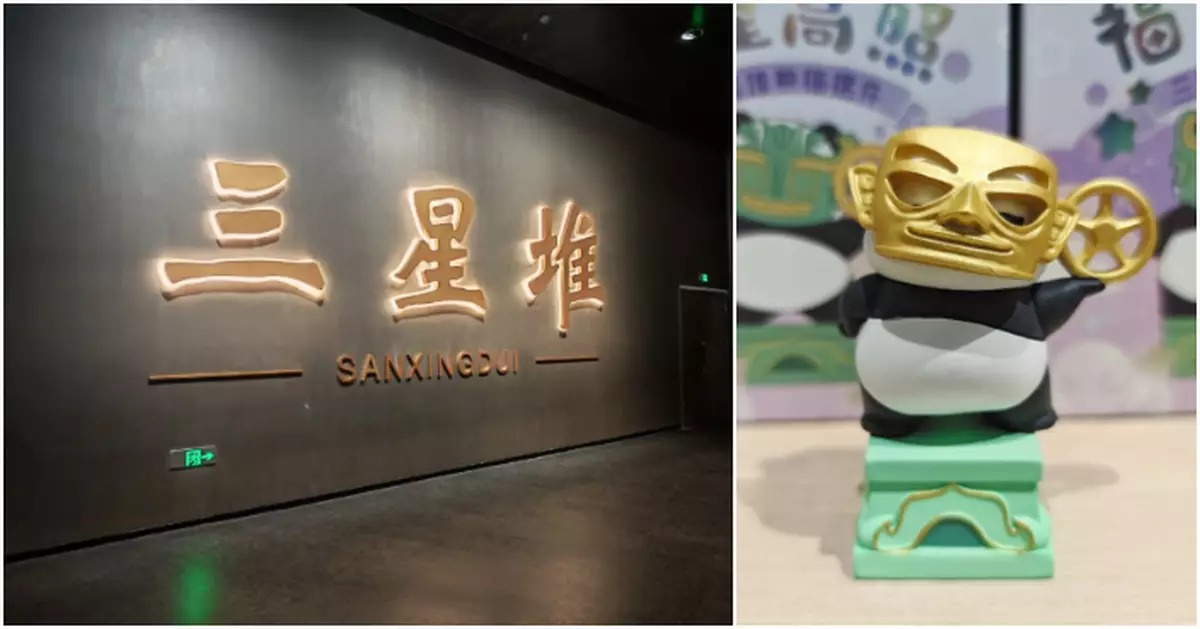
The Sanxingdui Museum has launched cultural and creative products. Photo by Bastille Post.
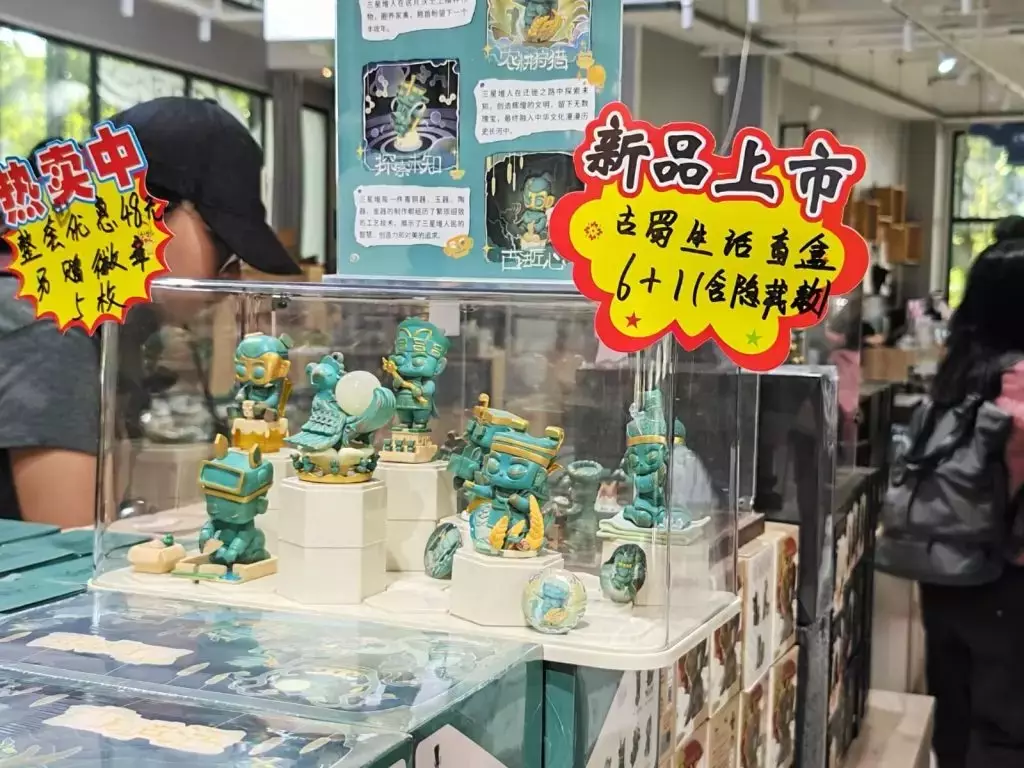
The Sanxingdui Museum has launched cultural and creative products. Photo by Bastille Post.
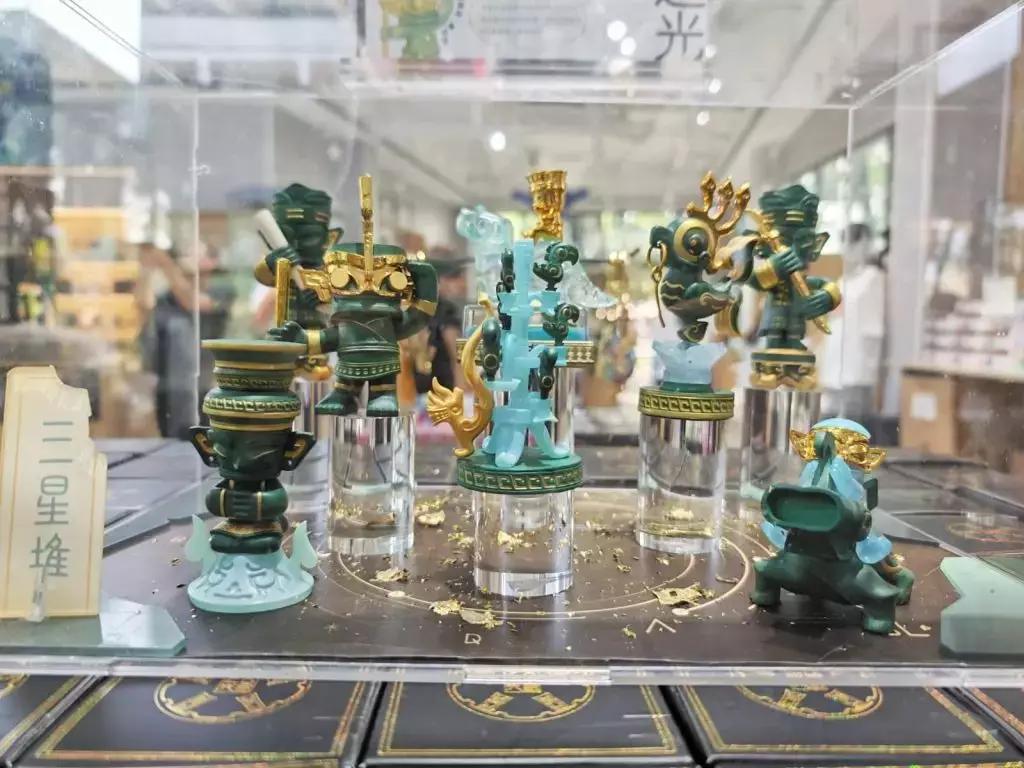
The Sanxingdui Museum has launched cultural and creative products. Photo by Bastille Post.
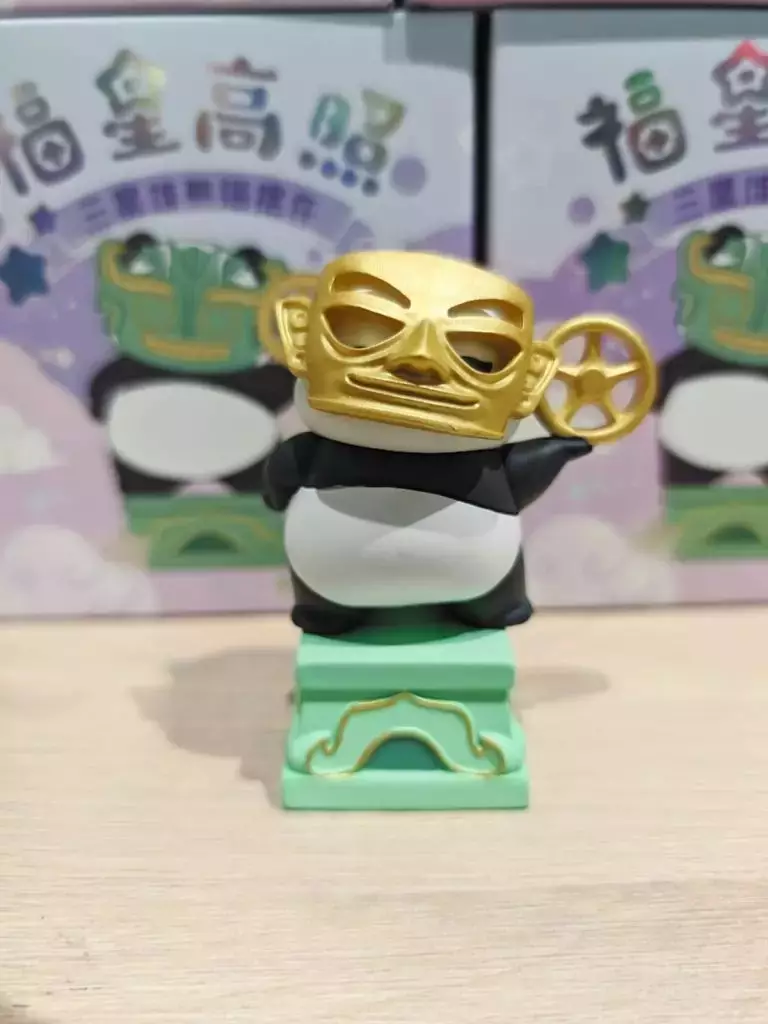
The Sanxingdui Museum has launched cultural and creative products. Photo by Bastille Post.
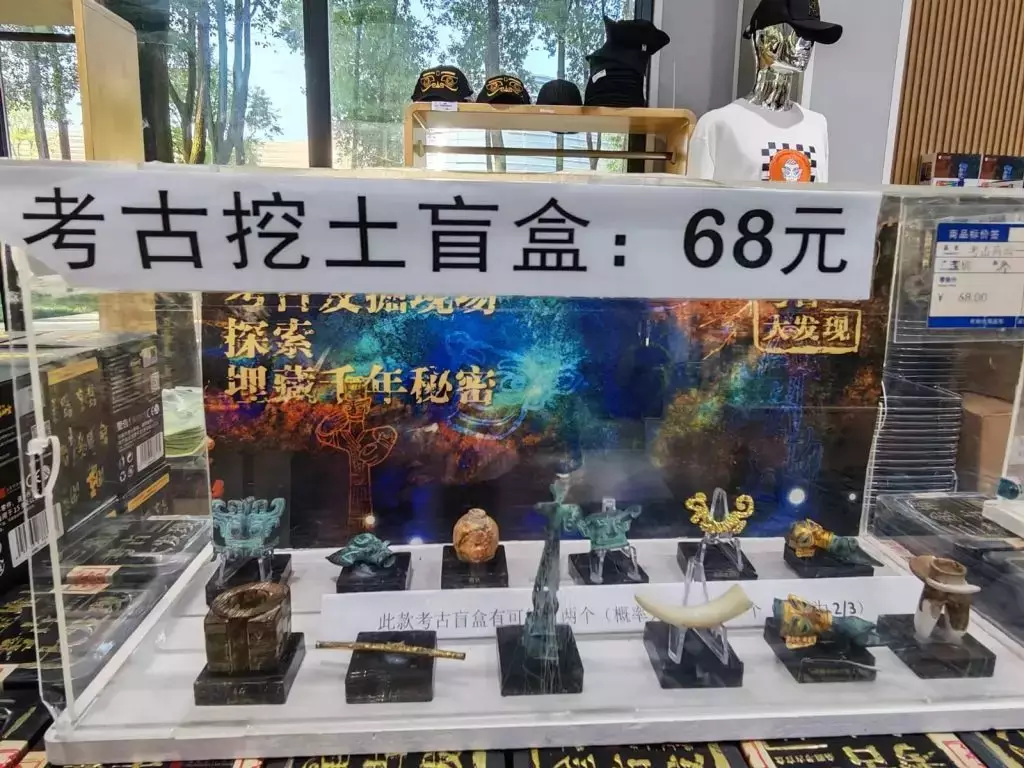
The Sanxingdui Museum has launched cultural and creative products. Photo by Bastille Post.
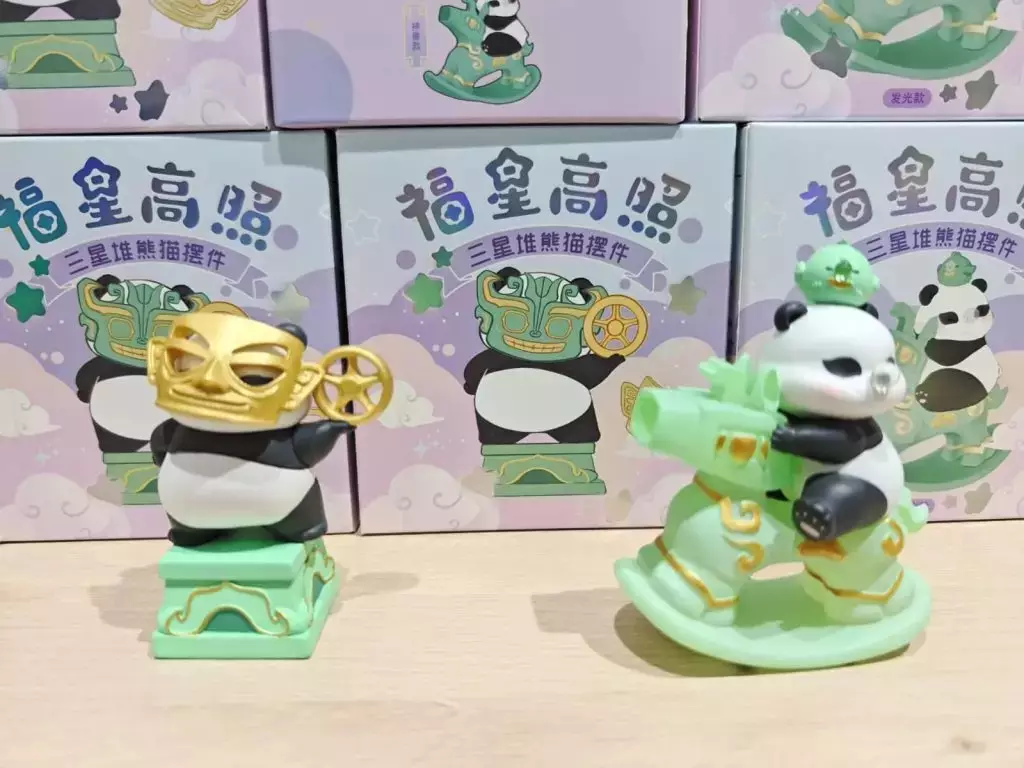
The Sanxingdui Museum has launched cultural and creative products. Photo by Bastille Post.
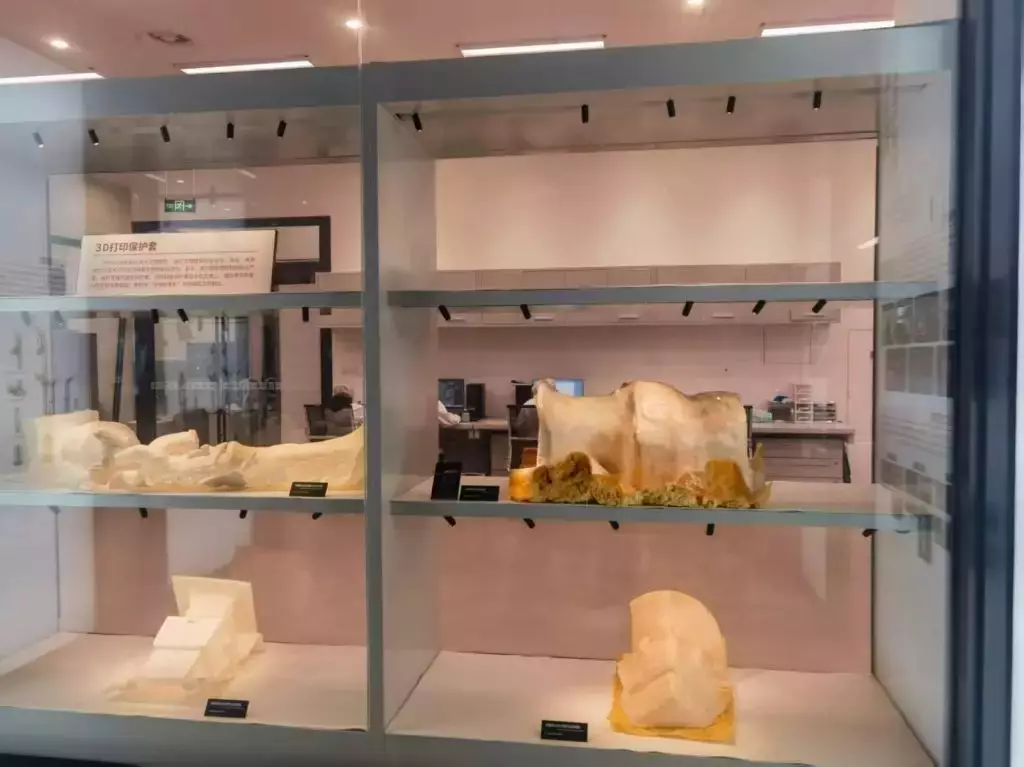
Sanxingdui Cultural Relics Restoration Center. Photo by Bastille Post.
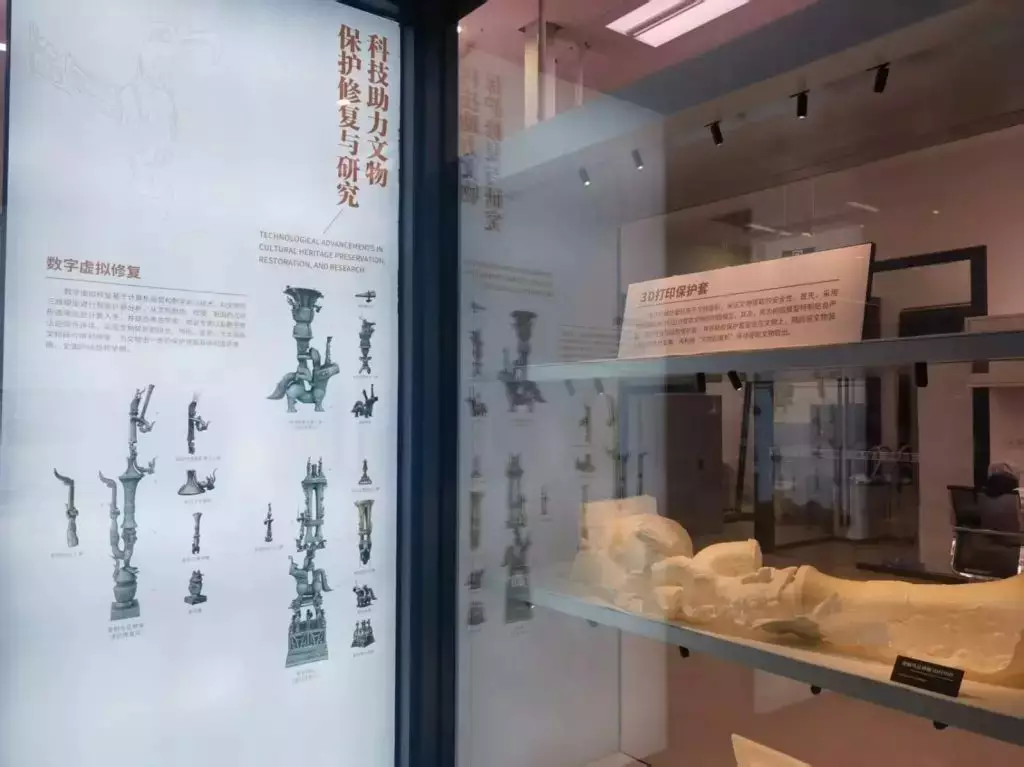
Sanxingdui Cultural Relics Restoration Center. Photo by Bastille Post.
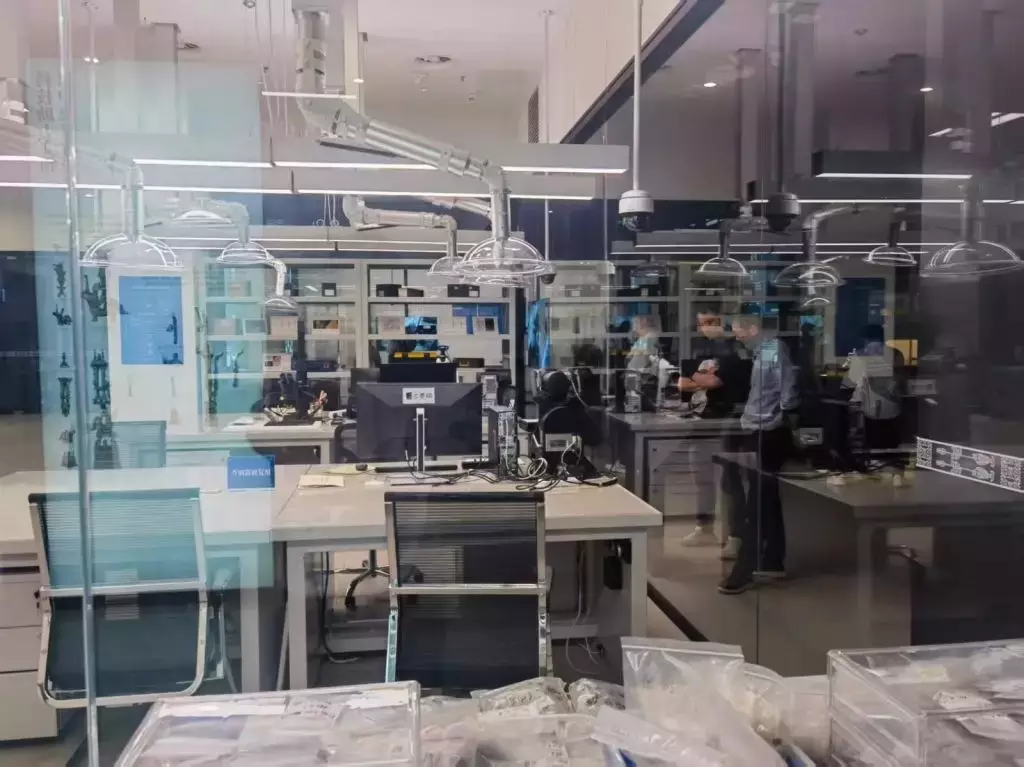
Sanxingdui Cultural Relics Restoration Center. Photo by Bastille Post.
Tourists are taking photos at the Sanxingdui Museum. Photo by Bastille Post.
The Sanxingdui Museum exhibits a large number of precious cultural relics. Photo by Bastille Post.
The Sanxingdui Museum exhibits a large number of precious cultural relics. Photo by Bastille Post.
The Sanxingdui Museum exhibits a large number of precious cultural relics. Photo by Bastille Post.
Sanxingdui gold mask. Photo by Bastille Post.
Important cultural relics such as the Sanxingdui bronze divine beast and gold mask were exhibited in Hong Kong in 2024 at the Palace Museum. Photo by Bastille Post.
The bronze longitudinal-eyed mask from Sanxingdui likely draws its imagery from the described features of the ancient figures Can Cong and Zhu Long in historical records, and is believed to represent an ancestral deity of the ancient Shu people. Photo by a reporter from Bastille Post.
The Sanxingdui Museum exhibits a large number of precious cultural relics. Photo by Bastille Post.
The Bronze Bird-Footed Deity Statue stands over 2.5 meters tall. Photo by Bastille Post.
Deyang, rooted in the ancient Shu civilization, embraces the “World Sanxingdui, Leisurely Travel Deyang” brand, developing a “1+N” museum cluster and “3+N” city-wide tourism framework, achieving notable success in cultural-tourism integration. In September 2025, Deyang announced at a Sanxingdui Cultural Tourism Development Zone event its plan to leverage Sanxingdui’s cultural resources, linking the site park and museum to create a world-class cultural tourism landmark.
Sanxingdui Museum deputy director Yu Jian said the museum welcomed over 600,000 visitors in 2024, becoming Sichuan’s “super gateway” for cultural tourism, boosting nearby industries and highlighting Deyang’s potential within the Chengdu-Chongqing economic circle.
The museum pioneered the “Discovering Sanxingdui—Sacrificial Pit Archaeological Site” large-scale VR immersive experience, using Location-Based Entertainment (LBE) technology for a shared virtual environment where multiple visitors can freely explore the archaeological site as if present. Yu Jian noted this VR lets visitors “time-travel” to ancient Shu sacrificial scenes, with interactive halls offering jade-making and sacred tree prayer activities, shifting from “observing” to “participating.” The new museum, spanning 54,000 square meters with 20 square meters of exhibition space, is Southwest China’s largest site museum. Its core exhibit, “Sanxingdui: Sleeping for Millennia, Awakening to Astonish,” is divided into “Dreams of a Century,” “Majestic Capital,” and “Heaven, Earth, Man, and Gods,” showcasing archaeological findings.
The Bronze Sacred Tree stands at a total height of 396 centimeters, making it the largest single bronze artifact discovered in China to date. Photo by from Bastille Post.
Yu Jian, Deputy Director of the Sanxingdui Museum. Photo by Bastille Post.
Lin Wei, Director of the Cultural Industry Department at the Sanxingdui Museum.
The Sanxingdui Museum has launched cultural and creative products. Photo by Bastille Post.
The Sanxingdui Museum has launched cultural and creative products. Photo by Bastille Post.
The Sanxingdui Museum has launched cultural and creative products. Photo by Bastille Post.
The Sanxingdui Museum has launched cultural and creative products. Photo by Bastille Post.
The Sanxingdui Museum has launched cultural and creative products. Photo by Bastille Post.
The Sanxingdui Museum has launched cultural and creative products. Photo by Bastille Post.
In 2024, the museum established the Sanxingdui International Communication Center with China Media University, launching multilingual documentaries and short videos on YouTube and TikTok to attract global youth. Yu Jian highlighted close ties with the Hong Kong Palace Museum, where the new museum’s first special exhibition showcased six sacrificial pits’ latest findings. “Hong Kong’s global platform helps us promote Sanxingdui artifacts, share China’s story, and highlight ancient Shu civilization,” Yu said. The partnership includes international academic seminars with global scholars, with plans for future study tours, exchanges, and cultural product creation.
The museum blends intangible cultural heritage with digital tech. Its 2024 digital exhibition at Macau’s MGM drew public attention, with shows in Qatar, Egypt, and Paris. “Through digital exhibitions and replicas, we aim to share Sanxingdui culture with Hong Kong’s citizens and tourists,” Yu said. Hong Kong’s global platform and exhibition infrastructure make it ideal for joint exhibitions, academic exchanges, and commercial cultural product development. The Macau exhibition’s success inspires plans to bring similar displays to Hong Kong.
Sanxingdui Cultural Relics Restoration Center. Photo by Bastille Post.
Sanxingdui Cultural Relics Restoration Center. Photo by Bastille Post.
Sanxingdui Cultural Relics Restoration Center. Photo by Bastille Post.
Deyang leverages VR and XR technologies to enhance visitor experiences and share archaeological achievements. Future plans include bringing VR exhibitions to Hong Kong and beyond to expand the ancient Shu civilization’s global influence. To attract more Hong Kong, Macau, and Taiwan visitors, the museum waives reservations for those over 60, allowing direct entry. Yu Jian hopes for better policies to ease exhibition access for international visitors.
Museum Cultural Industries Department head Lin Wei said self-developed cultural products account for 10% of offerings, generating 200 million yuan in 2024. “Self-development and commissioned development ensure quality while avoiding inferior products. We aim to make cultural products our final exhibition hall,” Lin said. In 2023, a joint exhibition with the Hong Kong Palace Museum, “Gazing at Sanxingdui: New Sichuan Archaeological Discoveries,” sparked a craze, with Sanxingdui’s bronze mask ice cream becoming a viral hit among Hong Kong visitors.
Lin Wei noted, “The viral ice cream exemplifies creative cultural products blending traditional artifacts, successfully promoting our culture.” The museum’s strategy of combining artifact and cultural product exhibitions has proven effective, with plans to continue this “artifacts + cultural sales” model globally.
Recent excavations unearthed 17,000 artifacts, with over 40 bronze, gold, jade, and ivory items restored in 2024. Yu Jian emphasized, “Restoration requires expertise and passion. VR helps young people understand its challenges, inspiring them to join the field.”