Skip to Content Facebook Feature Image

HK Media’s Sichuan-Chongqing Tour : Hong Kong and Ancient Shu Share Roots, Jinsha Site Proves China’s “Diverse Unity” Civilization

China

China

China

HK Media’s Sichuan-Chongqing Tour : Hong Kong and Ancient Shu Share Roots, Jinsha Site Proves China’s “Diverse Unity” Civilization

2025-10-03 18:19 Last Updated At:18:19

The “Hong Kong Media Sichuan-Chongqing Tour: Tale of Two Thriving Cities” continued in Sichuan, with the delegation visiting the Chengdu Jinsha Site Museum to explore precious artifacts from the ancient Shu Kingdom, dating back about 3,200 years, and to understand China’s “diverse yet unified” civilization.
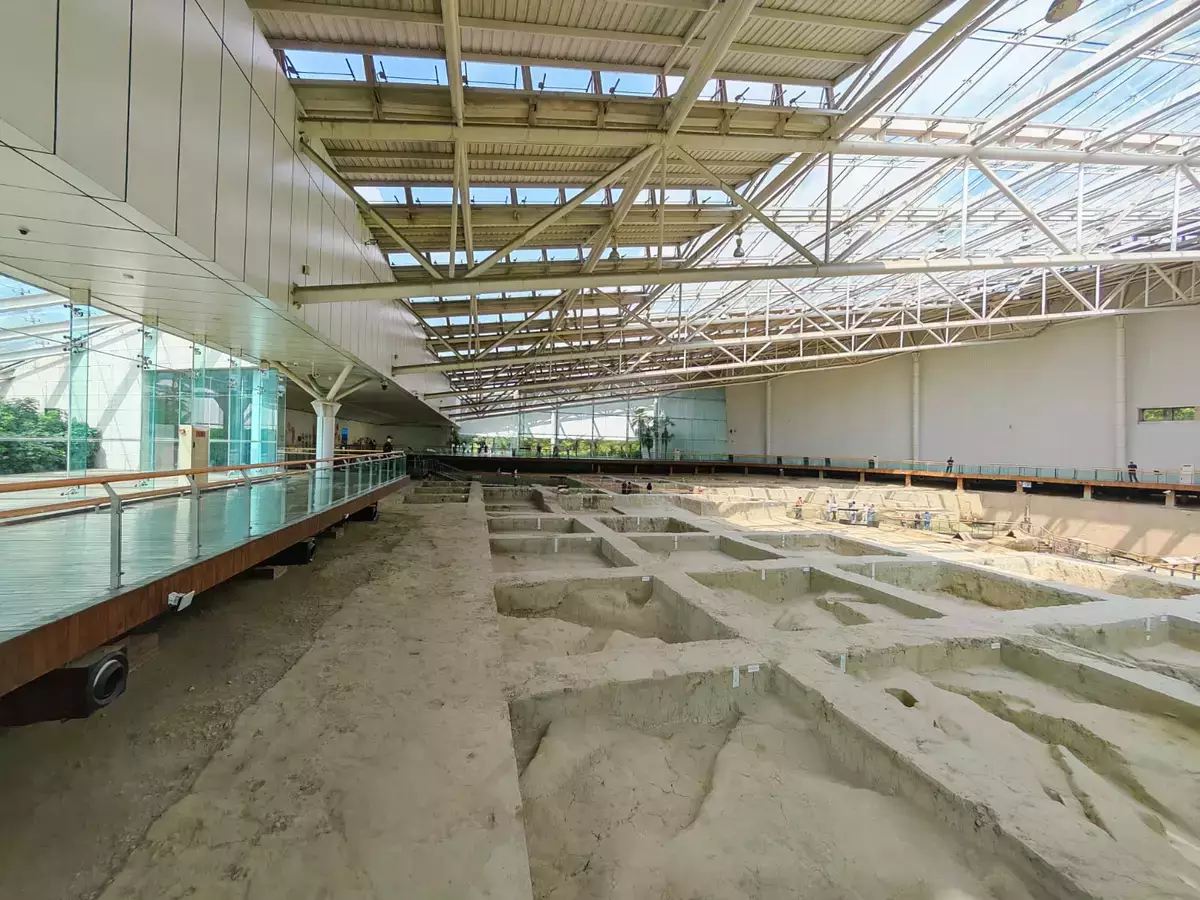
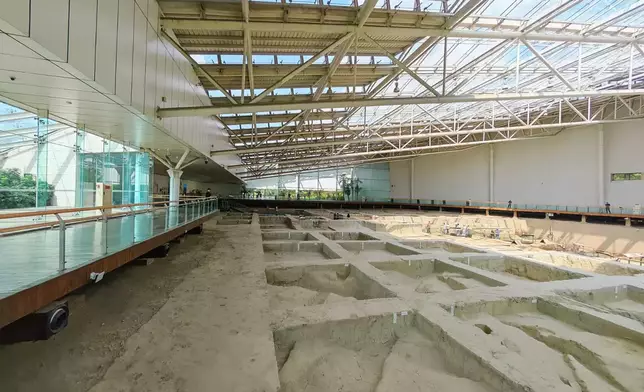
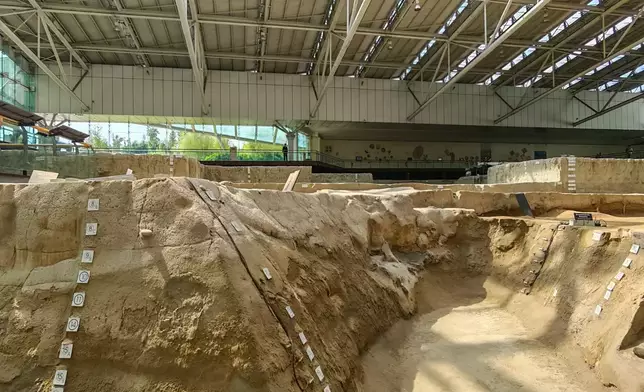
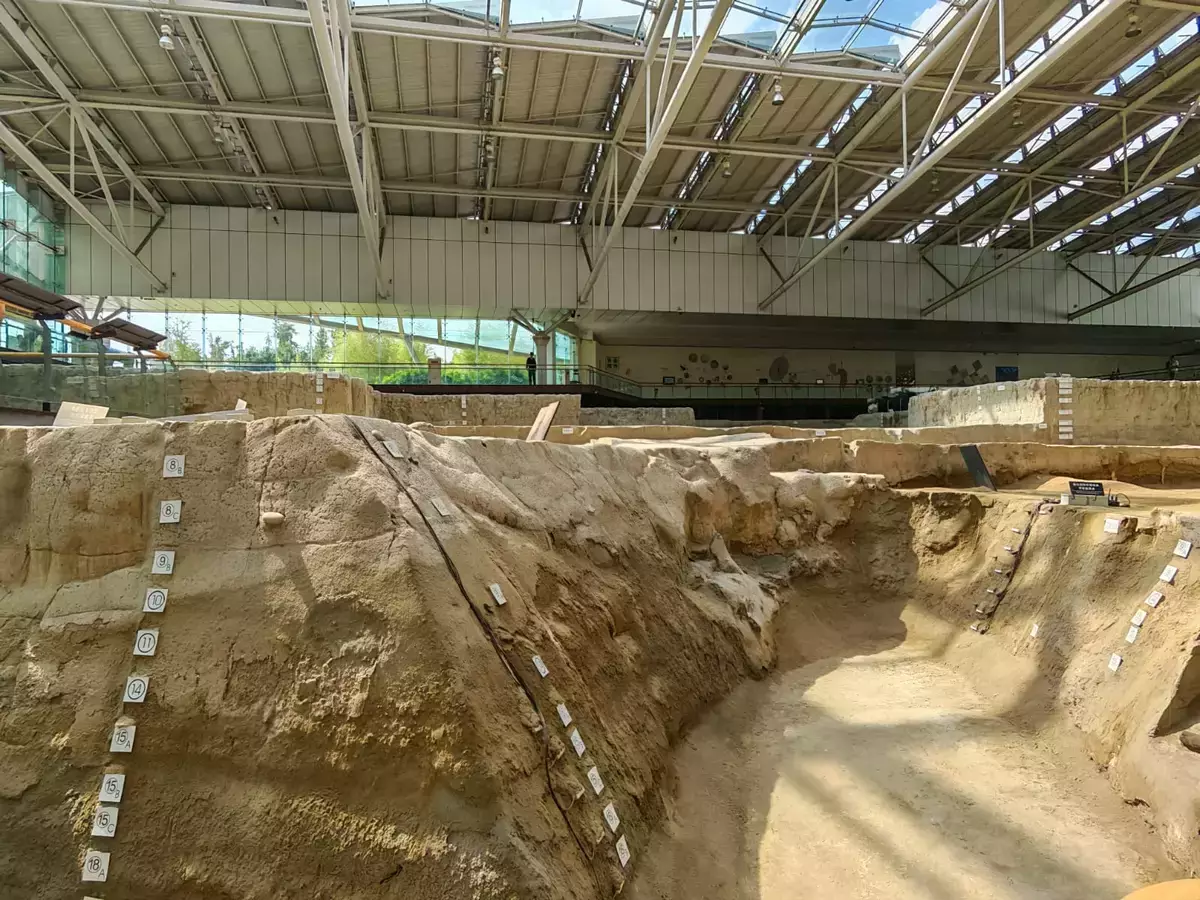
​​Ruins Hall of the Jinsha Site Museum​​. Photo by Bastillepost.

​​Ruins Hall of the Jinsha Site Museum​​. Photo by Bastillepost.

By Bastillepost.
By Bastillepost.

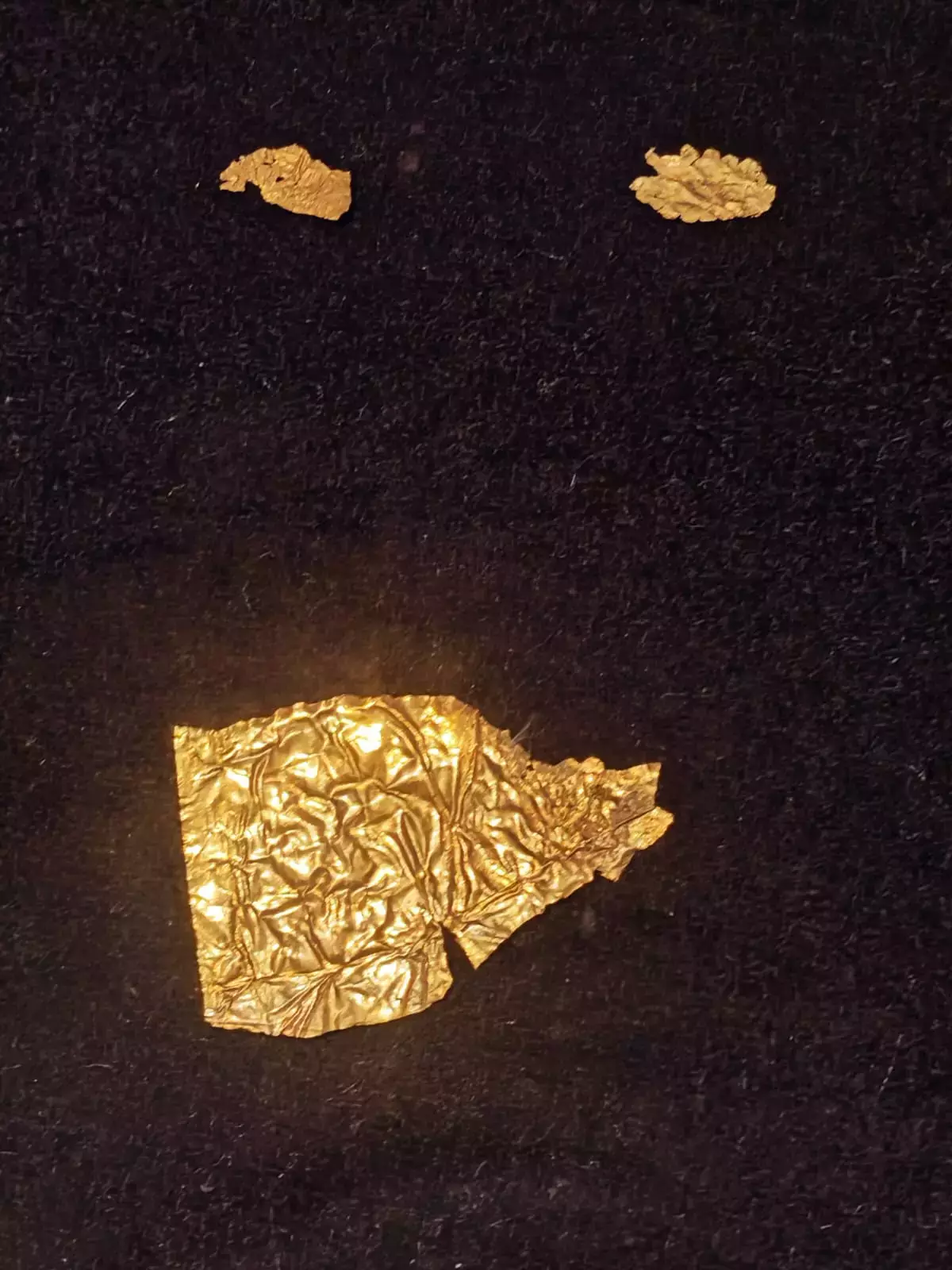
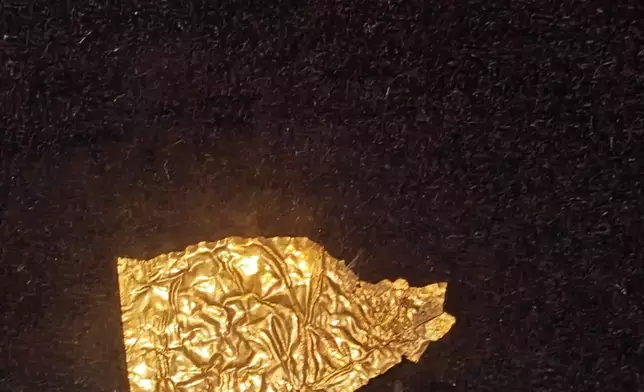
Excavated gold artifacts​​. Photo by Bastillepost.

Excavated gold artifacts​​. Photo by Bastillepost.

Discovered in February 2001 in downtown Chengdu, the Jinsha Site, active from the 12th to 7th centuries BCE (approximately 3,200 to 2,600 years ago), was the capital of the ancient Shu Kingdom, a key center of upper Yangtze civilization. Following the Sanxingdui discovery, Jinsha is another major archaeological find in Sichuan, earning a spot on China’s World Cultural Heritage Tentative List.

More Images
​​Ruins Hall of the Jinsha Site Museum​​. Photo by Bastillepost.

​​Ruins Hall of the Jinsha Site Museum​​. Photo by Bastillepost.

By Bastillepost.
By Bastillepost.

Excavated gold artifacts​​. Photo by Bastillepost.

Excavated gold artifacts​​. Photo by Bastillepost.

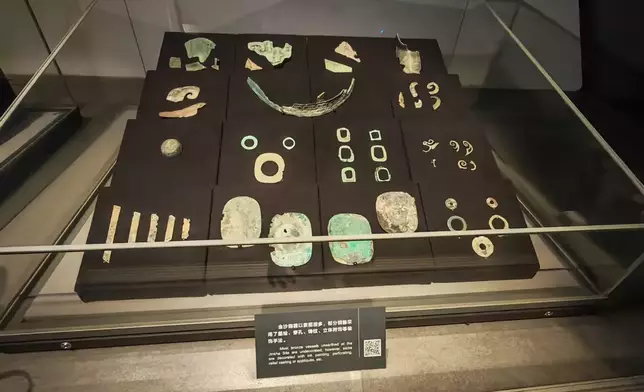
Excavated bronze artifacts​​. Photo by Bastillepost.

Excavated bronze artifacts​​. Photo by Bastillepost.

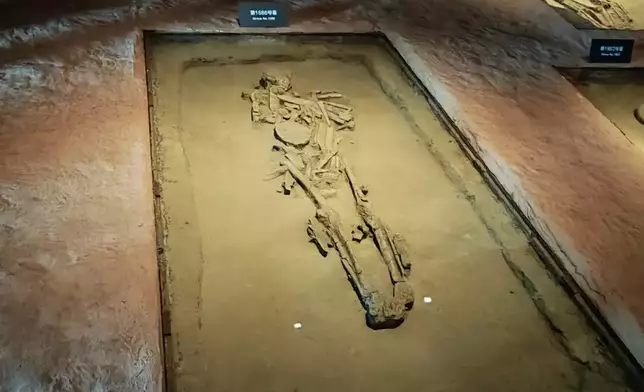
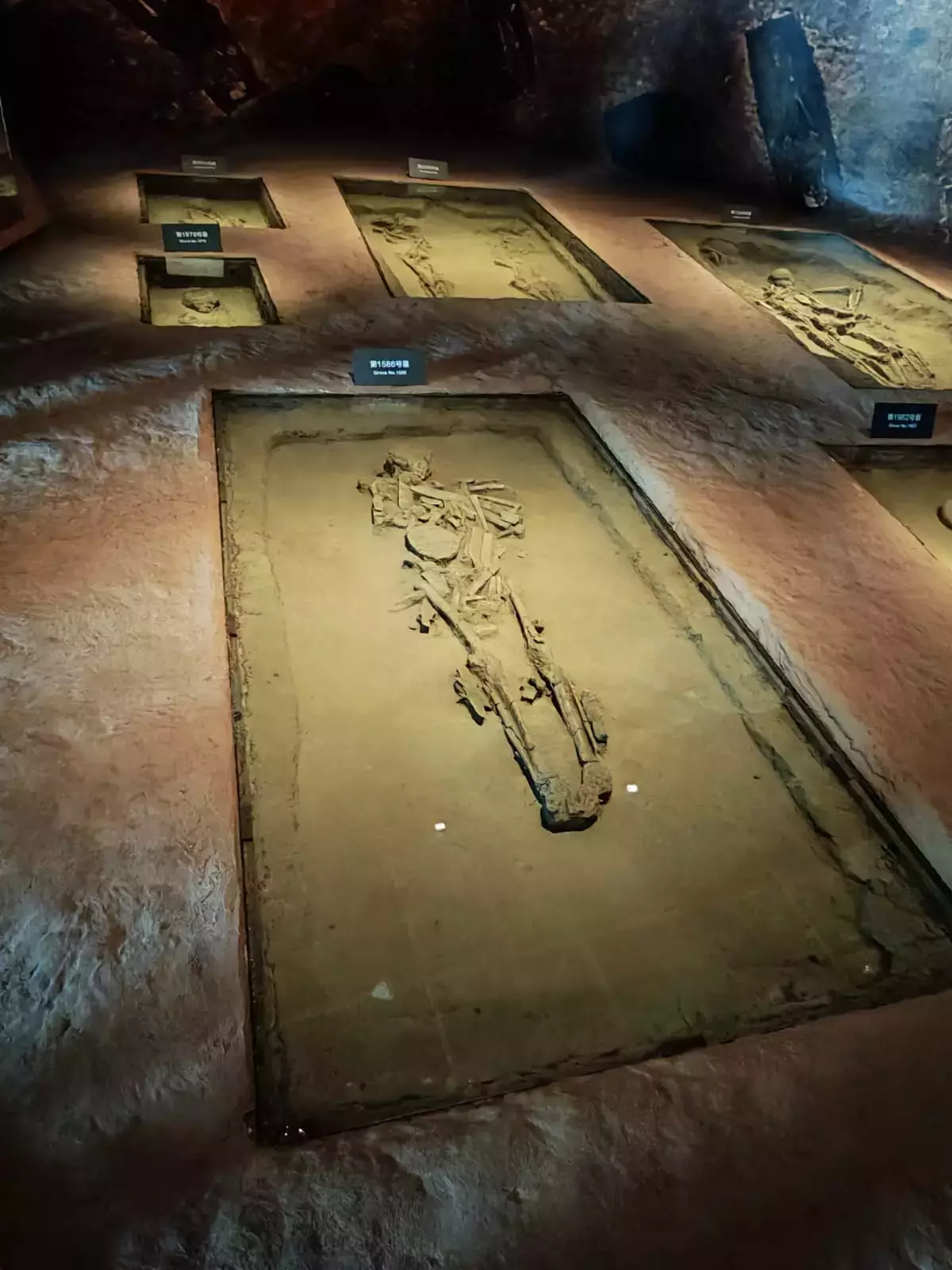
Excavated skeletal remains​​. Photo by Bastillepost.

Excavated skeletal remains​​. Photo by Bastillepost.

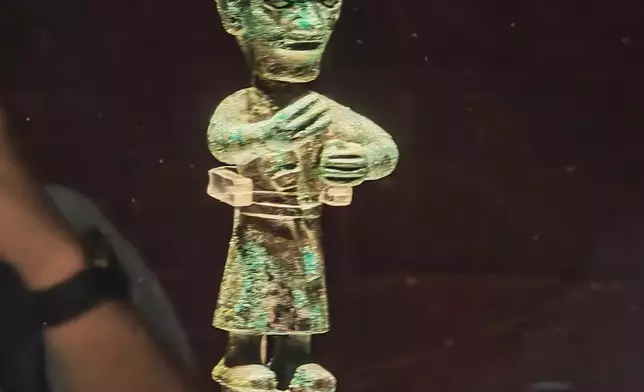
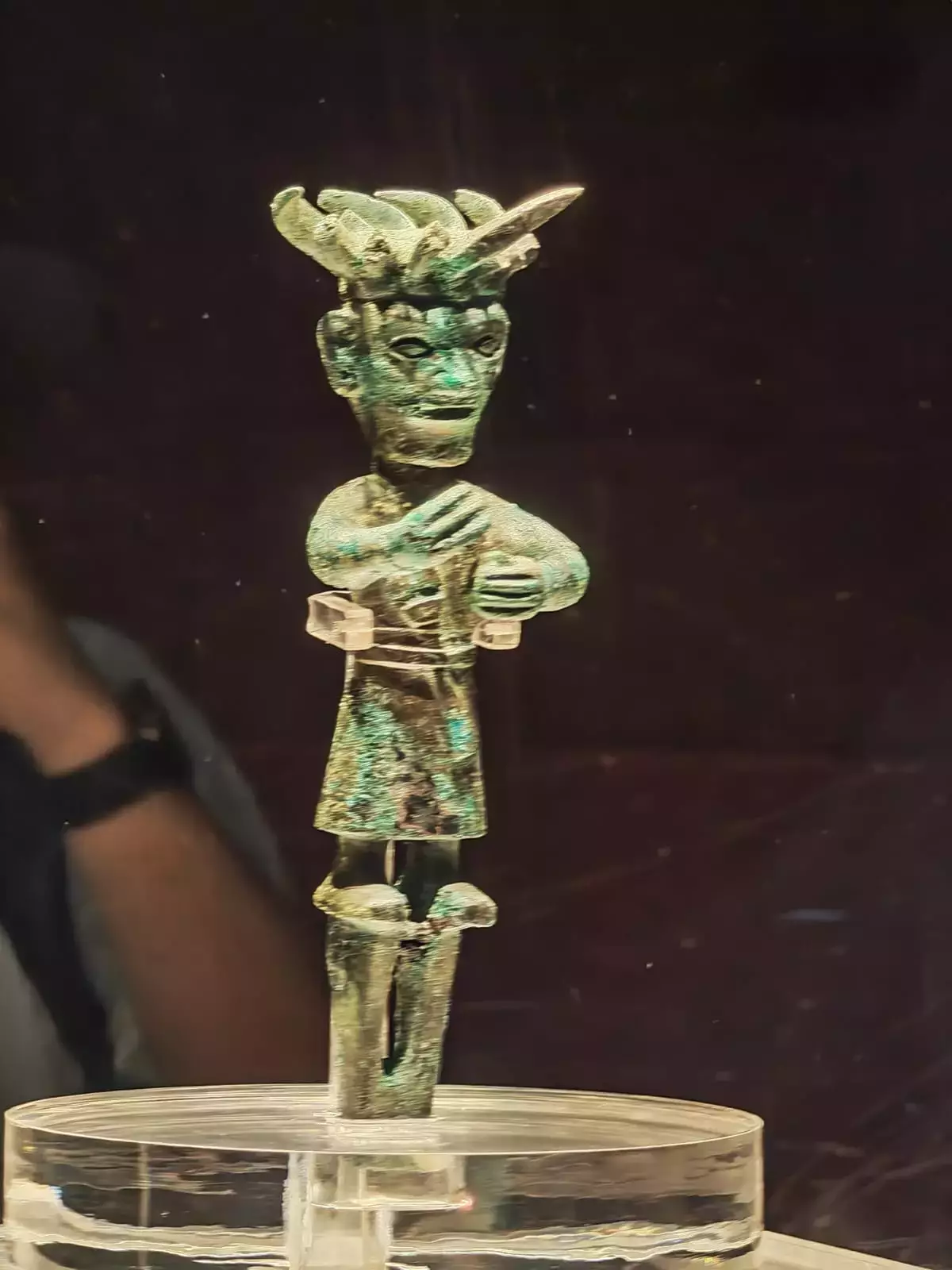
​​Bronze standing figure​​. Photo by Bastillepost.

​​Bronze standing figure​​. Photo by Bastillepost.

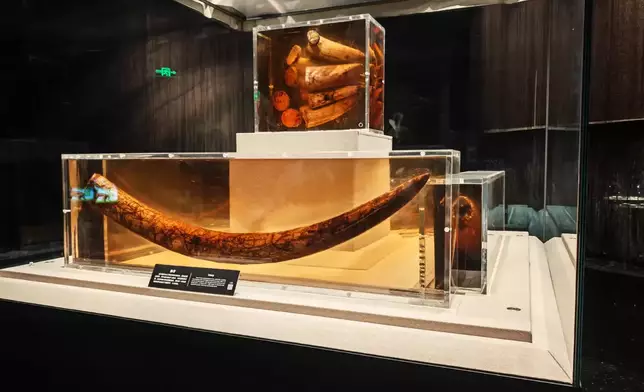
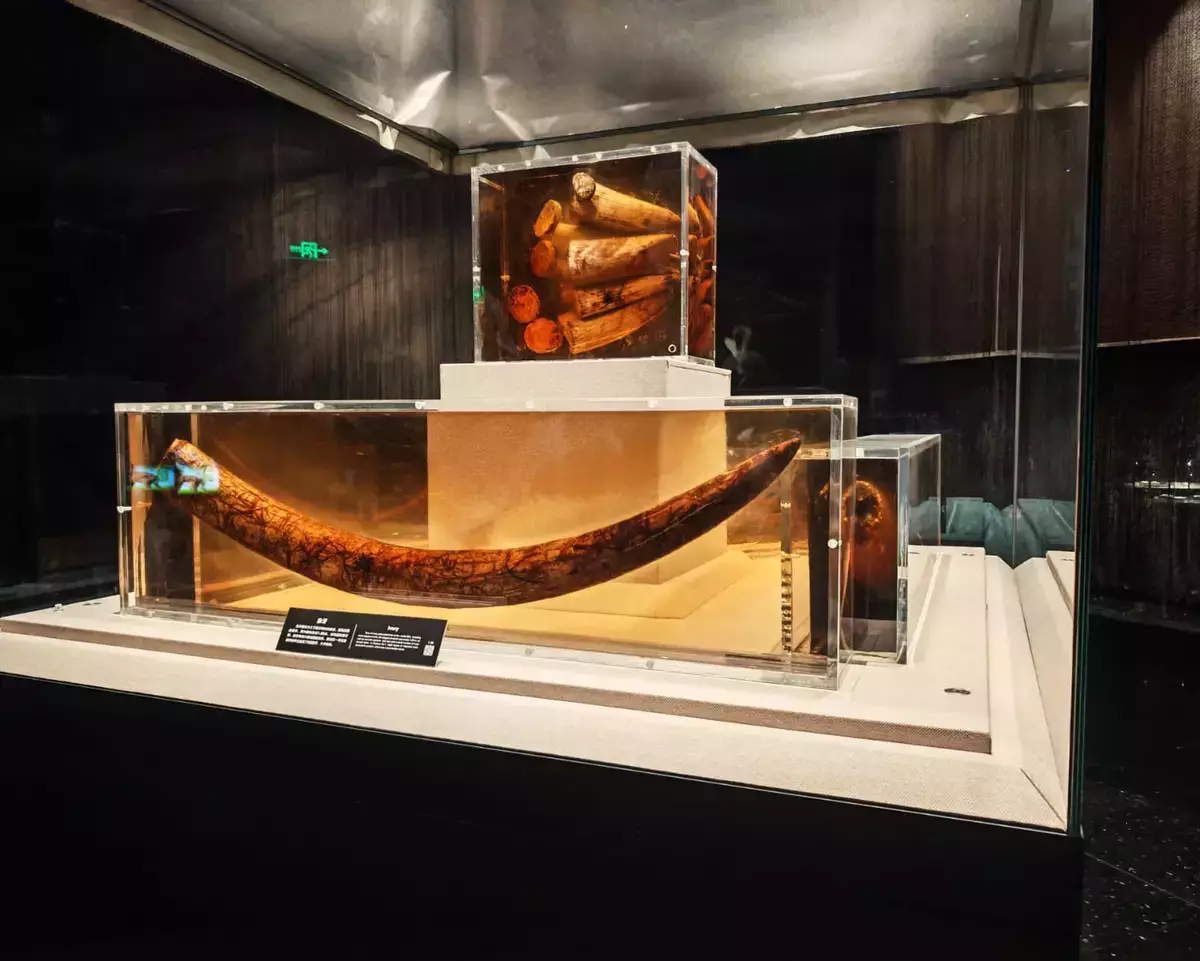
Excavated ivory​​. Photo by Bastillepost.

Excavated ivory​​. Photo by Bastillepost.

​​Excavated tortoise shell​​. Photo by Bastillepost.

​​Excavated tortoise shell​​. Photo by Bastillepost.

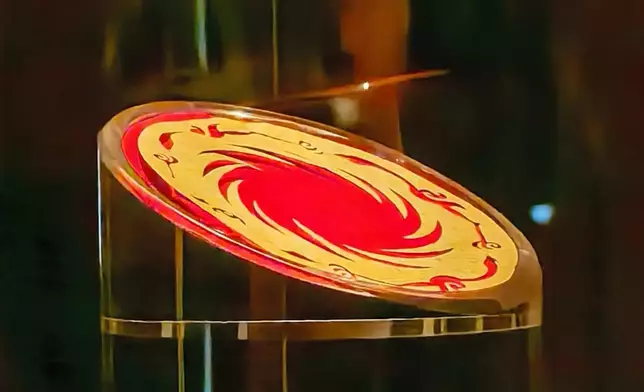
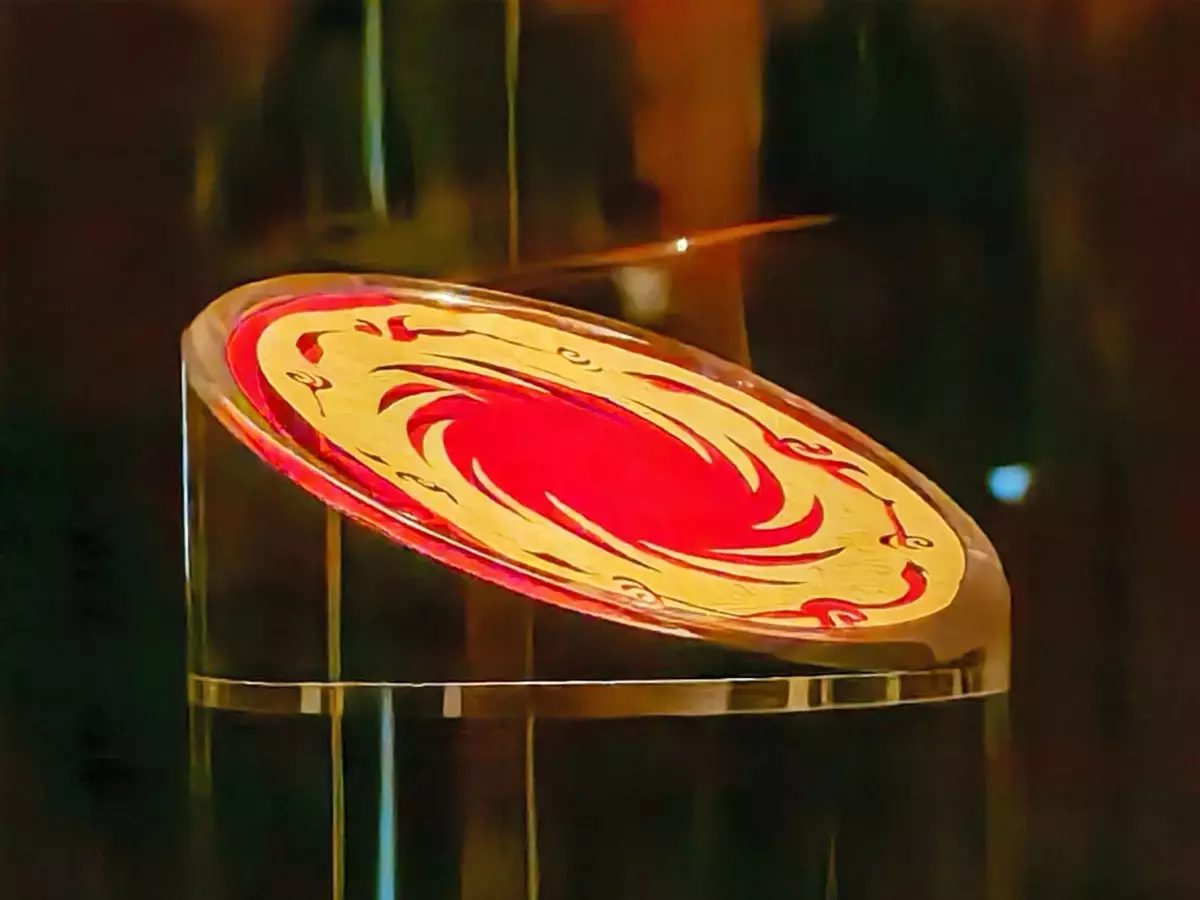
Gold Sun and Immortal Bird ornament​​. Photo by Bastillepost.

Gold Sun and Immortal Bird ornament​​. Photo by Bastillepost.

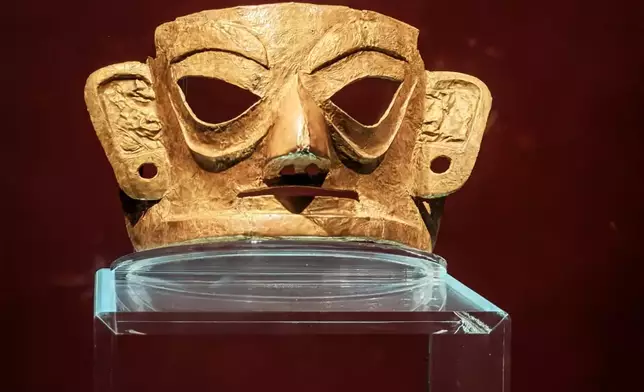
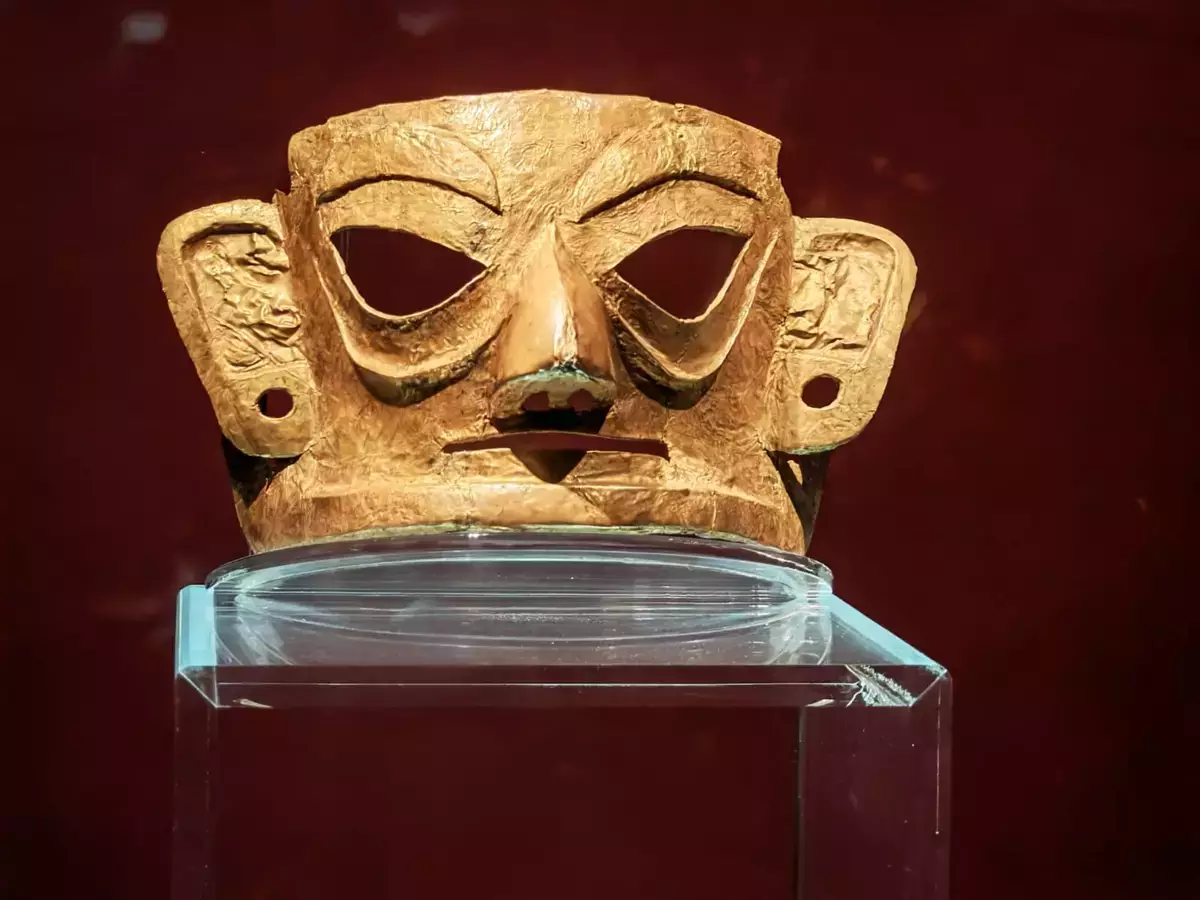
Shang and Zhou Dynasty large gold mask​​. Photo by Bastillepost.

Shang and Zhou Dynasty large gold mask​​. Photo by Bastillepost.

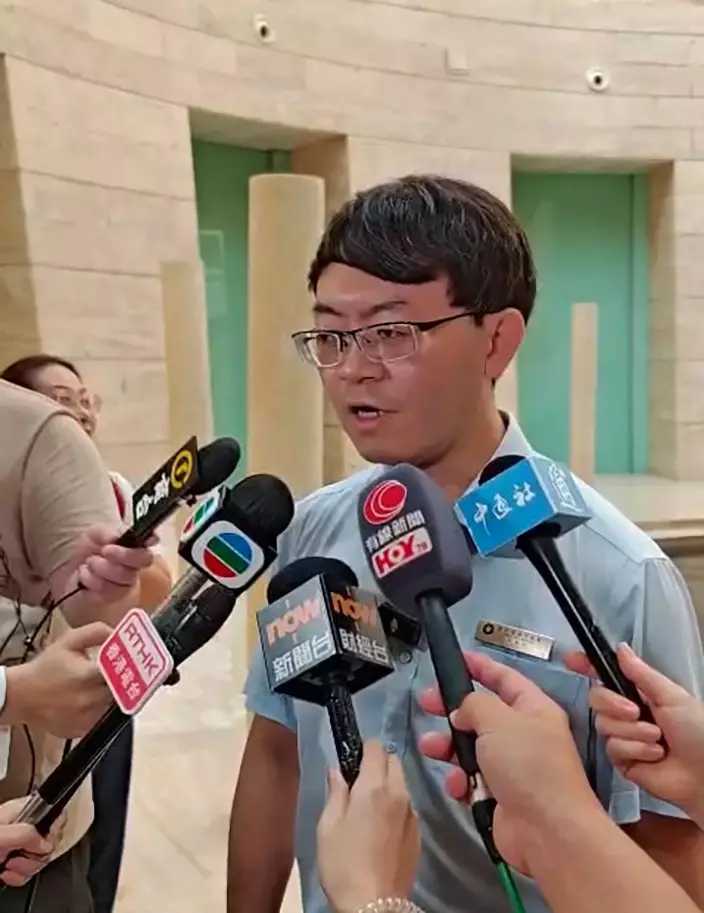
Yao Kai, a docent at the Jinsha Site Museum​​. Photo by Bastillepost.

Yao Kai, a docent at the Jinsha Site Museum​​. Photo by Bastillepost.

By Bastillepost.
By Bastillepost.

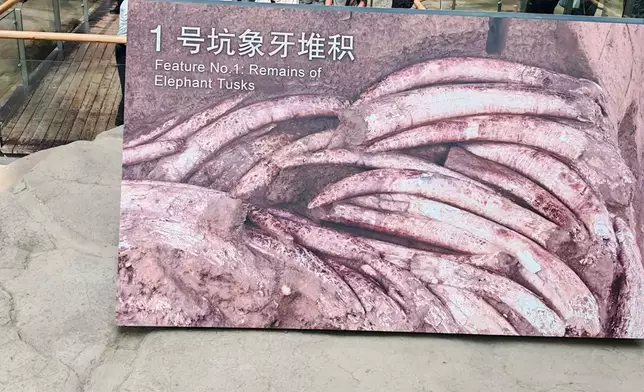
The Jinsha Site has yielded ​​tons of ivory​​. Photo by Bastillepost.

The Jinsha Site has yielded ​​tons of ivory​​. Photo by Bastillepost.

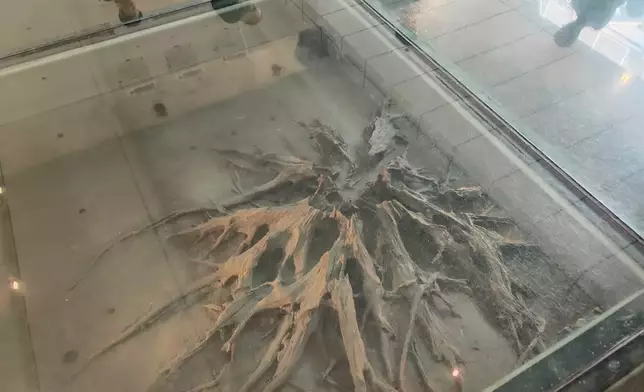
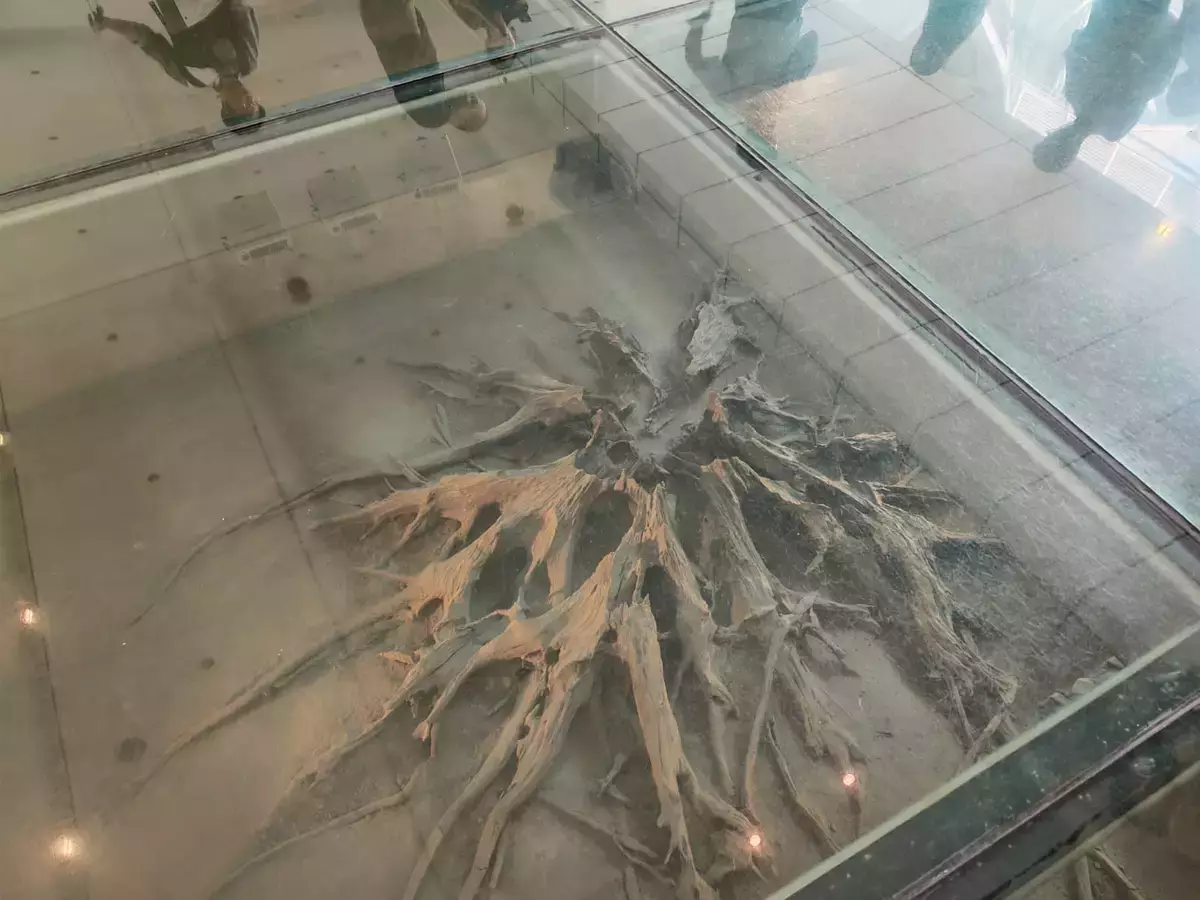
Large tree root remains. Photo by Bastillepost.
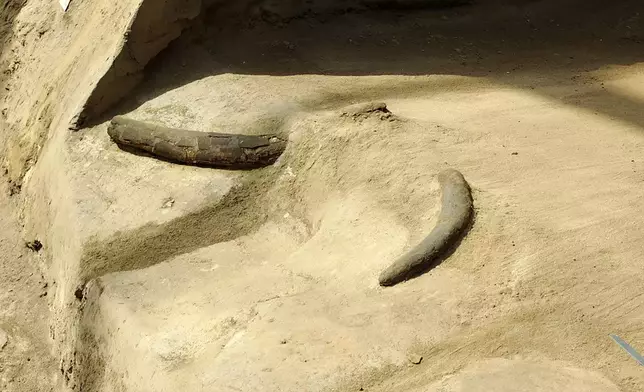
Large tree root remains. Photo by Bastillepost.

The Jinsha Site has yielded ​​tons of ivory​​. Photo by Bastillepost.

The Jinsha Site has yielded ​​tons of ivory​​. Photo by Bastillepost.

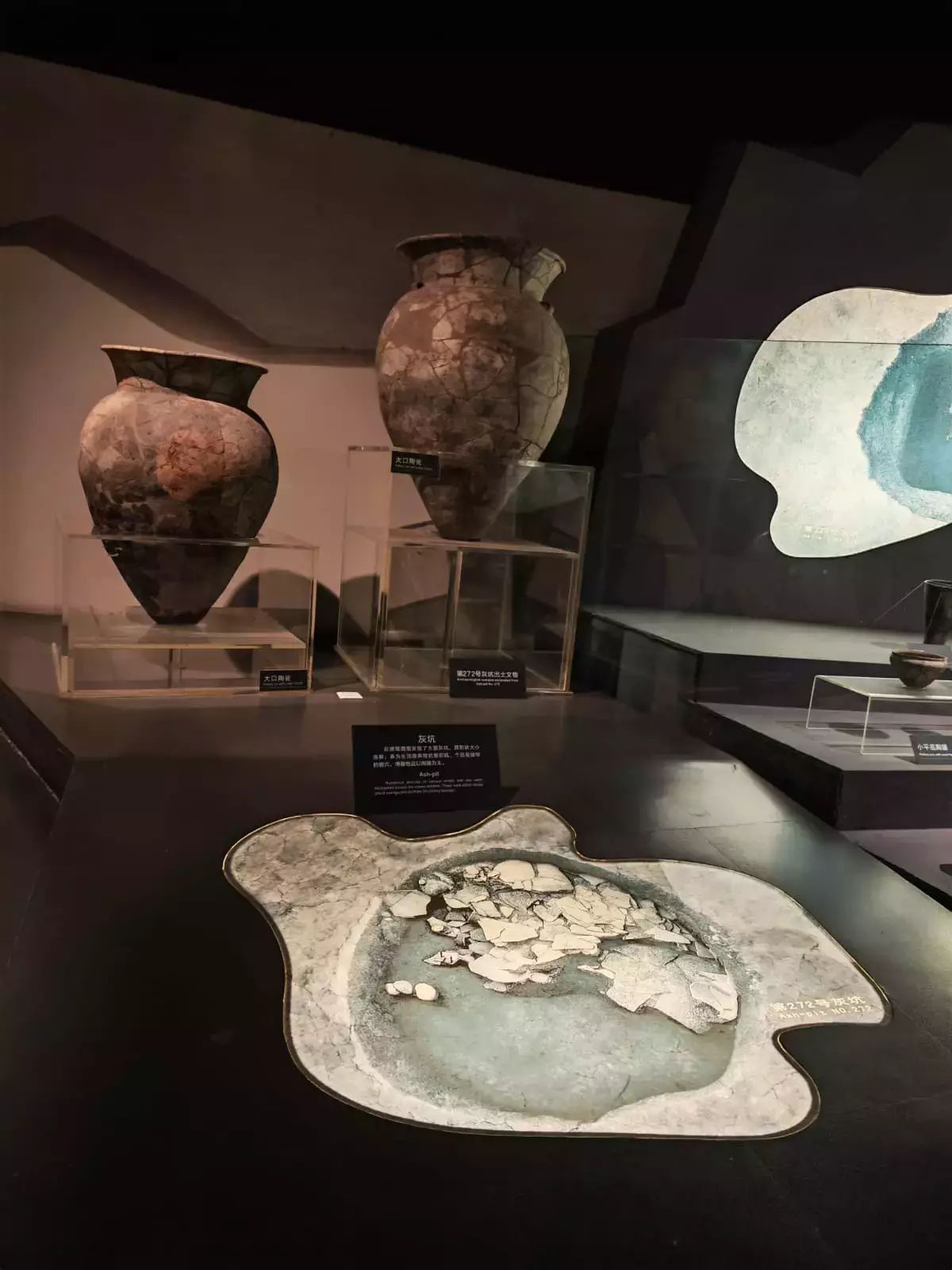
The site has uncovered significant remains, including large building foundations, sacrificial areas, residential zones, and a major cemetery. Excavations yielded gold, bronze, jade, stone, ivory, and lacquer artifacts, alongside tens of thousands of pottery shards, tons of ivory, and thousands of boar tusks and deer antlers. Jinsha is globally unmatched for its abundance of gold, jade, and ivory finds. The “Sun and Immortal Birds” gold ornament from Jinsha was designated as China’s cultural heritage emblem and Chengdu’s city logo.
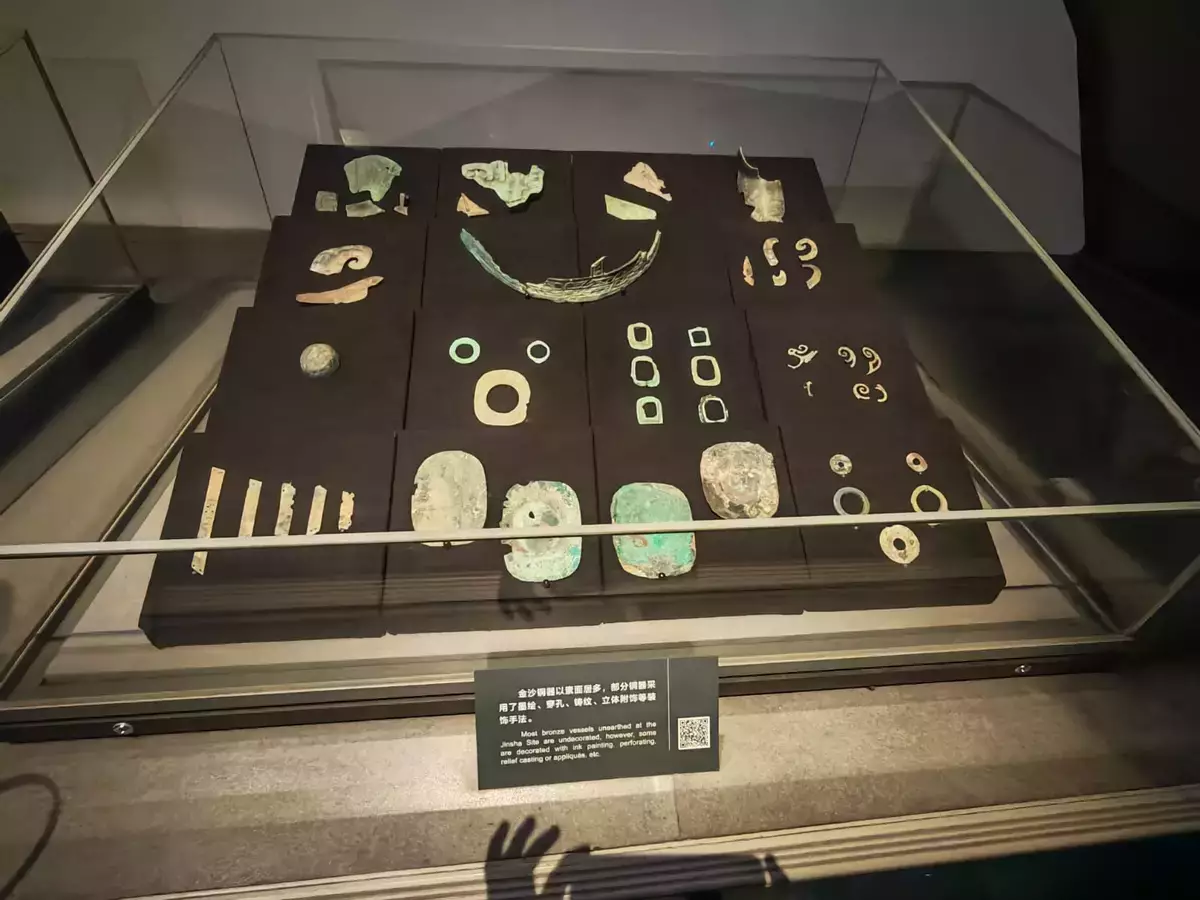
Excavated bronze artifacts​​. Photo by Bastillepost.

Excavated bronze artifacts​​. Photo by Bastillepost.

Excavated skeletal remains​​. Photo by Bastillepost.

Excavated skeletal remains​​. Photo by Bastillepost.

​​Bronze standing figure​​. Photo by Bastillepost.

​​Bronze standing figure​​. Photo by Bastillepost.

Excavated ivory​​. Photo by Bastillepost.

Excavated ivory​​. Photo by Bastillepost.

Archaeologists believe Jinsha likely emerged as a political, economic, and cultural hub in the Chengdu Plain after Sanxingdui’s decline, serving as the Shu Kingdom’s capital during the late Shang to Western Zhou periods. It ranks among China’s most significant pre-Qin sites. The museum highlights that Jinsha and Sanxingdui together confirm the Chengdu Plain as the cradle of upper Yangtze civilization, a vital part of Chinese civilization, supporting the “diverse yet unified” origin theory.
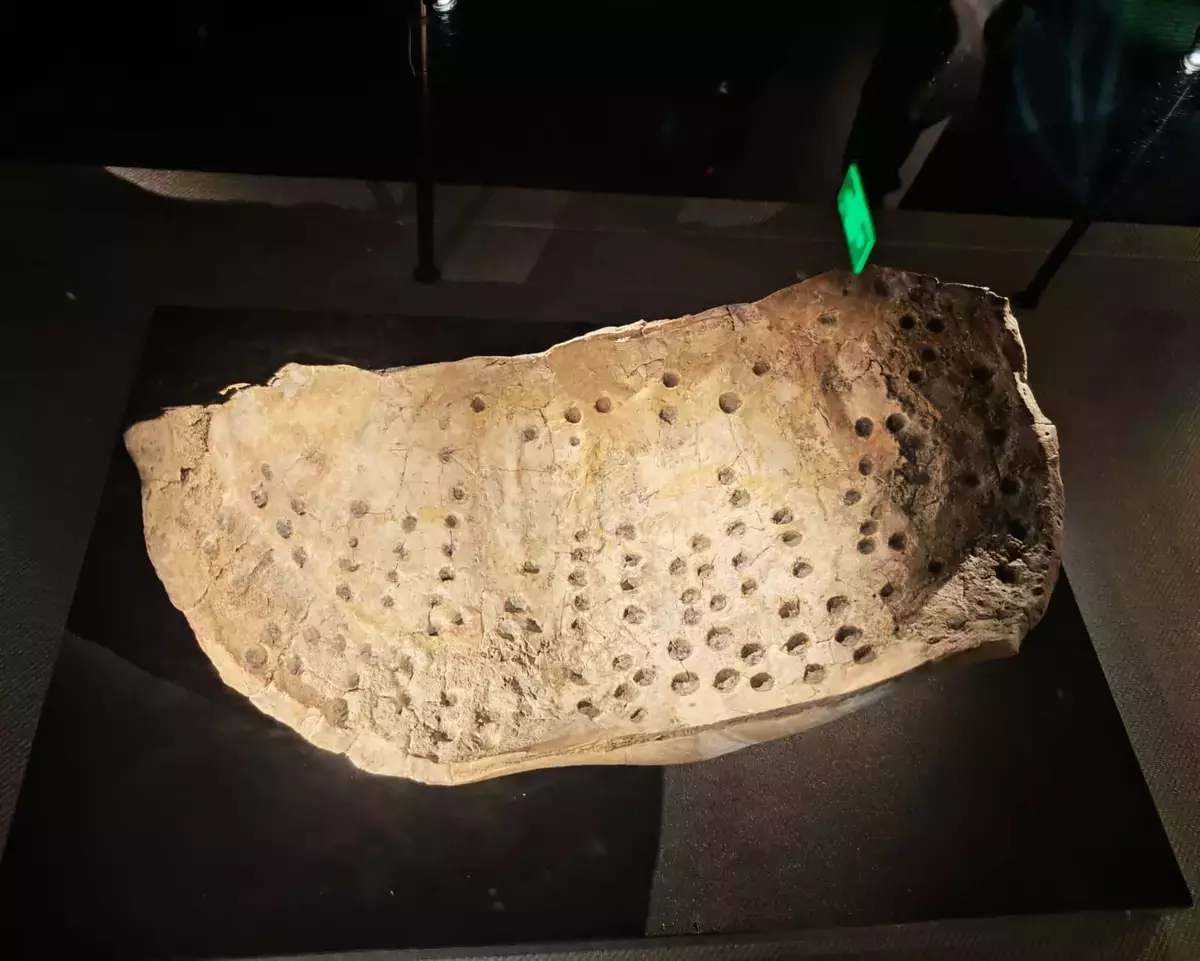
​​Excavated tortoise shell​​. Photo by Bastillepost.

​​Excavated tortoise shell​​. Photo by Bastillepost.

Gold Sun and Immortal Bird ornament​​. Photo by Bastillepost.

Gold Sun and Immortal Bird ornament​​. Photo by Bastillepost.

Shang and Zhou Dynasty large gold mask​​. Photo by Bastillepost.

Shang and Zhou Dynasty large gold mask​​. Photo by Bastillepost.

Museum guide Yao Kai explained to the delegation that this theory is accurate and credible. He cited jade ritual tablets (yuzhang) found at Jinsha, noting their origins in late Neolithic Shandong, spreading to the Chengdu Plain and later the Yangtze River basin, including Hong Kong. A 1995 discovery of a jade tablet at Hong Kong’s Lamma Island Dawan Village site shows Hong Kong was never a cultural desert, with ties to mainland Chinese civilization in the Shang Dynasty, underscoring China’s diverse unity.

Yao Kai, a docent at the Jinsha Site Museum​​. Photo by Bastillepost.

Yao Kai, a docent at the Jinsha Site Museum​​. Photo by Bastillepost.

By Bastillepost.

By Bastillepost.

The Jinsha Site unearthed tens of thousands of pottery shards, tons of ivory, and thousands of boar tusks and deer antlers, with an unprecedented volume of ivory artifacts, making it one of the world’s densest ivory sites. Due to the large size and quantity, preservation poses technical challenges. The museum uses in-situ reburial to protect ivory in its original environment, avoiding damage from immature techniques. Currently, high-polymer silicone sealing yields good results, with ongoing research into advanced preservation methods.
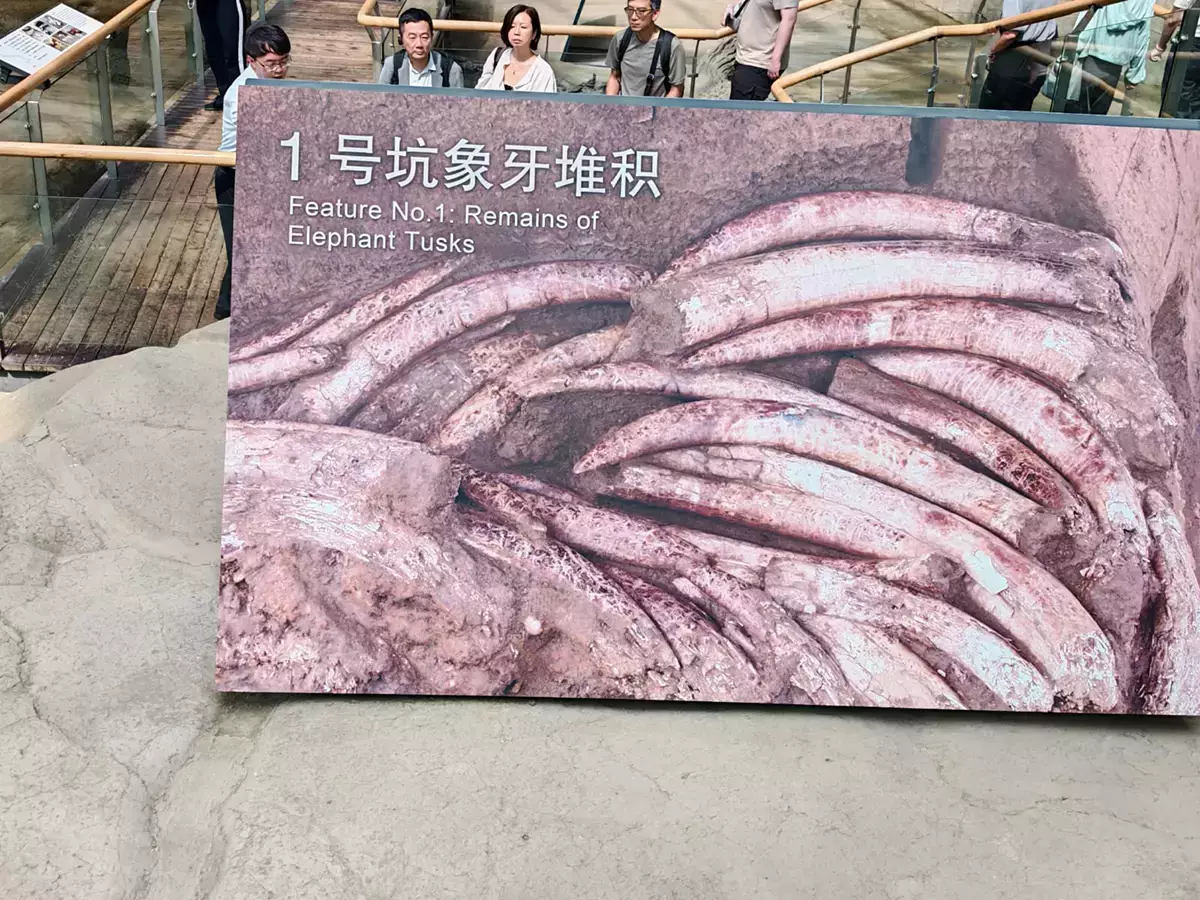
The Jinsha Site has yielded ​​tons of ivory​​. Photo by Bastillepost.

The Jinsha Site has yielded ​​tons of ivory​​. Photo by Bastillepost.

Large tree root remains. Photo by Bastillepost.
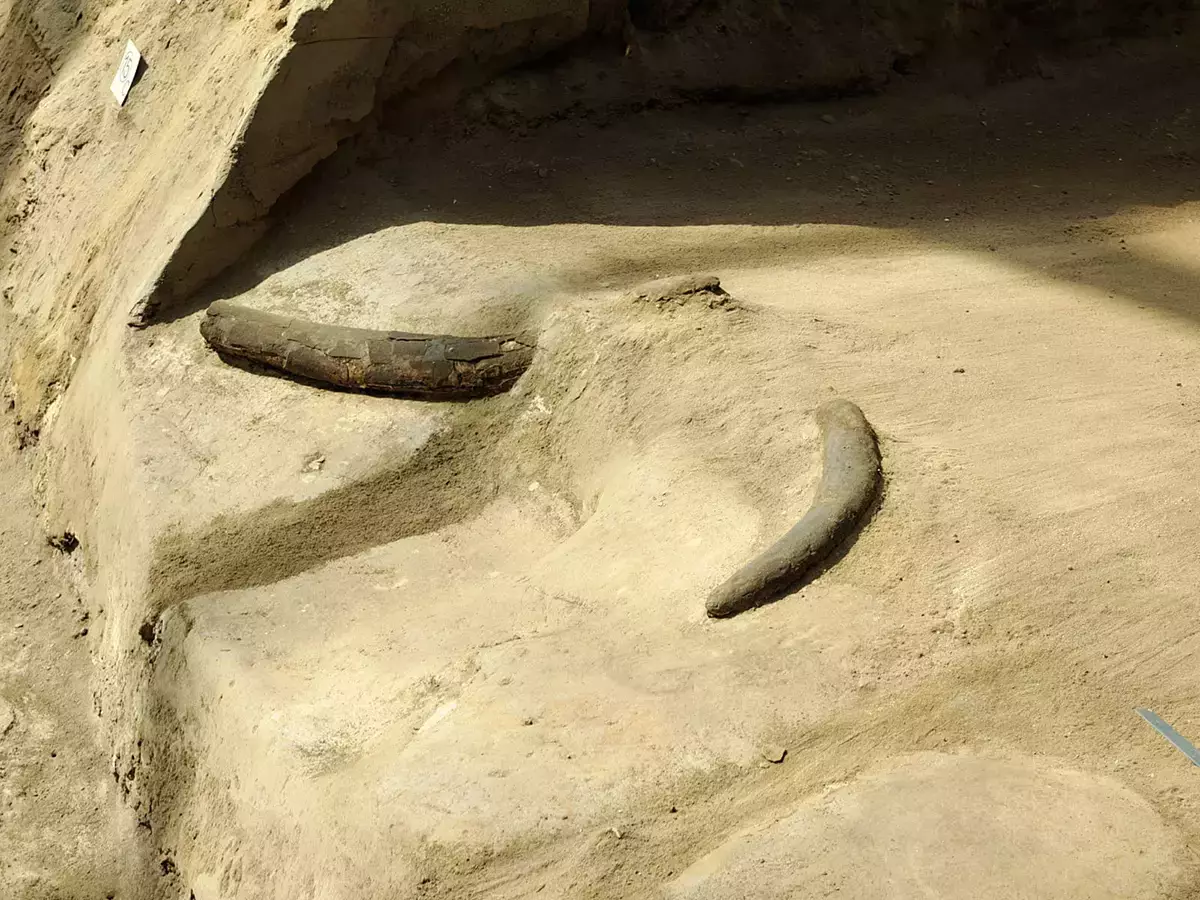
Large tree root remains. Photo by Bastillepost.

The Jinsha Site has yielded ​​tons of ivory​​. Photo by Bastillepost.

The Jinsha Site has yielded ​​tons of ivory​​. Photo by Bastillepost.

The museum’s two main structures—Relics Hall and Exhibition Hall—sit on opposite banks of the Modao River, one circular, one square, blending strength and softness, forming a key Chengdu landmark. The Relics Hall, south of the river, is a sloping, semicircular steel-frame structure spanning 7,588 square meters. The Exhibition Hall, north of the river, is a sloping, square steel-frame building covering 16,000 square meters. Its core exhibit, “Entering Jinsha,” comprises five halls: “Ancient Homeland,” “Kingdom Silhouette,” “Enduring Heaven and Earth,” “Timeless Treasures,” and “Decoding Jinsha,” showcasing major relics and artifacts.

As a national AAAA scenic spot and first-class museum, Jinsha has welcomed over 12.73 million domestic and international visitors since opening in 2007.

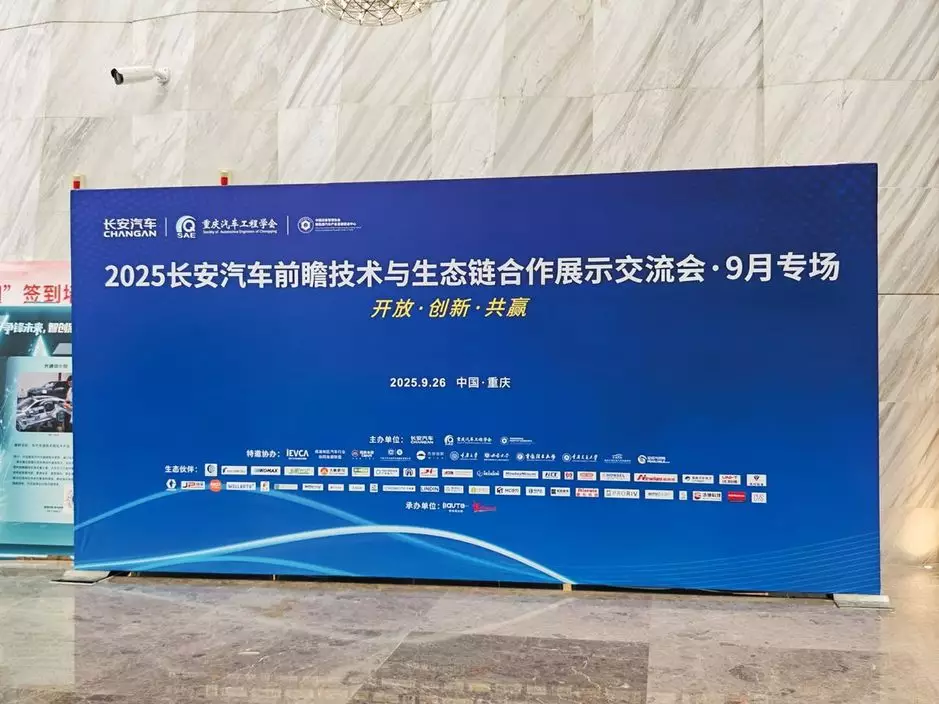
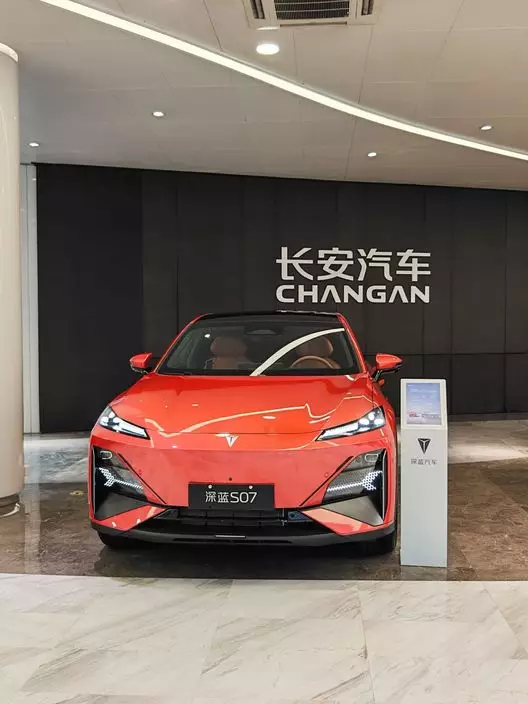
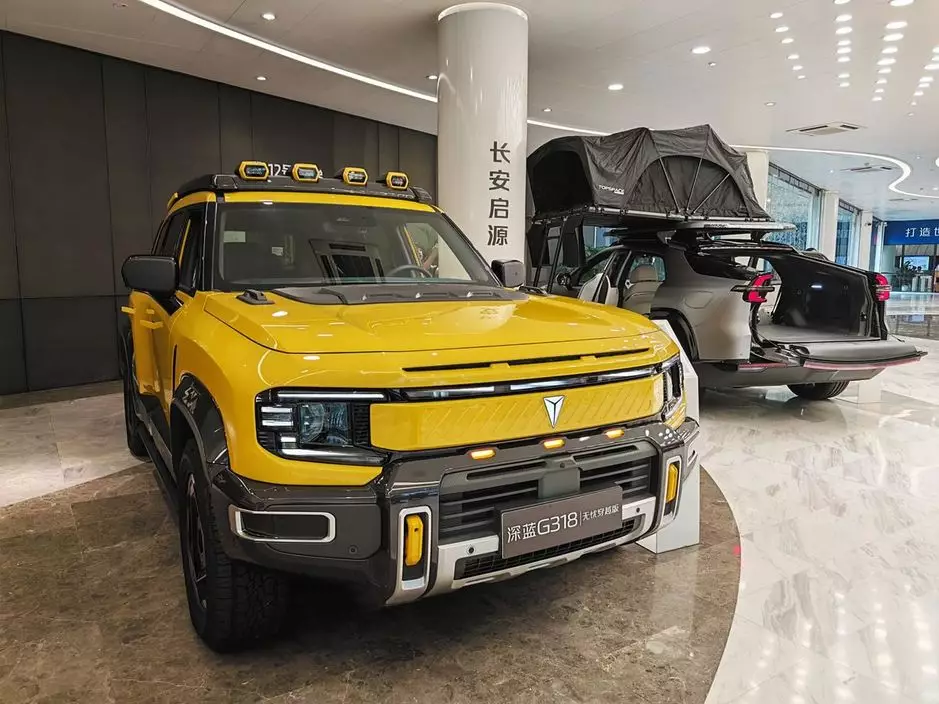
On September 26, the “Hong Kong Media Sichuan-Chongqing Tour: Tale of Two Thriving Cities” concluded in Chongqing, with the delegation visiting Changan Automobile’s Global R&D Center and the Chongqing International Logistics Hub Park to gain firsthand insights into the municipality’s manufacturing prowess and pivotal logistics role.

Changan Automobile is one of China's "Big Four" automotive groups.

Changan Automobile is one of China's "Big Four" automotive groups.

Changan Automobile is one of China's "Big Four" automotive groups.

Changan Automobile is one of China's "Big Four" automotive groups.

Changan Automobile is one of China's "Big Four" automotive groups.

Changan Automobile is one of China's "Big Four" automotive groups.

Changan Automobile is one of China's "Big Four" automotive groups.

Changan Automobile is one of China's "Big Four" automotive groups.

Changan's Oshan brand held a special event.

Changan's Oshan brand held a special event.

Changan Origin E07 .

Changan Origin E07 .

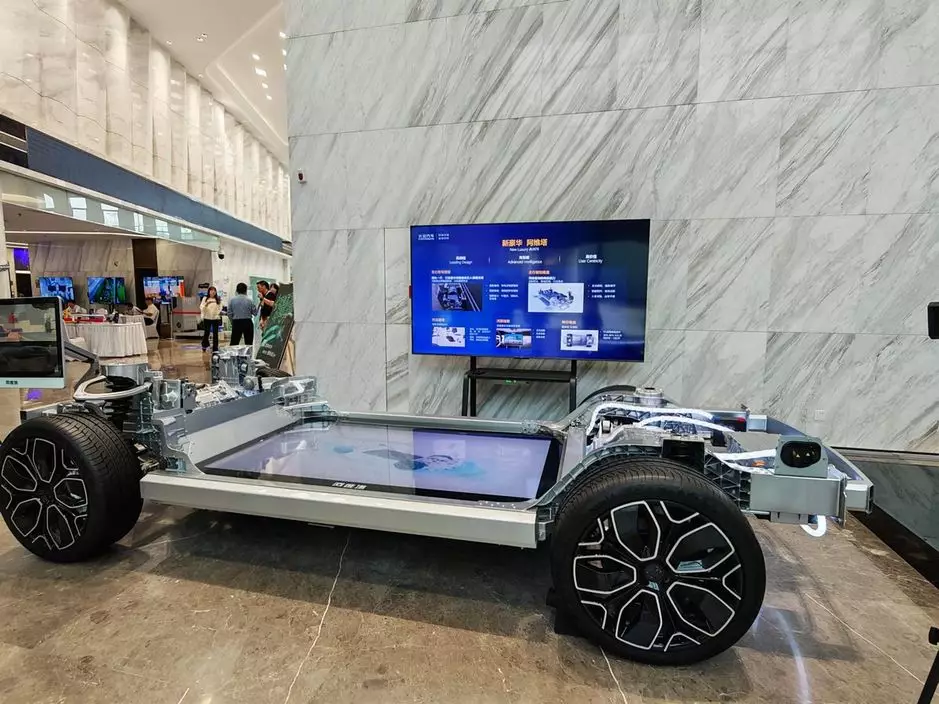
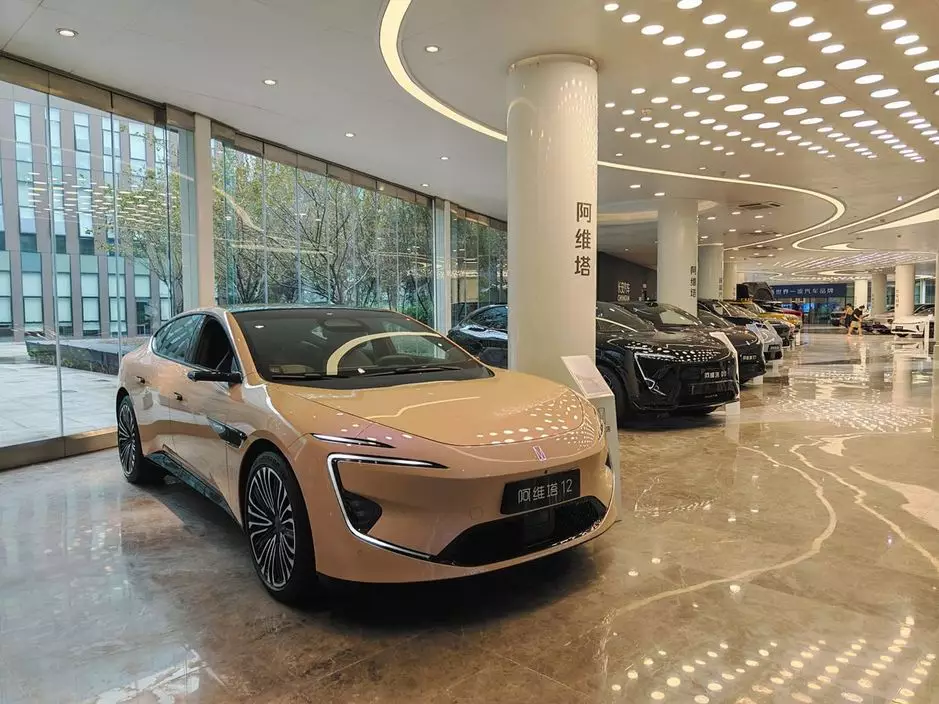
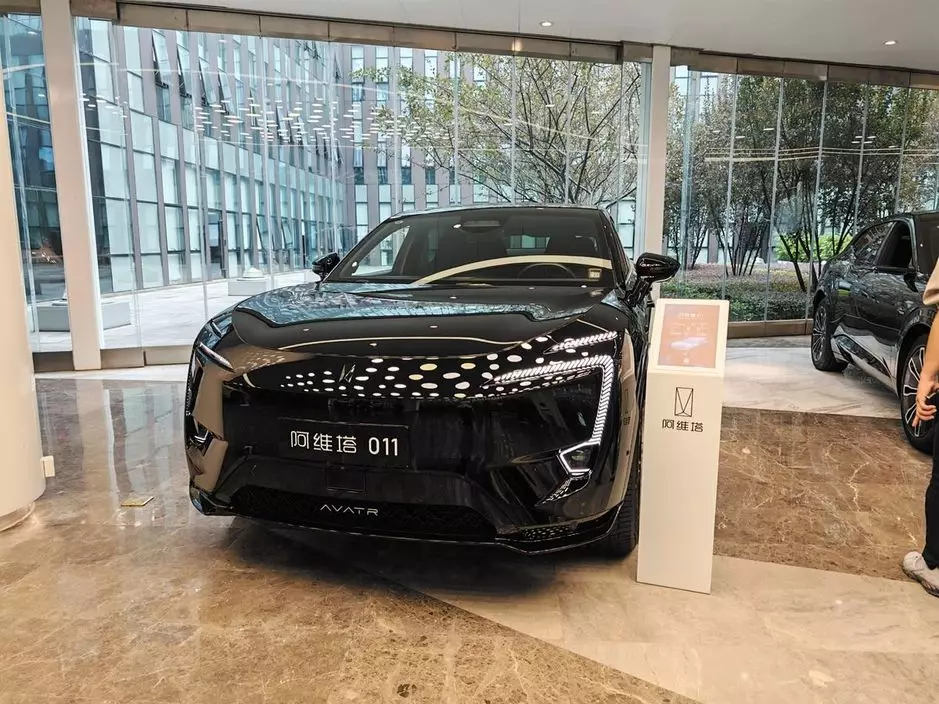
AVATR is one of the three major brands under Changan Automobile.

AVATR is one of the three major brands under Changan Automobile.

AVATR is one of the three major brands under Changan Automobile.

AVATR is one of the three major brands under Changan Automobile.

The group toured Changan Automobile’s Global R&D Center. Changan, one of China’s top four automotive groups, boasts 163 years of history and 41 years of car-making expertise, with 14 global manufacturing bases and 39 factories.

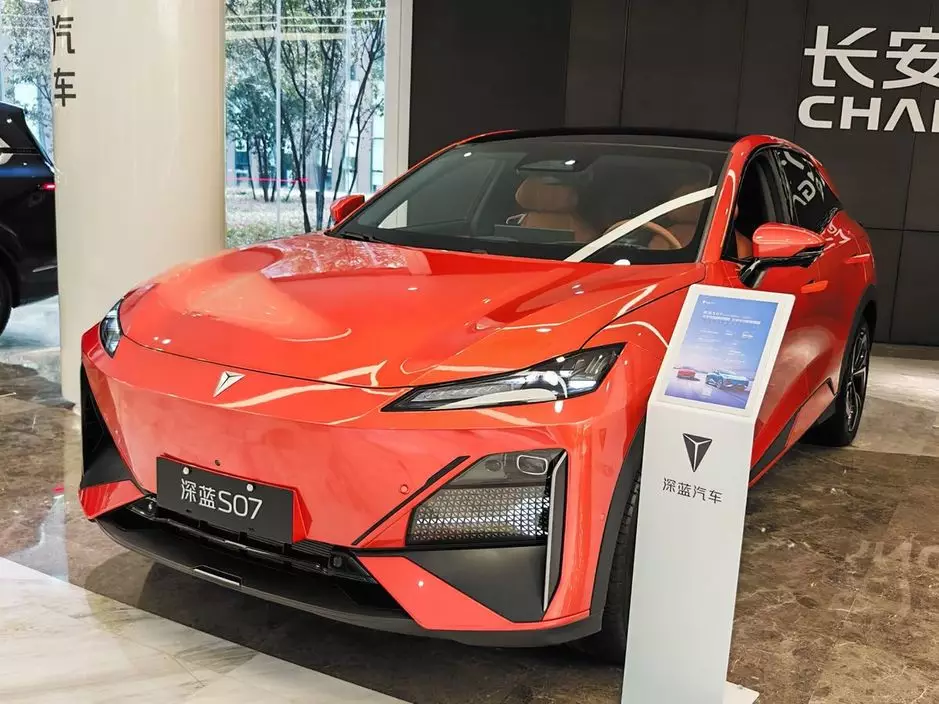
Deepal Auto is one of the three major brands under Changan Automobile.

Deepal Auto is one of the three major brands under Changan Automobile.

Deepal Auto is one of the three major brands under Changan Automobile.

Deepal Auto is one of the three major brands under Changan Automobile.

Deepal Auto is one of the three major brands under Changan Automobile.

Deepal Auto is one of the three major brands under Changan Automobile.

Embracing the era of “smart new vehicles,” Changan is transforming cars from mere “transportation machines” to “smart new species” with evolving “intelligence” and “emotional quotient.” These vehicles offer drivers a seamless, intelligent travel experience across all scenarios.

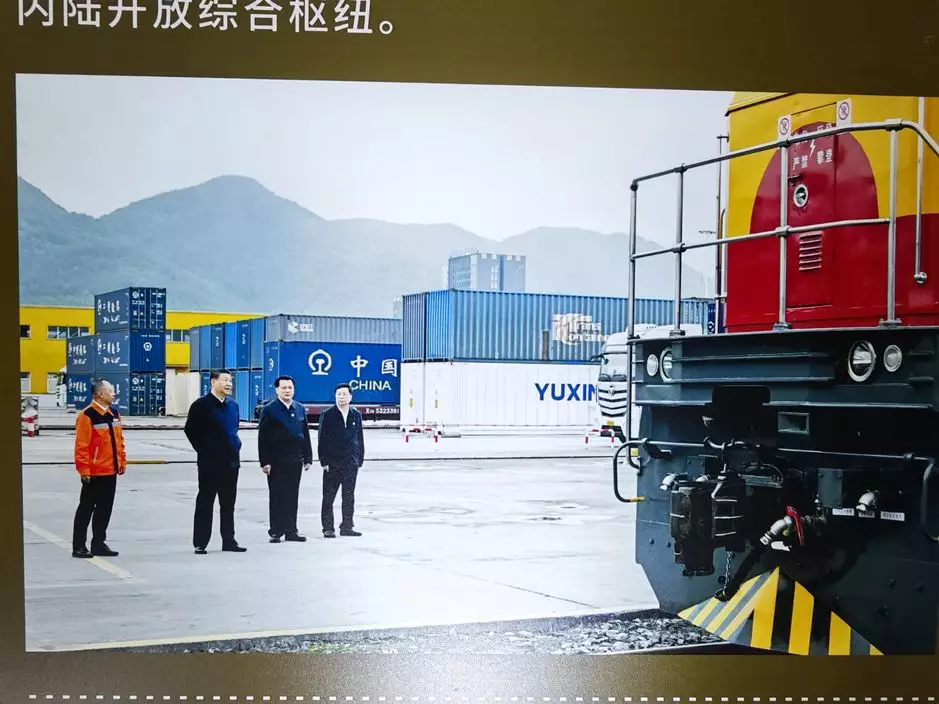
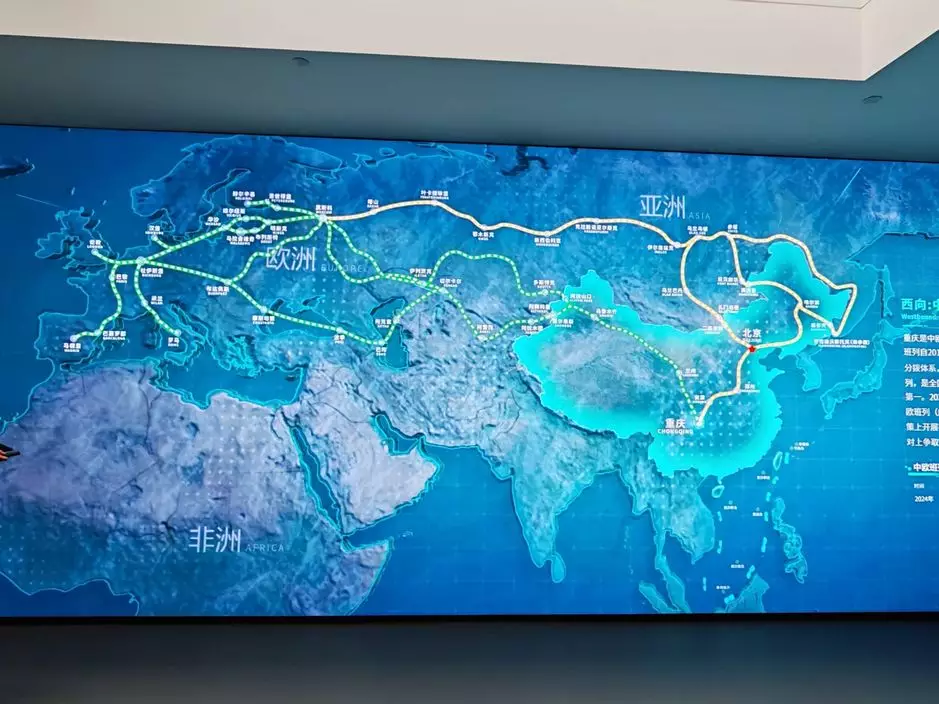
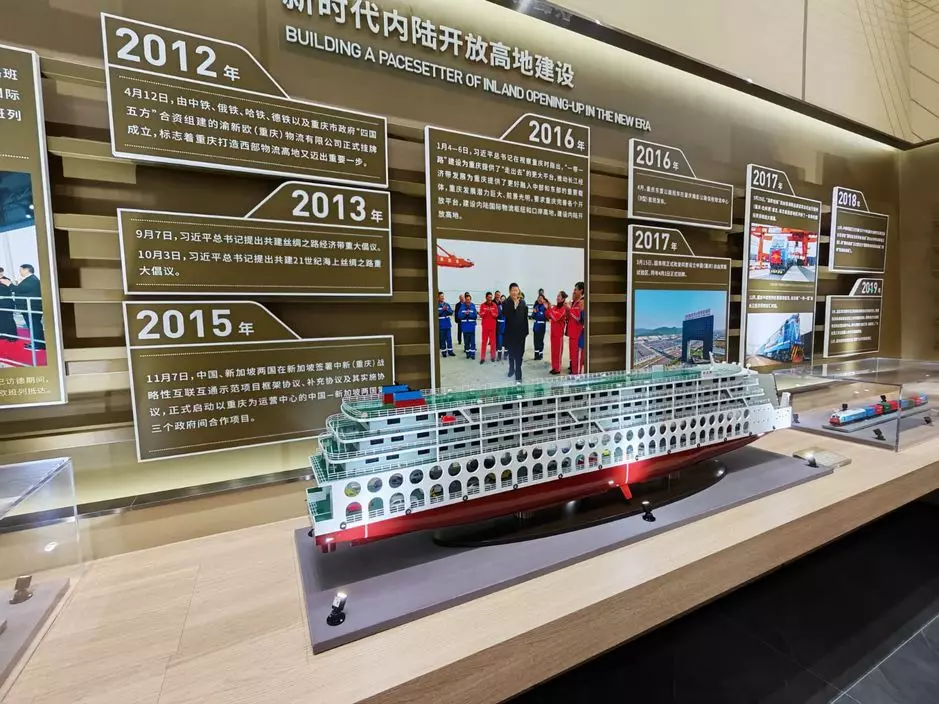
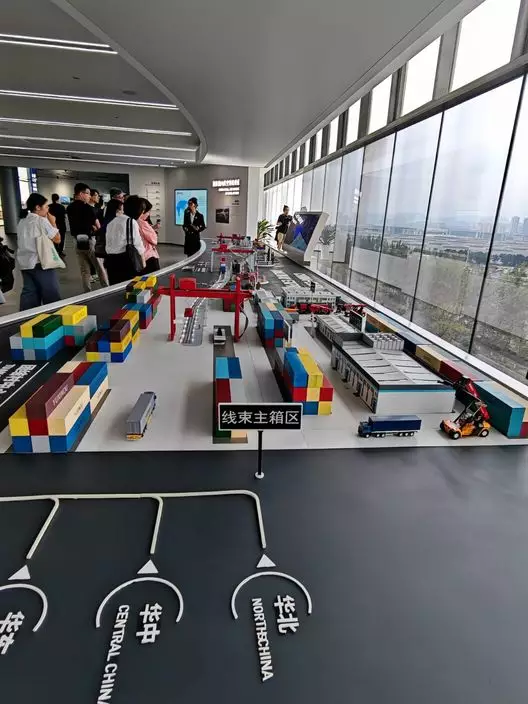
The delegation also visited the Inland International Logistics Hub Exhibition Center, a showcase of Chongqing’s efforts to fulfill President Xi Jinping’s vision of building an inland international logistics hub and open highland. Through a model of “corridors driving logistics, logistics boosting trade, and trade fostering industries,” Chongqing has achieved significant results. Located in the Golden Bay Smart Valley of the Chongqing International Logistics Hub Park, the center spans 2.7 hectares with a total building area of 8,620 square meters. Its exhibition area covers 3,132 square meters, including a 2,082-square-meter core display space, a 770-square-meter product showcase, and a 280-square-meter flight theater, with additional facilities like meeting rooms, reception halls, and rest areas.

The General Secretary of the Chinese Communist Party inspected Chongqing in 2024.

The General Secretary of the Chinese Communist Party inspected Chongqing in 2024.

Exhibition Center for Chongqing's Inland International Logistics Hub.

Exhibition Center for Chongqing's Inland International Logistics Hub.

The core exhibition, spanning 2,100 square meters, features eight sections: Opening History, Hub City, Hub Corridors, Hub Stations, Hub Ports, Hub Economy, Hub Environment, and Open Outlook. These highlight Chongqing’s transformation from an inland region to an open hub, with logistics and urban development synergizing to support its hub city status.

Chongqing is an inland international logistics hub center.

Chongqing is an inland international logistics hub center.

Building a new-era open inland highland.

Building a new-era open inland highland.

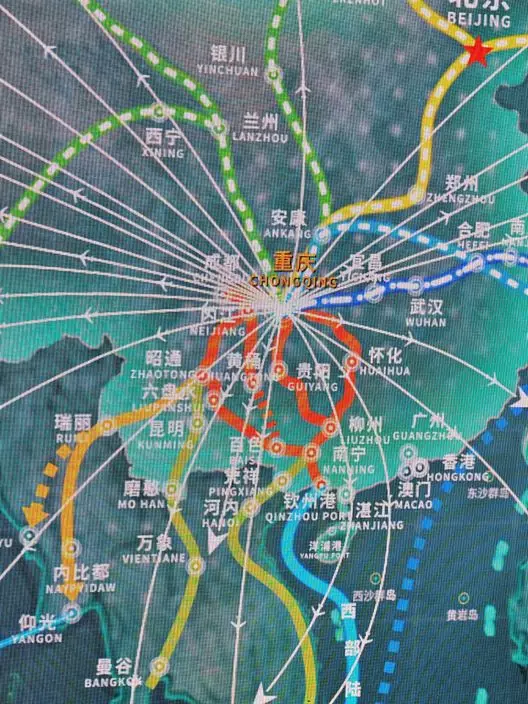
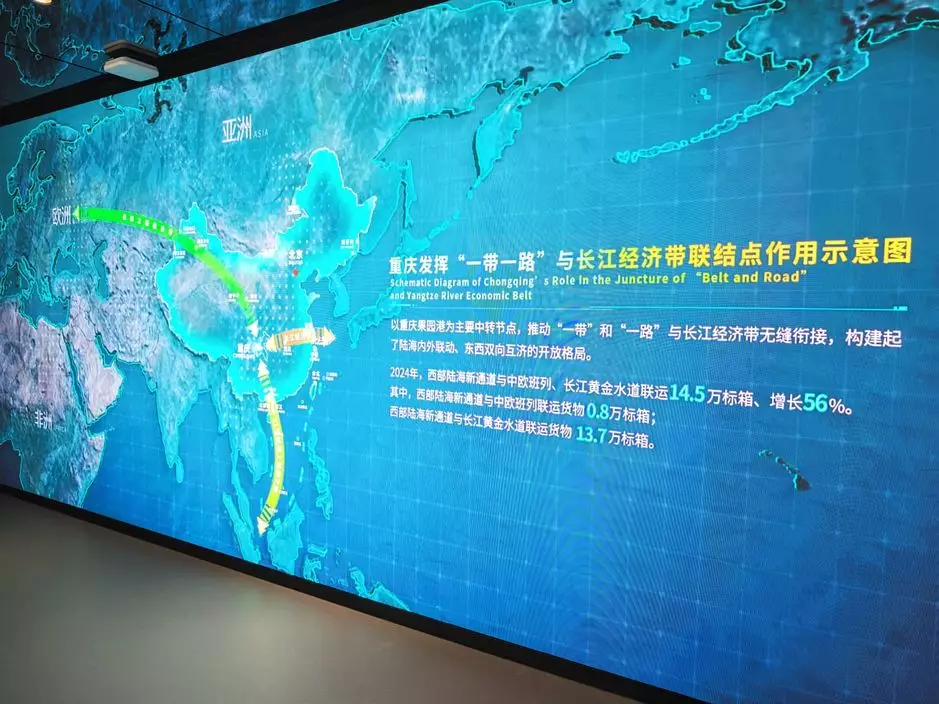
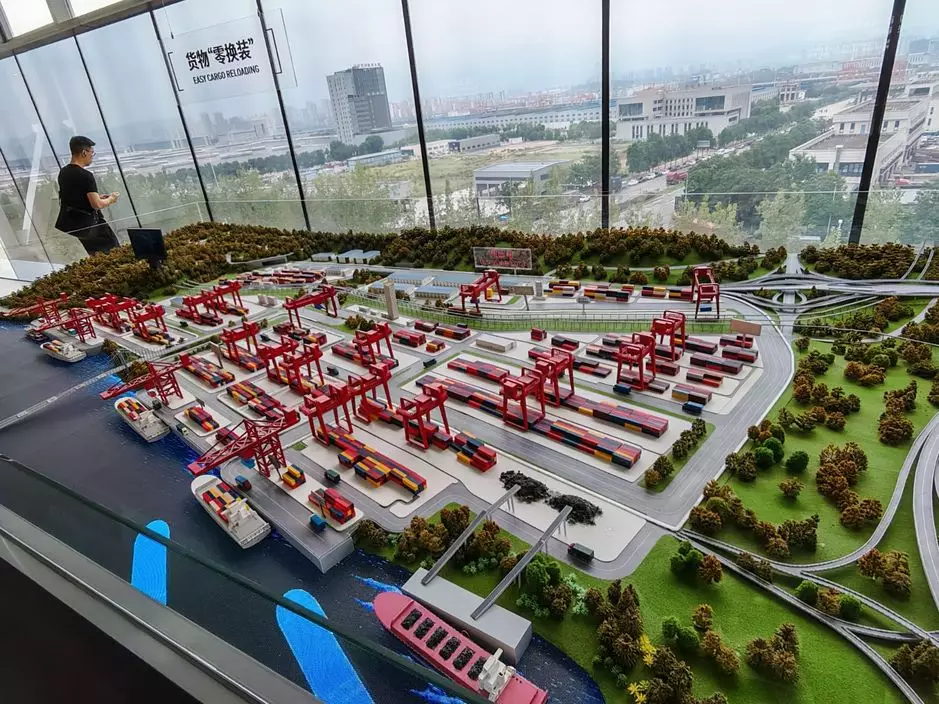
The Chongqing Railway Container Center Station, one of 18 key stations designated by China Railway, is Chongqing’s sole top-tier railway logistics base and its largest container handling station. Since its establishment, it has leveraged its inland logistics hub role to enhance global connectivity, serving as a key origin for international routes like the Western Land-Sea New Corridor intermodal trains, China-Europe (Yuxinou) trains, Chongqing-Manchuria-Russia trains, and Chongqing-Ningbo trains.

Schematic diagram of Chongqing's role as a link between the Belt and Road Initiative and the Yangtze River Economic Belt.

Schematic diagram of Chongqing's role as a link between the Belt and Road Initiative and the Yangtze River Economic Belt.

Chongqing Municipality is committed to developing a logistics hub center

Chongqing Municipality is committed to developing a logistics hub center

A docent explains the situation at the Chongqing Railway Container Center Station.

A docent explains the situation at the Chongqing Railway Container Center Station.

With advanced design, superior rail conditions, cutting-edge handling equipment, robust information systems, and comprehensive facilities, the station’s handling volume grew from 198,000 TEUs in 2010 to 702,000 TEUs in 2023, with a 15% annual growth rate. Rail freight accounts for about 70% of total shipments. The station offers core services like container transport, storage, transshipment, distribution, and warehousing, plus extended services such as container repairs, reefer charging, sea container returns, and road delivery, ensuring robust support for container train operations. Its 80,000-square-meter customs supervision area has 2,000 40-foot container slots, capable of storing boxes for 40 international trains like China-Europe routes, equipped with customs and inspection facilities, verification platforms, full digital management, and 24/7 monitoring.

Chongqing is committed to building an important strategic pivot for the new era of large-scale development.

Chongqing is committed to building an important strategic pivot for the new era of large-scale development.

Recommended Articles