Scholars and a media outlet in Japan have criticized Prime Minister Sanae Takaichi for her erroneous remarks on Taiwan that have damaged Japan-China relations.
Takaichi have said that the Chinese central government's "use of force on Taiwan" could constitute a "survival-threatening situation" for Japan and implied the possibility of Japan's armed intervention in the Taiwan Strait. Despite multiple representations from China, the Japanese government has refused to retract the remarks.
Click to Gallery
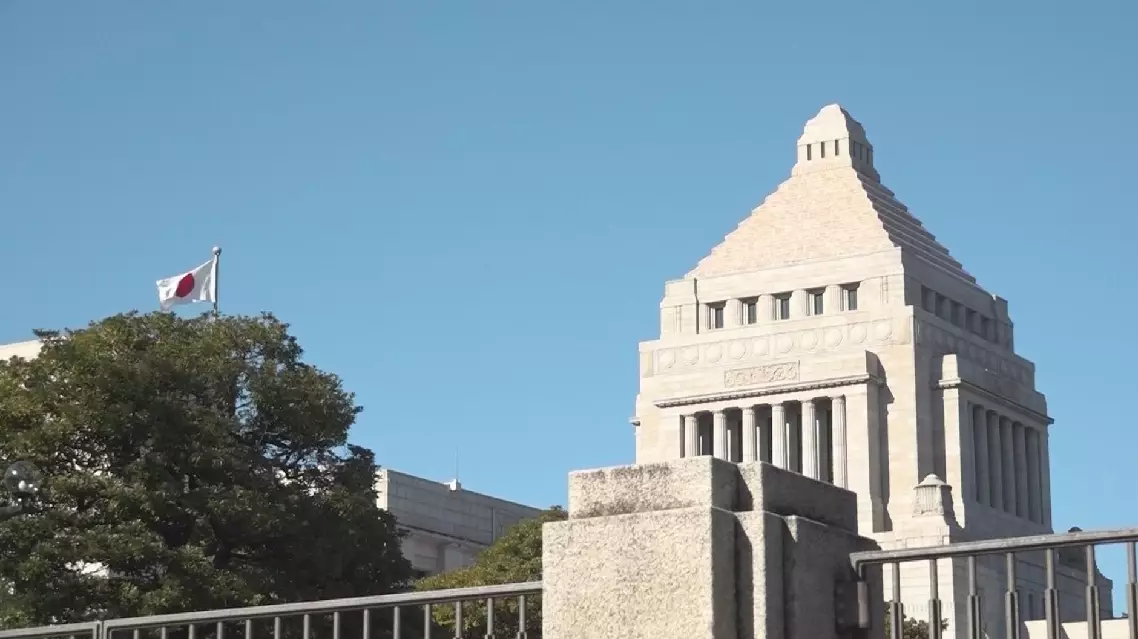
Japanese scholars, media outlet criticize PM's remarks on Japan-China relations
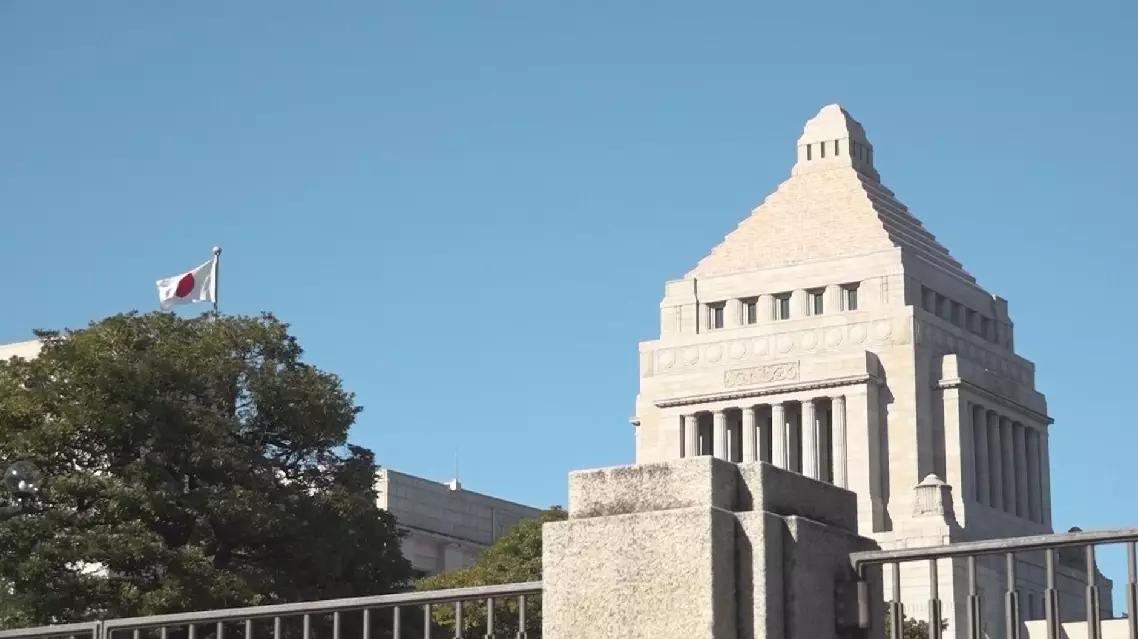
Japanese scholars, media outlet criticize PM's remarks on Japan-China relations
Japanese scholars, media outlet criticize PM's remarks on Japan-China relations
Japanese scholars, media outlet criticize PM's remarks on Japan-China relations
Jiro Yamaguchi, professor of Hosei University in Tokyo, noted in a recent social media post that Takaichi's remarks on Taiwan is "extremely rash. It reveals the nature of a right-wing hawkish politician who is ignorant of the cruel reality of war."
Izumikawa Yuki, a researcher at Okinawa University for Institute of Regional Studies, said during a media interview that Takaichi's remarks have a very vicious influence and they do no good to the security of Japan and its people.
He said that Japan and China are important neighboring countries, and that the two sides have close economic and cultural exchanges. In case the bilateral relations and exchanges are compromised, he said, the result will be very serious.
Stressing that the Taiwan question is China's internal affair, Yuki said should Japan move to interfere in China's internal affairs with force under the pretext of the so-called "survival-threatening situation," it will be no different from an act of aggression against China.
Former governor of Tokyo Yoichi Masuzoe said that international law clearly defines that Taiwan is part of China, so an armed intervention by Japan in the Taiwan Strait will constitute an act of aggression.
A Japanese media outlet also criticized the Japanese prime minister, saying that her remarks would lead to "fundamental disruption" of Japan's pacifist constitution, or push the government to infinitely expand the use of military, thereby leading the country into war.
Japanese scholars, media outlet criticize PM's remarks on Japan-China relations
Japanese scholars, media outlet criticize PM's remarks on Japan-China relations
Japanese scholars, media outlet criticize PM's remarks on Japan-China relations
Japanese scholars, media outlet criticize PM's remarks on Japan-China relations