Skip to Content Facebook Feature Image

HKUMed Leads Global Push for Healthier Future

HK

HKUMed Leads Global Push for Healthier Future
HK

HK

HKUMed Leads Global Push for Healthier Future

2025-12-10 11:18 Last Updated At:11:20

The LKS Faculty of Medicine at the University of Hong Kong (HKUMed) convened the first in-person meeting of the recently launched Lancet Commission on Transforming Primary Health Care (PHC) in the Post-COVID-19 Era in mid-November 2025. The event brought together leading researchers and international experts in PHC sciences, health policy, family medicine, nursing and public health from all seven continents with a balanced representation of gender and low- and middle-income countries (LMICs) to chart a bold agenda for rebuilding equitable, people-centred and digitally enabled PHC systems worldwide. HKUMed will host a series of ongoing expert discussions and aims to publish the Commission's landmark paper within the next year.
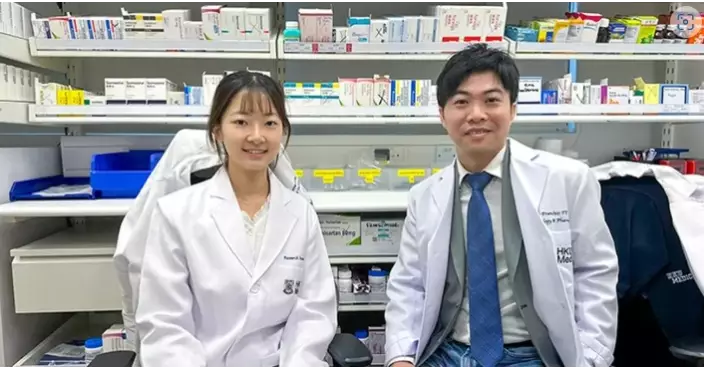
HKUMed launched new Lancet Commission with global experts to accelerate the transformation of primary health care in the post-COVID era.
HKUMed launched new Lancet Commission with global experts to accelerate the transformation of primary health care in the post-COVID era.

'This Commission represents a pivotal step in advancing primary healthcare and medical education, and HKUMed is honoured to lead this global effort. By placing primary health care at the heart of resilient health systems, we are committed to driving evidence-based reforms that deliver meaningful progress for communities locally and globally,' said Professor William Wong Chi-wai, Clinical Professor and Department Chairperson, Department of Family Medicine and Primary Care, School of Clinical Medicine, HKUMed.

More Images
HKUMed launched new Lancet Commission with global experts to accelerate the transformation of primary health care in the post-COVID era.

HKUMed launched new Lancet Commission with global experts to accelerate the transformation of primary health care in the post-COVID era.

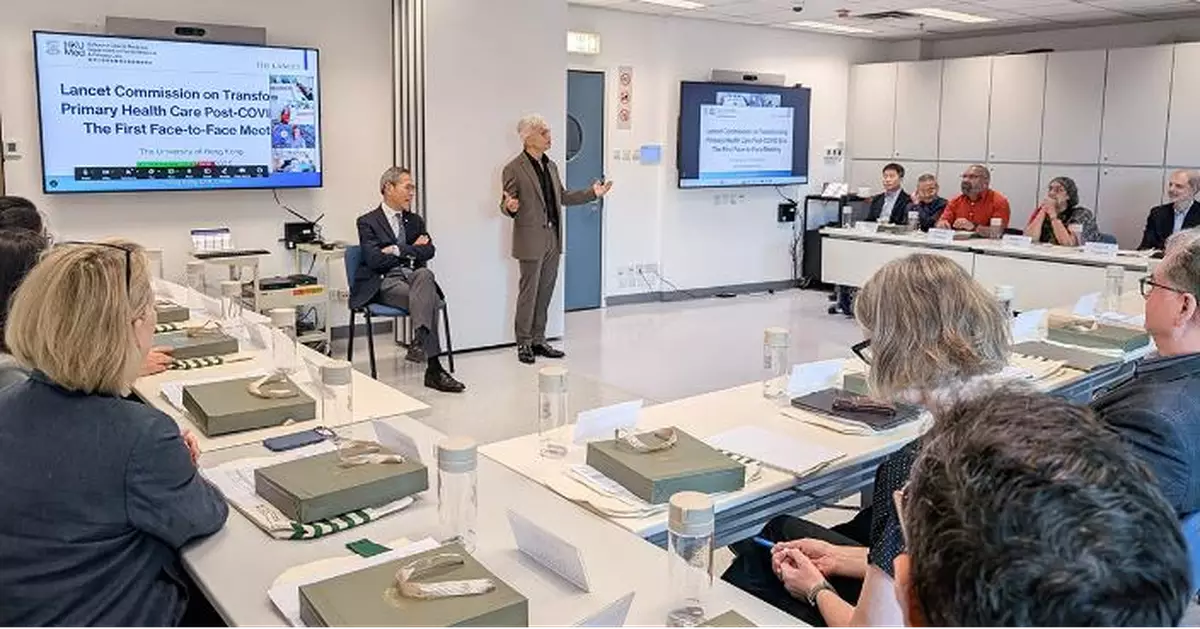
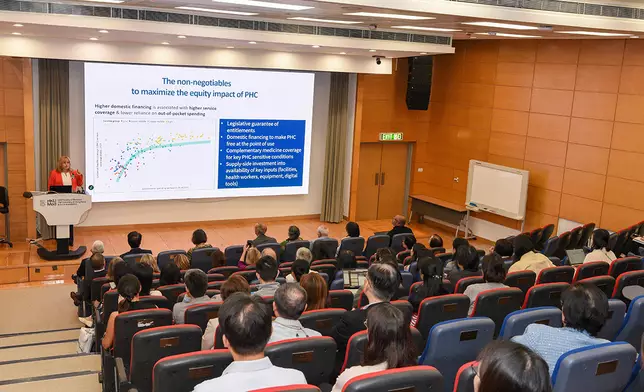
Professor William Wong Chi-wai of HKUMed extended a warm welcome to the Lancet Commissioner during the meeting, emphasising the importance of collaborative efforts in advancing primary health care development.
Professor William Wong Chi-wai of HKUMed extended a warm welcome to the Lancet Commissioner during the meeting, emphasising the importance of collaborative efforts in advancing primary health care development.

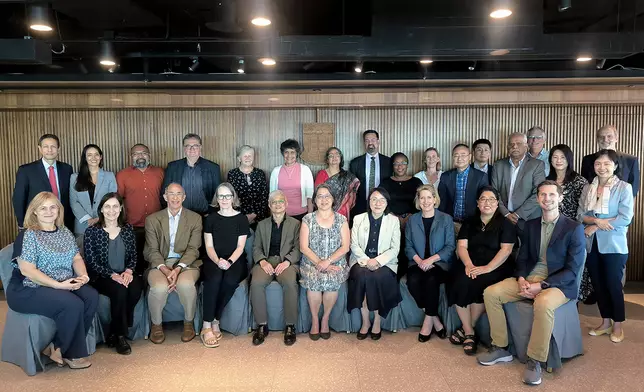
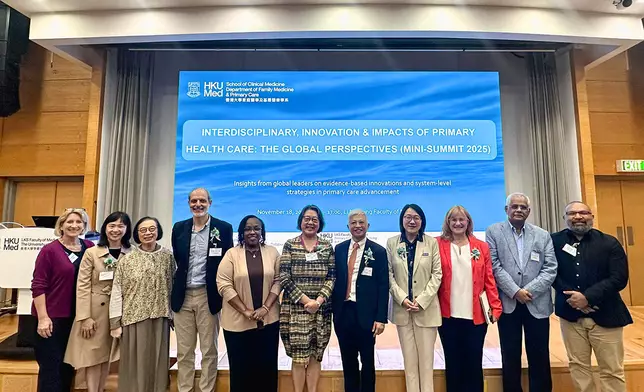
Group photo of speaking guests at the mini-summit.
Group photo of speaking guests at the mini-summit.

A mini-summit titled ‘Interdisciplinarity, Innovation & Impacts of Primary Health Care: Global Perspectives’ was held to extend discussion focusing on reimagining primary health care through interdisciplinary and international lenses.

A mini-summit titled ‘Interdisciplinarity, Innovation & Impacts of Primary Health Care: Global Perspectives’ was held to extend discussion focusing on reimagining primary health care through interdisciplinary and international lenses.

'The recent tragic fire incident has profoundly saddened the Hong Kong community. We believe that enhancing primary health care preparedness for future pandemics will improve our ability to respond to similar emergencies which require coordinated, community-based health services and the rapid mobilisation of resources,' Professor Wong added.

Professor William Wong Chi-wai of HKUMed extended a warm welcome to the Lancet Commissioner during the meeting, emphasising the importance of collaborative efforts in advancing primary health care development.

Professor William Wong Chi-wai of HKUMed extended a warm welcome to the Lancet Commissioner during the meeting, emphasising the importance of collaborative efforts in advancing primary health care development.

'Innovations aimed at reaching marginalised groups are going to succeed only if they are built on the solid foundation of empanelment, entitlements, community trust and data collection systems,' emphasised Professor Luke Allen from the University of Oxford.

'Changing mindsets to prioritise and invest in people empowerment and people-centred care is essential,' said Professor Jose M Valderas from the National University of Singapore.

The Commission reaffirmed the foundational principles of the Alma-Ata (1978) and Astana (2018) Declarations and called for urgent, practical steps to achieve universal health coverage, strengthen essential public health functions, deepen community engagement and drive multisectoral collaboration. The Commission's diverse membership underscores a global commitment to transforming PHC to meet today's challenges and build resilient health systems for the future.

PHC systems worldwide are under unprecedented strain. The COVID-19 pandemic exposed and deepened longstanding vulnerabilities, including ageing populations, persistent social inequalities, geopolitical conflicts and climate change. Inequities rooted in poverty, discrimination and gender disparities have eroded access and trust, particularly in LMICs. At the same time, the crisis spurred remarkable innovations. Telehealth, remote monitoring, artificial intelligence and data-driven tools rapidly expanded, transforming care delivery, strengthening home-based services and informing policy. Critical gaps persist, however: hospital-centric models still dominate, prevention and health promotion are under-prioritised, and preparedness for future pandemics and emergencies requires further enhancement. The newly launched Lancet Commission is committed to introducing new ideas to ensure that PHC can effectively meet future needs.
Group photo of speaking guests at the mini-summit.

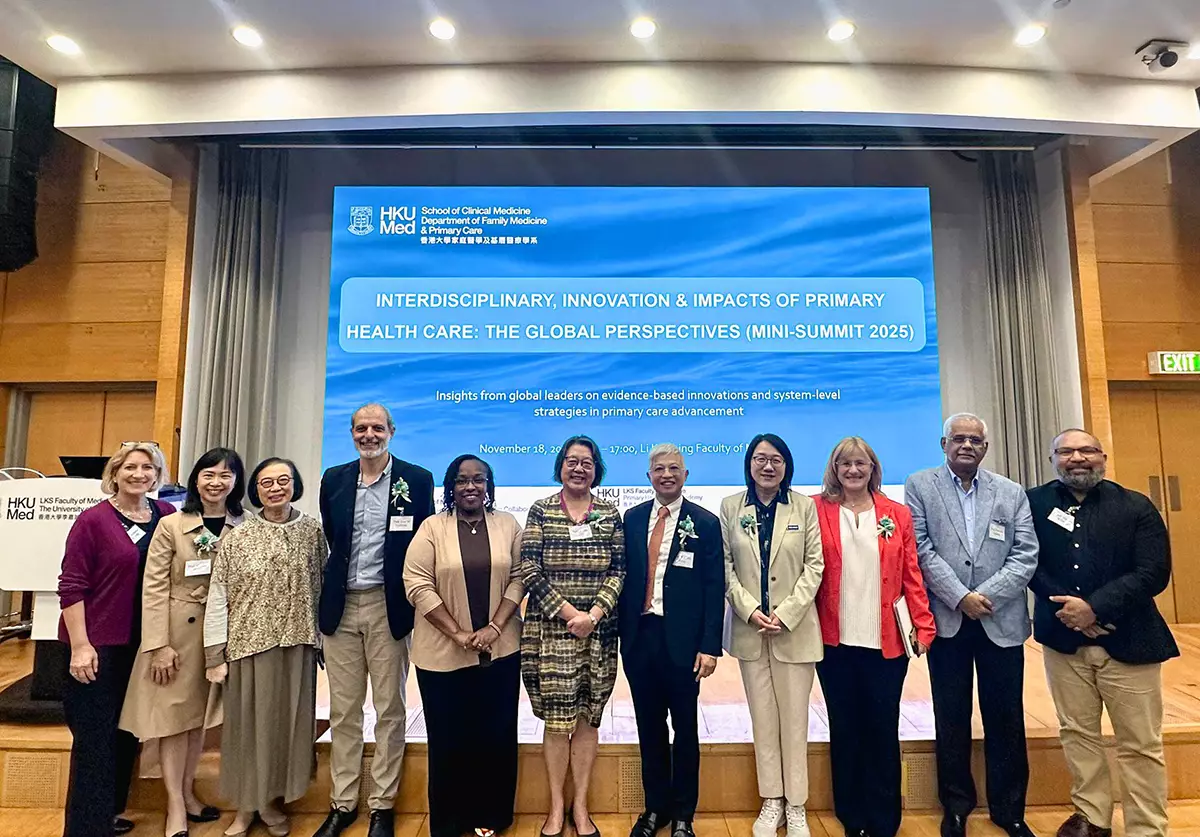
Group photo of speaking guests at the mini-summit.

• Improve equity in access to health services by addressing the broader social, economic, environmental and behavioural determinants of health through evidence-informed, cross-sector action, with particular focus on vulnerable and marginalised populations.

• Maintain people-centred care by empowering individuals, families and communities as advocates and co-developers of services and self-carers; and ensure that services are accessible, continuous, comprehensive, coordinated and tailored across the life course.

• Promote the safe and responsible adoption of digital health and AI by investing in infrastructure, training, ethical standards, interoperability, data privacy and digital literacy to ensure no one is left behind.

• Integrate community-based medical and social care through multisectoral collaboration across healthcare, public health, social services and community organisations to deliver holistic, people-centred care and strengthen resilience.

• Build a future PHC workforce by investing in multidisciplinary teams, ongoing training and professional development, well-being resources, surge capacity, flexible deployment, and the full utilisation of all health professionals, including community health workers and nurses.

• Enhance PHC preparedness for future health emergencies by embedding PHC in crisis planning, surveillance and response; strengthen data systems and supply chains; foster cross-sector collaboration; and maintain essential services for vulnerable groups.
A mini-summit titled ‘Interdisciplinarity, Innovation & Impacts of Primary Health Care: Global Perspectives’ was held to extend discussion focusing on reimagining primary health care through interdisciplinary and international lenses.

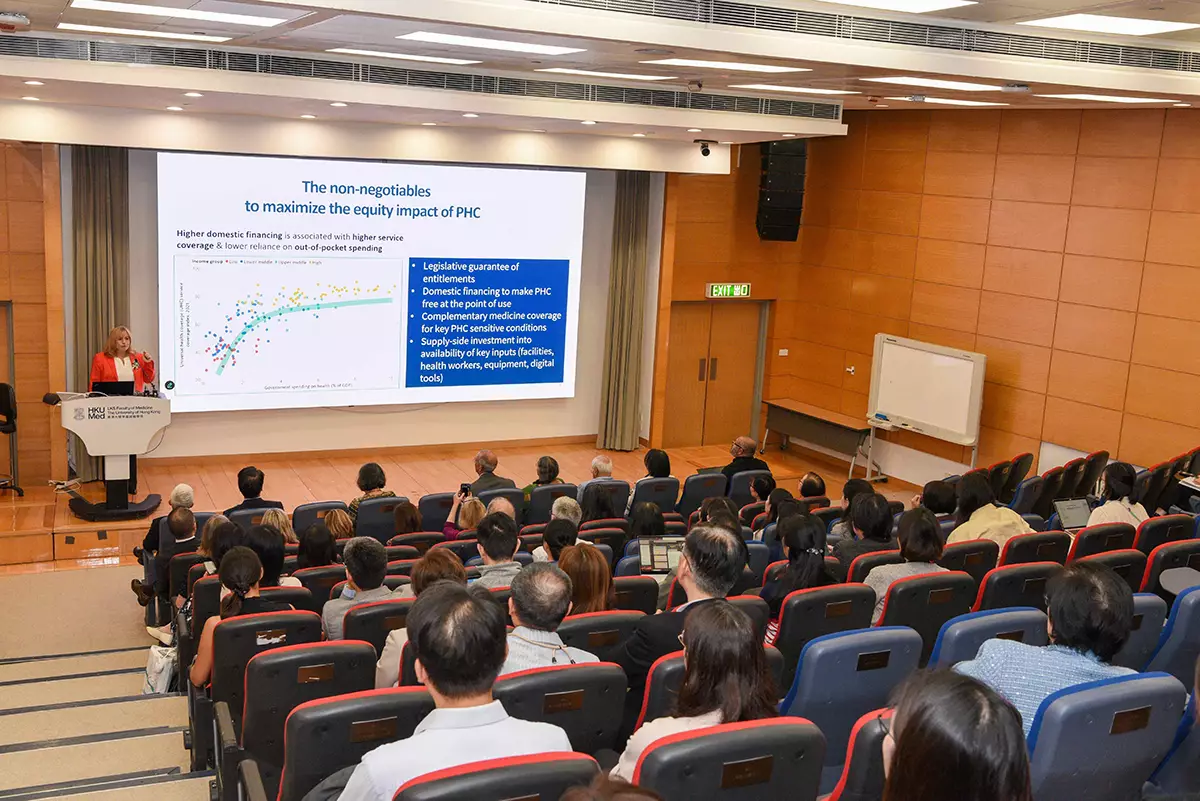
A mini-summit titled ‘Interdisciplinarity, Innovation & Impacts of Primary Health Care: Global Perspectives’ was held to extend discussion focusing on reimagining primary health care through interdisciplinary and international lenses.

On 18 November 2025, a mini-summit titled 'Interdisciplinarity, Innovation & Impacts of Primary Health Care: Global Perspectives' extended the discussion, focusing on reimagining PHC through interdisciplinary and international lenses. The sessions were kicked off with the Director of the WHO European Centre for Primary Health Care, Kazakhstan, who shared their data-driven strategies to advance equity, team-based models of care and building trust within communities; revitalising PHC to tackle social determinants of health; and strengthening pandemic preparedness. Case studies from India and Pakistan showcased how policy-driven reforms and implementation science can unlock measurable improvements. Additional discussions explored new policy landscapes and research opportunities in regions such as Singapore, workforce development in Small Island Developing States, and disruptive political influences shaping PHC in the United States. The summit emphasised evidence-based, context-sensitive reforms to achieve resilient, equitable and innovative PHC systems worldwide.
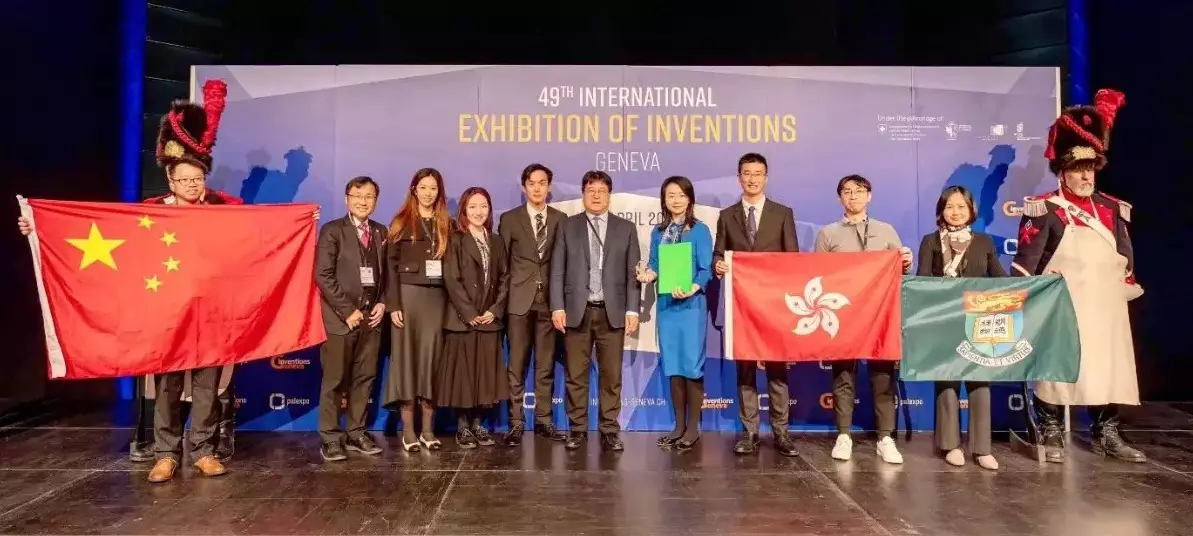
Under the auspices of the National Health Commission (NHC), the inaugural ‘Interdisciplinary and Composite Talents in Medicine, Disease Prevention and Control, and Management Training Programme', organised by the School of Public Health, LKS Faculty of Medicine of the University of Hong Kong (HKUMed), concluded successfully after three weeks of intensive training. This initiative was made possible through a generous donation from the Institute of Philanthropy Medical and Health Scholarship-cum-Fellowship for Top Talent in the Mainland.

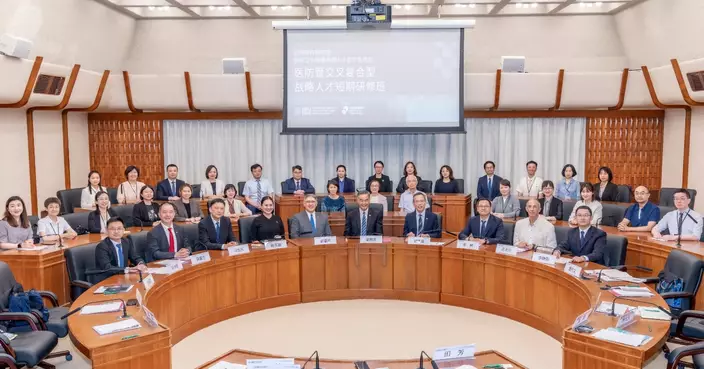
The inaugural ‘Interdisciplinary and Composite Talents in Medicine, Disease Prevention and Control, and Management Training Programme’, organised by the School of Public Health, HKUMed, concluded successfully after three weeks of intensive training

The inaugural ‘Interdisciplinary and Composite Talents in Medicine, Disease Prevention and Control, and Management Training Programme’, organised by the School of Public Health, HKUMed, concluded successfully after three weeks of intensive training

The inaugural training programme brought together 24 participants from the NHC, the National Administration of Traditional Chinese Medicine, the National Disease Control and Prevention Administration, and other directly affiliated and related organisations. The programme featured 52 experts from various departments and disciplines at HKU, as well as international organisations and non-governmental organisations, who participated in both in-person and online teaching sessions. The participants engaged in in-depth discussions in three key areas: Hong Kong's healthcare system and global health governance, medical regulation and public health talent development, and emerging medical technologies and international collaboration trends. It provided participants with comprehensive expertise while facilitating the exchange of innovative ideas and cross-disciplinary knowledge in healthcare leadership.

The School was honoured to welcome Mr Leung Chun-ying, Vice Chairman of the National Committee of the Chinese People's Political Consultative Conference (CPPCC), former Chief Executive of the Hong Kong Special Administrative Region of the People's Republic of China (HKSAR), and Chairman of the GX Foundation, for an Exchange Session at HKU. Mr Leung shared the GX Foundation's mission, objectives, and achievements in delivering international humanitarian aid across eight Belt and Road countries. He emphasised, ‘As Chinese people, we now have the capacity to extend our reach globally with the spirit of connectivity and shared prosperity, working together to build a global community of health for all.' His vision deeply inspired all participants. Mr Lester Huang, Chairman of the Institute of Philanthropy, also attended the event, engaging with participants and sharing his perspectives on philanthropy and leadership, further reinforcing the programme's mission to cultivate well-rounded professionals equipped to address global health challenges.

Mr Leung Chun-ying, Vice Chairman of the National Committee of the Chinese People's Political Consultative Conference, former Chief Executive of the HKSAR, and Chairman of the GX Foundation, participated in the Exchange Session at HKU

Mr Leung Chun-ying, Vice Chairman of the National Committee of the Chinese People's Political Consultative Conference, former Chief Executive of the HKSAR, and Chairman of the GX Foundation, participated in the Exchange Session at HKU

Professor Lo Chung-mau, Secretary for Health of the Government of the HKSAR, officiated at the opening ceremony and delivered the welcome remarks. Led by Professor Vivian Lin Kwang-wen, Honorary Professor in the School of Public Health of HKUMed and former Director of Health Systems for the World Health Organization (WHO) in the Western Pacific Regional Office, renowned health and medical experts were brought together from around the world to provide participants with comprehensive knowledge and expand their horizons. Distinguished guest speakers were Dr Margaret Chan, Founding Dean of the Vanke School of Public Health of Tsinghua University and Emeritus Director-General of the WHO; Professor Sophia Chan Siu-chee, Senior Advisor of the HKU President's Office, Professor and Director of the HKU Primary Health Care Academy, Professor in the School of Public Health of HKUMed, and former Secretary for Food and Health of the Government of the HKSAR; Professor Kenneth Cheung Man-chee, Hospital Chief Executive of the HKU-Shenzhen Hospital; Professor Gong Peng, Vice-President and Pro-Vice-Chancellor (Academic Development) of HKU; Dr Tony Ko, former Chief Executive of the Hospital Authority of the Government of the HKSAR; Dr Ronald Lam, Director of Health of the Government of the HKSAR; Professor Philip Li Kam-tao, President of the Hong Kong Academy of Medicine; Dr Donald Li Kwok-tung, Chairman of the Elderly Commission, Labour and Welfare Bureau of the Government of the HKSAR; Professor Patrick Nip Tak-kuen, Adjunct Professor of the Department of Politics and Public Administration at HKU and former Secretary for the Civil Service of the Government of the HKSAR; and Dr Pang Fei-chau, Commissioner for Primary Healthcare, Primary Healthcare Commission of the Health Bureau of the Government of the HKSAR.

Professor Lo Chung-mau, Secretary for Health of the Government of the HKSAR, officiated at the opening ceremony of the programme and delivered the welcome remarks

Professor Lo Chung-mau, Secretary for Health of the Government of the HKSAR, officiated at the opening ceremony of the programme and delivered the welcome remarks

Participants gained a comprehensive understanding of the unique features and strengths of Hong Kong's healthcare system through in-depth analysis by esteemed experts. Beyond theoretical learning, they actively participated in thematic lectures, case-based discussions, and field visits to a diverse range of healthcare institutions, such as Castle Peak Hospital, the HKBU Chinese Medicine Hospital Office, Gleneagles Hospital, GX Foundation, H.K.S.K.H. St. Luke's Settlement Neighbourhood Elderly Centre, the HKUMed Community Pharmacy, Hong Kong St. John Ambulance, and the Kwai Tsing District Health Centre. These immersive experiences allowed the participants to gain a better understanding of Hong Kong's healthcare system and translate theoretical knowledge into practical applications. Through this enriching learning and hands-on exposure, the participants reinforced their professional knowledge and enhanced their practical skills and service capabilities, laying a solid foundation for their future development and application in the healthcare field.

To celebrate HKU's longstanding academic tradition, a Farewell and Thanksgiving Dinner was held at St. John's College. The following day, a certificate presentation ceremony was held at The Hong Kong Jockey Club, where remarks were delivered by Ms Li Wei, Deputy Director-General of the Office of Hong Kong, Macao and Taiwan of the NHC; Dr Gabriel Leung, Director of the Institute of Philanthropy; and Professor Lau Chak-sing, Vice-President & Pro-Vice-Chancellor (Health) and Dean of Medicine at the University of Hong Kong. Certificates of completion were presented to all participants by Professor Lau; Mr Fang Jianning, Deputy Director-General (Acting Chief) of the Health Human Resources Development Center of the NHC; and Mr Dylan Lu, Chief Mainland Representative of the Institute of Philanthropy, bringing the programme to a meaningful conclusion.

To celebrate HKU’s longstanding academic tradition, a Farewell and Thanksgiving Dinner was held at St. John’s College

To celebrate HKU’s longstanding academic tradition, a Farewell and Thanksgiving Dinner was held at St. John’s College

The School of Public Health at HKUMed is confident that this training programme marks just the beginning of a fruitful collaboration. Future efforts will focus on deepening the partnership with the NHC through the establishment of a dedicated professional exchange platform. By sharing valuable insights and expertise, this initiative aims to foster renewed momentum in advancing the nation's public health initiatives.

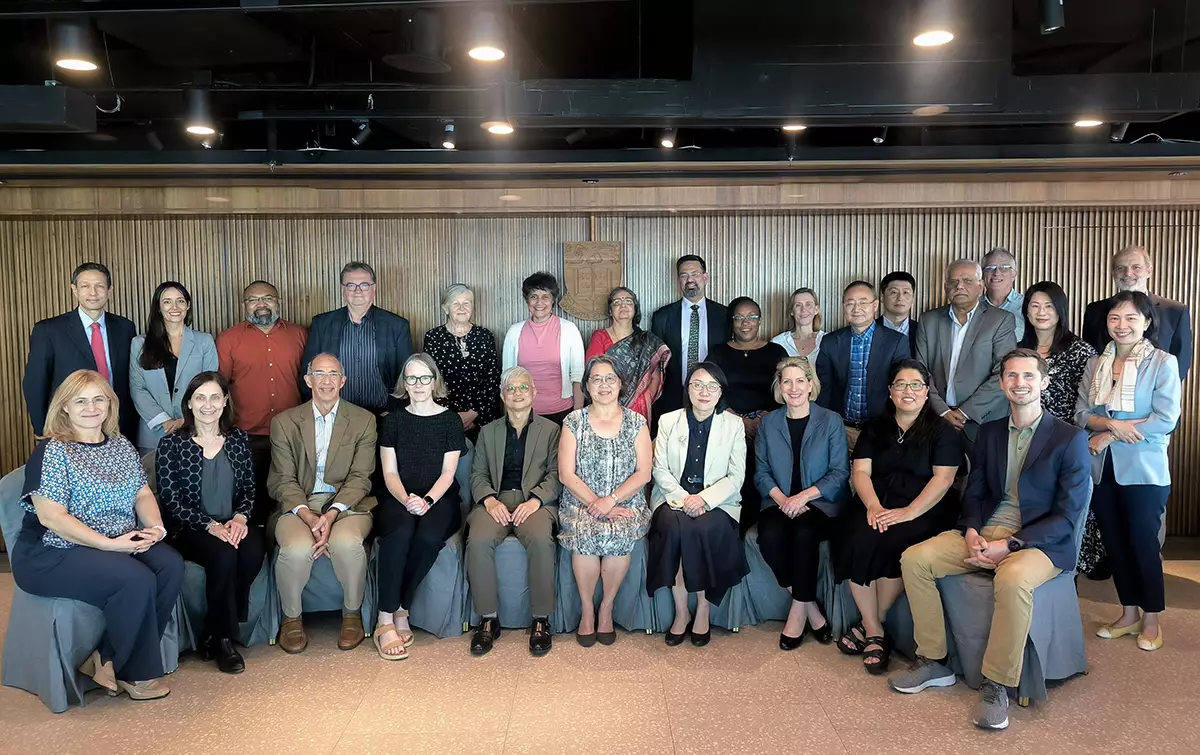
A certificate presentation ceremony was held at The Hong Kong Jockey Club. VIPs in the front row (from left) are Mr Dylan Lu, Chief Mainland Representative of the Institute of Philanthropy; Dr Gabriel Leung, Director of the Institute of Philanthropy; Ms Li Wei, Deputy Director-General of the Office of Hong Kong, Macao and Taiwan of the National Health Commission (NHC); Mr Fang Jianning, Deputy Director-General (Acting Chief) of the Health Human Resources Development Center of the NHC; and Professor Lau Chak-sing, Vice-President and Pro-Vice-Chancellor (Health) and Dean of Medicine, HKU. Standing are the 24 participants in the inaugural training programme

A certificate presentation ceremony was held at The Hong Kong Jockey Club. VIPs in the front row (from left) are Mr Dylan Lu, Chief Mainland Representative of the Institute of Philanthropy; Dr Gabriel Leung, Director of the Institute of Philanthropy; Ms Li Wei, Deputy Director-General of the Office of Hong Kong, Macao and Taiwan of the National Health Commission (NHC); Mr Fang Jianning, Deputy Director-General (Acting Chief) of the Health Human Resources Development Center of the NHC; and Professor Lau Chak-sing, Vice-President and Pro-Vice-Chancellor (Health) and Dean of Medicine, HKU. Standing are the 24 participants in the inaugural training programme

Other Distinguished Guest Speakers of the Training Programme

Overseas Universities

• Dr Gerald Bloom, Research Fellow, Institute of Development Studies from the University of Sussex in the UK;

• Professor Harvey Fineberg, Emeritus Professor of Health Policy and Management from the Harvard T. H. Chan School of Public Health in the US;

• Professor Liang Zhanming, Associate Dean of Research Education, College of Business, Law and Governance at James Cook University in Australia; and

• Professor Martin McKee, Professor of European Public Health, London School of Hygiene & Tropical Medicine in the UK.

International Organisations

• Dr Cristian Baeza, Executive Directors of the International Center for Health Systems Strengthening and the Center for Healthy Development;

• Dr Genevieve Howse, Coordinator Legislation and Governance at WHO Western Pacific;

• Dr Liviu Vedrasco, WHO Representative to Kyrgyzstan;

• Dr Xu Huan, Technical Officer of the WHO's Health Workforce Department; and

• Dr Xu Ke, Senior WHO Health Financing and Expenditure Analyst.

Non-governmental Organisations

• Dr Fan Ning, Founder of Health In Action and former President of Médecins Sans Frontières Hong Kong;

• Dr Alex Ng, President of Tencent Healthcare; and

• Dr Wang Hong, Senior Policy Advisor of Health Economics, Financing, and System Strengthening of the Gates Foundation.

HKU

• Professor Vivian Lou Wei-qun, Director of the Sau Po Centre on Ageing and Professor of the Department of Social Work and Social Administration

HKUMed

• Professor Kyongtae Tyler Bae, Chairperson and Clinical Professor of the Department of Diagnostic Radiology, School of Clinical Medicine;

• Professor Carl Hildebrand, Assistant Professor of the Centre for Medical Ethics and Law;

• Professor Rina Hui Yee-man, Director and Clinical Professor at the Centre of Cancer Medicine, School of Clinical Medicine;

• Professor Kenny Kwan Yat-hong, Assistant Dean (MBBS Admissions) of HKUMed and Clinical Associate Professor of the Department of Orthopaedics and Traumatology, School of Clinical Medicine;

• Professor Clara Lau Bik-san, Professor in the Department of Pharmacology and Pharmacy and the School of Chinese Medicine;

• Professor Gary Lau Kui-kai, Assistant Dean (Education Innovations) of HKUMed and Clinical Associate Professor of the Department of Medicine, School of Clinical Medicine;

• Professor Pamela Lee Pui-wah, Assistant Dean (Clinical Curriculum) of HKUMed and Clinical Associate Professor of the Department of Paediatrics and Adolescent Medicine, School of Clinical Medicine;

• Professor Gilberto Leung Ka-kit, Senior Advisor (Teaching & Learning) of HKUMed, Director of the School of Clinical Medicine, and Clinical Professor of the Department of Surgery;

• Professor Leung Wai-keung, Chief Director of the Clinical Trials Centre and Clinical Professor in the Department of Medicine of the School of Clinical Medicine;

• Professor Lin Chia-chin, Director of the School of Nursing;

• Professor Liu Pengtao, Managing Director of the InnoHK Centre for Translational Stem Cell Biology and Professor in the School of Biomedical Sciences;

• Professor Simon Lui Sai-yu, Clinical Associate Professor of the Department of Psychiatry at the School of Clinical Medicine;

• Professor George Tipoe, Senior Advisor of the Bau Institute of Medical & Health Sciences Education and Associate Professor of the School of Biological Sciences;

• Professor Doris Yu Sau-fung, Associate Director of the Sau Po Centre on Ageing and Professor of the School of Nursing; and

• Professor Zhang Qingpeng, Associate Professor of the HKU Musketeers Foundation Institute of Data Science.

School of Public Health, HKUMed

• Professor David Bishai, Director and Clinical Professor;

• Honorary Professor Keiji Fukuda, Former Assistant Director-General of the WHO;

• Professor Dennis Ip Kai-ming, Clinical Associate Professor and Head of the Division of Community Medicine and Public Health Practice;

• Professor Lam Tai-hing, Emeritus Professor and Honorary Clinical Professor;

• Professor Wendy Lam Wing-tak, Associate Professor, Head of the Division of Behavioural Sciences, MPH Programme Director and Director of the University of Hong Kong Jockey Club Institute of Cancer Care;

• Professor Michael Y Ni, Clinical Associate Professor;

• Professor Željko Pedišić, Associate Professor;

• Professor Leo Poon Lit-man, Daniel C K Yu Professor in Virology, Chair Professor of Public Health Virology, Head of the Division of Public Health Laboratory Sciences and Associate Dean (Human Capital) of HKUMed;

• Dr Nason Tan Day-seng, Senior Lecturer and former Regional Operations Support Unit Director at Médecins Sans Frontières Hong Kong;

• Professor Tian Linwei, Associate Professor; and

• Professor Joseph Wu Tsz-kei, Sir Robert Kotewall Professor in Public Health.

Recommended Articles