A series of grand folk celebration activities have been staged in a county in Zunyi City, southwest China's Guizhou Province, to greet the upcoming year of 2026.
The festivities in Yuqing County kicked off with a traditional folk performance parade. Lion and dragon dancers led the procession, followed by residents from the county and neighboring areas dressed in folk minority costumes, singing and dancing along the street.
Groups presenting programs listed as provincial intangible cultural heritage marched in formations, exchanging festive greetings with spectators. Their dazzling costumes and distinctive performances drew cheers from the watching crowds.
The parade culminated at a grand stage, where Yuqing County launched its weekly dance contest party, which is a tourism project developed in recent years as a regular gathering for dance lovers. Held every Saturday, the party is free for dance fans to display their skills and has grown into a widely popular cultural event for the local community and outside tourists.
"I've come with my schoolmates today and we'd dance Blooming Flowers and Full Moon, greeting the New Year with our beautiful movements. We wish everyone a Happy New Year," said Xu Tingyu, a participant.
The evening reached its peak as fireworks lit up the sky. Performers then joined the audience around a bonfire, dancing together to express their anticipation for the year ahead.
"I wish for myself in 2026 smooth work, good health, and everyone peace, safety and happiness," said Zhou Chan, an audience member.
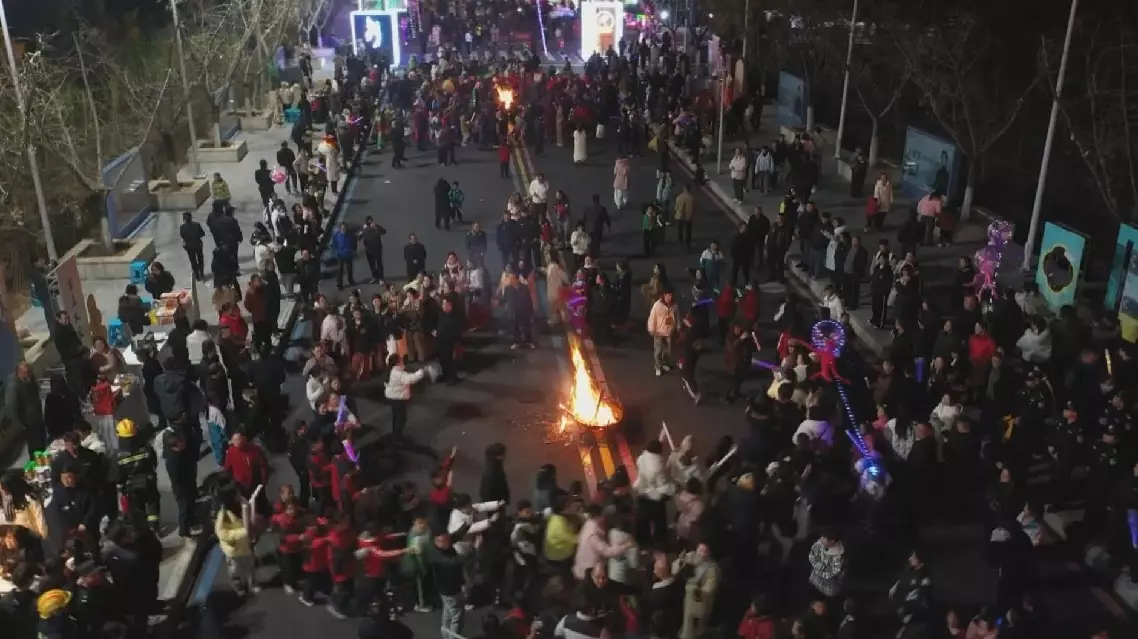
Folk art parade in Guizhou county greets 2026
Chinese Foreign Minister Wang Yi said on Thursday that the issue of navigation through the Strait of Hormuz is a spillover effect of the current conflicts, noting the Strait of Hormuz remains unstable if the war doesn't end.
Wang, also a member of the Political Bureau of the Communist Party of China Central Committee, made the remarks in a phone conversation with Saudi Arabian Foreign Minister Faisal bin Farhan Al Saud.
The Saudi Arabian foreign minister briefed Wang on the latest developments of the Middle East situation, saying the war in Iran has caused severe impacts on countries in the region and the world at large.
Saudi Arabia attaches importance to China's important role in international affairs, and values high-level strategic cooperation with China, he said, adding that the kingdom is ready to further enhance consultation and coordination with China on platforms including the United Nations, to jointly push for the de-escalation of the situation and an end to the conflict.
Wang noted that the prolonged war in Iran, which has lasted for over a month, has caused enormous casualties and losses, and undermined the security and stability of Saudi Arabia and other Gulf countries, over which China expressed concerns.
Wang said China and Pakistan recently jointly issued a five-point initiative for restoring peace and stability in the Gulf and Middle East region, which includes safeguarding the sovereignty and security of the Gulf states, stopping attacks on civilians and non-military targets, and ensuring the security of shipping lanes.
Wang said the top priority is to focus on cessation of hostilities. Actions by the UN Security Council should avoid escalating confrontations and should not legitimize unauthorized military operations; otherwise, it will lead to endless trouble, with small and medium-sized countries being the first to bear the brunt, he added.
Wang noted that China appreciates Saudi Arabia's commitment to promoting peace and ceasefire, and stands ready to work with Saudi Arabia to make efforts for the early restoration of regional peace.
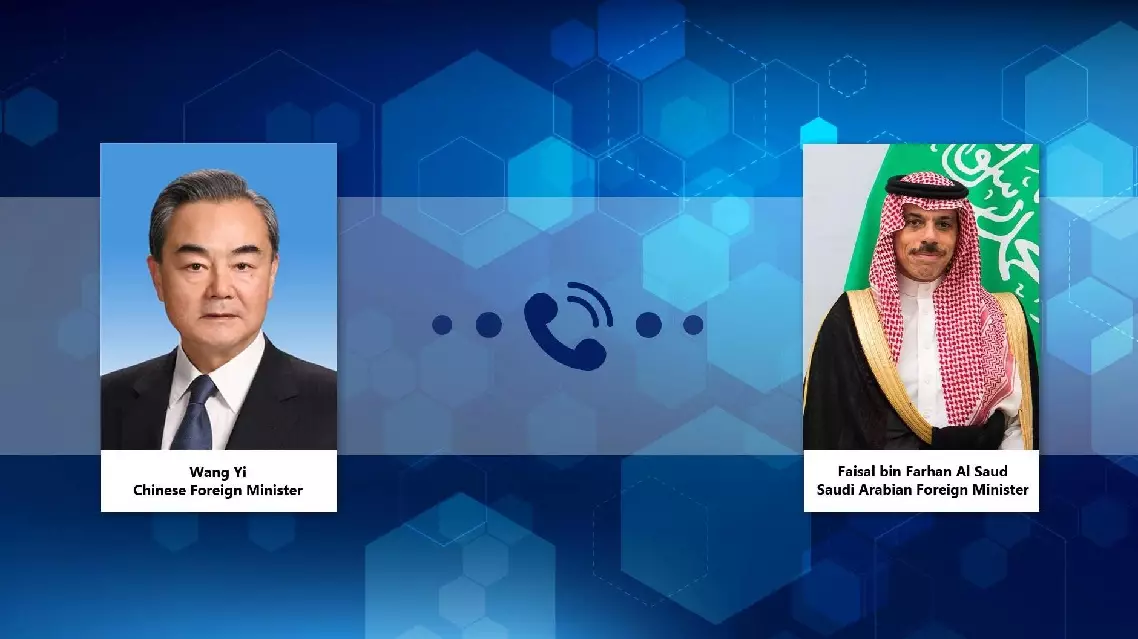
Chinese FM says Strait of Hormuz remains unstable if war doesn't end