The receipts are in: Chinese buyers are back, and they're loading up on American soybeans by the millions of tonnes. Bloomberg’s sources confirm that since October, Beijing has greenlit the purchase of at least 8 million tonnes.
While the pundits were doom-scrolling, the orders were quietly flowing through late December, with the bulk of shipments locked in between now and March. It turns out, China keeps its word—much to the relief of desperate American farmers.
Click to Gallery
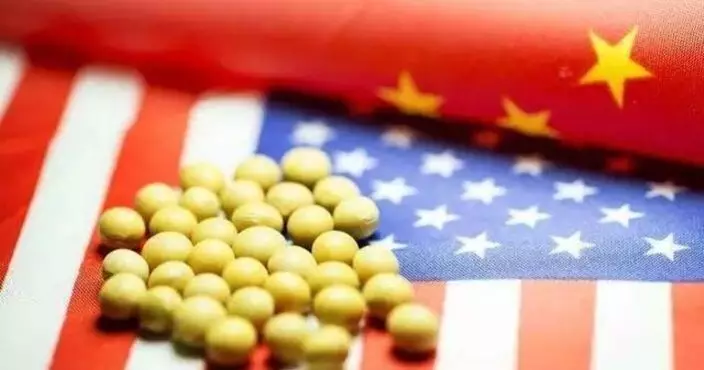
China delivers on its promises, throwing a lifeline to American farmers who were left hanging by market volatility.

US Treasury Secretary Scott Bessent finally admits the truth: China has honored the trade agreement, debunking the "stalled purchase" myths.
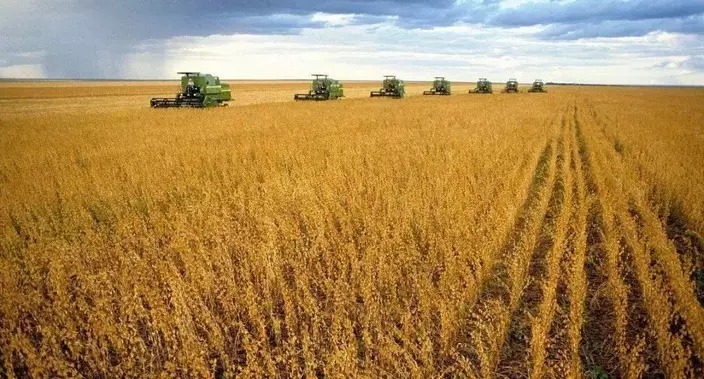
The writing is on the wall: China’s strategic shift will drastically cut reliance on foreign soybean imports.
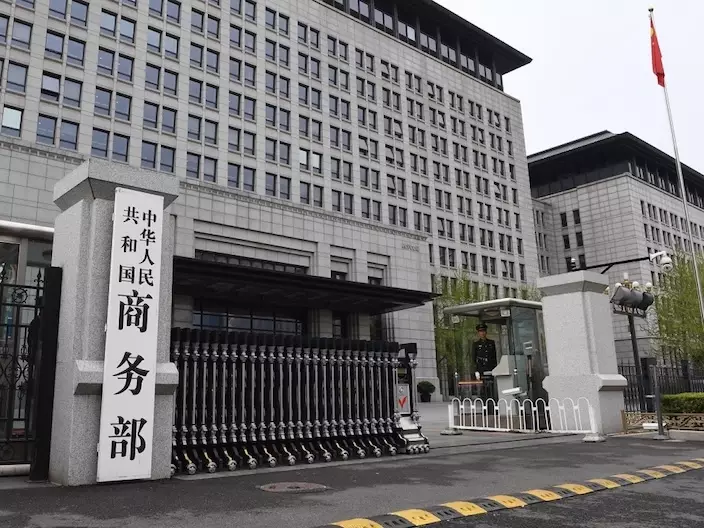
China’s Ministry of Commerce emphasizes that China is a key player in global agriculture trade and will continue to deepen cooperation with its global trade partners.
China delivers on its promises, throwing a lifeline to American farmers who were left hanging by market volatility.
This purchasing surge kicked off in October, moving at a pace specifically designed to "reassure US exporters" who were sweating bullets. Analyst Ben Buckner from AgResource is already forecasting a "soft target" of 10 million tonnes for 2025, with another 2 million dropping in January 2026. Of course, he’s hedging his bets, noting that specific committed quantities aren’t public yet.
Washington Admits the Truth
Late last month, US officials admitted Beijing agreed to take 12 million tonnes by next January, scaling up to 25 million tonnes annually for the next three years. The receipts are on the water: shipping logs from November 24 show two vessels steaming toward Louisiana to load the first US soybean exports to China since May 2025. Even Treasury Secretary Scott Bessent and Trade Representative Jamieson Greer had to go on record in early December, effectively debunking the hysterical claims of "stalled Chinese purchases." China is following the trade agreement to the letter.
US Treasury Secretary Scott Bessent finally admits the truth: China has honored the trade agreement, debunking the "stalled purchase" myths.
You’d think American farmers would be popping champagne, but the mood is more confusion than celebration. Matt Bennett, an Illinois grower, calls the Chinese return a "pleasant surprise"—code for "we didn't expect stable business given the political noise." But notice the caveat: price trends are still a mess. Trump waved a $12 billion relief flag earlier this month, but growers are still waiting for the check to clear. The uncertainty isn't coming from Beijing; it's coming from their own capital.
Still, traders are getting jittery: there’s no ink on a formal new "deal," and that ambiguity is hammering prices. Chicago futures tanked on the last trading day of the year for a reason. Analysts note that Chinese buyers are playing it smart—they’re cautious. Why? Because they can be. They might be taking American soybeans now, but they’re simultaneously booking orders from Brazil and Argentina. The US is no longer the only game in town.
The competition for the Chinese market is becoming increasingly fierce. In 2025, Brazil shipped nearly 80% of its soybeans to China, with volumes up 16% through November. They are selling even during the "weak" season of December. With a record Brazilian harvest incoming, the American Soybean Association is sounding the alarm. Brazil and Argentina are taking over the Chinese market, with Brazil controlling about 71% of China’s imports—up from a meager 2% thirty years ago. The US has effectively handed its market share to South America.
The Power Has Shifted
A South China Morning Post analysis back in November hit the nail on the head: China has flipped the script. They are no longer dependent on US crops; they hold the initiative. They pause buying when Washington gets aggressive and resume when things cool down. Soybeans aren't a weapon for the White House anymore; they are Beijing's "insurance policy." While Trump might frame this trade resumption as a victory, it’s actually proof of a profound shift in global leverage.
The writing is on the wall: China’s strategic shift will drastically cut reliance on foreign soybean imports.
Looking down the road, the US farmer’s nightmare is just beginning. A Goldman Sachs research team reported last month that as China accelerates its drive for food self-sufficiency—building a fortress against trade shocks—its reliance on imported soybeans is set to plummet. We’re talking about a drop from 90% dependency to below 30% within the decade.
China’s Ministry of Commerce emphasizes that China is a key player in global agriculture trade and will continue to deepen cooperation with its global trade partners.
This isn't just a projection; it's already happening. The report noted that China's demand management strategy slashed annual consumption by 15 million tonnes between 2021 and 2024. Launched during the 2018 trade war, this move was the real checkmate against "trade uncertainty" from the US. As a Ministry of Commerce spokesperson noted, China remains a key player in global ag-trade and is keeping its doors open for cooperation. But make no mistake: that cooperation is now on China's terms.
Mao Paishou
** 博客文章文責自負,不代表本公司立場 **