While the recent unrest in Iran have gradually subsided, the economic crisis that sparked them continues to deepen, making daily life increasingly difficult for many of the country's elderly.
For more than two weeks, protests swept across Iran, driven by mounting economic hardships. While much of the attention has focused on younger demonstrators, a deeper and more systemic pain lies beneath the unrest: the quiet desperation of retired and low-income elderly citizens. For a generation that helped build the nation, survival has become a daily challenge, shaped by years of sustained external economic pressure.
"I can't live like this at all. I can't afford a kilogram of fruit. I can't afford a kilogram of rice," said an elderly male resident of Tehran.
The root cause of Iran's recent domestic turmoil remains unchanged: a currency weakened by external pressure and soaring prices driven by restricted trade. Beneath the protests lies a slower, deeper crisis, the financial erosion of millions living on fixed incomes, an outcome of the West's so-called maximum pressure campaign.
Iran's retired elderly population, once symbols of social stability, now confront hardship measured in skipped meals and postponed medical care.
"I pay 55 [U.S. dollars] for monthly rent. I received a 1,000-[dollar] bank loan and I need to pay it back. I can't keep up with the costs. I don't know what to do," said another elderly male resident in the capital city.
"The situation is terrible. I don't know how the retired can live under the current sanctions. People's tables are shrinking day by day. Prices for basics are soaring. The price of eggs has doubled," an elderly female resident said.
Many point to external factors for Iran's economic woes. The government cites a severe budget deficit that has sharply constrained its ability to support retirees.
"One key reason behind the government budget deficit has been the sanctions imposed on Iran since around 2010. They disturbed Iran's economy in multiple layers: our oil export revenues dropped significantly, and the country faced huge obstacles in receiving even those revenues," said Ehsan Zakernia, an Iranian economic analyst.
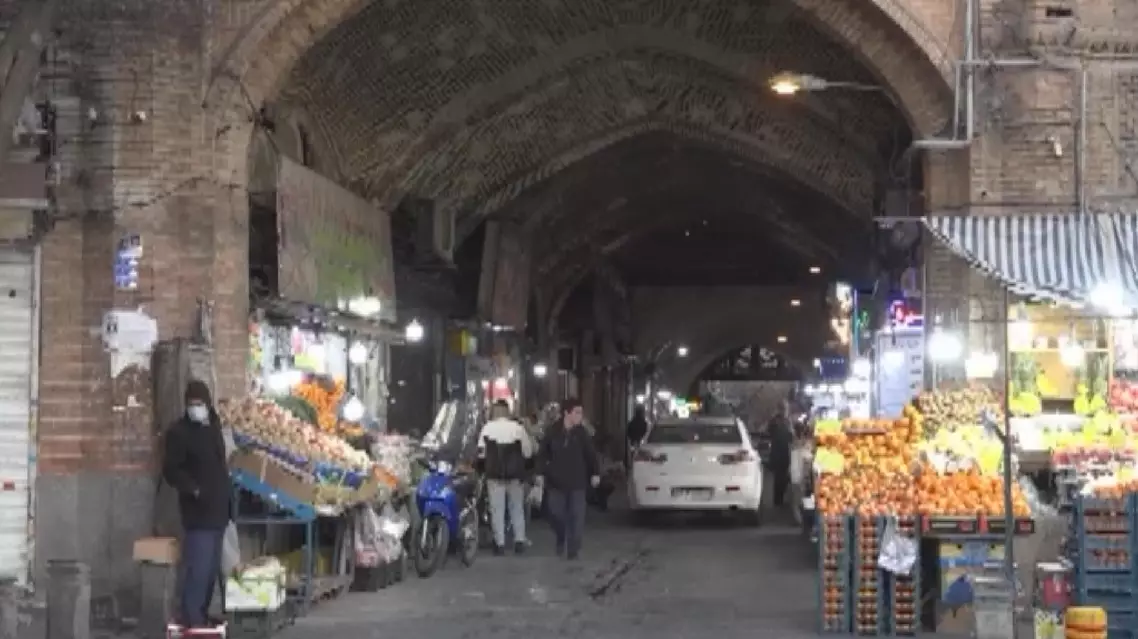
Elderly Iranians struggle amid mounting economic hardships
Two weeks after a major U.S. military strike on Venezuela and the and the illegal capture of President Nicolas Maduro, the Venezuelan government has begun to implement a series of recovery and post-conflict initiatives.
On Saturday, Venezuela's acting president Delcy Rodriguez ordered the immediate start of repair work on buildings damaged during the attack.
Post-conflict cleanup and restoration efforts are now steadily advancing across Caracas. The Fuerte Tiuna military base was one of the areas most severely damaged in the U.S. airstrikes, with over 463 apartments sustaining damage. Rodriguez said that most of the aid needed for housing repairs has already been secured.
She also announced the launch of several special community programs. These initiatives include special care activities and psychological support services for children in affected communities. The government also plans to implement food supply deployments, set up open-air markets, establish mobile supply points, and provide comprehensive assistance, including medical and health services.
Meanwhile, legal experts and representatives from social organizations across Venezuela have voiced strong condemnation against the U.S. actions during a legal conference held on Friday.
They demanded that the United States respect international law and Venezuelan sovereignty by immediately releasing President Maduro and his wife, Cilia Flores, who were forcibly removed from the country.
"What we are demanding from Venezuela is that international law must be respected and saved, because once we fall into a state of disorder, what follows is war. We have already seen peace being trampled upon. The sovereignty of a country, officially declared a 'territory of peace' by the international community, has been violated. This has never happened before," said Indhriana Parada Rodriguez, a Venezuelan legal professional.
"We firmly demand the release of President Maduro and his wife, Cilia Flores. They were forcibly taken from their homeland in violation of all basic norms of international law," said Silio Sanchez, vice rector of territorial development of the Bolivarian University of Venezuela.
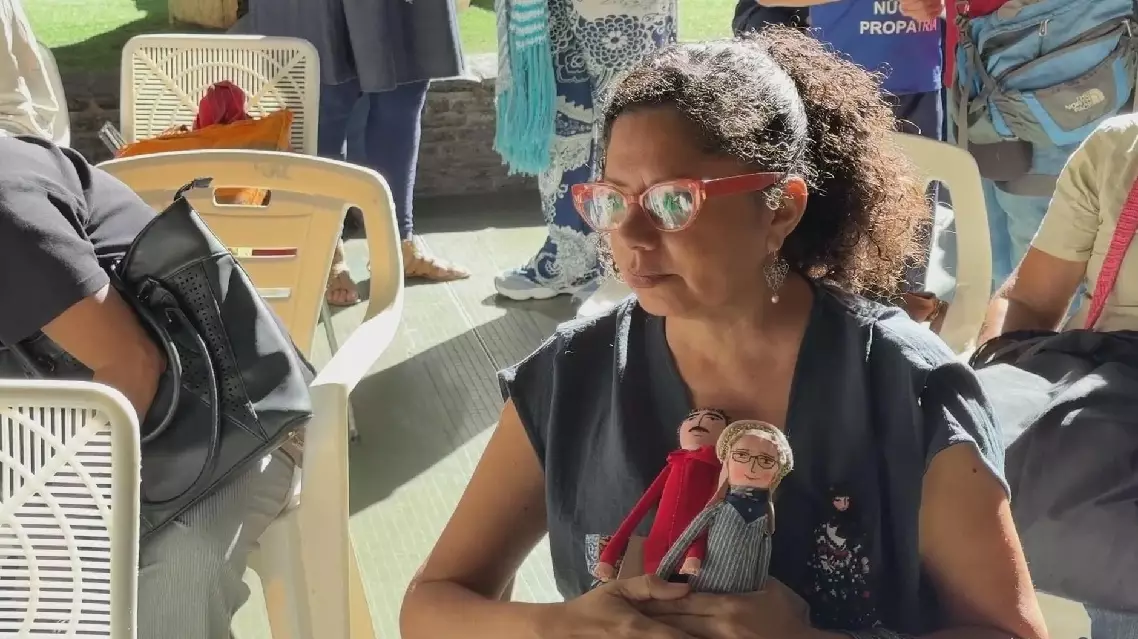
Call for Maduro's release continues as Venezuela moves to deal with aftermath of U.S. military strike