Museums and archaeological sites across Sudan have suffered drain of cultural relics, which are either damaged or looted amid the ongoing armed conflicts that have persisted in the country for nearly three years.
The country has been engulfed in a deadly conflict since April 15, 2023, when fighting broke out between the Sudanese Armed Forces and the paramilitary Rapid Support Forces, leaving tens of thousands dead and millions displaced.
Beyond severe casualties and infrastructure damage, the conflict has been also lethal to the country's cultural heritage.
"Our museum is in a dire situation. Many cultural relics have been looted, while some have been completely destroyed or damaged to various extent. The main building, along with several important structures of the museum, was struck by rockets," said Jamal Al-Abidin, curator of the Khalifa House Museum.
Official data reveal that a total of 22 national museums were damaged or robbed and about 4,000 pieces of cultural relics have been missing in Sudan's conflict.
Al-Nazir Satti, an official with the Ministry of Culture, Information and Tourism, said that the loss in relics has posed a grave threat to Sudanese culture and people's identity to themselves and their history.
"Many museums have been looted and vandalized, which are among the most serious consequences of the conflict. This devastation threatens to destroy our culture, erase our history, and undermine the Sudanese people's recognition of their historical heritage and identity," said Satti.
Many of the looted cultural relics have been smuggled out of Sudan. The United Nations Educational, Scientific and Cultural Organization (UNESCO) and archaeological experts have repeatedly expressed concerns about the loss of these artifacts and have urged the global art market not to accept relics of unknown origin from Sudan.
"We must hold these relic looters accountable and urge the international community to take actions against the theft and smuggling of these artifacts," said Sabah Al-Khair Muhammad, an archaeological expert.
On Tuesday, the Sudanese government announced that it has recovered 570 pieces of cultural relics. However, due to the impact of war, most museums in Sudan, in the plight of manpower and funding shortage, are yet to reopen. Recovering lost cultural relics and rebuilding museums and other cultural facilities remain a long-term and arduous task for the country.
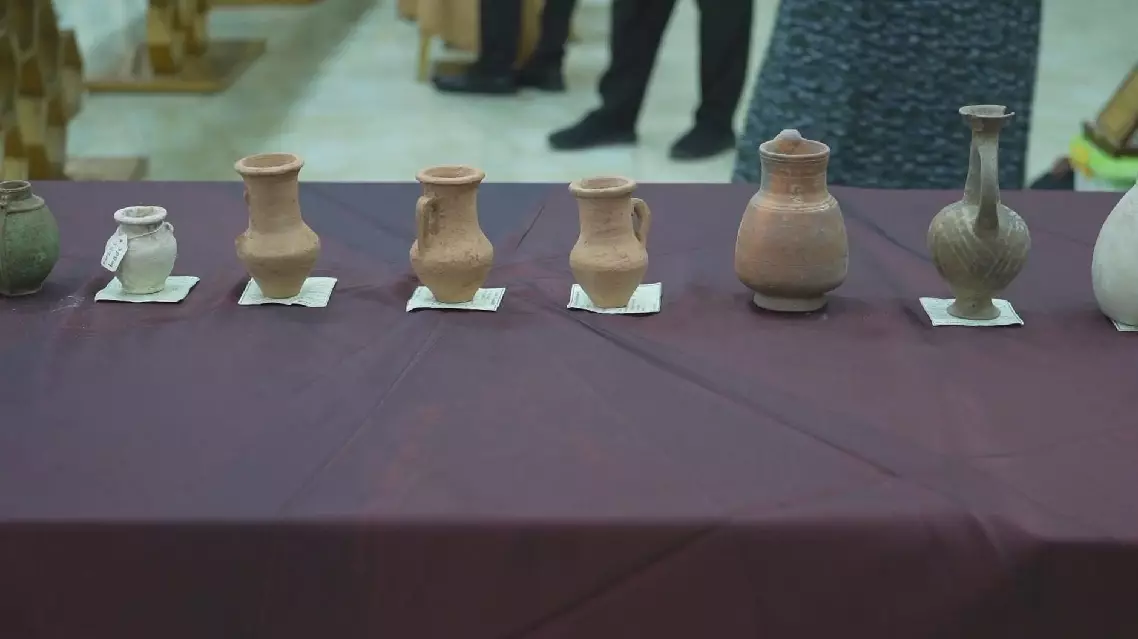
Sudan conflict results in cultural relics drain
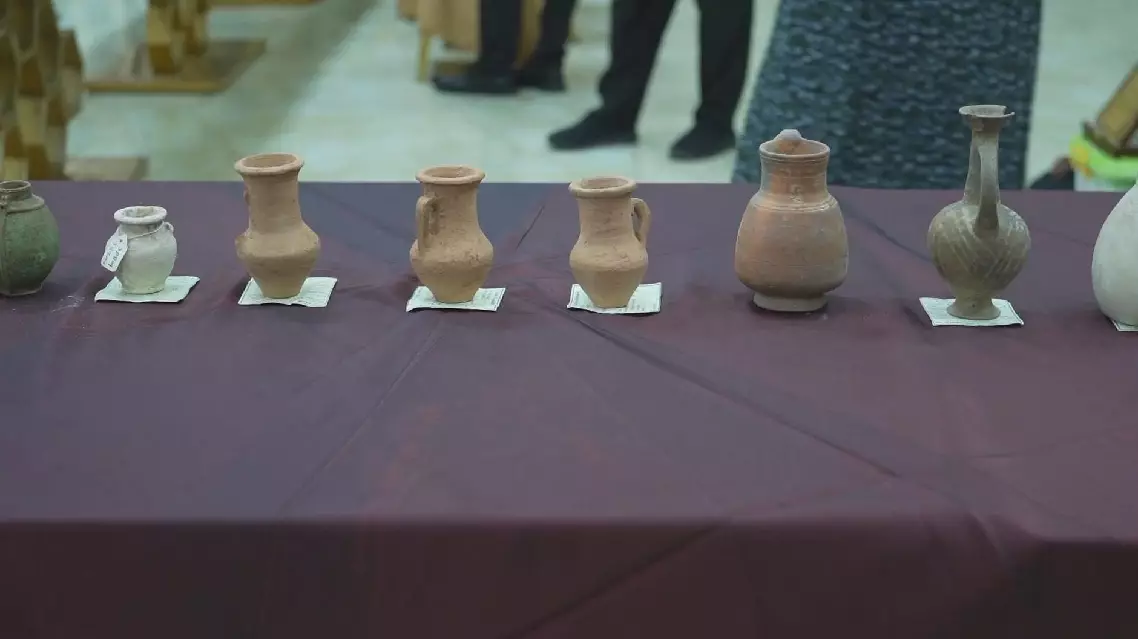
Sudan conflict results in cultural relics drain
The 36th extraordinary session of the Council of the International Maritime Organization (IMO) concluded on Thursday in London, with member states split over who should be held accountable for the closure of the Hormuz Strait.
As a specialized UN agency, the IMO's responsibility is to safeguard global shipping safety and the rights and interests of seafarers. At the meeting, all parties had obvious differences regarding the root causes of the situation and the wording of the documents.
According to data provided by the IMO, since the outbreak of the conflict involving the United States, Israel and Iran, at least seven seafarers have been killed in attacks on merchant vessels in the Strait of Hormuz area, with several others seriously injured. Around 20,000 seafarers remain stranded aboard ships in the region.
Some countries urged condemning the actions of certain country that led to the blockade, while others believe that the root cause of the current maritime tensions in the Middle East lies in the military action launched by the United States and Israel against Iran, and that unilaterally blaming one country is neither objective nor comprehensive.
Multiple representatives emphasized that the IMO should not serve as a platform for political confrontation. They called for balanced, neutral language in resolutions and urged the organization to focus on pragmatic measures within the framework of IMO regulations to safeguard maritime corridors.
Iran's delegate pointed out that the IMO must not become a tool for political pressure, and any coordination on navigation security must involve Iran.
The Russian delegate warned that current international maritime declarations appear biased and one-sided, which hinders efforts to ease the crisis. He called on the IMO to adopt a more balanced stance.
China's delegate echoed the need for inclusive and impartial language, proposing that the resolutions reflect a constructive consensus rather than unilateral accusations. The Chinese side also suggested that language condemning or opposing military actions that lead to the escalation of tensions in the Strait should be added to proposal.
The IMO Council highlighted the urgent need to address the peril faced by numerous stranded commercial ships. It encouraged exploring frameworks, such as maritime safety corridors, as an emergency humanitarian measure to facilitate the voluntary evacuation of ships from high-risk zones to safer waters.
Regarding the U.S. proposal to provide naval escort operations, IMO Secretary-General Arsenio Dominguez said that naval escorts are not a long-term sustainable solution to the current crisis in the Strait of Hormuz, and only an end to the conflict can prevent shipping from becoming collateral damage.
While acknowledging that the root causes of the crisis lie beyond the IMO's mandate, he said he would continue to work with countries engaged in diplomatic efforts to address the situation.
Over the past few days, U.S. President Donald Trump has urged European countries and other allies to join naval escort operations in the Strait of Hormuz. However, European powers have largely rebuffed the request, citing concerns that direct military involvement would escalate regional tensions and risk drawing them into a wider conflict.
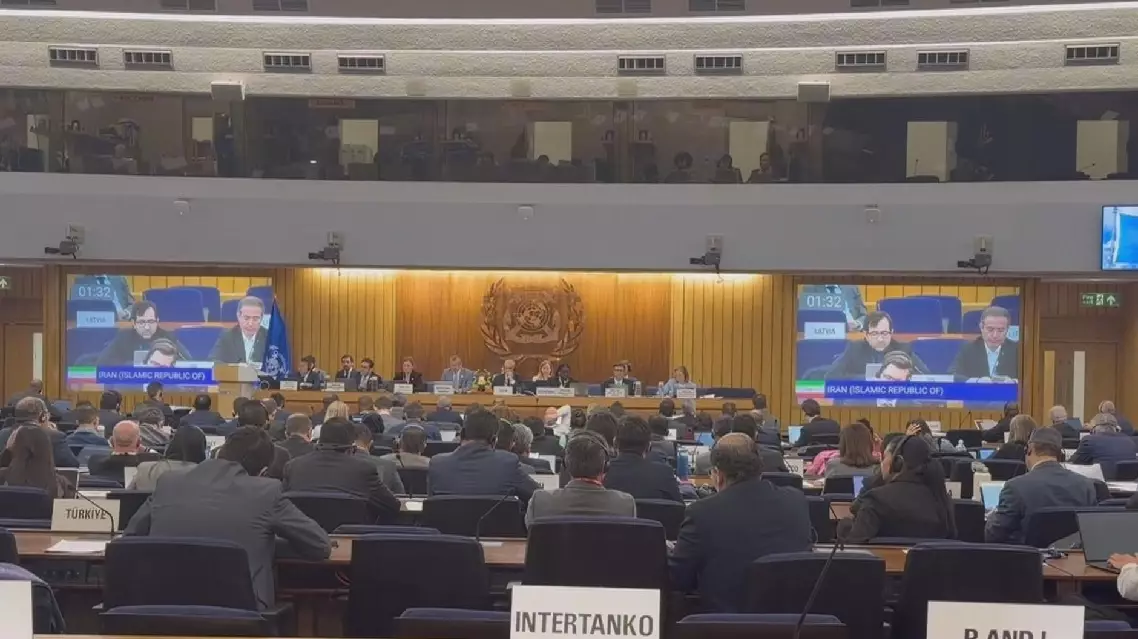
IMO members divided over accountability for closure of Hormuz Strait