America and Israel went in hard against Iran, expecting a quick, clean win. Instead, they kicked the hornet's nest — and now the whole world is reeling. Iran struck back with ruthless precision, cutting off the Strait of Hormuz and triggering a global energy crisis that hit America where it hurts most. That masterstroke forced Trump to rethink his next move. But the bigger fear now isn't oil prices or shipping lanes. It's probably the war coming home.
According to US media reports, the Department of Homeland Security has issued a warning to government departments and companies to beware of terrorist attacks and cyberattacks, and the FBI has also increased its vigilance against terrorist attacks. In addition, Nobel laureate Krugman sounded the alarm, saying that the war could trigger a financial crisis and burst the stock market bubble.
Kill Orders and Rising Terror Threat
The US-Israeli killing of Supreme Leader Khamenei — followed by indiscriminate bombing and mass civilian casualties — has dramatically raised the terror stakes on American soil. CNN and other US outlets report that the DHS issued a "Critical Incident Memorandum," revealing that two Iranian religious leaders issued fatwas — kill orders — calling on Muslims worldwide to avenge Khamenei's death. The Islamic Revolutionary Guard Corps followed with its own operational command: "The enemy will no longer be safe anywhere, not even home".
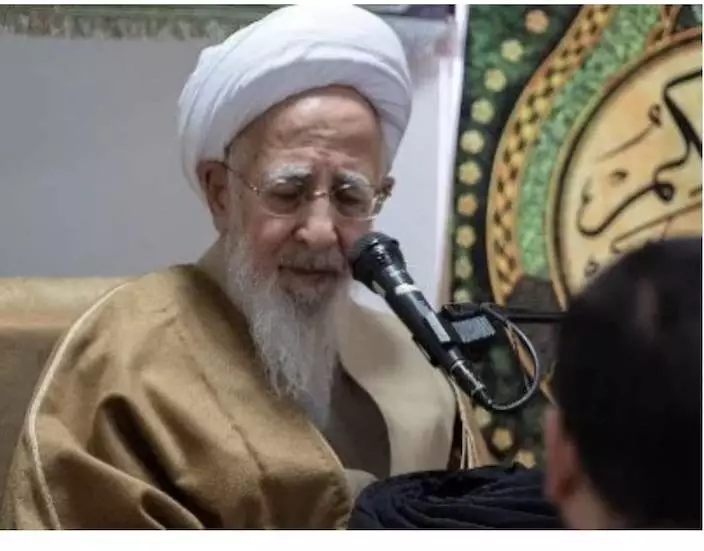
Iran's religious leaders have issued fatwas to avenge blood debts, sharply raising the terrorism risk on US soil. The DHS has issued a warning and placed the country on high alert.
The DHS has instructed government agencies and businesses to heighten vigilance, with a particular focus on "lone wolf" attacks. The FBI has similarly raised its counterterrorism readiness, with energy facilities flagged as especially high-risk. Law enforcement agencies nationwide have stepped up their alert levels across the board.
Cyberattacks and Sleeper Networks
Beyond physical violence, security agencies are warning of a serious Iranian cyber threat. US defense contractors sit at the top of the target list — and those with close ties to Israel face an even steeper risk from Iranian "hacker brigades".
This is no idle speculation. US media report that security services recently intercepted encrypted communications from Iran, suspected to be covert instructions issued to sleeper networks inside the United States — potentially coordinating some form of action. The intercepts have put security agencies on the highest state of alert, with little room for error.
The fatwas are not empty rhetoric — Khamenei's killing is a blood debt demanding repayment. Even if Iran's military doesn't strike directly, proxy actors may step in to do the job. The longer this conflict drags on, the greater the risk of a terrorist attack on American soil.
Krugman's Three-Alarm Financial Warning
The threat to the American homeland goes well beyond terrorism. Nobel Prize-winning economist Paul Krugman has issued a stark warning: this war could ignite three separate financial crises at once.
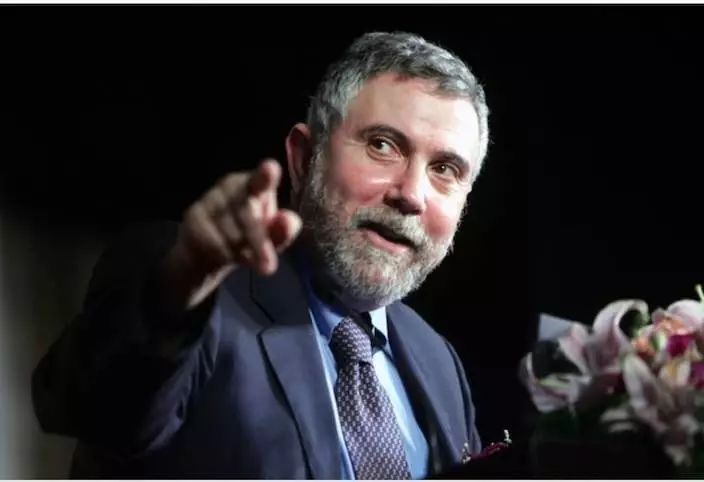
Nobel laureate Krugman has sounded the alarm, warning that the US-Iran conflict could trigger an American financial crisis and potentially burst the stock market bubble.
First, private credit. Krugman argues the war threatens oil supplies and shipping at precisely the moment when US financial markets are far more fragile than they were. The most immediate danger, he says, is a blowup in the private credit sector.
Second, the stock market. Krugman raises a pointed question: will this war prick the equity bubble? The S&P 500's price-to-earnings ratio was low in 1978 but is extremely elevated today. If the war inflicts serious economic damage on the United States, those lofty valuations simply cannot hold. In other words, the collapse could ride in on the coattails of this conflict.
Third, Middle Eastern financial hubs. Cities like Dubai — now sitting inside a war zone — have become critical nodes in the global financial system and magnets for the ultra-wealthy. If major upheaval disrupts Dubai's new role, the damage will ripple outward into the world economy, and America will not escape the fallout.
The Fire Is Already Burning
Krugman insists he has no desire to spread doomsday talk — but his warnings are deadly serious. As he put it bluntly, "There are many stresses on our economy, and this could be the straw that breaks the camel's back — a straw that becomes heavier the longer the war goes on". Finance insiders share the same worry: let the conflict drag on or escalate, and the fire will spread to global markets, with America bearing the brunt.
Trump is a businessman, and it's time he thought like one. The fire is already burning on American soil. If he acts in his rational self-interest, the exit ramp is right in front of him. Wait too long, and there won't be a controlled withdrawal — just mutual destruction, everyone going down together.
Lai Ting-yiu
What Say You?
** The blog article is the sole responsibility of the author and does not represent the position of our company. **
The US-Iran peace talks are turning into a roller coaster. Last Friday, Iran said it would reopen the Strait of Hormuz, lifting global hopes, but Trump quickly turned up the heat by declaring that the U.S. naval blockade on Iranian ships and ports “will remain in full force”. Iran then hardened its position at once, saying it would resume control of the strait.
In the space of two days, the whole picture changed, throwing fresh turbulence into the negotiations. Earlier this week, US Marines forcibly seized an Iranian cargo ship, pushing tensions even higher and bringing a new round of conflict to the brink.
Iran and the US now look set for a head-on clash, because whoever controls the Strait of Hormuz will hold the upper hand in this struggle. Tehran sees the waterway as a long-term trump card for resisting the US and rebuilding the country, so it clings to it tightly and will not hesitate to fight another hard battle over it.
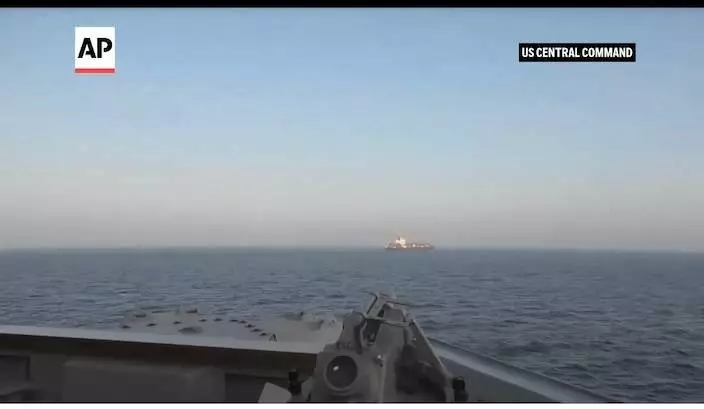
US forces are blockading the Strait of Hormuz and intercepting Iranian vessels, supercharging the fight for control. With a fresh clash looming, peace talks face a dark, uncertain future.
For Iran, the key to victory or defeat in this campaign is whether it can keep a firm grip on the strait. That is why it will not yield a single inch. This logic has already been visible in the series of moves it made after the war began. In an April 3 article examining the US-Iran war, The Wall Street Journal quoted Vali Nasr, a Johns Hopkins University professor and former senior State Department official who has crossed swords with Iranian officials. He said: “Now, the only reason why they are surviving this war is because of the strait. The Iranian thinking is that, at the end, the strait must remain under their control because it is their only deterrence and only source of revenue.”
To keep hold of this “weapon of mass destruction” over the long run, Iran has already introduced legislation in parliament. The aim is to write toll collection in the strait into law and explicitly bar non-friendly countries from passing through.
The Wall Street Journal also interviewed another senior fellow familiar with Iranian thinking, Hassan. His reading is that if Iran controls the strait, it could in future impose selective sanctions on any country and choke off shipping through the waterway at will. That would give Tehran an open-ended bargaining chip. Even if Iran suffers heavy damage in the current war, it would still retain the capacity to threaten enemy states.
That hardline strategy is clearly taking shape. In an interview with the BBC today, Ebrahim Azizi, a member of parliament and former Revolutionary Guards commander, said bluntly: “Iran's successful ‘weaponization’ of the strait is one of our key assets against the enemy.” Iran therefore intends to keep a tight hold on the power to decide which ships may pass. In other words, it wants this waterway fully under its command from now on. A scholar at the University of Tehran said the government sees the Strait of Hormuz as Iran’s main strategic lever, and that control over it is a red line that cannot be crossed.
Trump plainly sees what Iran is trying to do. He also knows that if the US loses control of the Strait of Hormuz, it will come out the loser in this war. So he panicked and rushed into a hardline response, declaring a US military blockade on ships entering and leaving Iranian ports. More, he sent Marines to board and seize an Iranian cargo ship for the first time.
But the blockade is already showing cracks because the decision was made in haste. First, US naval vessels can only carry out interceptions in international waters far from the shores of the strait, so as to avoid Iranian attack, and that makes the operation look weak. Second, the US military cannot stop Iran’s own blockade moves. The initiative over which ships may pass remains firmly in Iranian hands. For example, the US military has no effective answer if Iran lays mines in the strait.
By continuing to blockade the Strait of Hormuz, Iran can afford to sit back and wait for the enemy to tire. It is playing a long game against the US, waiting for the right moment to strike. Trump, by contrast, now has a major headache. If the strait stays closed to navigation, oil prices are bound to surge. That will hit the US economy harder and drive up political pressure on him. He originally wanted to wrap up peace talks quickly and pull himself out of the war. Now the fight over control of the strait threatens to drag the conflict out and even intensify it, making a clean exit more remote than ever.
Faced with this mess, Trump convened an emergency meeting in the White House Situation Room yesterday. He brought together Vice President Vance, Secretary of State Rubio, Secretary of Defense Hegseth and Treasury Secretary Bessent to discuss how to deal with the impasse. But finding a smart way out will be anything but easy.
Before this latest war with Iran broke out, the Strait of Hormuz had long enjoyed free passage and relative calm. But Trump misread the situation. He thought he could smash Iran with one blow, yet instead he forced a cornered adversary to fight back. That pushed Tehran to unleash its ultimate weapon by blockading the strait, and to move at the same time toward making its control permanent. It is a consequence Trump clearly did not see coming.
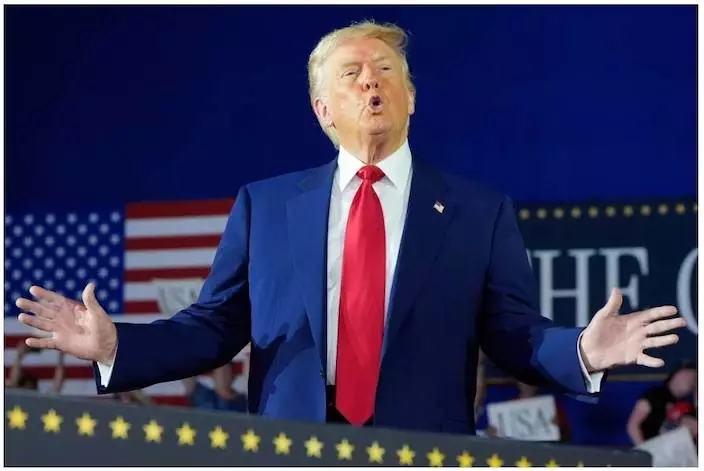
Trump’s war has pushed Iran to seize the strait and lock down permanent control. By forcing Tehran's hand, he has shot himself squarely in the foot.
Trump’s habit of shooting himself in the foot has once again produced a bitter result. Former Secretary of State Hillary Clinton recently said in a US media interview that every tabletop exercise on a US-Iran conflict during her time in office predicted Iran would blockade the Strait of Hormuz. In addition, Joint Chiefs Chairman Keane had also warned before the war began that Iran was highly likely to take that step. Yet Trump chose war on instinct and ignored the trump card in Iran’s hand. That is how he ended up trapped in today’s disorder.
The most painful part is that the deadlock over control of the strait remains unresolved, while peace talks have once again hit a roadblock. Whether the two sides can return to the table is now highly uncertain. In the meantime, the world is still being forced to pay the price for Trump’s reckless war.
Lai Ting-yiu