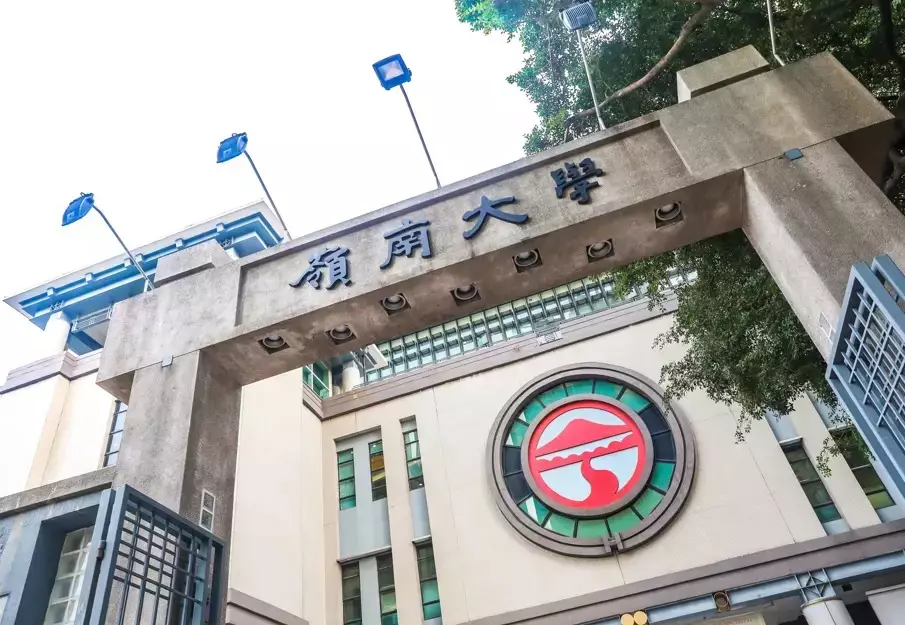
Asian turtles face a severe conservation crisis caused by illegal poaching and the wildlife trade. Supported by Ocean Park and the Ocean Park Conservation Foundation Hong Kong, Lingnan University is hosting the inaugural International Conference on Integrated Conservation of Asian Turtles (ICAT) from today, 27 March, through 30 March 2026. The conference, attended by 180 leading scholars, scientists, zookeepers, veterinarians, policymakers, educators, and other experts from 19 countries and regions will examine the latest research findings and practical conservation, as well as strategies to combat the illegal poaching of Asian turtles, and enhance protection for endangered species.
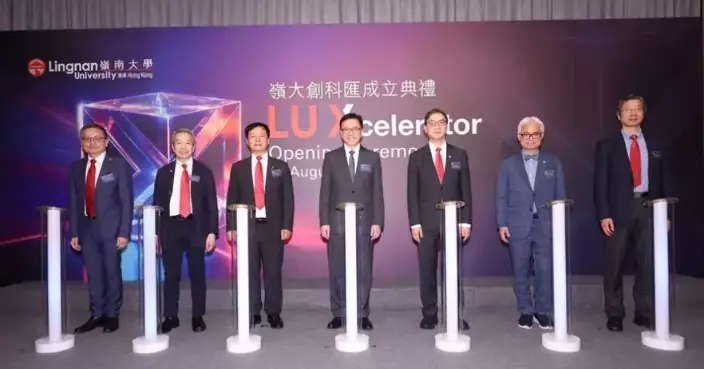
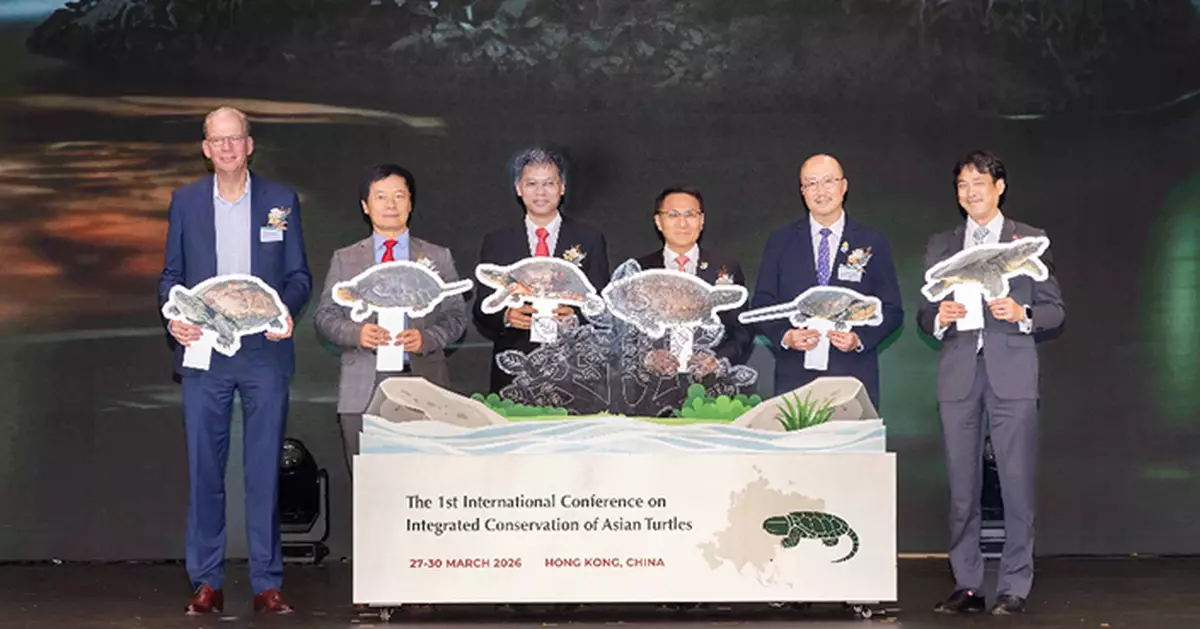
The opening ceremony was officiated by Mr Simon Chan Kin-fung, Assistant Director (Conservation) of the Agriculture, Fisheries and Conservation Department; Mr Ivan Wong, Chief Executive of Ocean Park Corporation; Prof S. Joe Qin, President and Wai Kee Kau Chair Professor of Data Science of Lingnan University; Mr Howard Chuk, Executive Director of Zoological Operations and Conservation of Ocean Park Corporation cum Foundation Director of Ocean Park Conservation Foundation, Hong Kong, and Mr Wander Meijer, Executive Director of the Kadoorie Farm and Botanic Garden.
Click to Gallery
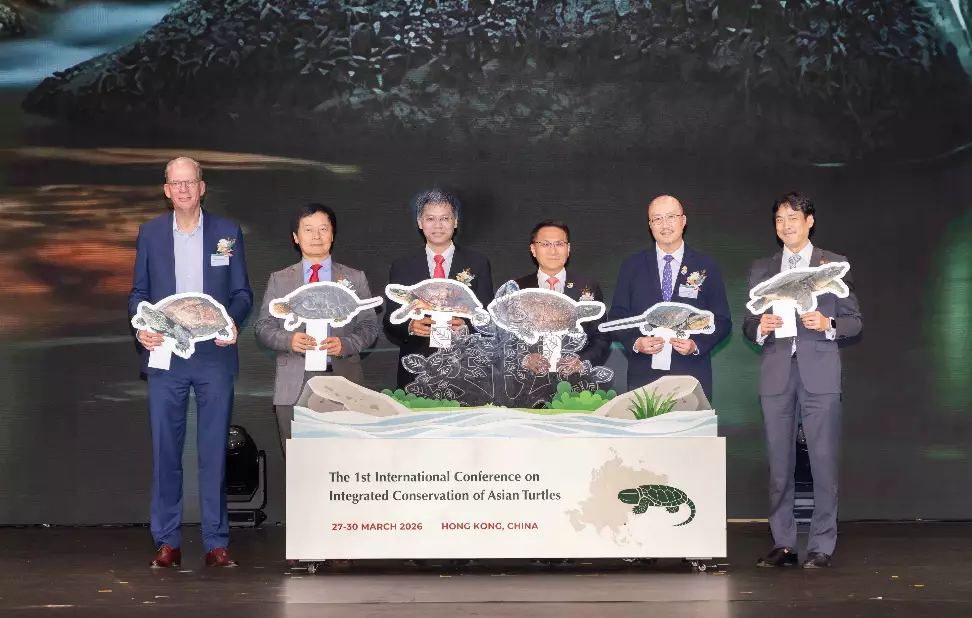
Opening ceremony of the inaugural International Conference on Integrated Conservation of Asian Turtles (ICAT).
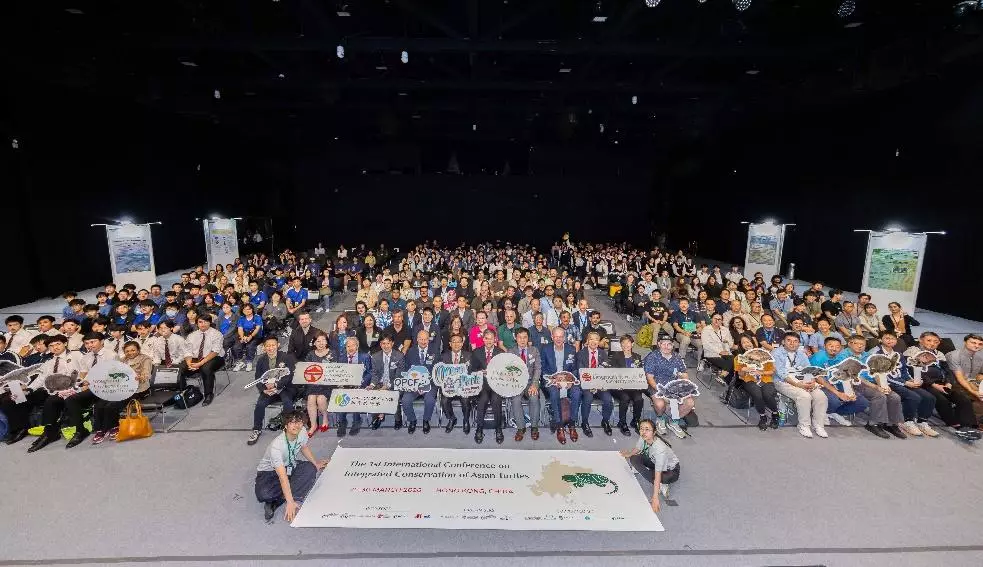
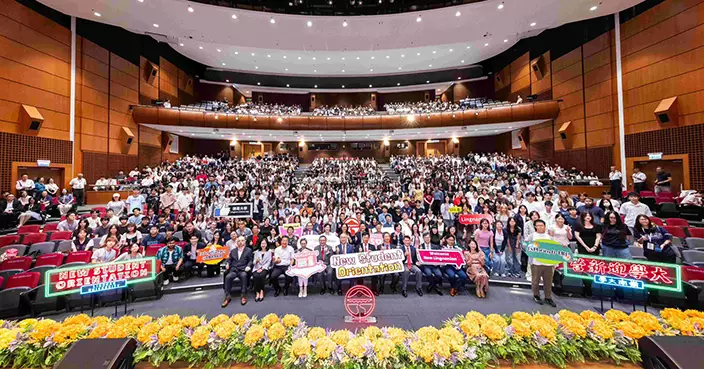
The conference brings together more than a hundred experts from around the world.
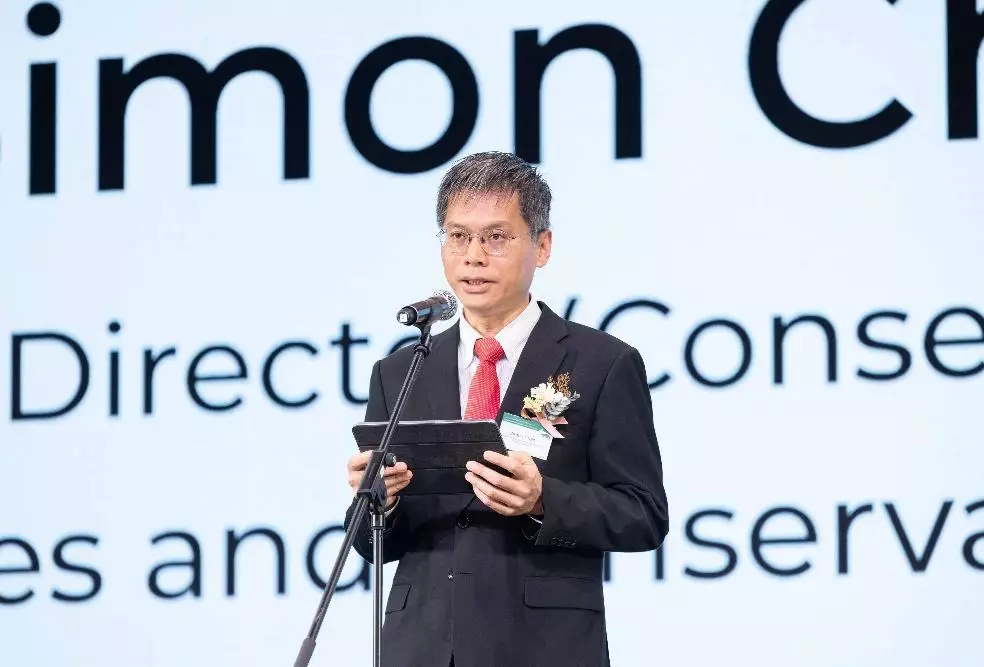
Mr Simon Chan Kin-fung, Assistant Director (Conservation) of the Conservation Branch of the Agriculture, Fisheries and Conservation Department (AFCD), delivers a speech.
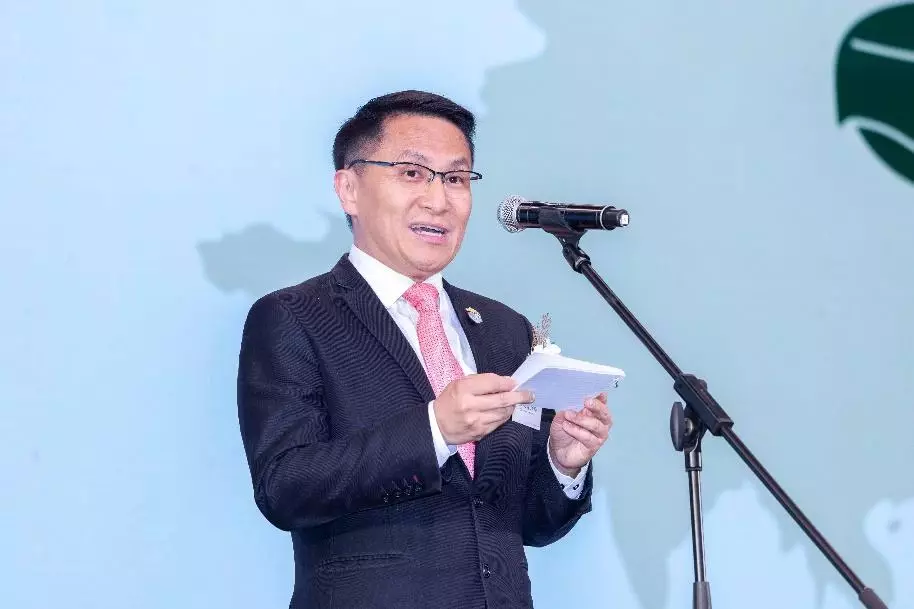
Mr Ivan Wong, Chief Executive of Ocean Park Corporation, delivers a speech.
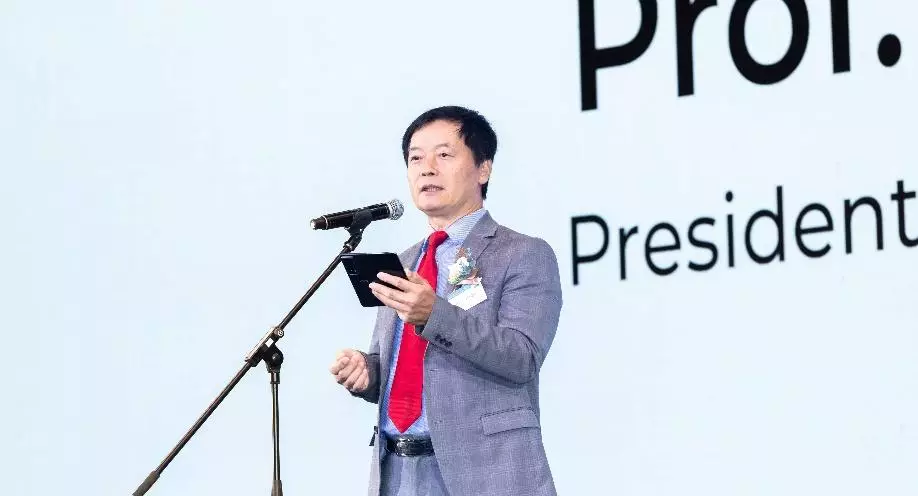
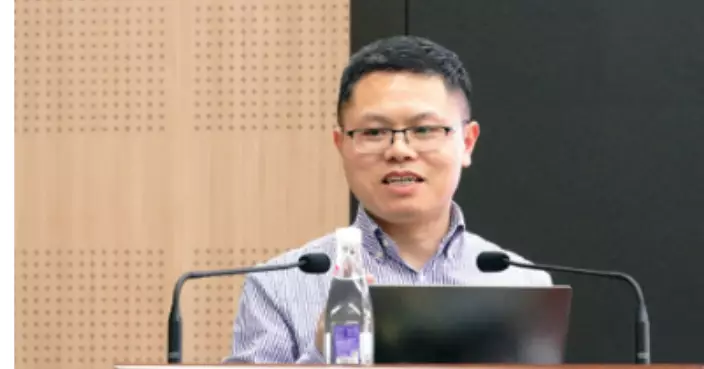
Prof S. Joe Qin, President and Wai Kee Kau Chair Professor of Data Science of Lingnan University, delivers a speech.
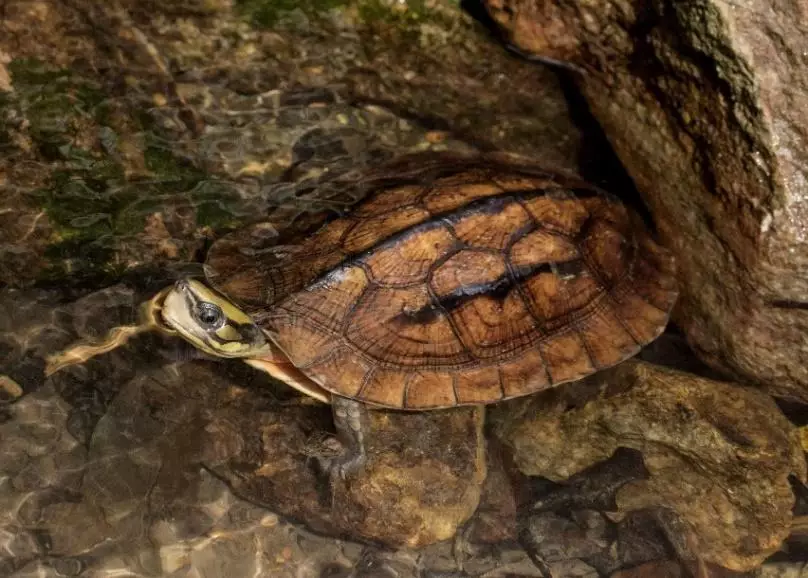
Asian turtles are an important species in the ecosystem, but their wild populations are declining at an alarming rate.
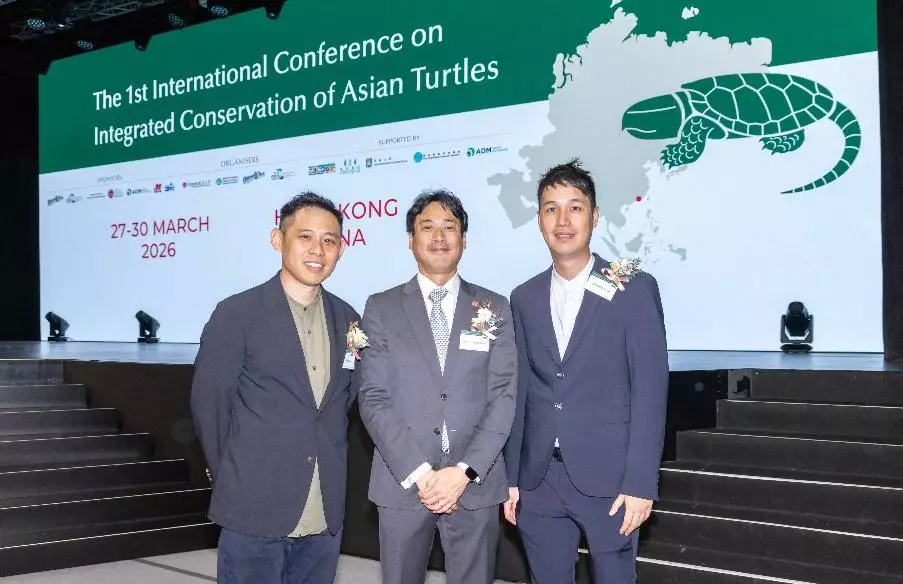
Prof Jonathan Fong, Associate Professor of the Division of Science of Lingnan University and Prof Sung Yik-hei, Adjunct Assistant Professor of the Division of Science of Lingnan University and Lecturer at the University of Suffolk, Co-chairs of the conference; Prof Anthony Lau, Assistant Professor of the Division of Science at Lingnan University and the conference’s Secretary. (From left: Prof Sung Yik-hei, Prof Jonathan Fong and Prof Anthony Lau)
Mr Simon Chan Kin-fung gave a speech at the opening ceremony, saying “We are home to five native freshwater turtle species. Among them are the Big‑headed Turtle, the Golden Coin Turtle, and Beale’s‑eyed Turtle, species of exceptional ecological, scientific, and cultural value. Unfortunately, many now survive only in small, fragmented populations and face persistent threats, particularly from illegal hunting and trapping. To address this, the Agriculture, Fisheries and Conservation Department (AFCD) has adopted a multi‑pronged, integrated approach, combining enforcement, science, and partnerships. This approach has resulted in several suspects being arrested for illegal possession of endangered turtles, and convictions have led to prison sentences of 15 and 20 months, a strong deterrent to poaching. This conference represents an opportunity for turtle conservationists to not only share knowledge but also forge meaningful partnerships, develop innovative strategies, and agree on concrete actions.”
Mr Ivan Wong, Chief Executive of Ocean Park Corporation, said “Ocean Park is honoured to co-host the first International Conference on Integrated Conservation of Asian Turtles. Conservation is at the heart of Ocean Park’s mission, driving our expansion into research, rescue, rehabilitation, and regional partnerships. In light of the conservation crisis facing Asian turtles, this conference serves as a crucial platform for global experts to share knowledge and forge new strategies. We are confident that these collaborations will significantly advance our shared goal to protect these endangered species and ensure a sustainable future for Asian turtles.”
“Leveraging the Park’s professional team and world-class facilities, we are dedicated to fostering conservation through various initiatives. These include establishing the Dive Into Local Diversity exhibit that showcases the rich diversity of Hong Kong's freshwater ecosystems for public education; formulating breeding programme for the Beale's eyed turtle with the goal of wild release to rebuild local populations; providing rehabilitation and care for confiscated freshwater turtles; and driving education through student ambassador programmes and student-led surveys,” Wong added.
Prof S. Joe Qin noted that “Lingnan University has concentrated on turning research outcomes into practical contributions towards many United Nations Sustainable Development Goals. Co-hosting this important international conference with Ocean Park creates a vital platform for over a hundred interdisciplinary experts from around the world to discuss the latest research and strategies on Asian turtle conservation. As an important component in the ecosystem, wild populations of Asian turtles are declining rapidly. We hope that cross-sector collaboration will promote the sustainable development of global ecosystems.”
Over the four days of the conference, about 50 academic presentations and keynote speeches will cover forensic technologies for combating illegal trade, veterinary care, and efforts to boost wild populations of endangered Asian turtles through captive breeding and reintroduction to natural habitats. Officers from the Agriculture, Fisheries and Conservation Department and Hong Kong Customs and Excise Department, who are at the forefront of combating turtle poaching and illegal wildlife trade in Hong Kong, also attended the conference.
Prof Anthony Lau, Assistant Professor of the Division of Science at Lingnan University and the conference’s Secretary, stressed “This conference will act as a catalyst that deepens international collaboration on Asian turtle conservation, such as the exchange of captive-bred animals, and accelerates local, on-the-ground work on native species, such as reintroduction and enhancement of anti-poaching strategies.”
A highlight of the conference will be an in-depth discussion panel chaired by Prof Jonathan Fong, Associate Professor of the Division of Science of Lingnan University, and Prof Sung Yik-hei, Adjunct Assistant Professor of the Division of Science of Lingnan University and Lecturer at the University of Suffolk, on the conservation of turtles in the Hong Kong SAR and Greater Bay Area. They explain that wild populations of native freshwater turtles in Hong Kong SAR have plummeted over recent decades, and that three species inhabiting the wilds of Hong Kong SAR are critically endangered. They also describe Lingnan University's successful cases of captive breeding in recent years, and the University's expertise in providing conservation forensics to courts and investigations into illegal trading.
Internationally recognised expert in freshwater turtle conservation Prof Ricky Spencer, Professor of Ecology at Western Sydney University, will deliver a keynote speech “Fixing the Life Cycle: The Future of Turtle Conservation Is Community-Driven”, reviewing Australia's effective experiences in turtle conservation through community-led monitoring, habitat restoration, and other initiatives.
Other experts include freshwater turtle conservation expert Prof Chen Tien-hsi, who talked about the Taiwan region’s endeavours to reintroduce endangered freshwater turtles and conserve native species. Mr Shahriar Caesar Rahman, Regional Vice Chair – South Asia for the IUCN/SSC Tortoise and Freshwater Turtle Specialist Group and Co-founder and CEO of the Creative Conservation Alliance, Bangladesh, spoke on Bangladesh's pioneering rewilding programme for the critically endangered Asian giant tortoise (Manouria emys), community protection measures, and efforts to dismantle smuggling networks, giving valuable cross-regional conservation insights.
As well as the academic presentations, the conference includes field trips to Ocean Park and the Kadoorie Farm and Botanic Garden to visit and learn from successful captive breeding facilities for endangered native turtles.
Another highlight of ICAT is a showcase of 20 posters designed by local students from 17 schools with their entries to the ICAT Secondary Student Academic Poster Competition. The competition encourages students to participate in conservation through environmental education. Each group of four students conducts a study related to the conservation of Asian turtles, and the finalists are required to present their ideas to the guests attending the first day of ICAT to compete for the awards.
Opening ceremony of the inaugural International Conference on Integrated Conservation of Asian Turtles (ICAT).
The conference brings together more than a hundred experts from around the world.
Mr Simon Chan Kin-fung, Assistant Director (Conservation) of the Conservation Branch of the Agriculture, Fisheries and Conservation Department (AFCD), delivers a speech.
Mr Ivan Wong, Chief Executive of Ocean Park Corporation, delivers a speech.
Prof S. Joe Qin, President and Wai Kee Kau Chair Professor of Data Science of Lingnan University, delivers a speech.
Asian turtles are an important species in the ecosystem, but their wild populations are declining at an alarming rate.
Prof Jonathan Fong, Associate Professor of the Division of Science of Lingnan University and Prof Sung Yik-hei, Adjunct Assistant Professor of the Division of Science of Lingnan University and Lecturer at the University of Suffolk, Co-chairs of the conference; Prof Anthony Lau, Assistant Professor of the Division of Science at Lingnan University and the conference’s Secretary. (From left: Prof Sung Yik-hei, Prof Jonathan Fong and Prof Anthony Lau)