Skip to Content Facebook Feature Image

Lingnan University Gala Dinner Raises Over HK$3 Million to Advance Human-Centric AI Research and Sustainable Impact

HK

Lingnan University Gala Dinner Raises Over HK$3 Million to Advance Human-Centric AI Research and Sustainable Impact
HK

HK

Lingnan University Gala Dinner Raises Over HK$3 Million to Advance Human-Centric AI Research and Sustainable Impact

2026-03-19 12:58 Last Updated At:13:00

Lingnan University proudly hosted its signature fundraising event, the Bright Future Charitable Foundation presents: Lingnan University Gala Dinner, held last night (18 March), and raised over HK$3 million. All proceeds will be used to enhance the University’s research facilities, supporting infrastructure, and cutting-edge research projects.

Under the theme “Elevate to Innovate: Scaling New Heights for Sustainable Impact”, the Dinner brought together nearly 400 distinguished guests, including Lingnan alumni, staff, students and friends from different sectors of society, to support the University’s sustainable development in teaching and research.

More Images
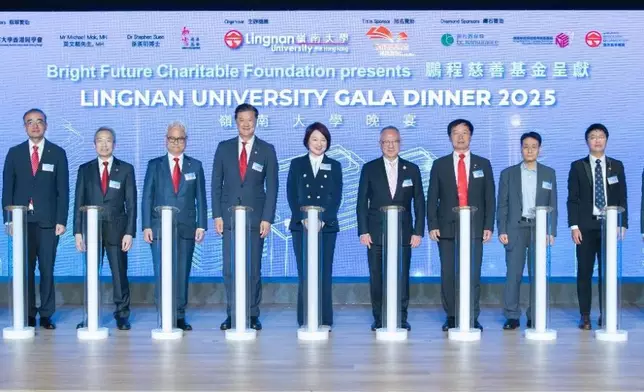
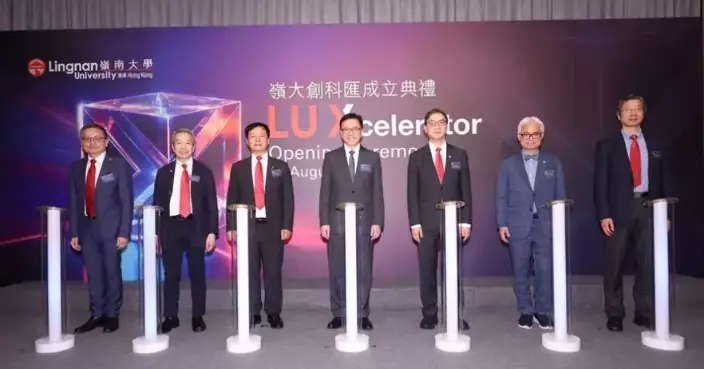
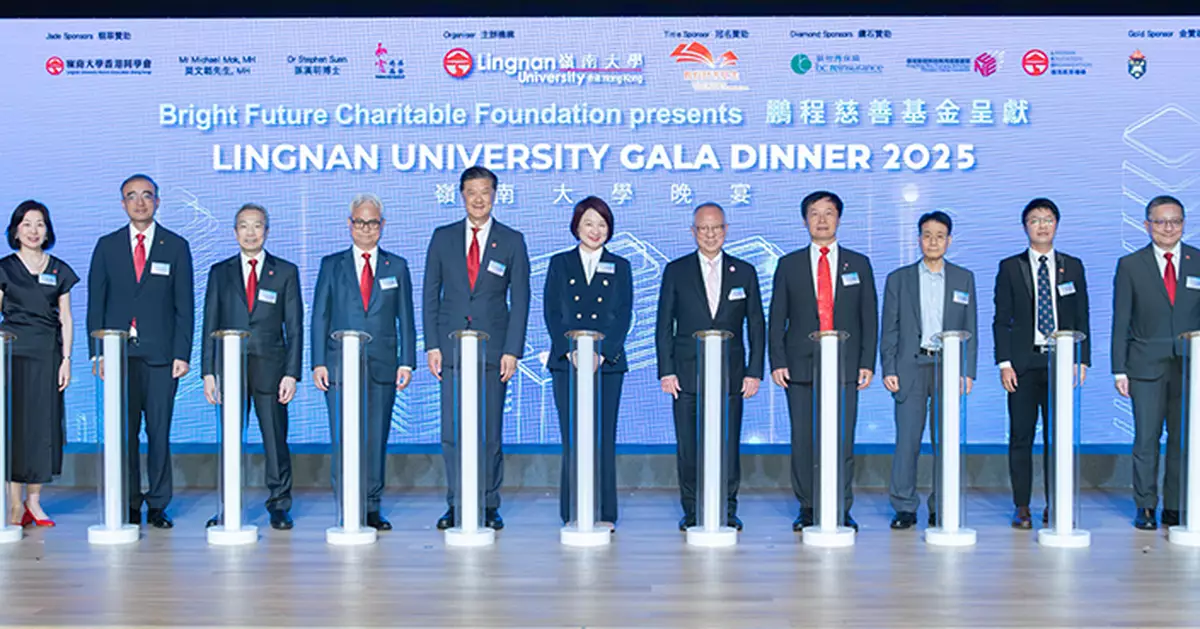
Guests officiated at the kick-off ceremony. (From left: Ms Jessie Law, Mr Mason Wu, Mr Augustine Lui, Dr Patrick Wong, the Honourable Andrew Yao, Dr the Honourable Starry Lee, Dr Roy Chung, President S. Joe Qin, Mr B K Leung, Mr Huang Liwei and Mr Ernest Chan)
Guests officiated at the kick-off ceremony. (From left: Ms Jessie Law, Mr Mason Wu, Mr Augustine Lui, Dr Patrick Wong, the Honourable Andrew Yao, Dr the Honourable Starry Lee, Dr Roy Chung, President S. Joe Qin, Mr B K Leung, Mr Huang Liwei and Mr Ernest Chan)

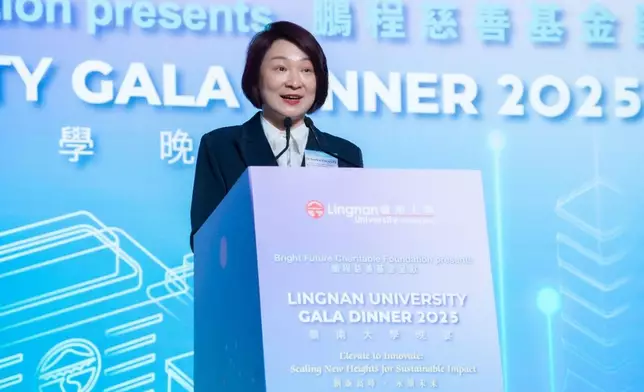
Dr the Honourable Starry Lee, President of the Legislative Council, delivers the opening address.
Dr the Honourable Starry Lee, President of the Legislative Council, delivers the opening address.

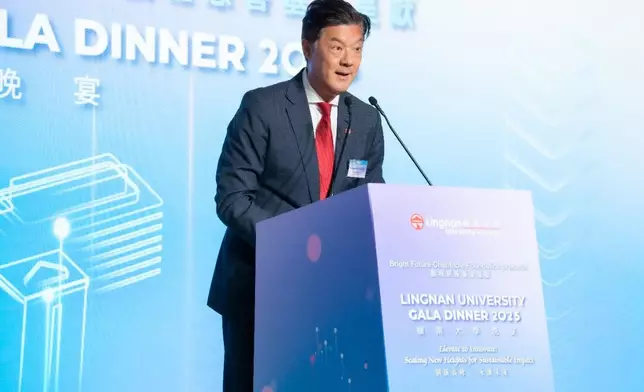
The Honourable Andrew Yao gives his welcoming remarks and expresses sincere gratitude to supporters.
The Honourable Andrew Yao gives his welcoming remarks and expresses sincere gratitude to supporters.

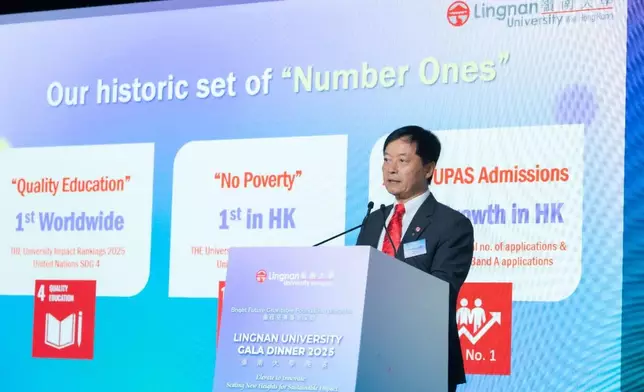
President S. Joe Qin shares the University’s recent success.
President S. Joe Qin shares the University’s recent success.

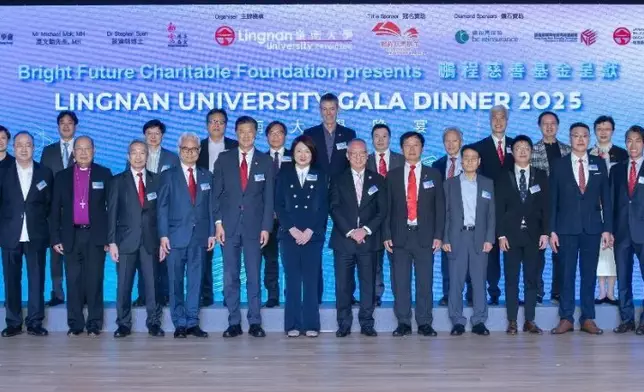
Officiating guests pose for a group photo along with Council members, distinguished scholars and senior management.
Officiating guests pose for a group photo along with Council members, distinguished scholars and senior management.

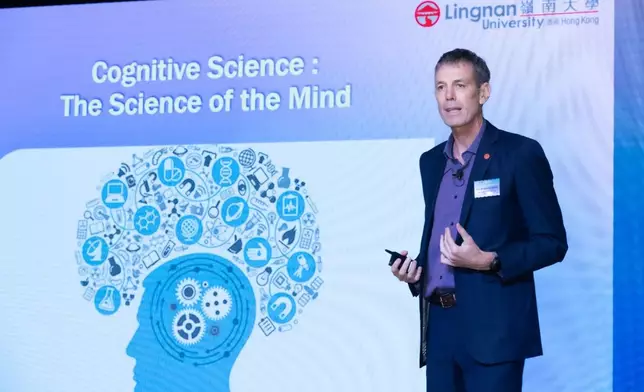
Prof William Hayward introduces the Lingnan University Cognitive Science Research Centre.
Prof William Hayward introduces the Lingnan University Cognitive Science Research Centre.

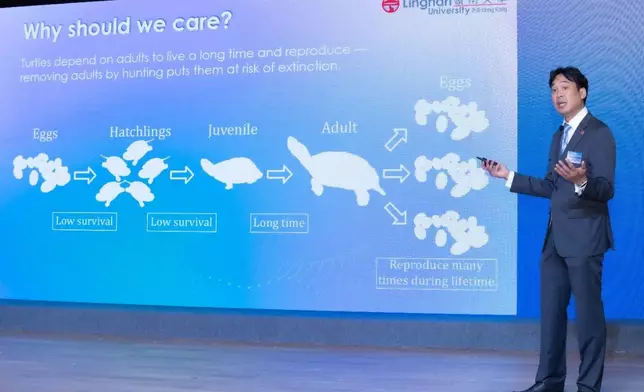
Prof Jonathan Fong showcases pioneering wildlife forensic techniques to protect endangered turtle species.

Prof Jonathan Fong showcases pioneering wildlife forensic techniques to protect endangered turtle species.

The evening was graced by the presence of the Guest of Honour - Dr the Honourable Starry Lee Wai-king, GBS, JP, President of the Legislative Council of the Hong Kong Special Administrative Region, along with other distinguished officiating guests, including the Honourable Andrew Yao Cho-fai, BBS, JP, Chairman of the Council of Lingnan University; Dr Patrick Wong Chi-kwong, Chairman of the Court; Prof S. Joe Qin, President and Wai Kee Kau Chair Professor of Data Science; Mr Mason Wu, Chairman of the Institutional Advancement Committee; Title Sponsor, Dr Roy Chung Chi-ping, GBS, JP, Founder and Chairman of the Bright Future Charitable Foundation; and other sponsors, Mr B K Leung, Chief Executive Officer of BC Reinsurance Limited; Mr Huang Liwei, Director of the Hong Kong New Emerging Technology Education Charity Foundation; Mr Augustine Lui Ngok-che, Chairman of the Lingnan Education Organization; Mr Ernest Chan Chi-man, Vice-President (Administration); and Ms Jessie Law Lai-chi, Director of Institutional Advancement and Alumni Affairs.

In her opening address, Dr the Honourable Starry Lee said, “Lingnan University is distinguished for its commitment to liberal arts education, which prioritises holistic development and social service. In recent years, we have witnessed Lingnan's active expansion in research, seamlessly blending humanistic perspectives with technological innovation to offer students interdisciplinary and cross-sector learning experiences.” Dr Lee further emphasised that the theme of the Dinner is remarkably forward-looking. She noted that in the future, the key to success will be the ability to transform knowledge into meaningful contributions and to give back to society creatively. She remarked, "Lingnan University embraces a student-centred and socially-conscious approach, actively fostering interdisciplinary education and promoting research in sustainable development. The University connects academic knowledge with community needs, utilising technology and sustainability to improve lives."
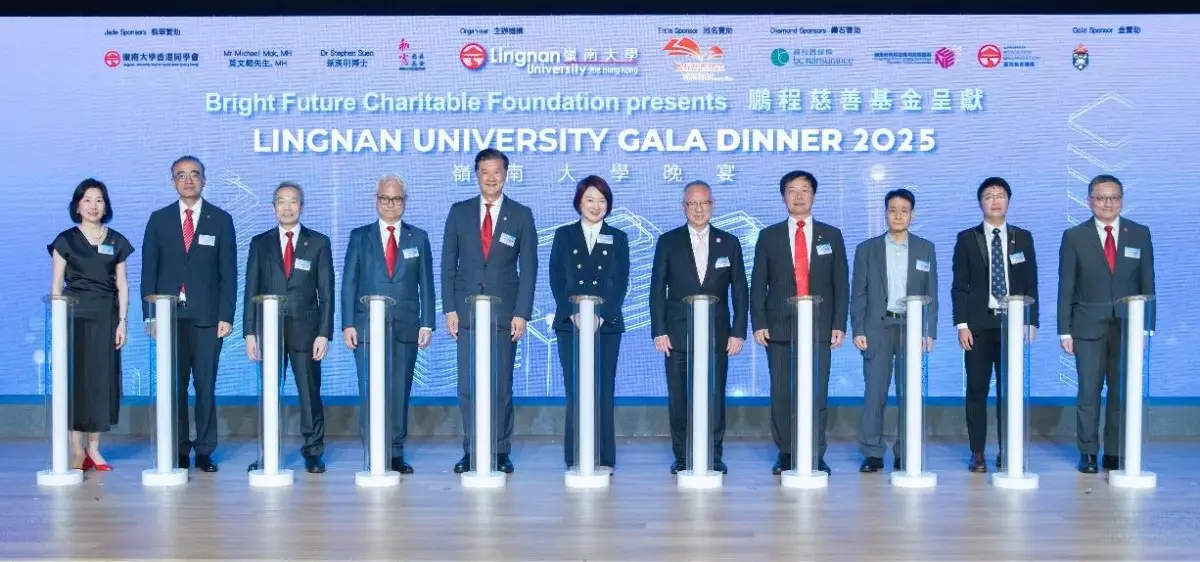
Guests officiated at the kick-off ceremony. (From left: Ms Jessie Law, Mr Mason Wu, Mr Augustine Lui, Dr Patrick Wong, the Honourable Andrew Yao, Dr the Honourable Starry Lee, Dr Roy Chung, President S. Joe Qin, Mr B K Leung, Mr Huang Liwei and Mr Ernest Chan)

Guests officiated at the kick-off ceremony. (From left: Ms Jessie Law, Mr Mason Wu, Mr Augustine Lui, Dr Patrick Wong, the Honourable Andrew Yao, Dr the Honourable Starry Lee, Dr Roy Chung, President S. Joe Qin, Mr B K Leung, Mr Huang Liwei and Mr Ernest Chan)

In his welcoming remarks, Chairman of the Council, the Honourable Andrew Yao, expressed sincere gratitude to all supporters whose contributions have propelled Lingnan forward. He said, “Funds raised from the Gala Dinner will be directly invested in various development initiatives of the University, including strengthening the cultivation of Lingnan students’ talents in STEAM (Science, Technology, Engineering, Arts and Mathematics). Leveraging its unique geographical advantage adjacent to the Northern Metropolis, the University is actively fostering deeper collaboration with industry, academia and research institutions across the Greater Bay Area. These efforts will accelerate the translation and application of innovative research outcomes, further consolidating Lingnan’s position as a leading liberal arts research university integrating arts and sciences in the digital era. At the same time, we aim to nurture interdisciplinary talents equipped with both strong humanistic values and advanced technological expertise, contributing to the development of the nation and the Hong Kong SAR.”
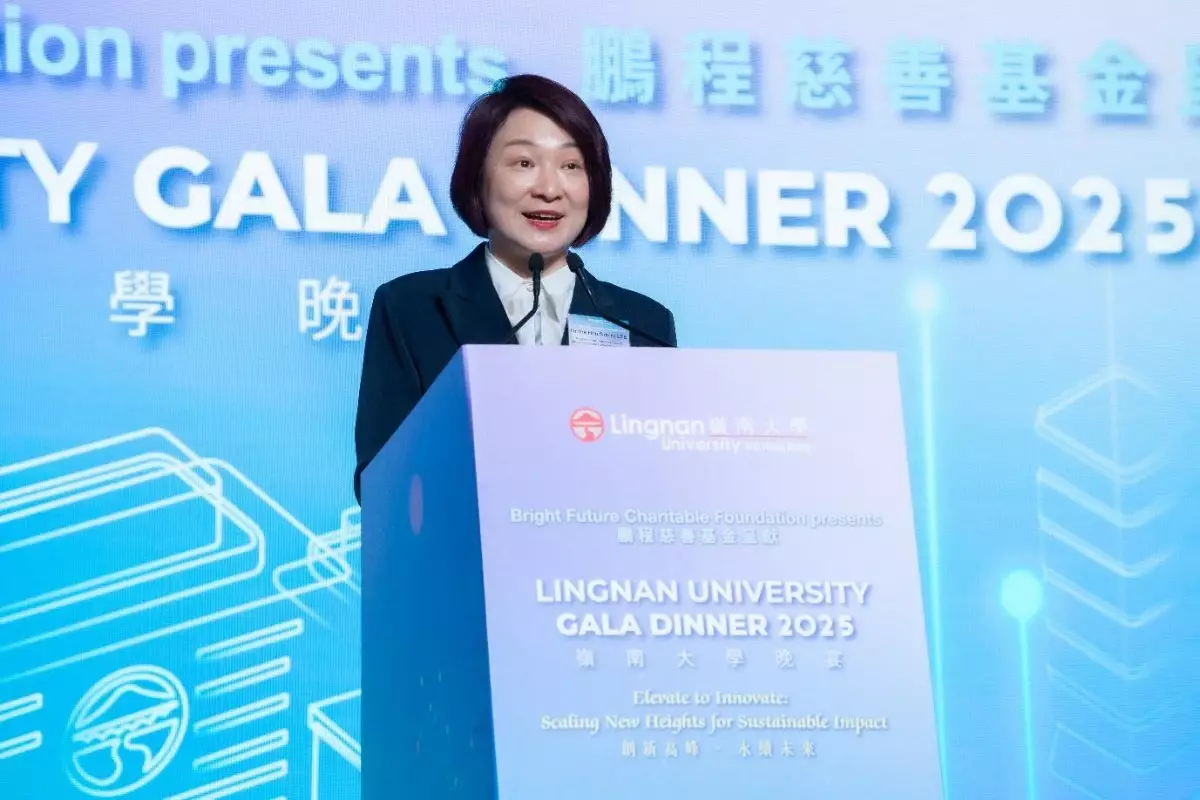
Dr the Honourable Starry Lee, President of the Legislative Council, delivers the opening address.

Dr the Honourable Starry Lee, President of the Legislative Council, delivers the opening address.

In his speech, President Qin shared Lingnan’s series of groundbreaking “firsts” and expressed his special gratitude to Nobel Laureate in Physics Prof Samuel C.C. Ting for his support of the University. He said, “The ‘Samuel C.C. Ting Elite Class’, to be launched in the 2026/27 academic year, will provide top students with full scholarships, accommodation, and AI training. This elite education programme is personally endorsed by Prof Ting. Even more encouraging is that Lingnan ranked No. 1 in the world for ‘Quality Education’ in the 2025 Times Higher Education Impact Rankings, achieved the highest growth rate in project funding from the Research Grants Council, and recorded the largest increases in JUPAS Band A applications for three consecutive years among Hong Kong SAR’s eight publicly funded universities, demonstrating the University’s strong teaching and research capabilities as well as its growing appeal to prospective students in the digital era.”
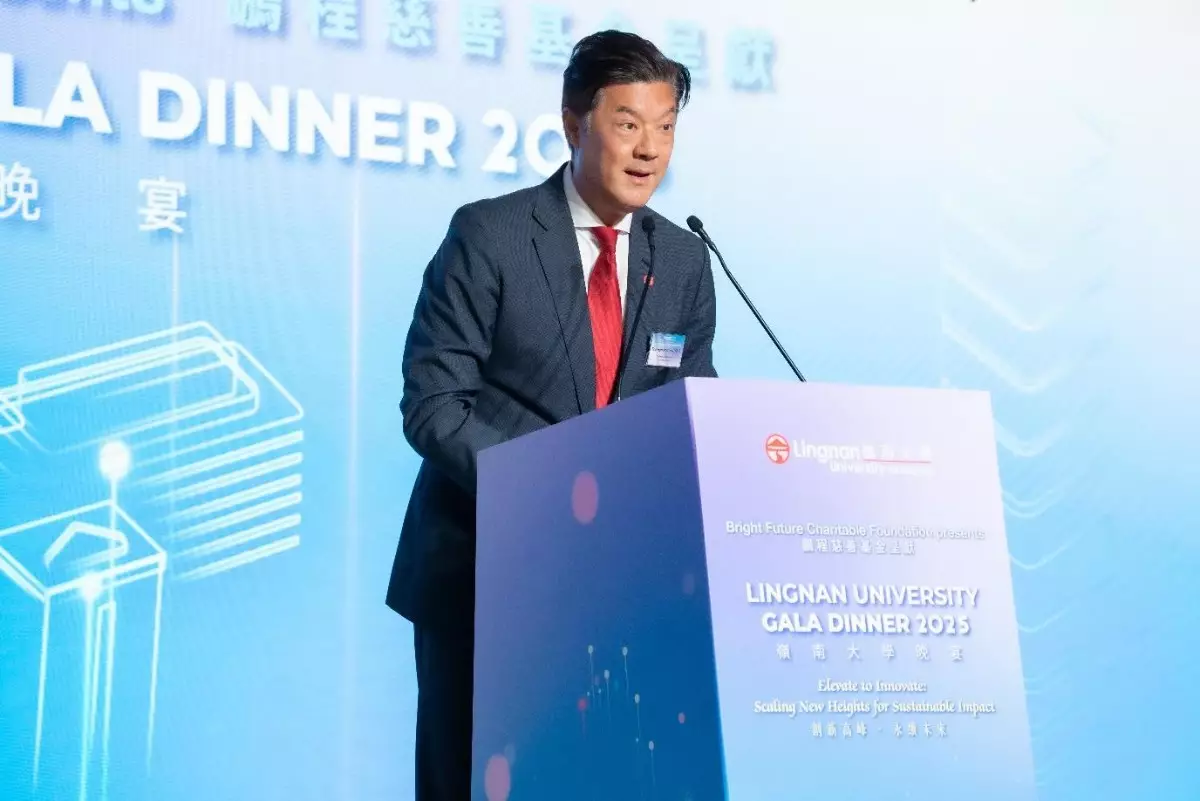
The Honourable Andrew Yao gives his welcoming remarks and expresses sincere gratitude to supporters.
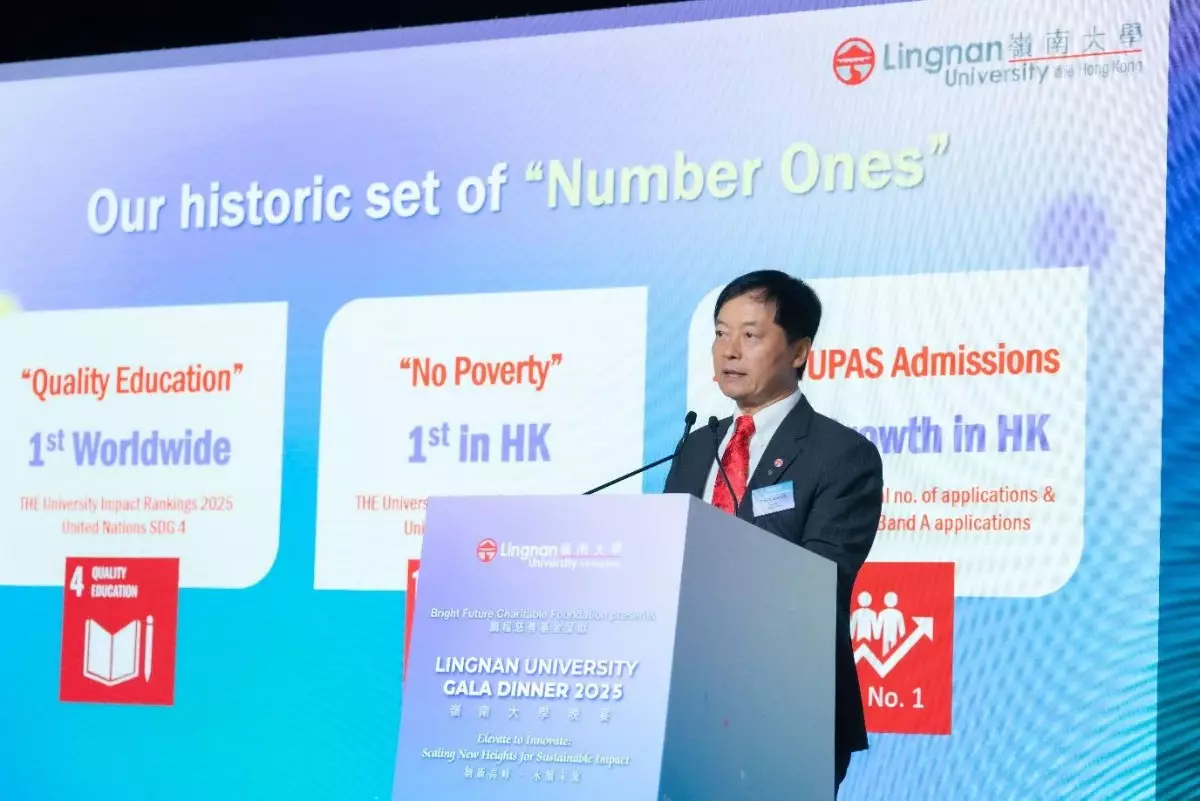
The Honourable Andrew Yao gives his welcoming remarks and expresses sincere gratitude to supporters.

President S. Joe Qin shares the University’s recent success.

President S. Joe Qin shares the University’s recent success.

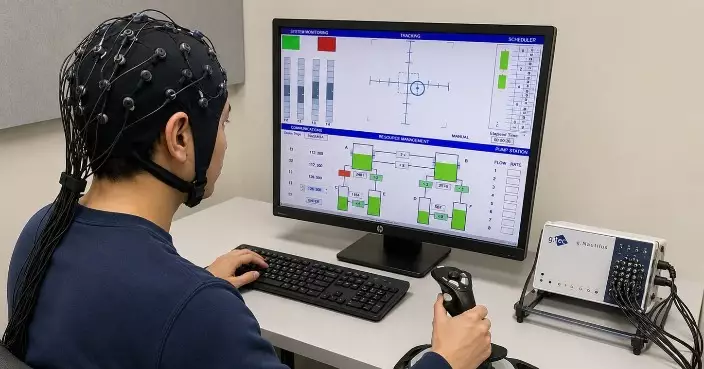
The Dinner also showcased two initiatives promoting the integration of arts and sciences. Prof William Hayward, Dean of the Faculty of Social Sciences, introduced the newly established Lingnan University Cognitive Science Research Centre, bringing together leading scholars in psychology, neuroscience, and artificial intelligence. The Centre will undertake a range of interdisciplinary and human-centred research projects, including using electroencephalography (EEG) to analyse children’s reading abilities to more accurately identify potential dyslexia, and investigating the neural mechanisms underlying risk decision-making under social influence. These research outcomes will be translated into practical applications to address the complex challenges of the digital era.
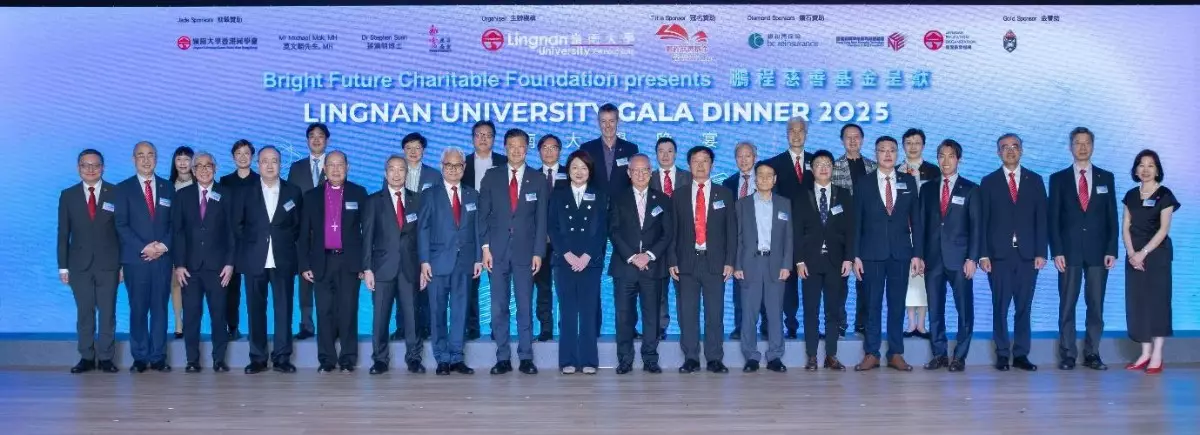
Officiating guests pose for a group photo along with Council members, distinguished scholars and senior management.

Officiating guests pose for a group photo along with Council members, distinguished scholars and senior management.

In addition, Prof Jonathan Fong, Associate Professor of the Division of Science, demonstrated advanced wildlife forensic techniques aimed at protecting endangered turtle species in Hong Kong SAR. The research plays a vital role in safeguarding local biodiversity and further exemplifies the University’s research capabilities in addressing social and environmental challenges.
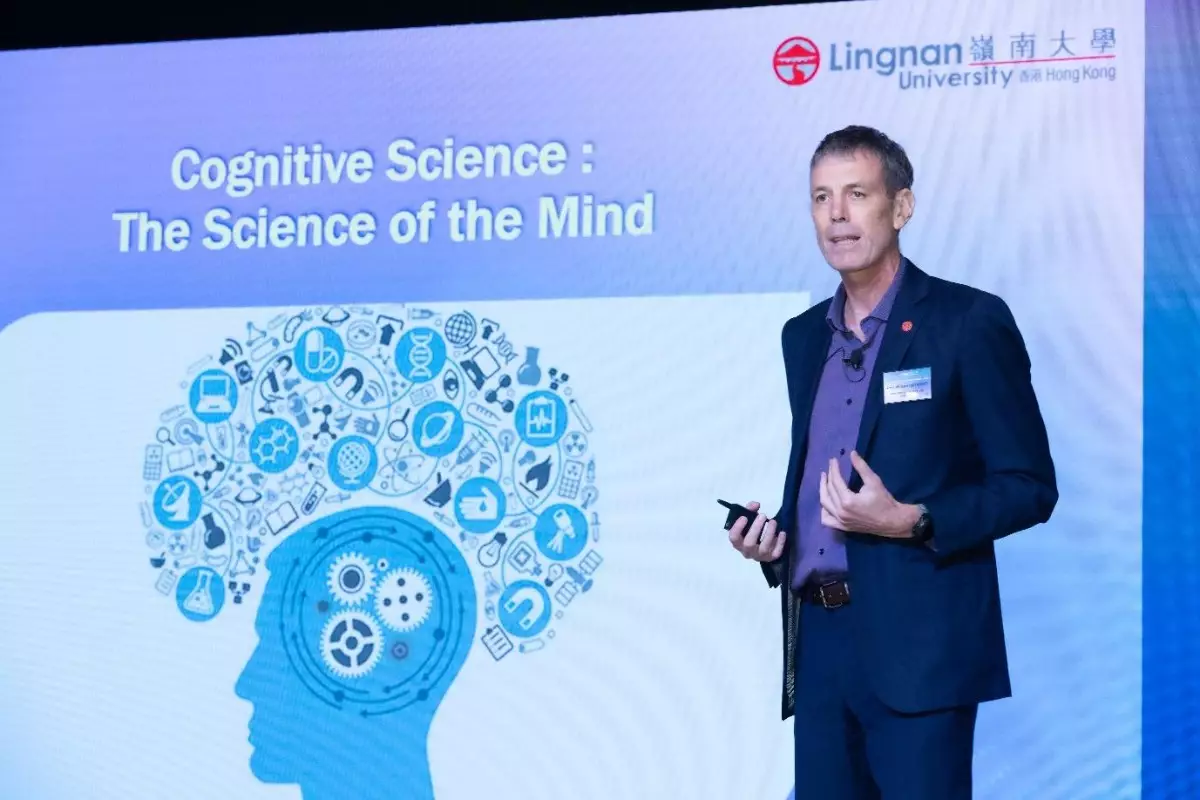
Prof William Hayward introduces the Lingnan University Cognitive Science Research Centre.

Prof William Hayward introduces the Lingnan University Cognitive Science Research Centre.

The evening concluded with a captivating guzheng ensemble and street dance performances by Lingnan’s talented students, blending the essence of Eastern and Western cultures and highlighting the University’s creativity and youthful energy.
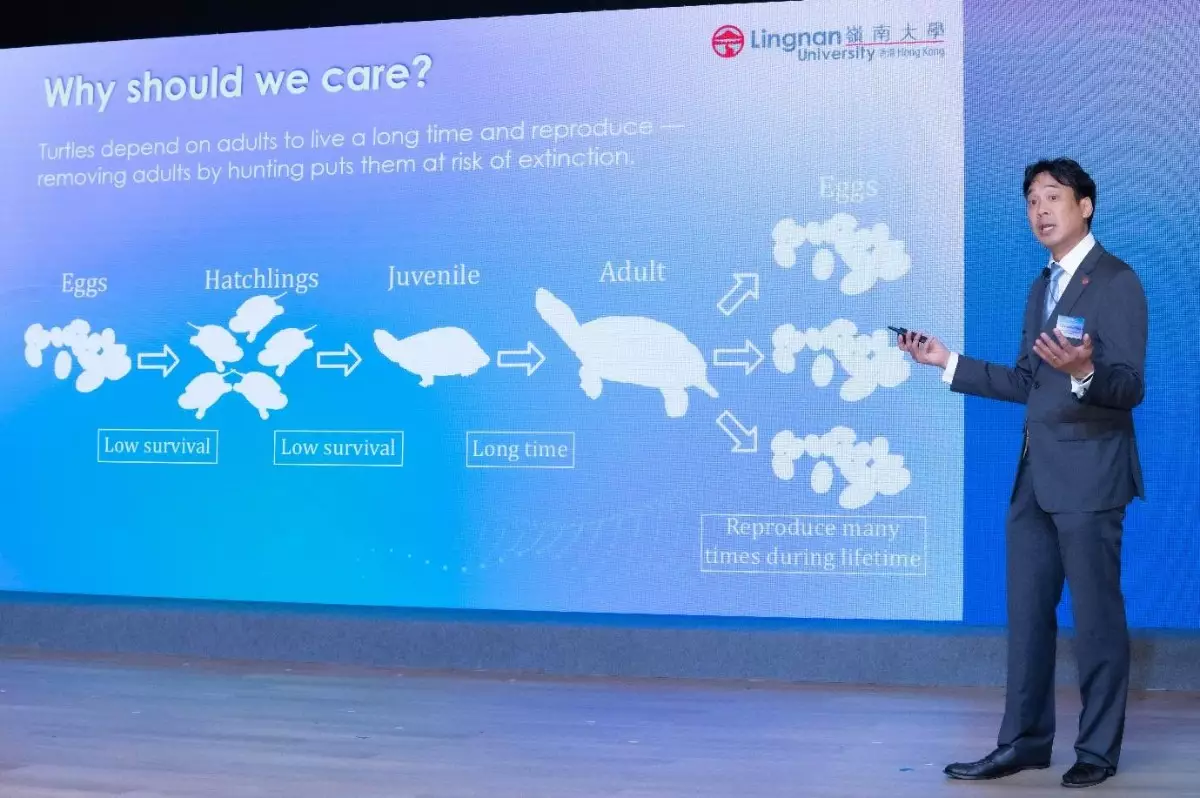
Prof Jonathan Fong showcases pioneering wildlife forensic techniques to protect endangered turtle species.

Prof Jonathan Fong showcases pioneering wildlife forensic techniques to protect endangered turtle species.
The evolution of higher education in the digital era has attracted global attention, and Prof S. Joe Qin, President and Wai Kee Kau Chair Professor of Data Science at Lingnan University, recently published a paper titled “AI for education: The digital transformation of a liberal arts institution – implementation at Lingnan University” in a leading international journal Computers and Education: Artificial Intelligence. The paper’s in-depth analysis of the role artificial intelligence (AI) plays in education uses Lingnan as a case study to examine the success of its pilot initiatives.

Prof Qin notes that higher education is undergoing an “AI revolution”, not merely reinforcing teaching with technology, but driving the “digital-intelligent transformation” of both teachers and students. Future curricula will shift from a traditional emphasis on memorisation and content mastery towards the application and navigation of knowledge, and students will be trained in prompt engineering in order to validate outputs generated by generative AI, and understand the ethical implications of such automated systems.

At the pedagogical level, repetitive tasks such as administrative duties, classroom management, and marking assignments will increasingly be handled by AI, allowing educators to focus more on their primary role of instruction and mentorship. This shift enables teachers to expand stronger data analytics and technological integration capabilities, permitting them to make higher-level decisions based on data, and to advise students more effectively.

Using Lingnan University as an example, Prof Qin highlights the development and application of a “Generative AI Assessment System (GAAS)”, an AI-driven learning platform capable of examining student performance in real time and making individual recommendations. Final oversight remains with teachers, so that this moves away from a one-size-fits-all model, and lecturers can shape instruction to individual progress and needs. The system was awarded a Bronze Medal at the International Exhibition of Inventions Geneva in March this year.

The pilot study shows that the system reduces the time spent on mechanical marking significantly. Traditionally, students often wait weeks for a response, whereas the new system enables a rapid turnaround, improving student engagement. It also ensures consistent application of marking criteria, and minimises discrepancies caused by human fatigue or bias. By delegating mechanical tasks such as grammar and structural checks to AI, instructors can focus entirely on students’ arguments and intellectual abilities, leading to better guidance.

Prof Qin stresses that educators are not replaceable. “At its core, education is a social and emotional process, and AI is currently unable to perceive student frustration, demonstrate empathy, mediate peer conflicts, or give emotional support. These forms of ‘emotional value guidance’ are inherently human and beyond the capacity of algorithms. Students must shift from being passive consumers of AI-generated content to active editors and critical thinkers. For example, they should debate AI, identify flaws in logic, and generate multiple solutions using AI, and then evaluate and rank them independently. The key lies in asking the right questions and appraising the quality and accuracy of the responses.”

The paper also notes that, given AI’s strength in processing large volumes of information, tasks that require high accuracy and speed but involve limited complex judgement are more susceptible to automation. These include data entry, basic translation, routine programming, software operation, and format-driven content generation, all repetitive and rule-based cognitive tasks. Such changes are more likely to replace specific tasks than entire professions. For instance, legal assistants may spend less time gathering information, and more on strategic legal work.

Prof Qin explains that as anyone can now create grammatically correct text or digital images within seconds, technology itself is no longer in short supply. What becomes truly beneficial is human intent, philosophical thinking, and flair in evoking emotional resonance. In an age saturated with generated content, whole-person education focusing on critical thinking and authentic human expression will become the most important standard and benchmark.

He also points out that the widespread adoption of AI will increase the importance of interdisciplinary learning. “Cognitive flexibility, complex problem-solving skills, and emotional intelligence - all fostered by whole-person education - provide students with a solid foundation so they can remain adaptable in rapidly evolving technological environments. By integrating knowledge across disciplines such as history, philosophy, and science - in essence, learning how to learn - students can continue to grow amid constant change.”

The paper expresses how disciplines such as literature, history, and philosophy offer an “ethical perspective”, and how the study of classical works, particularly those rooted in the Chinese cultural heritage, is essential for independent thinking. By understanding a historical context and moral framework, students can apply AI more judiciously, minimise algorithmic bias, and ultimately take a leading role in shaping technological progress.

Read the full study here: AI for education: The digital transformation of a liberal arts institution – implementation at Lingnan University

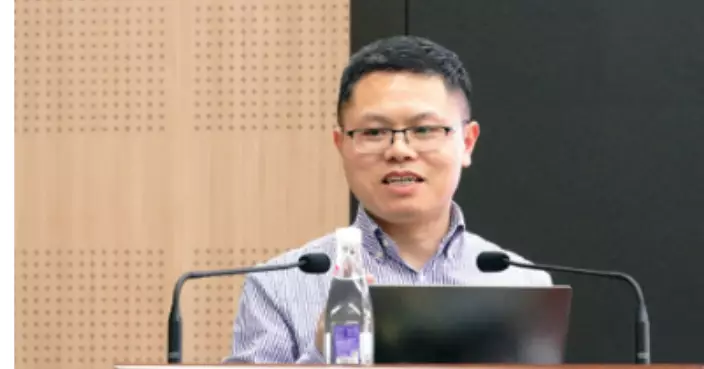
Prof S. Joe Qin, President and Wai Kee Kau Chair Professor of Data Science of Lingnan University, has published a paper titled AI for education in a leading international journal.

Prof S. Joe Qin, President and Wai Kee Kau Chair Professor of Data Science of Lingnan University, has published a paper titled AI for education in a leading international journal.

Recommended Articles