Lingnan University held its 2026 Chinese New Year media reception on the Tuen Mun campus today, 17 March, hosted by Prof S. Joe Qin, President and Wai Kee Kau Chair Professor of Data Science; Prof Raymond Chan Hon-fu, Vice-President (Academics) cum Provost and Lam Man Tsan Chair Professor of Scientific Computing; Prof Xin Yao, Vice-President (Research and Innovation) and Tong Tin Sun Chair Professor of Machine Learning; Mr Ernest Chan Chi-man, Vice-President (Administration); Prof Sam Kwong Tak-Wu, Associate Vice-President (Strategic Research) and J.K. Lee Chair Professor of Computational Intelligence, and Prof Lau Chi-pang, Special Advisor to President on Publicity cum Director of Communications and Public Affairs. They announced the University’s most recent news and its strategic development blueprint for the coming years, which includes a series of campus development initiatives which will continue to improve teaching, research, and innovation.
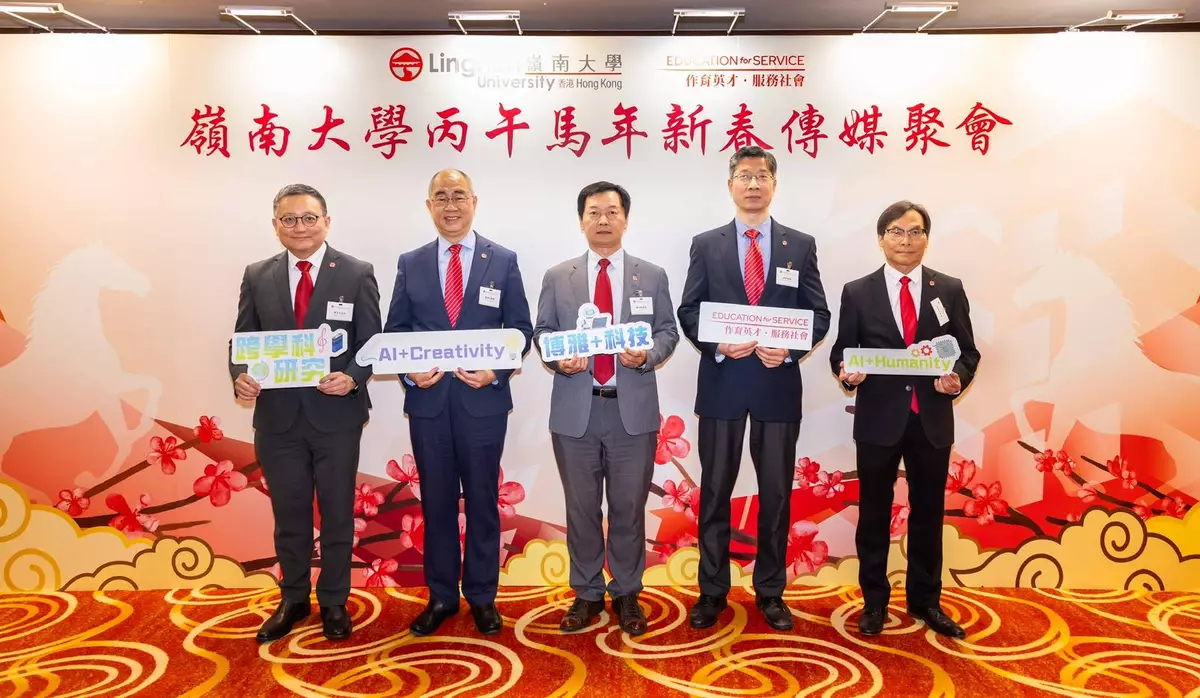
Lingnan University hosts its Chinese New Year media reception. From the left: Mr Ernest Chan Chi-man, Vice-President (Administration); Prof Raymond Chan Hon-fu, Vice-President (Academics) cum Provost and Lam Man Tsan Chair Professor of Scientific Computing; Prof S. Joe Qin, President and Wai Kee Kau Chair Professor of Data Science; Prof Xin Yao, Vice-President (Research and Innovation) and Tong Tin Sun Chair Professor of Machine Learning; and Prof Sam Kwong Tak-Wu, Associate Vice-President (Strategic Research) and J.K. Lee Chair Professor of Computational Intelligence. Photo source: Lingnan University
President S. Joe Qin said that to meet Lingnan’s growing need for more space, the University recently acquired a new 3,600-square-metre facility, Lingnan T-Plus, which will support the main campus by providing additional teaching venues and classrooms. Conveniently located and about 15 minutes’ walk from the main campus, Lingnan T-Plus is expected to be operational in the 2026/2027 academic year. Students and staff will be able to commute to the main campus easily and stay involved with campus life.
Click to Gallery
Lingnan University hosts its Chinese New Year media reception. From the left: Mr Ernest Chan Chi-man, Vice-President (Administration); Prof Raymond Chan Hon-fu, Vice-President (Academics) cum Provost and Lam Man Tsan Chair Professor of Scientific Computing; Prof S. Joe Qin, President and Wai Kee Kau Chair Professor of Data Science; Prof Xin Yao, Vice-President (Research and Innovation) and Tong Tin Sun Chair Professor of Machine Learning; and Prof Sam Kwong Tak-Wu, Associate Vice-President (Strategic Research) and J.K. Lee Chair Professor of Computational Intelligence. Photo source: Lingnan University
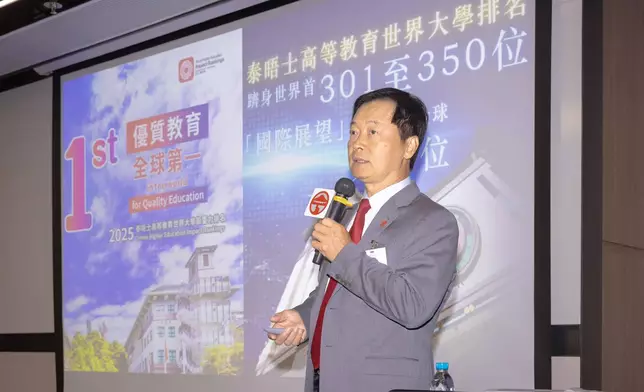
President S. Joe Qin announces campus development initiatives to further improve teaching, research and innovation. Photo source: Lingnan University
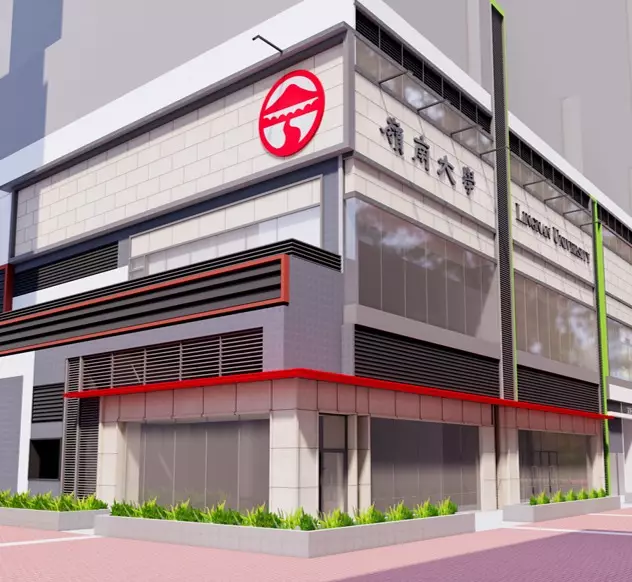
The University has recently acquired a new facility, Lingnan T-Plus. Photo source: Lingnan University
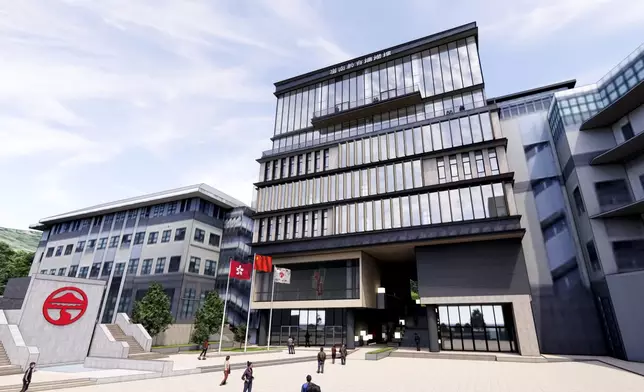
The Lingnan Education Organization Building is scheduled for completion in 2028. Photo source: Lingnan University
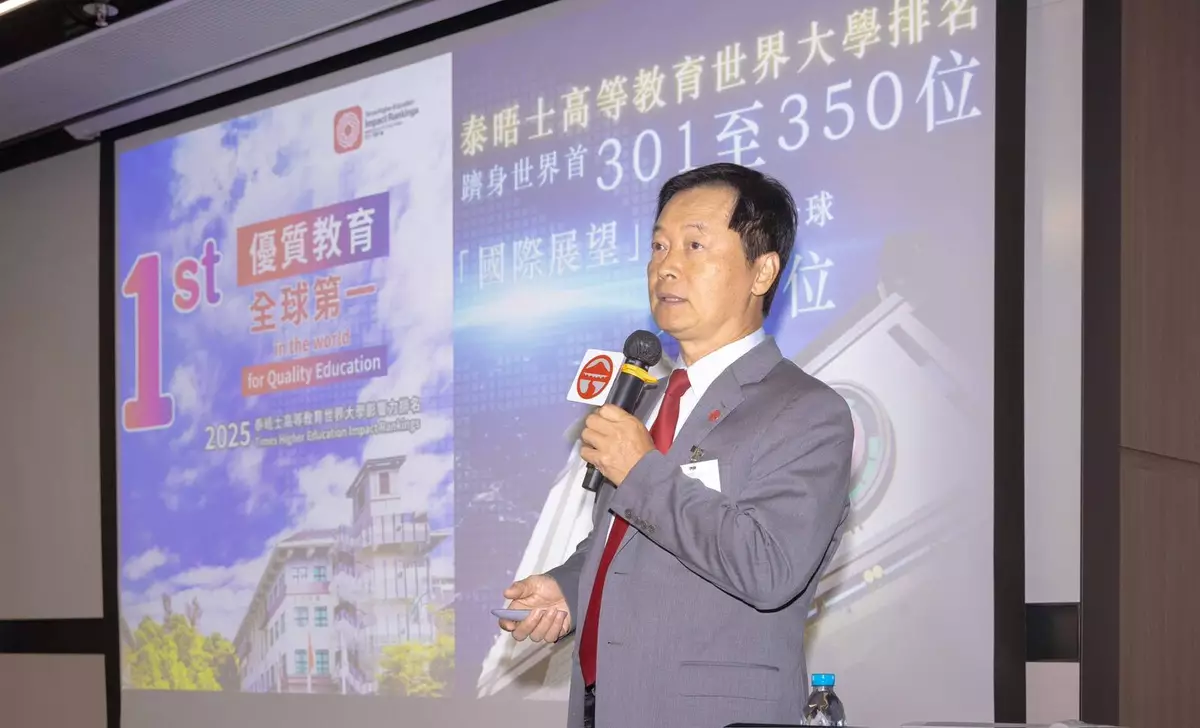
President S. Joe Qin announces campus development initiatives to further improve teaching, research and innovation. Photo source: Lingnan University
The expansion of Lingnan’s main campus in Tuen Mun has begun with the construction of the seven-storey Lingnan Education Organization Building, the University’s first dedicated science building, which will have a floor area of approximately 8,000 square metres and house the School of Data Science (SDS) and the interdisciplinary research hub. It is scheduled to be completed in 2028, and will upgrade University teaching and research facilities.
The Tuen Mun Main Campus will have a new 200-square-metre lecture theatre in the Lau Chung Him Building with seating for about 200 people, which will provide another venue for teaching, academic lectures, and large conferences. It is intended to come into use in the 2026/2027 academic year, improving the educational environment and strengthening support for academic events and the exchange of ideas.
In addition, a new 150-square-metre, 110-seat, multi-purpose venue with a large-scale LED display will be built on the Main Campus near the landmark Wing On Plaza for campus activities, academic seminars, press conferences, providing a high-quality space for teaching and discussions. It is scheduled for completion in 2027.
The University has recently acquired a new facility, Lingnan T-Plus. Photo source: Lingnan University
Looking back at 2025, President S. Joe Qin said that Lingnan University achieved several “No. 1 in the Hong Kong SAR” and “Only one in the Hong Kong SAR” distinctions across key indicators, demonstrating that the University’s strengths in teaching and research, as well as its commitment to whole-person education, have received international recognition. These accolades include coming first globally in “SDG 4: Quality Education” in the 2025 Times Higher Education Impact Rankings, and becoming the first university in Asia to partner with the United Nations University (UNU) to establish the UNU Hub on Humanitarian Innovation and Technology at Lingnan University. The UNU Hub plans to commence operations in the middle of this year, and will promote interdisciplinary collaboration in engineering, data science, and design innovation, encouraging faculty members and students from different disciplines to co-design humanitarian technologies to address real-world challenges in a practical and sustainable way.
President Qin also noted that in recent years, the University has implemented the “Liberal Arts + Technology” innovative education model, solidifying its position as a leading research-oriented liberal arts university, comprehensive in arts and sciences, in the digital era. More than 20 per cent of its faculty members were on the 2025 Stanford University “World’s Top 2% Scientists” list. As its 60th anniversary approaches in 2027, the University has launched the “Lingnan-60 Global Talent Recruitment” campaign to attract 60 leading scholars. As of February 2026, 33 top scholars have joined the University, strengthening Lingnan’s engineering and research capabilities in interdisciplinary fields such as industrial data science, smart infrastructure, carbon neutrality technologies, and sustainable energy and materials. This will enable the University to take a leading role in major cross-disciplinary, high-impact engineering projects related to the Hong Kong SAR’s re-industrialisation and carbon neutrality.
President Qin also announced that the University will officially launch the Samuel C.C. Ting Elite Class (CCT Class) in the 2026/27 academic year. Named in honour of the Nobel Prize-winning physicist Prof Samuel C.C. Ting, the class will select a group of top talents from its outstanding undergraduate students, who receive full University Entrance Scholarships, and will offer them comprehensive learning opportunities and support. The CCT Class symbolises the University’s commitment to an educational philosophy grounded in Creative and Critical Thinking. Through this initiative, the University aims to nurture a new generation of globally minded academic leaders, carrying forward Prof Ting’s legacy of bold innovation and rigorous research integrity, while further strengthening the University’s leading position as a research-oriented liberal arts university comprehensive in arts and sciences.
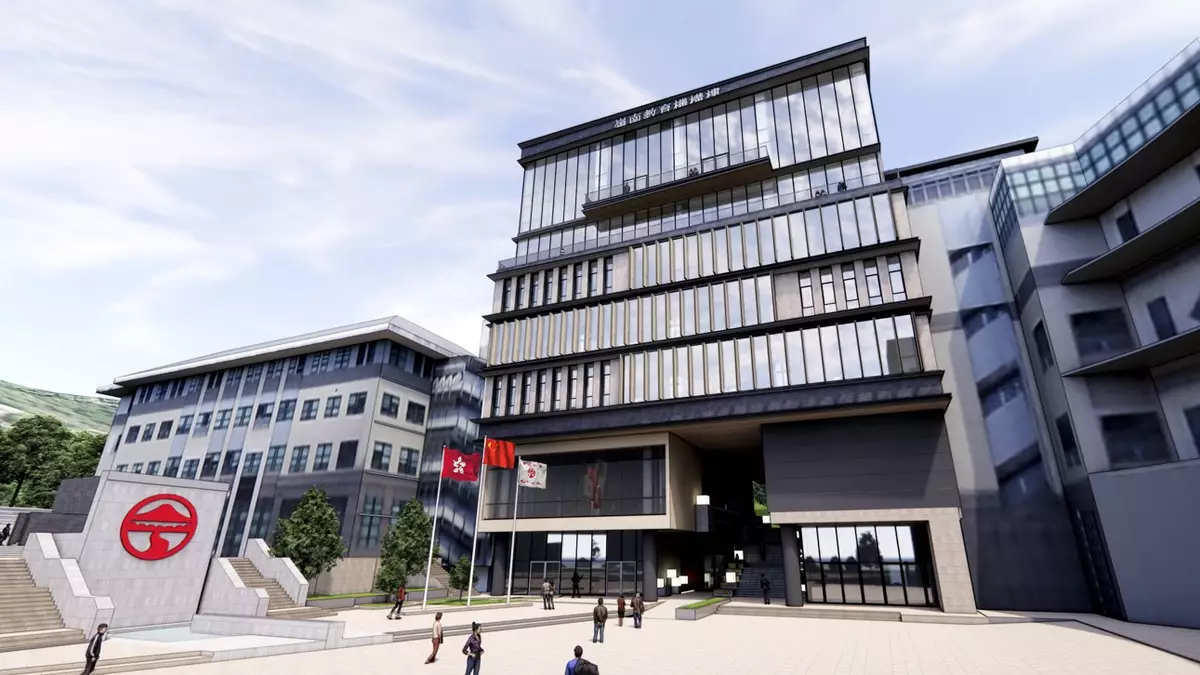
The Lingnan Education Organization Building is scheduled for completion in 2028. Photo source: Lingnan University