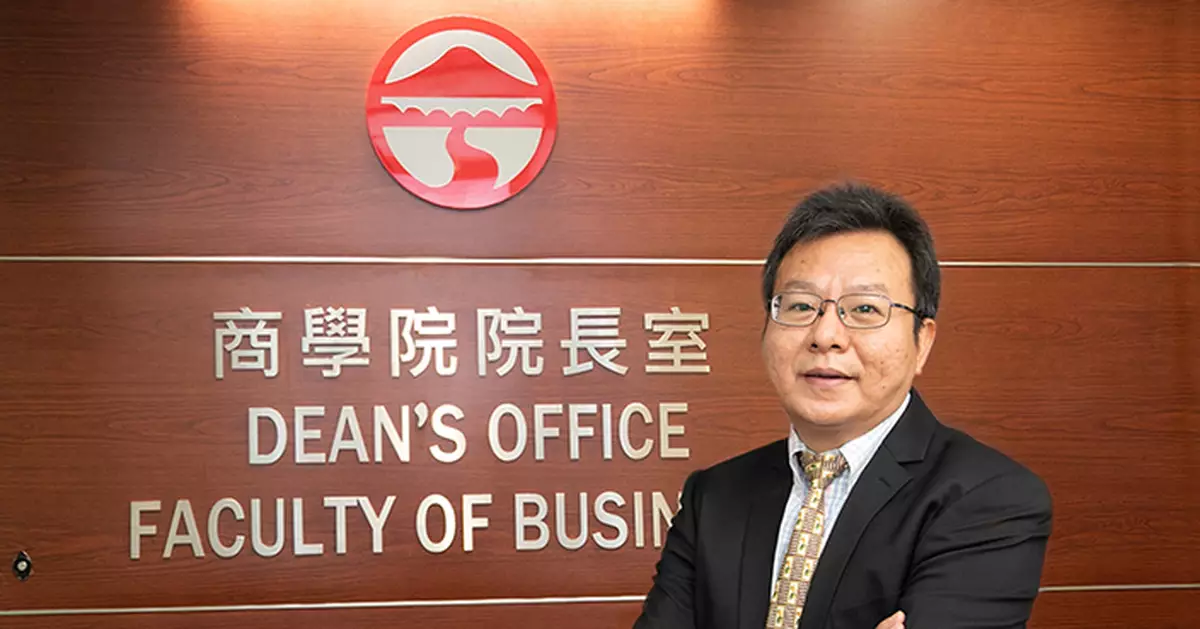
The Hong Kong SAR imports over 90 per cent of its food, and it can be very difficult when food safety incidents occur to trace the source across a complex supply chain. Prof Leng Mingming, Dean of the Faculty of Business and Chair Professor of Operations and Risk Management at Lingnan University, has published a new study proposing the introduction of a unified product tracing system across the food supply chain. The study confirms that such a system would improve overall traceability efficiency, and analysis shows that cooperative mechanisms across supply chain tiers help reduce the entry of problematic food into the market, improving both food safety and consumer confidence. The research findings have been published in the internationally respected flagship journal IISE Transactions of the Institute of Industrial and Systems Engineers.
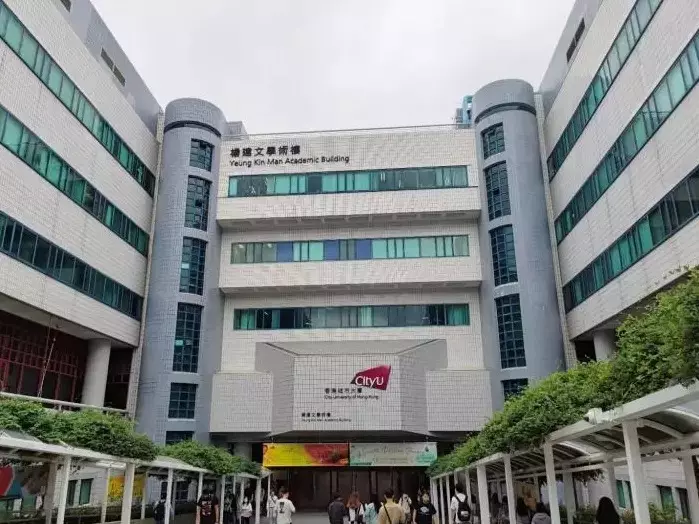
The Faculty of Business at Lingnan University.
The international research team, comprising Prof Leng and scholars from Hunan University, the University of Southern California, and McMaster University of Ontario, developed a three-tier food processing system covering upstream producers, midstream manufacturers or wholesalers, and downstream retailers, including supermarkets and catering groups, forming a “cross-tier” network. Using cooperative game theory, the team analysed independent decision-making versus coalition-based cooperation potential profit outcomes for stakeholders. Results show that when supply chain tiers act independently up to 90 per cent of total profits may be lost, but a unified cross-tier cooperative alliance between manufacturers and retailers can reduce losses to approximately 55 per cent.
The study also explains that the fewer “separate coalitions” there are within the supply chain, the more effectively manufacturers and retailers can share traceability responsibilities, leading to higher total profits. Adopting a unified product tracing system reduces fragmented decision-making, improves operational efficiency, lowers unnecessary costs, and promotes more equitable profit allocation. This strengthens incentives for cooperation across supply chain tiers, and helps alleviate concerns among small and medium-sized enterprises (SMEs) over the high costs or limited resources that may discourage participation in a unified tracing system.
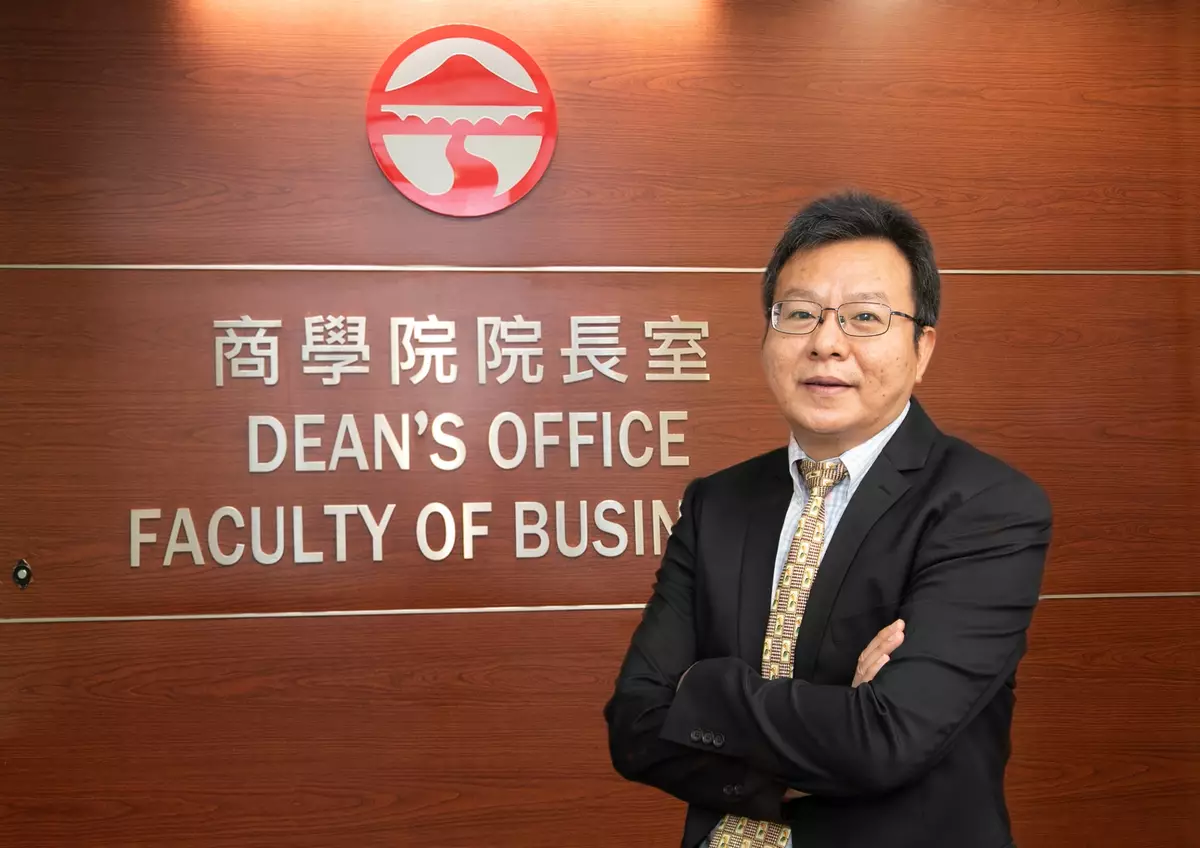
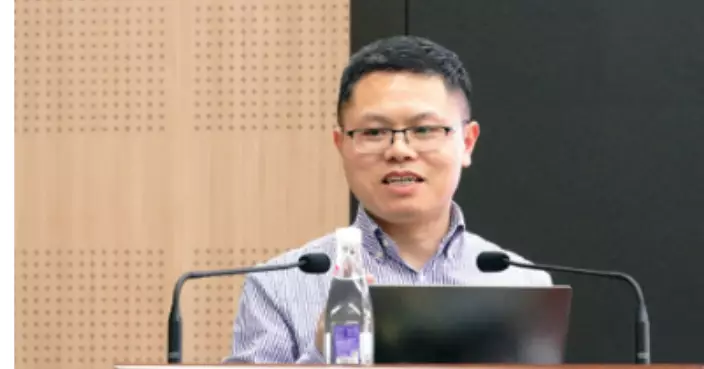
Prof Leng Mingming, Dean of the Faculty of Business and Chair Professor of Operations and Risk Management at Lingnan University, has published a new study proposing a unified product tracing system across the food supply chain. The system would improve traceability efficiency and food safety management, and the findings have been published in the flagship journal IISE Transactions of the Institute of Industrial and Systems Engineers.
Prof Leng noted “According to data from the Food Industry Association, about 64 per cent of consumers worldwide prefer brands that provide detailed product information and traceability records. A well-established product tracing system is better able to identify and intercept contaminated food or food that has deteriorated before it reaches retail markets, significantly reducing the risk of economic losses from product recalls.”
He added “Our study shows that cross-tier cooperation between manufacturers and retailers is key to improving overall supply chain efficiency. The Hong Kong SAR’s reliance on imported food underscores the importance of robust food traceability systems that enhance public confidence in food safety and support sustainable economic development. The use of innovative technologies such as blockchain and the artificial intelligence of things (AIoT) for food monitoring has become a global trend among major retailers and food companies. As an international trade hub, the Hong Kong SAR should encourage the adoption of these technologies for supply chain transparency and long-term sustainable development in the industry.”
The study also shows that many upstream farmers and manufacturers are SMEs with limited capital and technical resources, and it is difficult for them to shoulder the costs of implementing a tracing system independently. When penalties for distributing problematic foods are high, downstream retailers and manufacturers have a greater incentive to adopt a unified tracing system to intercept compromised food, thus appropriate regulatory measures can serve as an important lever to drive technology adoption in the industry.
Prof Leng has been named the recipient of the Beta Gamma Sigma (BGS)’s 2026 Dean of the Year Award. He was the sole winner selected from over 640 universities across 39 countries and regions. The award is presented annually to one outstanding dean who has demonstrated exceptional leadership in business education and consistent support for students.
Read the full study here: System-wide incentives to trace food processing: A cooperative-game analysis