Skip to Content Facebook Feature Image

Lingnan University Carbon Emissions Database Supports MUSICO Space Mission for Greenhouse Gas Monitoring

HK

Lingnan University Carbon Emissions Database Supports MUSICO Space Mission for Greenhouse Gas Monitoring
HK

HK

Lingnan University Carbon Emissions Database Supports MUSICO Space Mission for Greenhouse Gas Monitoring

2026-05-23 10:28 Last Updated At:10:30

Lingnan University congratulates Hong Kong SAR astronaut Lai Ka-ying who has been chosen for the nation’s next space mission, where she will probably operate the Multi-Spectral Imaging Carbon Observatory (MUSICO), a space-based research instrument led by the Hong Kong University of Science and Technology (HKUST). Prof Li Jia, Director of the Lingnan University Shenzhen Research Institute (LUSZRI), and Associate Professor (Presidential Early Career Scholar) of the Wu Jieh Yee School of Interdisciplinary Studies (WJYSIS) at Lingnan University, together with her research team, contributed key data from a carbon emissions source database for the project, which will be used to compare greenhouse gas data including carbon dioxide and methane emission sources observed by MUSICO, helping researchers identify emission intensity and distribution patterns of power and industrial facilities across different regions more accurately, thereby providing robust scientific support for China’s carbon-peaking and carbon-neutrality goals.

Prof Li said that currently many satellite monitoring systems worldwide focus mainly on greenhouse gas emissions at the regional level, and identifying carbon emissions from a single large stationary emission source from space remains challenging as relying on the high-sensitivity MUSICO instrument also depends greatly on long-term, ground-based carbon emissions data for comparison.

More Images
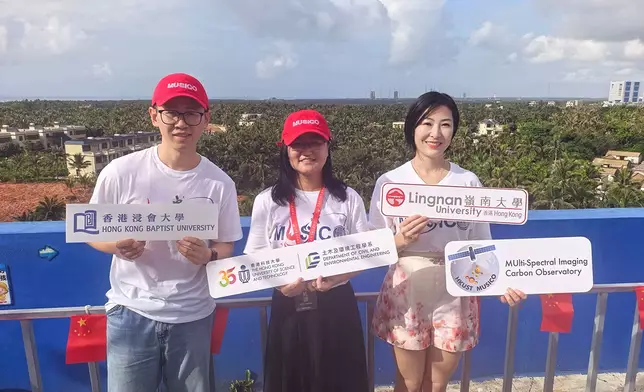
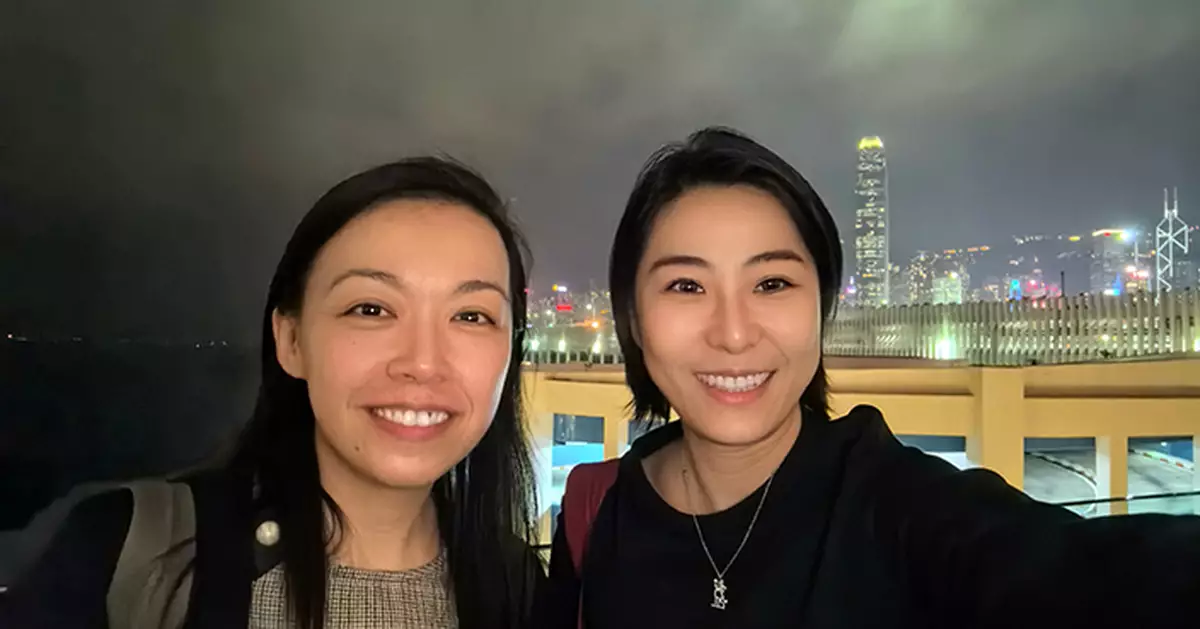
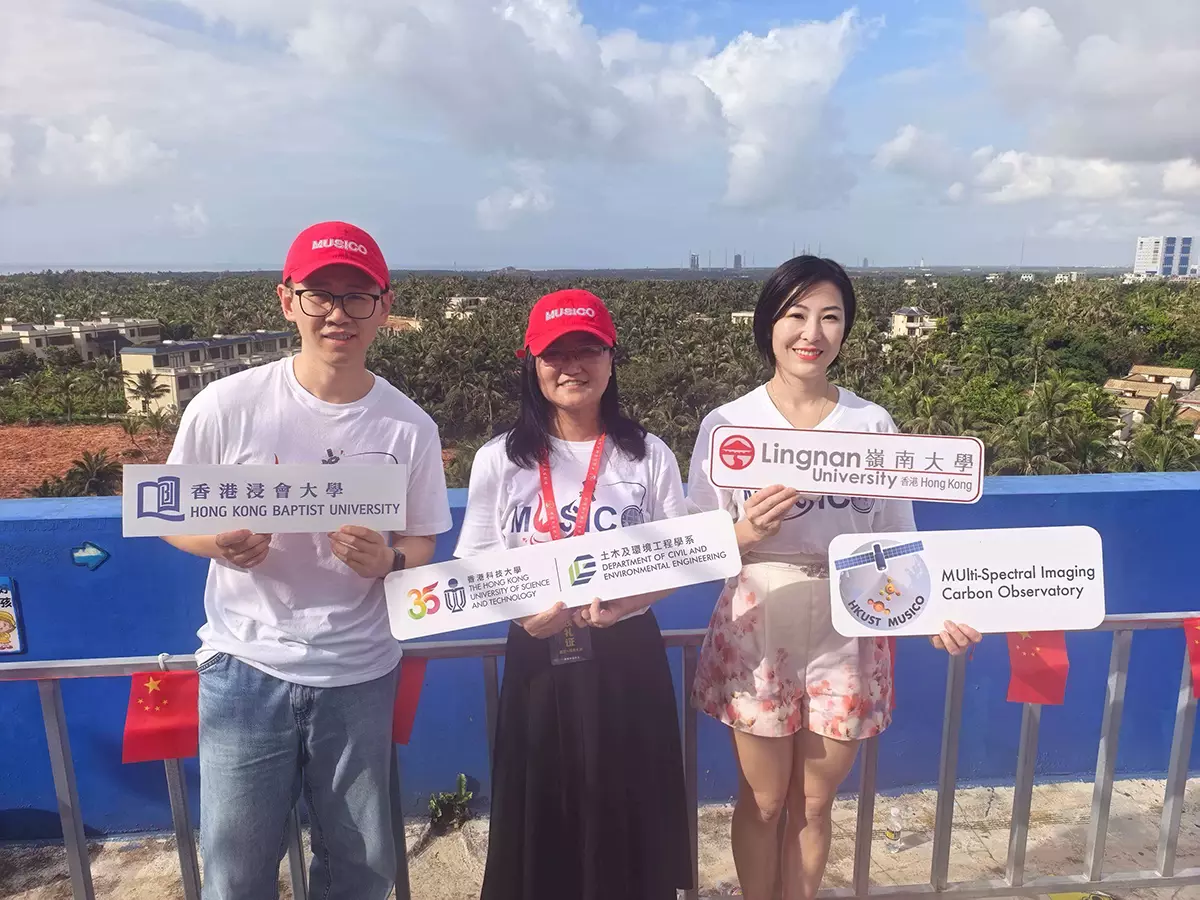
Prof Li Jia (right), Prof Su Hui (middle), and Dr Wang Fan (left) at the Wenchang Spacecraft Launch Site.
Prof Li Jia (right), Prof Su Hui (middle), and Dr Wang Fan (left) at the Wenchang Spacecraft Launch Site.

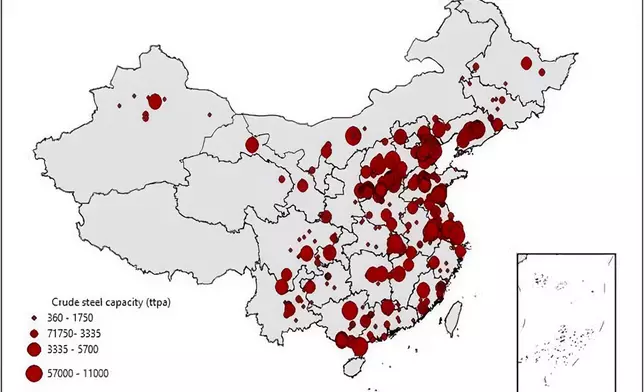
For several years now, Prof Li Jia’s team has carried out extensive research on industrial carbon emissions in China, and participated in core national carbon neutrality projects, compiling inventories covering major high-emission industries, such as power generation, cement, steel, chemicals and electrolytic aluminium.
For several years now, Prof Li Jia’s team has carried out extensive research on industrial carbon emissions in China, and participated in core national carbon neutrality projects, compiling inventories covering major high-emission industries, such as power generation, cement, steel, chemicals and electrolytic aluminium.

From left: Hong Kong SAR astronaut Lai Ka-ying, Prof Li Jia.
From left: Hong Kong SAR astronaut Lai Ka-ying, Prof Li Jia.

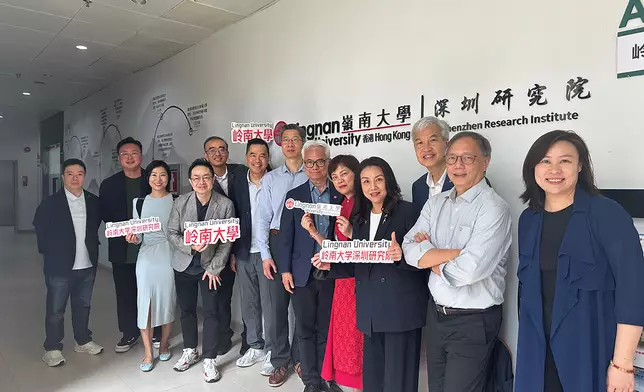
Council members of Lingnan University visit the Lingnan University Shenzhen Research Institute (LUSZRI).
Council members of Lingnan University visit the Lingnan University Shenzhen Research Institute (LUSZRI).

Prof Li Jia (right), Prof Su Hui (middle), and Dr Wang Fan (left) at the Wenchang Spacecraft Launch Site.

Prof Li Jia (right), Prof Su Hui (middle), and Dr Wang Fan (left) at the Wenchang Spacecraft Launch Site.

Prof Li said “Our database covers more than half of China’s carbon dioxide emission sources, and records emission volumes from different regions and industrial facilities. It is resolved down to the level of total emissions per square kilometre, with precise geographic coordinates, and functions much like a map and a navigation system, helping MUSICO identify the specific locations, intensities, and operational patterns of emission sources in space. This enables the instrument to observe the large-scale distribution of greenhouse gas concentrations, and also to analyse emissions from individual factories or facilities with greater precision, thereby increasing the accuracy and scientific value of space-based observation data.”

Prof Li continued “As an international financial centre, the Hong Kong SAR is well positioned to use Lingnan’s empirical data to advance the development of the green economy. In future, the database may be applied to carbon emissions verification, emissions reduction assessment, and urban low-carbon management, providing scientific support for low-carbon transformation in the Greater Bay Area and across China.”
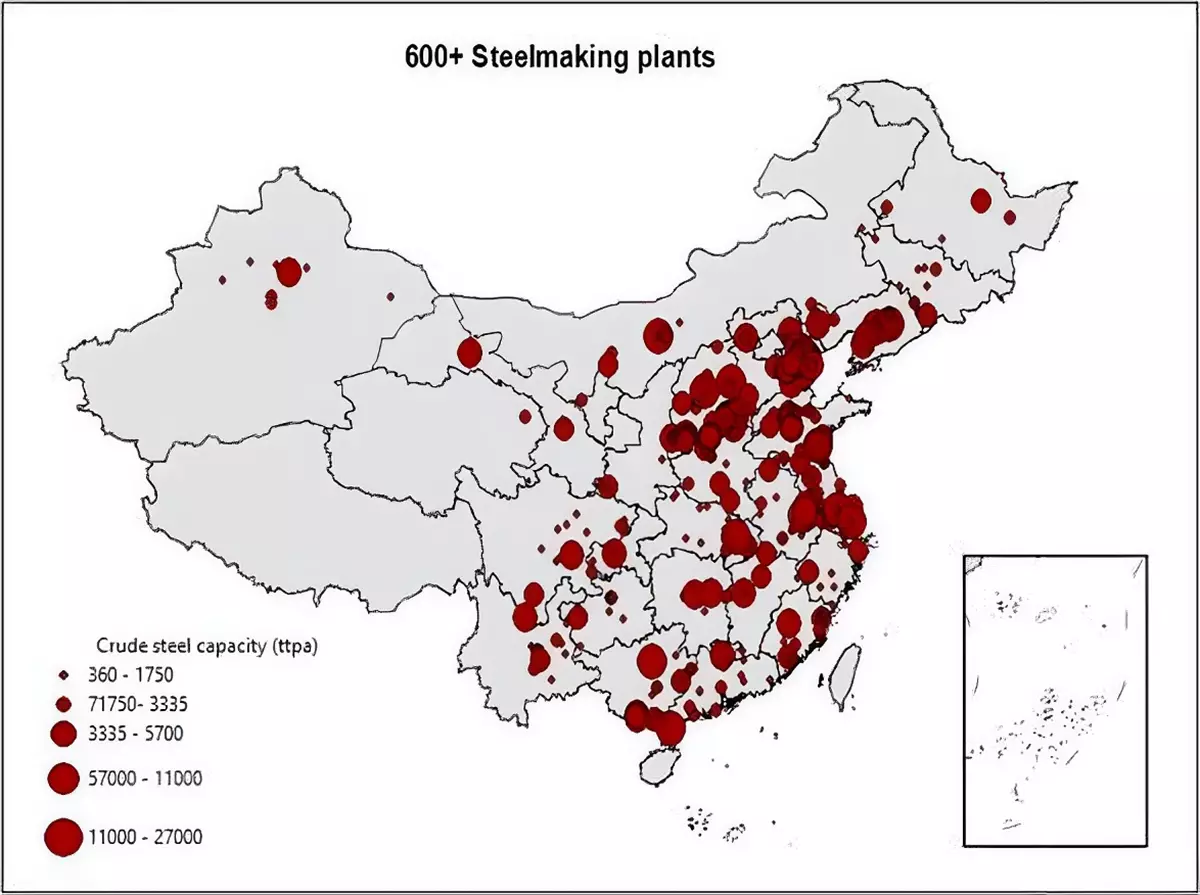
For several years now, Prof Li Jia’s team has carried out extensive research on industrial carbon emissions in China, and participated in core national carbon neutrality projects, compiling inventories covering major high-emission industries, such as power generation, cement, steel, chemicals and electrolytic aluminium.

For several years now, Prof Li Jia’s team has carried out extensive research on industrial carbon emissions in China, and participated in core national carbon neutrality projects, compiling inventories covering major high-emission industries, such as power generation, cement, steel, chemicals and electrolytic aluminium.

Over the past 20 years, Prof Li’s team has carried out continuous research on carbon emissions from the power and industrial sectors in China and Southeast Asian countries. The team has participated in and led carbon capture and storage planning projects in six Asian countries, and developed emissions inventories covering China’s major high-emission industries, including power generation, cement, steel, chemicals, and electrolytic aluminium. This is consistent with the analysis of individual emission sources such as ground-based power plants and oilfields, and helps verify whether observed measurements reflect normal fluctuations or abnormal emissions.

Between 2022 and 2025, Prof Li’s team collaborated with Tsinghua University and the Chinese Academy of Environmental Planning (CAEP) under the Ministry of Ecology and Environment, and took part in a first-batch key research project of the National Natural Science Foundation of China on carbon peaking and carbon neutrality, which expanded the database to cover additional major emission sectors.
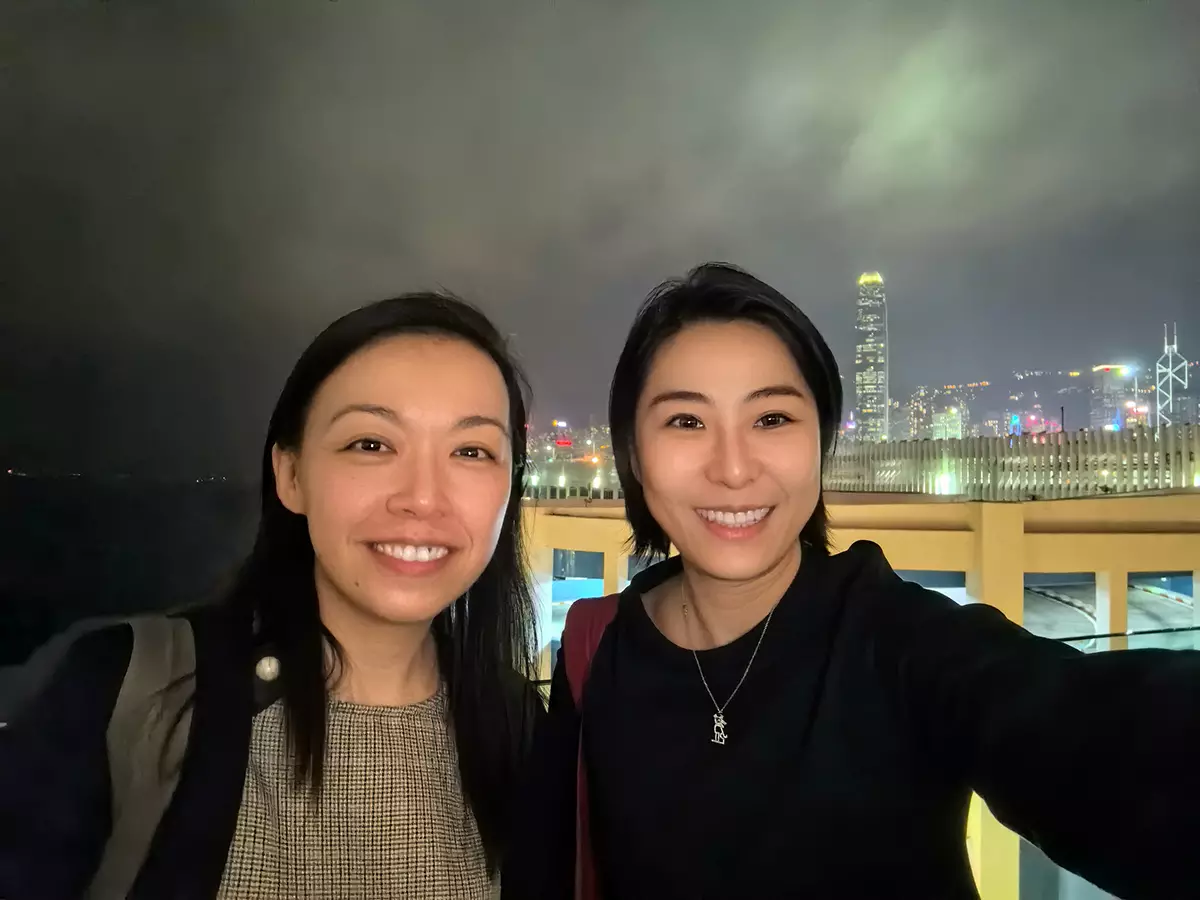
From left: Hong Kong SAR astronaut Lai Ka-ying, Prof Li Jia.

From left: Hong Kong SAR astronaut Lai Ka-ying, Prof Li Jia.

Prof Li Jia said that the opportunity to participate in space monitoring-related scientific research collaboration on behalf of Lingnan University was made possible by WJYSIS’ continued encouragement of cross-disciplinary integration, fostering collaborative research in environmental science, data analytics, and artificial intelligence; also, while the Chinese Mainland has taken a leading position in large-scale carbon capture and emissions reduction technologies, the Hong Kong SAR has many advantages in international academic networks and well-established research collaboration platforms, which promote scientific exchange, research related to sustainable development, and collaboration between China and the international community.
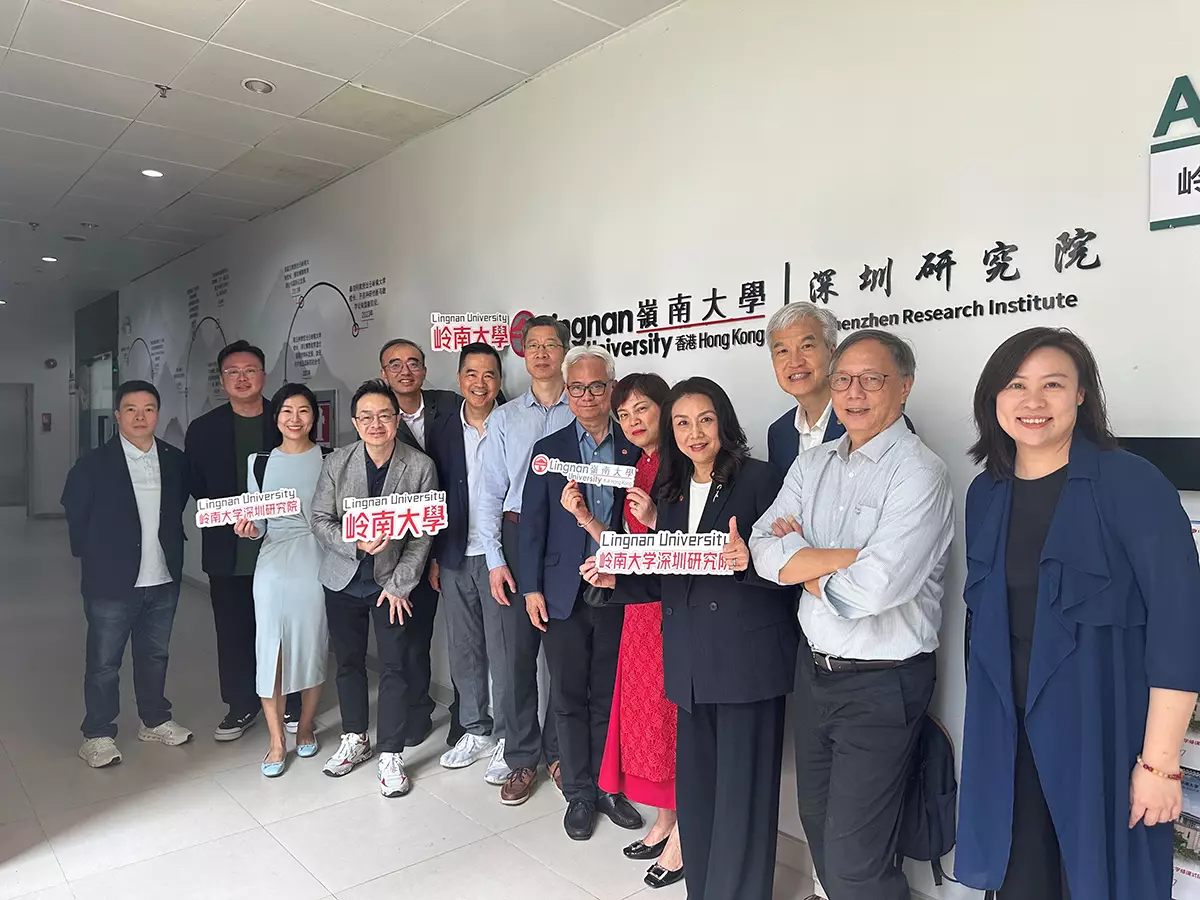
Council members of Lingnan University visit the Lingnan University Shenzhen Research Institute (LUSZRI).

Council members of Lingnan University visit the Lingnan University Shenzhen Research Institute (LUSZRI).

Prof S. Joe Qin, President and Wai Kee Kau Chair Professor of Data Science at Lingnan University, said that in recent years, Lingnan University has actively promoted its Liberal Arts + Technology development strategy, encouraging faculty and students to conduct interdisciplinary research that addresses real-world issues. Lingnan researchers’ involvement in national space and carbon monitoring projects shows the University’s strong foundation in inter-university and interdisciplinary collaboration, and highlights its academic contributions to public development in environmental science, data analytics, and low-carbon research.

The MUSICO research project is co-led by Prof Su Hui, Chair Professor of the Department of Civil and Environmental Engineering and Global STEM Professor at HKUST, and Prof Zhang Limin, Chair Professor and Head of the same department. Prof Zhai Chengxing, Associate Professor of the Division of Emerging Interdisciplinary Areas is the mission system engineer, and other team members are Senior Scientific Officer Dr Rong Pingping, Assistant Professor Zhang Jize, and Associate Professor Wang Zhe from HKUST’s Department of Civil and Environmental Engineering; Professor Ning Zhi, Associate Professors Shi Xiaoming, and Gu Dasa from the Division of Environment and Sustainability; Associate Professor Ma Xiaojuan from the Department of Computer Science and Engineering; Professor Zhu Pengyu from the Division of Public Policy; Professor Gao Meng from Hong Kong Baptist University; and Associate Professor Li Jia from Lingnan University.
To understand their awareness of and interest in the Chinese tea culture, the Asia-Pacific Institute of Ageing Studies at Lingnan University conducted a public opinion survey and analysis of the tea consumption habits of young people in the Hong Kong SAR. The findings show that more than three quarters of respondents drink Chinese tea regularly. However, as many as half also drink “flavoured tea” with sugar, floral flavours or milk frequently. The proportion of young people who drink tea regularly was significantly higher than soft and speciality drinks, although more than one third were unfamiliar with the health benefits of tea. Scholars point out that parents exert a strong influence on young people’s tea-drinking habits and suggest that different sectors of society might organise intergenerational activities to pass the Chinese tea culture on to younger generations.

Between March and July 2025, the researchers circulated a questionnaire to 488 Hong Kong SAR residents aged between 12 and 39 to find out how much they know about Chinese tea and related beverages and how much they drink. More than three quarters (76.2%) of respondents drink Chinese tea regularly, and the largest proportion (33.8%) drink Chinese tea one to four times a month Although this was a higher proportion than for coffee (25%), it remained lower than for other beverages. As many as 53.4 per cent of respondents consume speciality drinks such as bubble tea and fruit tea one to four times per month, followed by freshly squeezed juice (42.9%), soft drinks (39.6%), and packaged or bottled juice (38.1%).

The proportion of respondents who drank Chinese tea 11 or more times a month was 25.4 per cent, the highest of all beverage categories, surpassing coffee (17.5%), packaged or bottled juice (17.5%), soft drinks (14%), speciality drinks (10.8%), and freshly squeezed juice (6.3%), which suggests that some young people have developed a regular habit of drinking tea in the long-term (Figure 1).

Figure 1: The largest proportion of young respondents reported drinking Chinese tea one to four times a month (33.8%).

Figure 1: The largest proportion of young respondents reported drinking Chinese tea one to four times a month (33.8%).

Regarding their preferences, young respondents usually preferred pu-erh (65%), followed by tieguanyin (49%) and jasmine tea (31%). However, nearly half of respondents (49%) also drink flavoured teas containing sugar, floral flavours or milk frequently (Figure 2), reflecting increasingly blurred boundaries between traditional and modern teas in younger generations.

Figure 2: Nearly half the respondents (49%) drink flavoured tea containing sugar, floral flavours or milk regularly.

Figure 2: Nearly half the respondents (49%) drink flavoured tea containing sugar, floral flavours or milk regularly.

When asked whose opinions influenced their choice of tea, 39.7 per cent of respondents said that their parents had a “great” or “strong” influence. By comparison, the influence of their friends (11.4%) and social media (11%) was much less (Figure 3), which shows the stronger role of families in passing on the Chinese tea culture to younger generations.

Figure 3: 39.7 per cent of young respondents said that their choice of tea was influenced to a “high” or “strong degree” by their parents.

Figure 3: 39.7 per cent of young respondents said that their choice of tea was influenced to a “high” or “strong degree” by their parents.

The most common reasons for choosing a tea were the “aroma” (55%) or “taste” (50%). Nearly half (47%) also cited “family customs” - more than those who associated Chinese tea with “health benefits” (37%), “cultural identity” (19%), or “emotional stability” (17%) (Figure 4).

Figure 4: When asked why they drink tea, respondents usually said “aroma” (55%) or “taste” (50%).

Figure 4: When asked why they drink tea, respondents usually said “aroma” (55%) or “taste” (50%).

However, young people who drink tea have a limited understanding of its health benefits. More than one third of respondents (34.1%) said that they “knew nothing about” or had “only heard of” these benefits of tea, and nearly half (44.2%) that they “knew nothing about” or had “only heard of” Chinese tea brewing techniques. The study also found that nearly 70% of respondents (68.1%) expressed “average”, “considerable”, or “very strong” interest in learning tea arts, which shows that although the Hong Kong younger generation’s knowledge of Chinese teas is limited, they are generally interested in learning more.

Prof Dickson Chan Chak-Kwan, Research Professor and Director of Asia-Pacific Institute of Ageing Studies at Lingnan University, said that traditional Chinese tea processing techniques and associated social practices were inscribed on the United Nations Educational Scientific and Cultural Organisation (UNESCO) Representative List of the Intangible Cultural Heritage of Humanity in 2022. He noted that while the Chinese Mainland has actively promoted tea culture education for young people, the Hong Kong SAR still does not really understand the health benefits of tea or how to brew it, adding “Promoting tea culture helps pass on the essence of Chinese culture to younger generations. The study finds that parents have a great influence on forming the habit of tea drinking in their children, and recommends that primary and secondary schools and cultural organisations undertake activities that encourage parents and children to learn about Chinese tea together, so that tea drinking is encouraged and the cultural heritage of Chinese tea more effectively passed on to young people.”

Lingnan study finds more young people drink tea than soft drinks regularly. Generated picture.

Lingnan study finds more young people drink tea than soft drinks regularly. Generated picture.

Prof Chan also suggested that the education sector make the most of young people’s interest in the tea arts to develop their understanding of Chinese tea culture. Flavoured teas may initially build public awareness of the differences between pure and sugar-sweetened flavoured teas, reduce dependency on sugary beverages, and in the long run help promote a healthier diet.

"Research on Tea Consumption among Youth in Hong Kong" is part of the "Chinese Tea Promotion in Young People " Project (2024-2026). The project is sponsored by the Tin Ka Ping Foundation and aims to promote Chinese tea arts among young people and the public in Hong Kong through seminars and tea appreciation workshops, to encourage the understanding of Chinese traditional culture and promote physical and mental well-being.

Recommended Articles