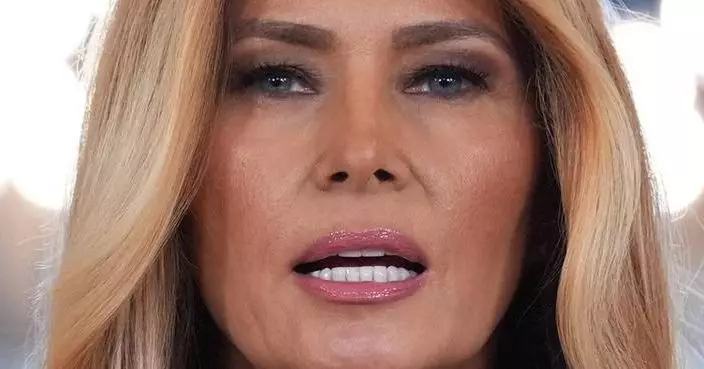
PHOENIX (AP) — A federal judge in Phoenix has rejected a plea agreement that would have allowed a man who admitted to beating a Navajo elder and leaving her for dead to avoid more prison time.
Preston Henry Tolth, 26, now will face trial on charges of carjacking and assault in relation to the 2021 disappearance of Ella Mae Begay. A trial date hasn't been set.
Click to Gallery
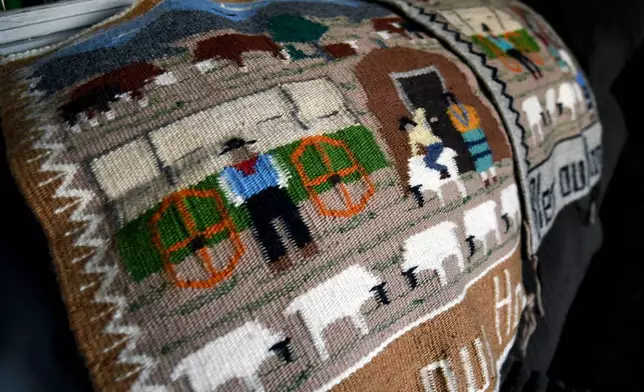
Weavings created by Ella Mae Begay, who went missing from her home, are displayed in her son's home in Denver, April 2, 2026. (AP Photo/Thomas Peipert)
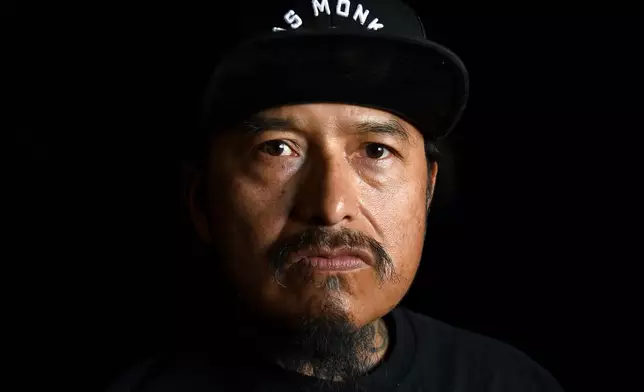
Gerald Begay, whose mother Ella Mae Begay went missing from her home, poses for a portrait in his home in Denver, April 2, 2026. (AP Photo/Thomas Peipert)
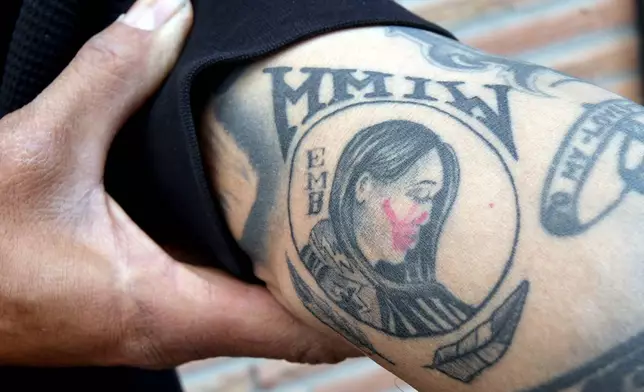
Gerald Begay, whose mother Ella Mae Begay went missing from her home, shows his Missing and Murdered Indigenous Women tattoo at his home in Denver, April 2, 2026. (AP Photo/Thomas Peipert)
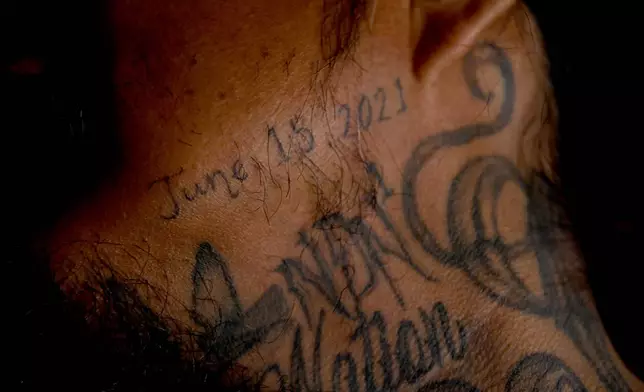
Gerald Begay, whose mother Ella Mae Begay went missing from her home, shows a neck tattoo memorializing her in his home in Denver, April 2, 2026. (AP Photo/Thomas Peipert)
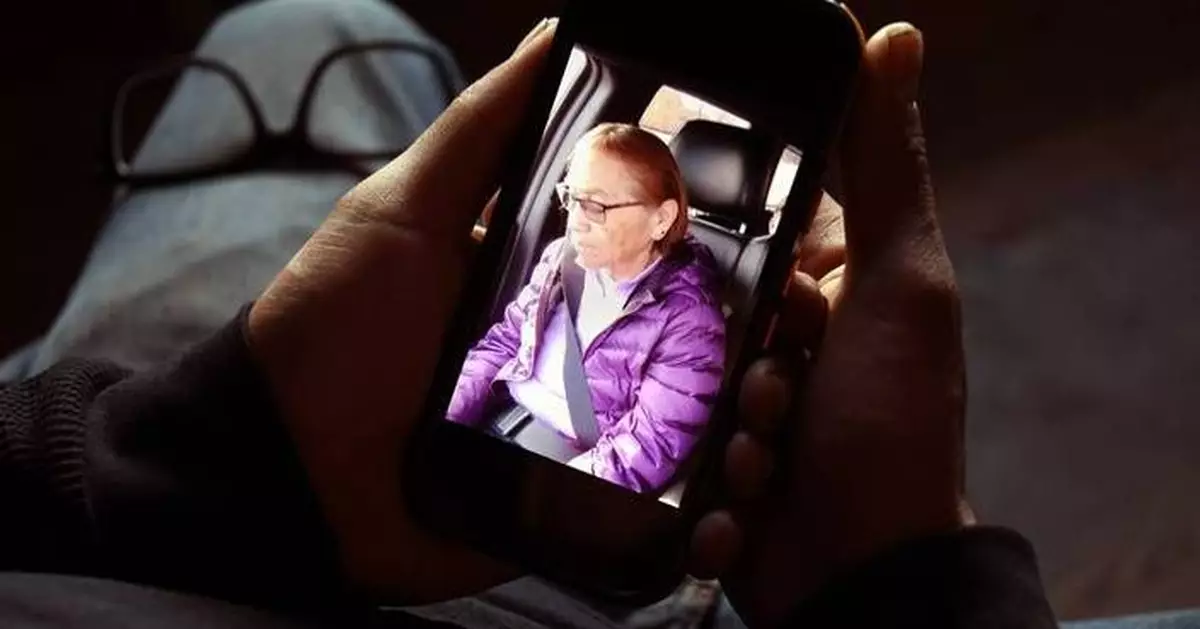
Gerald Begay, whose mother Ella Mae Begay went missing from her home, shows a photo of her on his phone in Denver, Thursday, April 2, 2026. (AP Photo/Thomas Peipert)
Under the agreement, Tolth would have been released on a sentence of three years of time served in exchange for acknowledging his role in the crime and pleading guilty to a single count of robbery.
Known as a gifted weaver of pictorial rugs, Ella Mae Begay was 62 years-old when she vanished from Sweetwater, Arizona, the small community on the northern part of the Navajo Nation where she was raised and later brought up her own three children.
Begay’s disappearance received national media attention and helped highlight the broader crisis of Indigenous people who go missing or are killed at disproportionate rates. Nearly five years after she disappeared, Begay has not been found.
The rare decision to reject a plea agreement followed anguished testimony from Begay's family members who told the court Tolth should not walk free without revealing Begay's location.
Seraphine Warren described her aunt as a warm and sweet person who opted for “hugs instead of handshakes," and implored the judge not to "give up on her" by accepting a plea agreement that Warren said offered no justice to the grieving family.
“Accountability is not time served,” Warren told the judge tearfully. “It’s about truth, and we still don’t have the truth.”
Gerald Begay, Ella Mae’s son, said, “I feel like the justice system has failed me.”
Tolth, whose father was dating Begay's sister, was identified as a person of interest within days of Begay's disappearance. He initially denied involvement but in a later interrogation, confessed to stealing Begay's truck with her in it, punching her repeatedly and leaving her on the side of the road.
Tolth was set to face trial in 2024, but a federal judge dealt prosecutors a major blow by ruling his confession inadmissible, saying Tolth had been unlawfully coerced by an FBI agent who lied about evidence that law enforcement had against him after Tolth had invoked his right to remain silent.
The U.S. Attorney's office for Arizona and Tolth's public defenders declined to comment on the judge's rejection of the plea agreement.
Tolth did not speak at Thursday's hearing. His attorney asked the judge to consider his unstable childhood and history of homelessness and substance abuse, calling his three years in federal custody a reasonable sentence.
A federal prosecutor said the suppression of Tolth's confession weakened the government's case and that the plea agreement would provide Begay's family with more certainty and finality than a trial with sparse evidence. Begay's family members disagree.
“We want to see this go to trial because we have nothing to lose,” Warren said. “If we lose, at least we fought.”
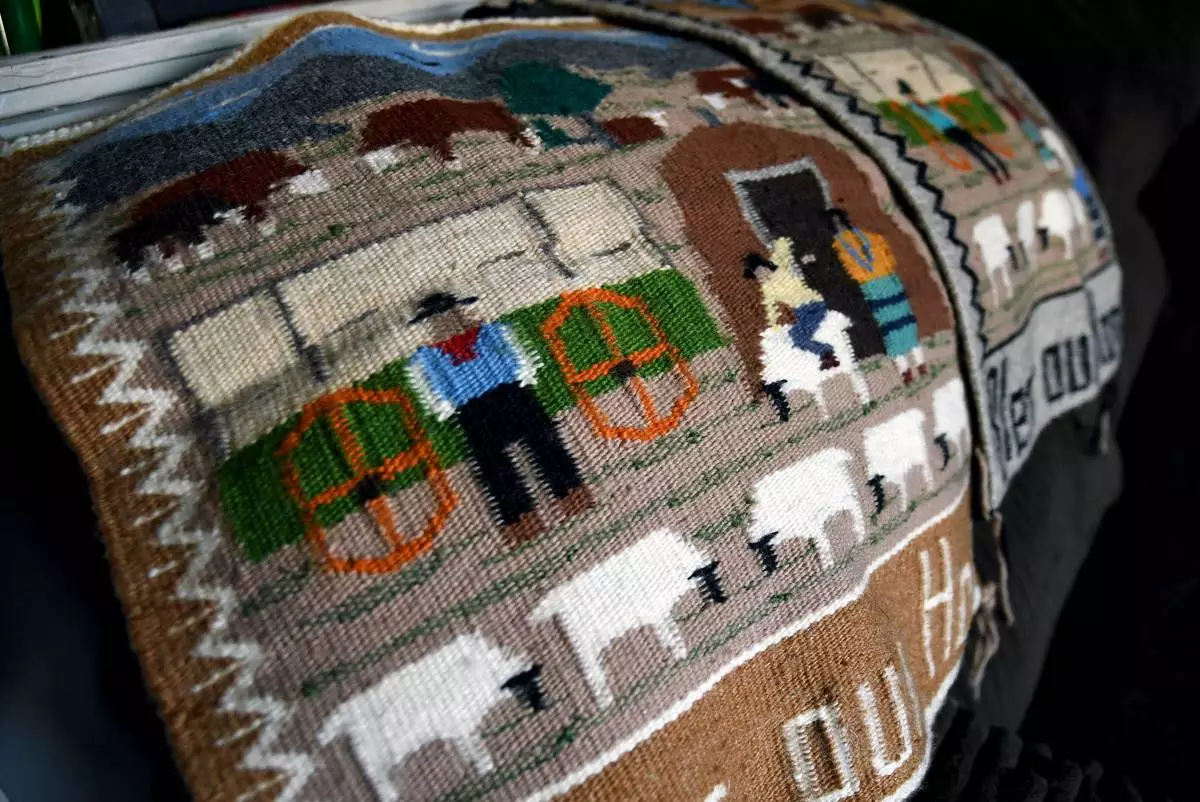
Weavings created by Ella Mae Begay, who went missing from her home, are displayed in her son's home in Denver, April 2, 2026. (AP Photo/Thomas Peipert)
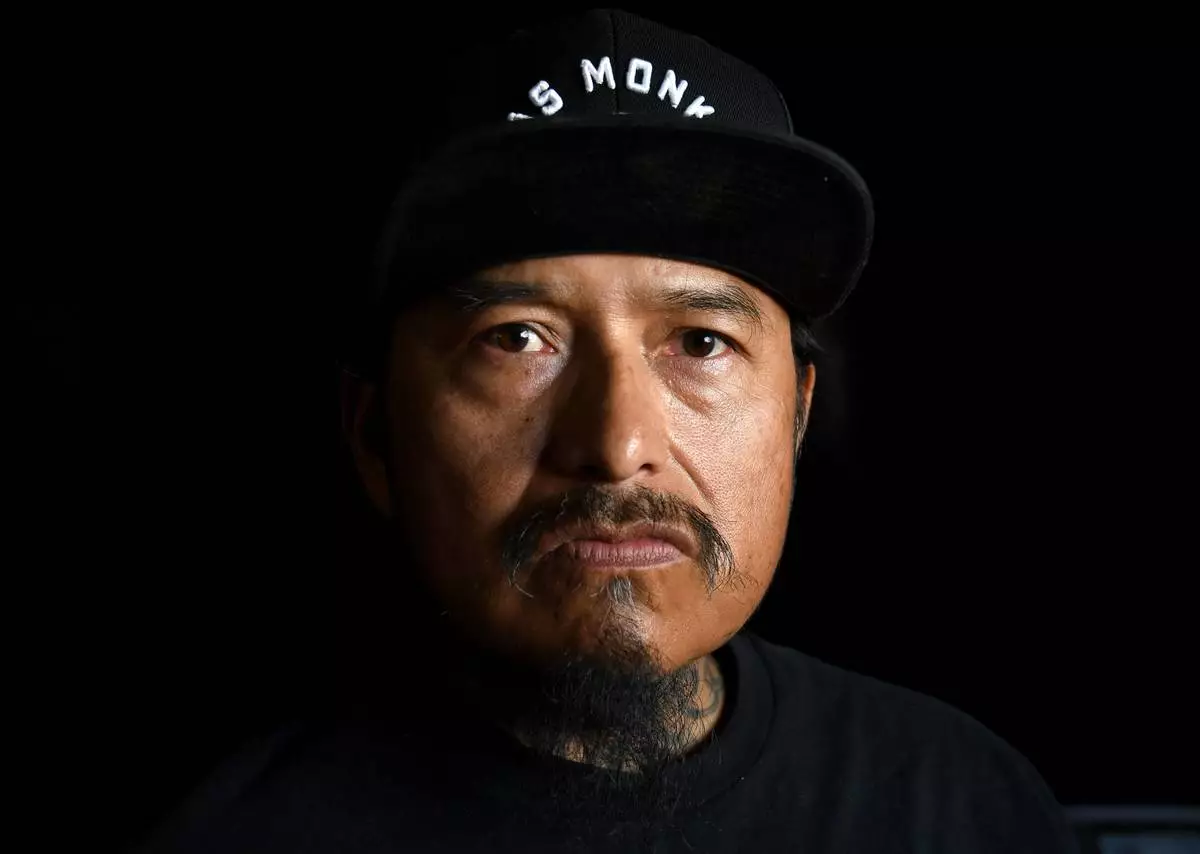
Gerald Begay, whose mother Ella Mae Begay went missing from her home, poses for a portrait in his home in Denver, April 2, 2026. (AP Photo/Thomas Peipert)
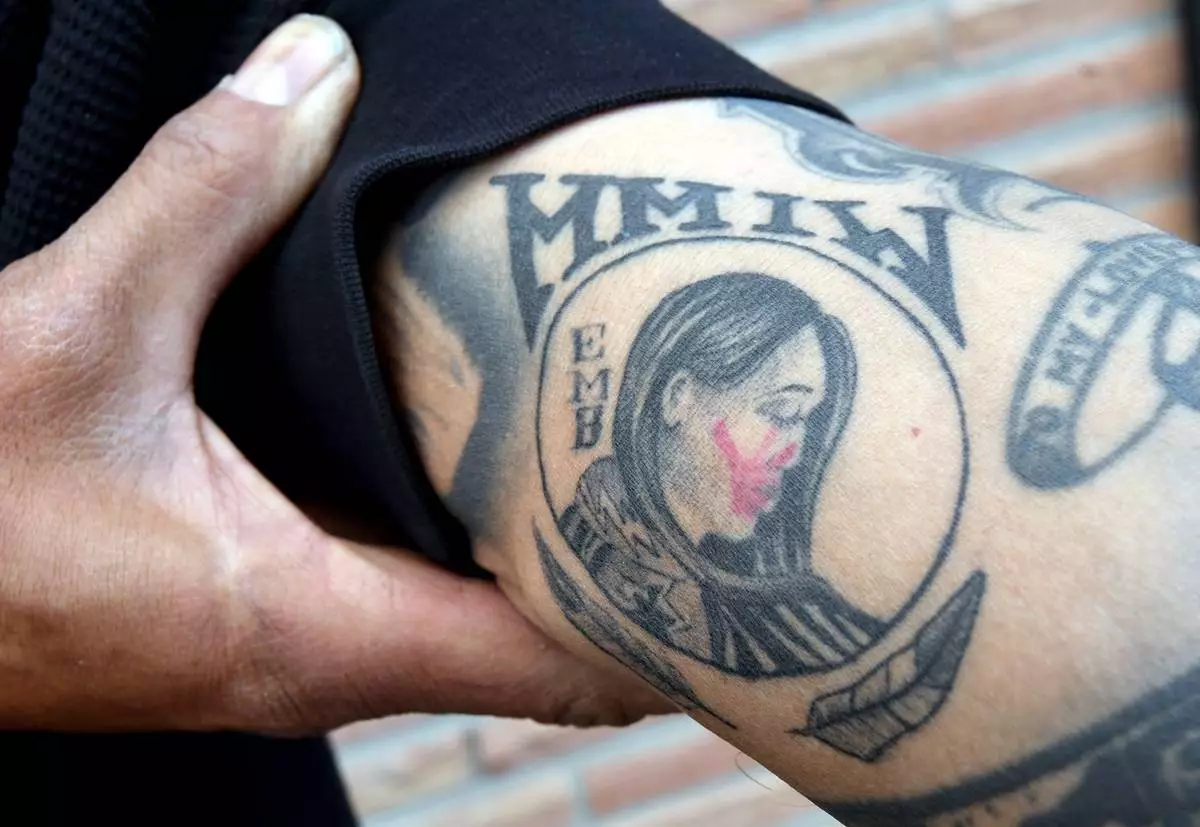
Gerald Begay, whose mother Ella Mae Begay went missing from her home, shows his Missing and Murdered Indigenous Women tattoo at his home in Denver, April 2, 2026. (AP Photo/Thomas Peipert)
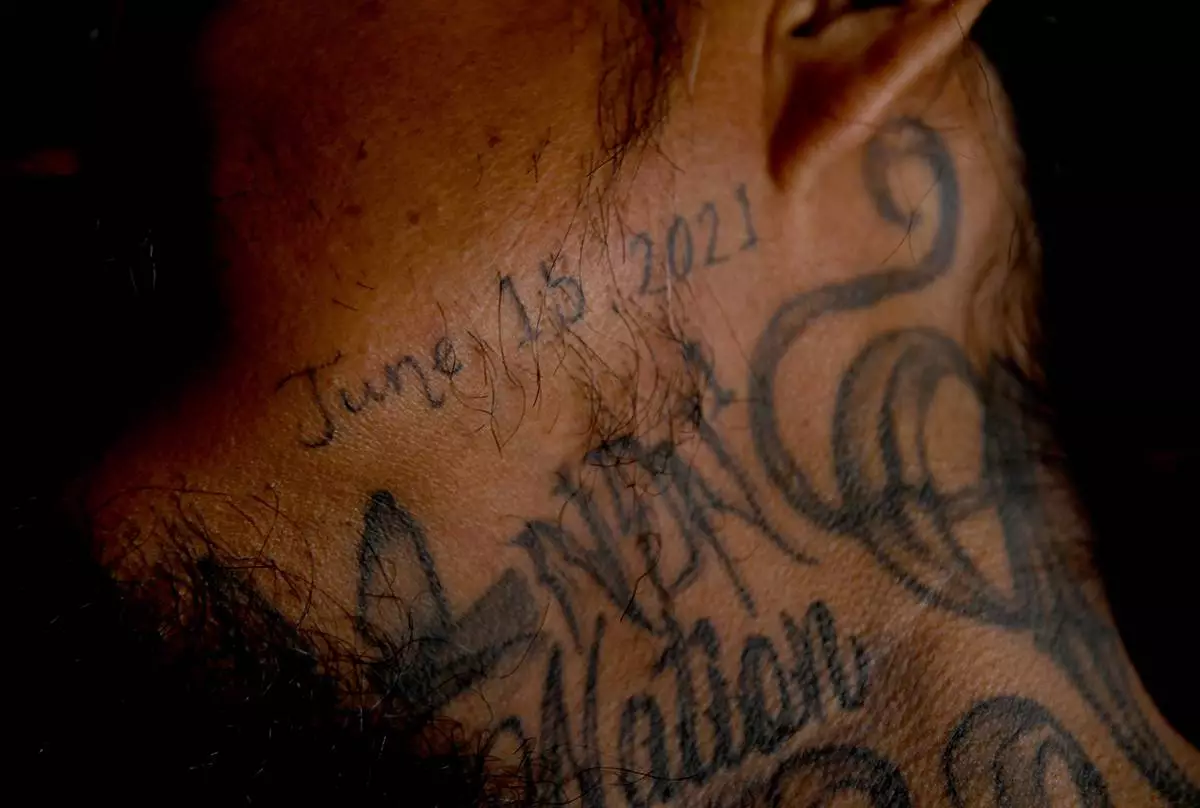
Gerald Begay, whose mother Ella Mae Begay went missing from her home, shows a neck tattoo memorializing her in his home in Denver, April 2, 2026. (AP Photo/Thomas Peipert)
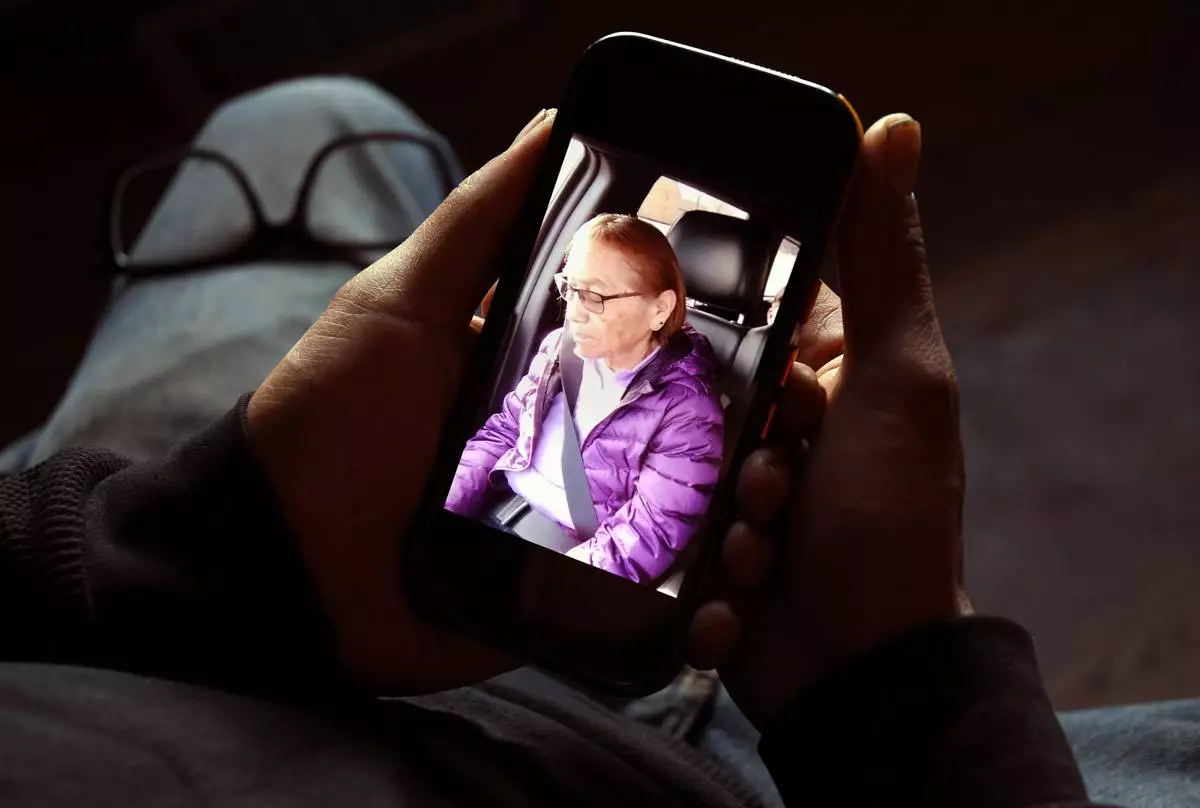
Gerald Begay, whose mother Ella Mae Begay went missing from her home, shows a photo of her on his phone in Denver, Thursday, April 2, 2026. (AP Photo/Thomas Peipert)
The Justice Department is investigating the NFL for potential anticompetitive practices, according to a government official.
The official, who was not authorized to discuss an ongoing investigation by name and spoke on condition of anonymity Thursday, said the investigation is “about affordability for consumers and creating an even playing field for providers.”
The investigation was first reported by The Wall Street Journal.
The NFL has not received a notification that the league is being investigated, according to two other people with knowledge of the situation. Those people spoke on condition of anonymity because they are not authorized to speak on possible legal matters.
The investigation comes amid increasing federal scrutiny of the amount of money fans are paying to watch sports on television. The Federal Communications Commission, for example, is seeking public comments on the ongoing shift of live sports from broadcast channels to streaming services.
The NFL said in a statement Thursday that over 87% of its games are available on broadcast television, including all that are played in a team's local market.
“The NFL’s media distribution model is the most fan and broadcaster-friendly in the entire sports and entertainment industry. The 2025 season was our most viewed since 1989 and reflects the strength of the NFL distribution model and its wide availability to all fans,” the league said in its statement.
Utah Sen. Mike Lee, chair of the Senate judiciary subcommittee on antitrust, competition policy, and consumer rights, wrote a letter to the Justice Department and the Federal Trade Commission on March 3 urging them to review whether the NFL’s distribution methods are in line with the Sports Broadcasting Act, which grants limited antitrust immunity to allow teams to collectively license game broadcasts to national networks.
“The modern distribution environment differs substantially from the conditions that precipitated this exemption. Instead of a small number of free broadcast networks, the NFL now licenses games simultaneously to subscription streaming platforms, premium cable networks, and technology companies operating under different business models,” the Republican senator wrote. “To the extent collectively licensed game packages are placed behind subscription paywalls, these arrangements may no longer align with the statutory concept of sponsored telecasting or the consumer-access rationale underlying the antitrust exemption.”
Lee said in his letter that football fans spent almost $1,000 on cable and streaming subscriptions. Forbes estimated the cost of watching every NFL game via streaming last season at $765.
The NFL aired games last season on CBS, NBC, ABC/ESPN/ESPN+, Fox, NFL Network, Amazon Prime Video, Netflix and YouTube TV.
The league averages nearly $11 billion per season in revenue from its media deals. That could increase since the sale of Paramount to Skydance Media allows the league to renegotiate its deal with CBS.
The rights deals go through 2033 with most outlets and 2034 with ESPN. The league has an opt-out clause after the 2029 season, which it is likely to exercise since 83 of the top 100 broadcasts last year were NFL games, according to Nielsen.
The Sports Broadcasting Act exemption passed in 1961 applies only to broadcast television. Courts have ruled in the past that it does not apply to other media, including cable, satellite and streaming.
The law includes a rule allowing blackouts of local games, which still applies to out-of-market packages sold by the league. The NFL ended local TV blackouts, which applied to games within 75 miles of a team’s market if they did not sell out 72 hours before kickoff, after the 2014 season.
Last year, the House Judiciary Committee requested briefings from the NFL, NBA, NHL and MLB on whether antitrust exemptions should still be granted for coordinating their broadcast television rights.
All four of the major North American professional sports leagues have deals with streaming platforms.
In 2024, a jury in U.S. District Court in Los Angeles ruled the NFL violated antitrust laws in distributing out-of-market Sunday afternoon games on a premium subscription service and awarded $4.7 billion in damages.
A federal judge overturned the verdict in the class-action lawsuit because the testimony of two witnesses for the subscribers had flawed methodologies and should have been excluded.
The lawsuit covered 2.4 million residential subscribers and 48,000 businesses in the United States who paid for the “Sunday Ticket” package on DirecTV of out-of-market games from the 2011 through 2022 seasons.
Because damages can be tripled under federal antitrust laws, the NFL could have been liable for $14,121,779,833.92.
AP NFL: https://apnews.com/hub/nfl
FILE - A detail view of the NFL shield on a football prior to an NFL football game between the Houston Texans and the Indianapolis Colts on Jan. 4, 2026, in Houston. (AP Photo/Maria Lysaker, File)
FILE - In this Aug. 13, 2021, file photo, an NFL logo is displayed on a goal post pad during an NFL preseason football game between the Buffalo Bills and Detroit Lions in Detroit. (AP Photo/Rick Osentoski, File)