WASHINGTON (AP) — A federal judge on Thursday ruled that the Defense Department is violating his earlier order to restore access to the Pentagon for reporters, a setback in the administration's efforts to impede the work of journalists.
U.S. District Judge Paul Friedman sided with The New York Times for the second time in a month. He had earlier said the Pentagon's new credential policy violated journalists’ constitutional rights to free speech and due process. On Thursday, he said Defense Secretary Pete Hegseth's team had tried to evade his March 20 ruling by putting in new rules that expel all reporters from the building unless guided by escorts.
“The department simply cannot reinstate an unlawful policy under the guise of taking ‘new’ action and expect the court to look the other way,” Friedman wrote.
Friedman had ordered Pentagon officials to reinstate the press credentials of seven Times reporters and stressed that his decision applies to “all regulated parties.”
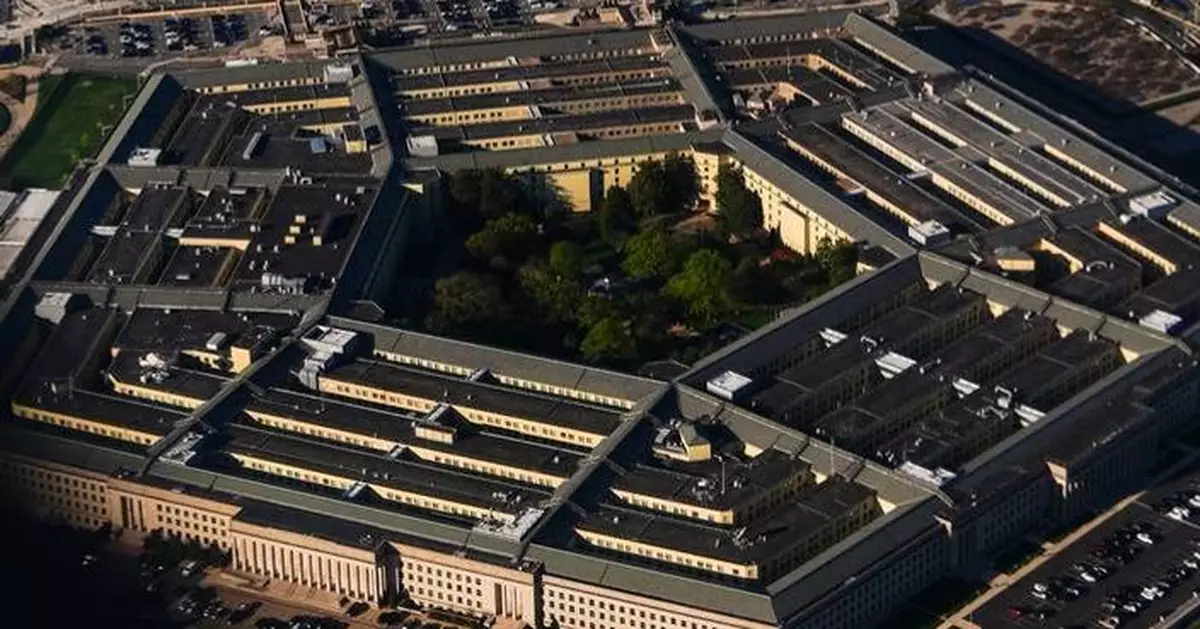
Pentagon officials didn’t immediately respond to an email seeking comment. The Pentagon building serves as the headquarters for U.S. military operations.
Times attorney Theodore Boutrous said Thursday's ruling “powerfully vindicates both the Court’s authority and the First Amendment’s protections of independent journalism.”
In October, reporters from mainstream news outlets walked out of the building rather than agree to the new rules. The Times sued the Pentagon and Hegseth in December to challenge the policy.
President Donald Trump has fought against the press on several levels since returning to his second term, suing The Times and Wall Street Journal, and cutting funding for public radio and television because he did not like their coverage. At the same time, he frequently talks to the media and responds to reporters who call him on his cell phone.
In a series of briefings on the Iran War, Hegseth has frequently ignored or insulted legacy media reporters let in to cover the events, while concentrating on questions from friendly conservative media.
Times attorneys accused the Pentagon of violating the judge’s March 20 order, “both in letter and spirit” with its revised policy. The newspaper said that Pentagon was also trying to impose unprecedented rules dictating when reporters can offer anonymity to sources.
Friedman said that the access the Pentagon made available to permit holders “is not even close to as meaningful as the broad access” they previously had.
Government lawyers said the Pentagon’s revised policy fully complies with the judge’s directives. Pentagon spokesperson Sean Parnell has said the administration would appeal Friedman’s March 20 decision.
The Pentagon Press Association, which includes Associated Press reporters, said the Pentagon’s interim policy preserves provisions that Friedman deemed to be unconstitutional while also adding new restrictions on credential holders.
“In effect," Justice Department attorneys wrote, “Plaintiffs ask this Court to expand the Order to prohibit the Department from ever addressing the security of the Pentagon through a press credentialing policy with conditions that may address similar topics or concerns as the enjoined conditions. The Order does not say that, and this Court should not read it to say that.”
The current Pentagon press corps is comprised mostly of conservative outlets that agreed to the policy. Journalists from outlets that refused to consent to the new rules, including from the AP, have continued reporting on the military from outside the Pentagon.
Friedman, who was nominated to the bench by Democratic President Bill Clinton, said recent U.S. military operations in Venezuela and Iran underscore the need for public access to information about government activities.
“Those who drafted the First Amendment believed that the nation’s security requires a free press and an informed people and that such security is endangered by governmental suppression of political speech. That principle has preserved the nation’s security for almost 250 years. It must not be abandoned now,” the judge wrote last month.
Friedman said the challenged policy is clearly designed to weed out “disfavored journalists” and replace them with those who are “on board and willing to serve” the administration.
“That," he wrote, “is viewpoint discrimination, full stop.”
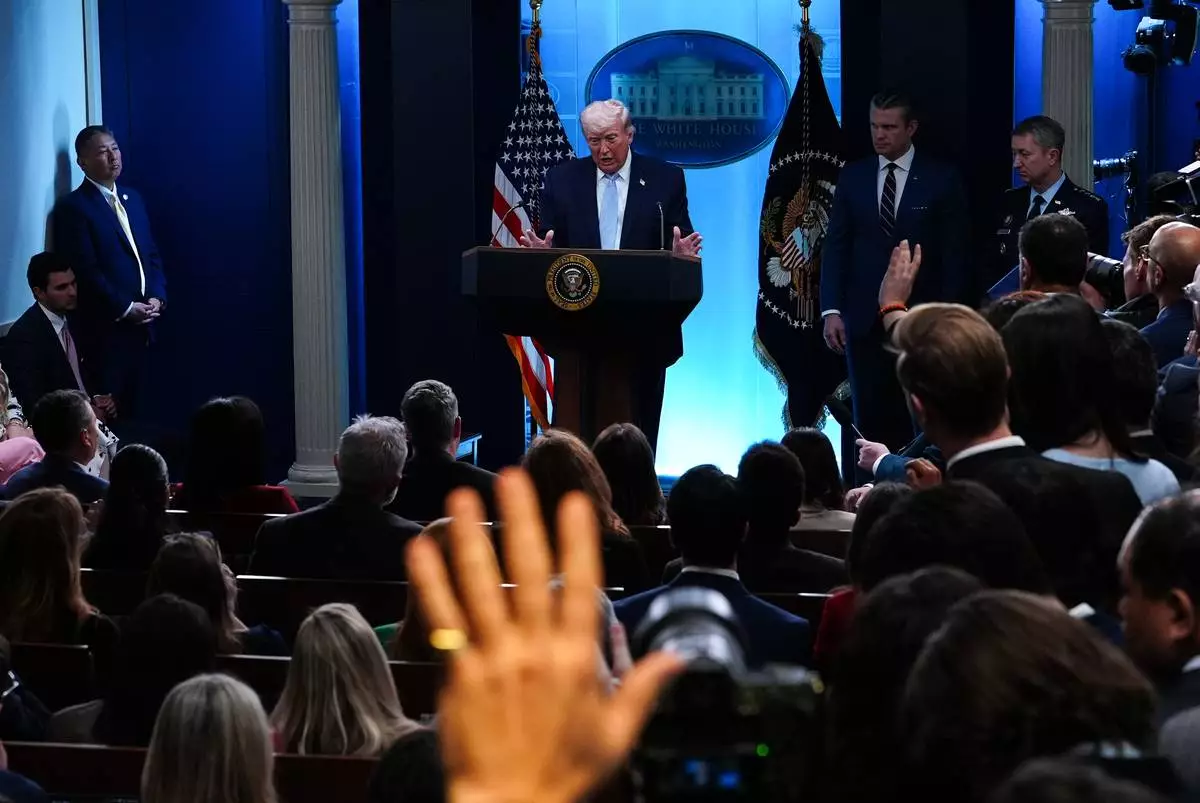
President Donald Trump, accompanied by Defense Secretary Pete Hegseth and Chairman of the Joint Chiefs of Staff Gen. Dan Caine, speaks with reporters in the James Brady Press Briefing Room at the White House, Monday, April 6, 2026, in Washington. (AP Photo/Julia Demaree Nikhinson)
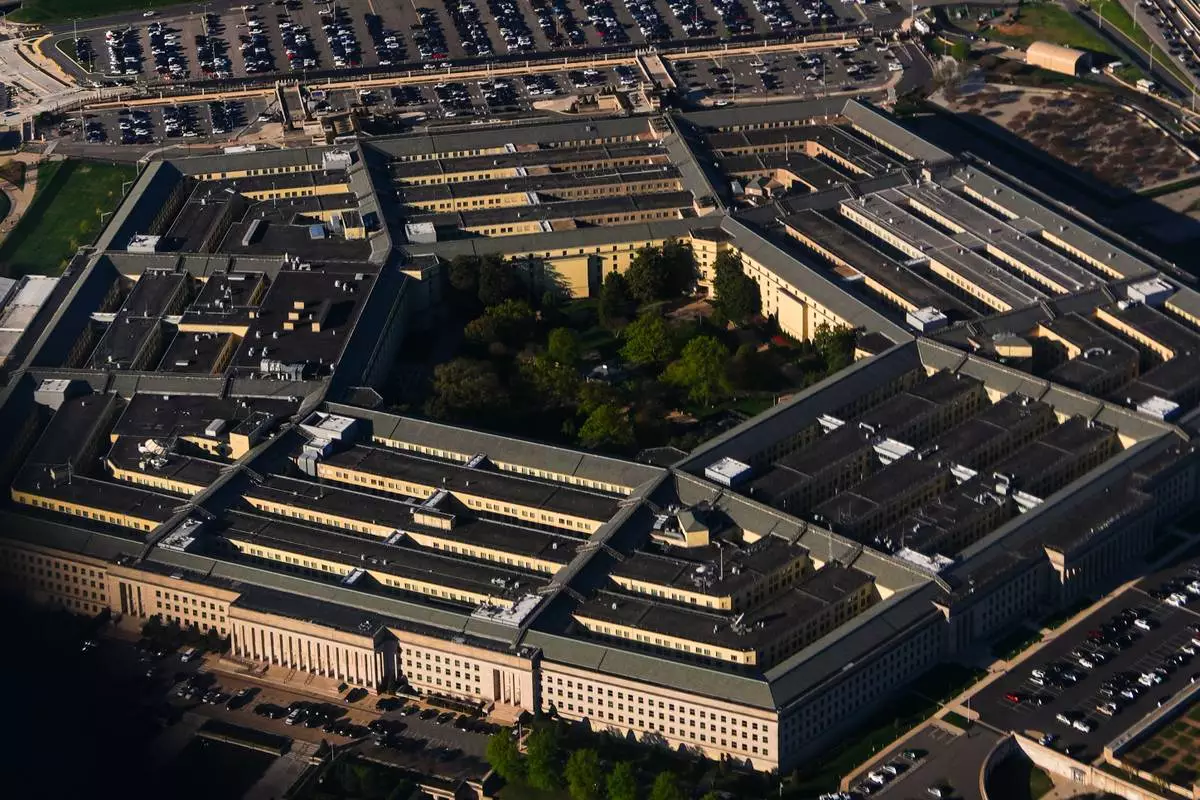
The Pentagon is seen from an airplane, Tuesday, April 7, 2026, in Washington. (AP Photo/Julia Demaree Nikhinson)
DUBAI, United Arab Emirates (AP) — U.S. President Donald Trump appears to be casting doubt on the effectiveness of the ceasefire that has halted the Iran war.
“Iran is doing a very poor job, dishonorable some would say, of allowing Oil to go through the Strait of Hormuz,” he wrote on his social media site Thursday evening. “That is not the agreement we have!”
The post came after Trump posted earlier that “There are reports that Iran is charging fees to tankers going through the Hormuz Strait — They better not be and, if they are, they better stop now!”
The White House supports reopening the strait as part of the ceasefire deal, but says that Trump opposes Iran’s military, which continues to control the waterway, from seeking to raise revenue by charging tolls on passing ships.
THIS IS A BREAKING NEWS UPDATE. AP’s earlier story follows below.
DUBAI, United Arab Emirates (AP) — In a potential boost to Middle East ceasefire efforts, Israeli Prime Minister Benjamin Netanyahu said Thursday that he authorized direct negotiations with Lebanon “as soon as possible” aimed at disarming Iranian-backed Hezbollah militants and establishing relations between the neighbors.
The two countries have technically been at war since Israel was established in 1948, and Netanyahu later stressed that there was no ceasefire between them. In a video statement, he said Israel will keep striking Hezbollah until security is restored in northern Israel.
There was no immediate response from Lebanon. But Israel-Lebanon negotiations were expected to begin next week at the State Department in Washington, according to a U.S. official and a person familiar with the plans, who spoke on condition of anonymity due to the delicacy of the matter.
The prospect of talks appeared to bolster the tentative ceasefire in the Iran war that has staggered under the weight of Israel’s bombardment of Beirut, Tehran’s continued chokehold on the Strait of Hormuz and uncertainty over whether talks can find common ground.
U.S. President Donald Trump said Thursday that he was “very optimistic” about the prospects of reaching a peace deal, saying Iranian leaders are more amenable in private conversations than in their public statements.
Netanyahu's announcement came amid disagreement over whether the ceasefire deal included a pause in fighting between Israel and Hezbollah, and a day after Israel pounded Beirut with airstrikes, the deadliest day in Lebanon since the war began Feb. 28.
Israel has fought multiple wars and launched several major invasions of Lebanon over the years, most recently sending in troops last month in response to Hezbollah fire on Israel’s northern border communities.
The launch of direct peace talks is a significant achievement, though reaching an agreement will be difficult after decades of hostilities, Hezbollah’s continued presence and longstanding disagreements over the countries' shared land border.
The talks in Washington are expected to be handled on the American side by the U.S. ambassador to Lebanon, Michel Issa, and on the Israeli side by the Israeli ambassador to the U.S., Yechiel Leiter, according to the person familiar with the planning.
It was not immediately clear who would represent Lebanon.
The timing and location of the talks was first reported by Axios.
After declaring victory with the ceasefire announcement, both Iran and the U.S. appeared to apply pressure on each other. Semiofficial news agencies in Iran suggested forces have mined the Strait of Hormuz, a crucial waterway for oil that Tehran has closed. Trump warned that U.S. forces would hit Iran harder than before if it did not fulfill the agreement.
Questions also remained over what will happen to Iran’s stockpile of enriched uranium at the heart of tensions, how and when normal traffic will resume through the strait, and what happens to Iran’s ability to launch future missile attacks and support armed proxies in the region.
Iranian President Masoud Pezeshkian said in a message on Telegram that Iran's decision to accept a ceasefire was made unanimously by senior government leaders and approved by the supreme leader. He said the ceasefire “is not a sign of weakness but a way to solidify Iran’s proud victories."
Despite disputes over the ceasefire, it appears to have halted weeks of missile and drone attacks by Iran on its Gulf Arab neighbors and Israel, with no new launches reported Thursday. There were no reports of strikes by the U.S. or Israel targeting Iran.
Iran’s parliament speaker, Mohammad Bagher Qalibaf, warned in a social media post Thursday that continued Israeli attacks on the Iran-backed Hezbollah militant group in Lebanon would bring “explicit costs and STRONG responses.”
Qalibaf has been discussed as a possible negotiator who could meet U.S. Vice President JD Vance this weekend in Islamabad. The White House has said Vance would lead the delegation for talks starting Saturday.
Iran had said Israel's ongoing attacks on Hezbollah were violating the ceasefire agreement. Netanyahu and Trump have said they were not.
Trump said Thursday that he asked Netanyahu to dial back the strikes in Lebanon.
“I spoke with Bibi, and he’s going to low-key it. I just think we have to be sort of a little more low-key,” Trump told NBC News.
Hours before Netanyahu authorized the negotiations with Lebanon, he said Israel would continue striking militants in the country “with force, precision and determination."
Lebanon’s health ministry said more than 300 people were killed and more than 1,100 wounded Wednesday by Israeli strikes on central Beirut and other areas of Lebanon that Israel said targeted Hezbollah, which joined the war in support of Tehran.
Israel said Thursday it killed an aide to Hezbollah leader Naim Kassem, Ali Yusuf Harshi. Hezbollah did not immediately respond to a request for comment.
A New York-based think tank warned the ceasefire “ hovers on the verge of collapse ” following Israel's strikes Wednesday.
Lebanon’s state-run National News Agency reported that an Israeli strike overnight killed at least seven people in southern Lebanon. The Israeli military did not immediately acknowledge the strike.
Semiofficial news agencies in Iran published a chart Thursday suggesting the country’s paramilitary Revolutionary Guard put sea mines into the Strait of Hormuz during the war — a message that may be intended to pressure the United States.
The chart, released by the ISNA news agency and Tasnim, showed a large circle marked “danger zone” in Farsi over the route ships take through the strait, through which 20% of all traded oil and natural gas once passed.
Only a trickle of ships have transited since the war began after several were attacked, and Iran threatened to hit any that it deemed connected to the U.S. or Israel. Ships appeared to continue to avoid the strait even after the ceasefire.
The chart suggested that ships travel through waters closer to Iran’s mainland near Larak Island, a route some ships were observed taking during the war. It was dated from Feb. 28 until April 9, and it was unclear if the Guard had cleared any mines since then.
Iran’s deputy foreign minister, Saeed Khatibzadeh, told the BBC that his country will allow ships to pass through the strait in accordance with “international norms and international law” once the United States ends its “aggression” in the Middle East and Israel stops attacking Lebanon.
The head of the United Arab Emirates’ major oil company, Sultan al-Jaber, said some 230 ships loaded with oil were waiting to get through the strait and must be allowed "to navigate this corridor without condition.”
The strait’s de facto closure has caused oil prices to skyrocket — affecting the cost of gasoline, food and other basics far beyond the Middle East. The spot price of Brent crude, the international standard, was around $98 Thursday, up about 35% since the war began.
The fate of Iran’s missile and nuclear programs — which the U.S. and Israel sought to eliminate in going to war — was unclear. The U.S. insists Iran must never be able to build nuclear weapons and wants to remove Tehran’s stockpile of highly enriched uranium, which could be used to build them. Iran insists its program is peaceful.
Trump said Wednesday that the U.S. would work with Iran to remove the uranium, buried in last year's U.S. and Israeli strikes, though Iran did not confirm that. In one version of the ceasefire deal that Iran published, it said it would be allowed to continue enrichment.
The chief of Iran’s nuclear agency, Mohammad Eslami, said Thursday that protecting Tehran’s right to enrich uranium is “necessary” for any ceasefire talks.
Corder reported from The Hague, Netherlands. Becatoros reported from Athens, Greece. Associated Press writers Chan Ho-him in Hong Kong, Zeke Miller, Will Weissert and Matthew Lee in Washington, Hannah Schoenbaum in Salt Lake City and Kareem Chehayeb and Hussein Malla in Beirut contributed to this report.
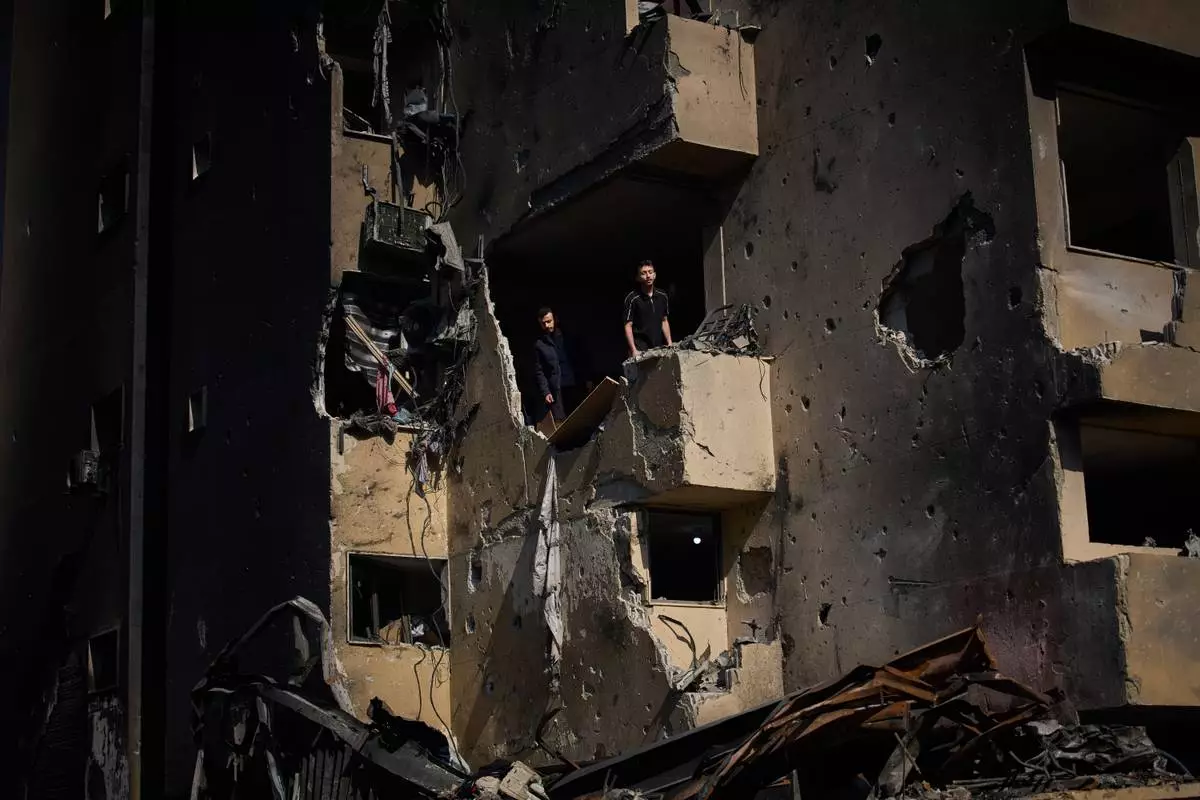
Men inspect the damage to their home destroyed in an Israeli airstrike a day earlier in Beirut, Lebanon, Thursday, April 9, 2026. (AP Photo/Emilio Morenatti)
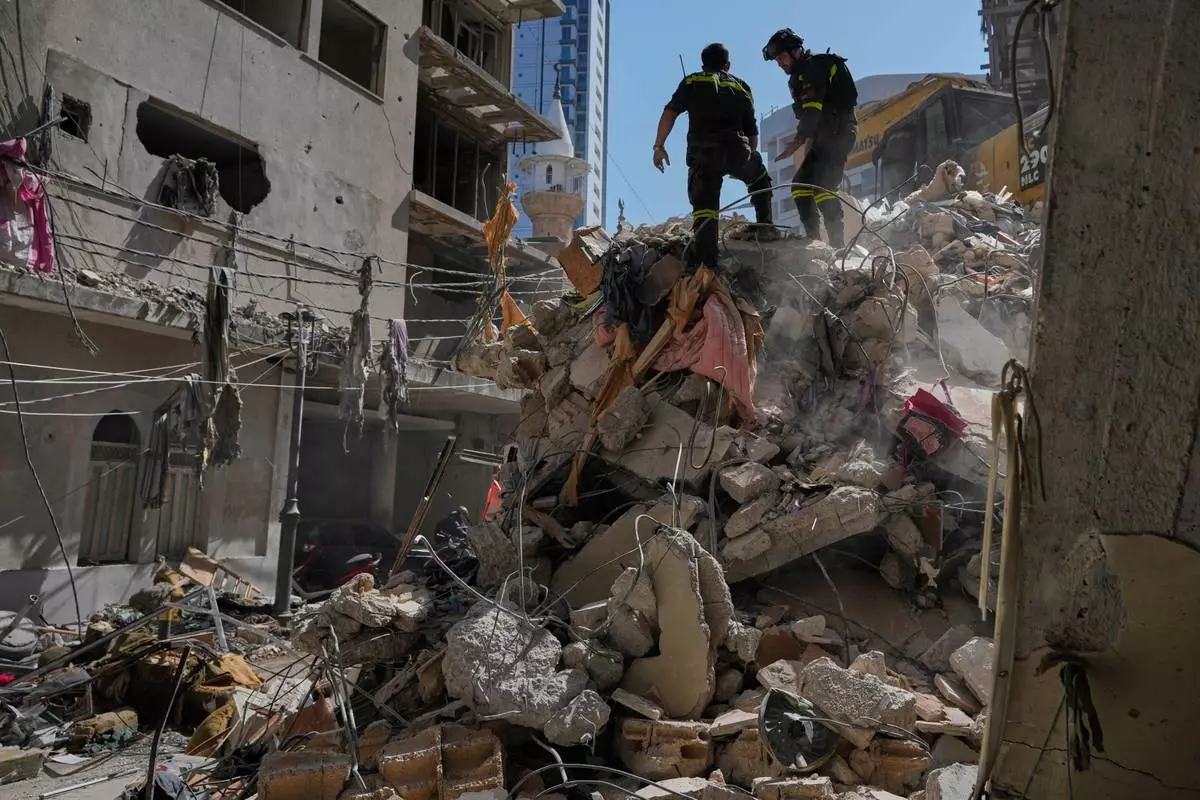
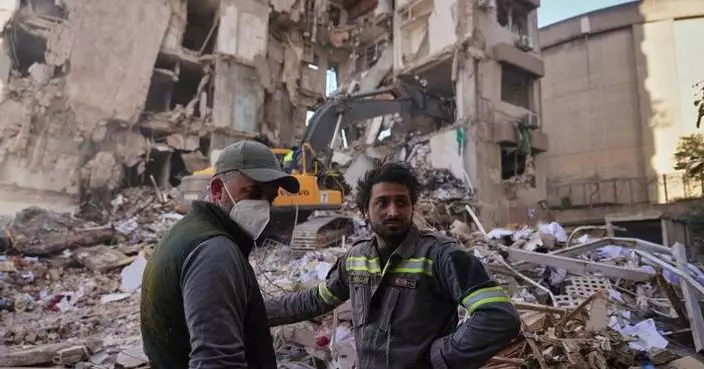
Lebanese civil defense workers inspect the rubble at the site of a building destroyed in an Israeli airstrike a day earlier in Beirut, Lebanon, Thursday, April 9, 2026. (AP Photo/Hussein Malla)
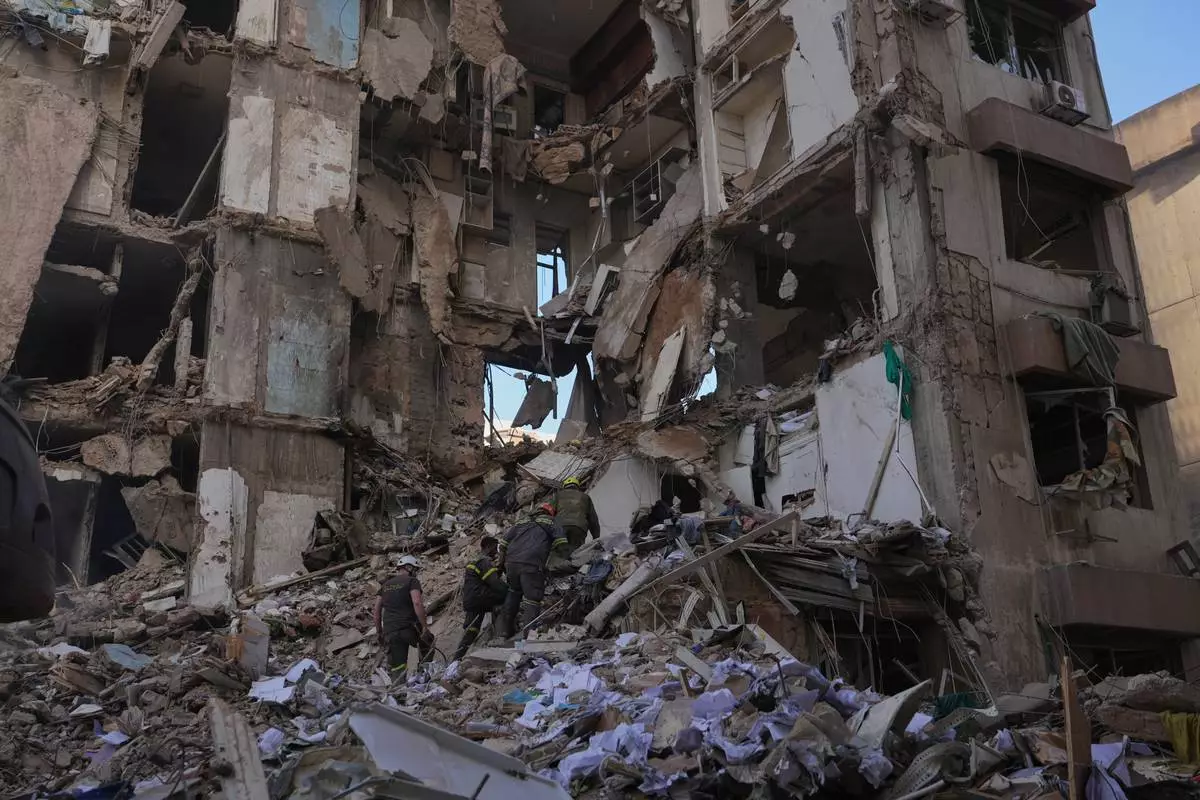
Lebanese civil defense workers search for victims in the rubble of a building destroyed in an Israeli airstrike a day earlier in central Beirut, Lebanon, Thursday, April 9, 2026. (AP Photo/Hassan Ammar)
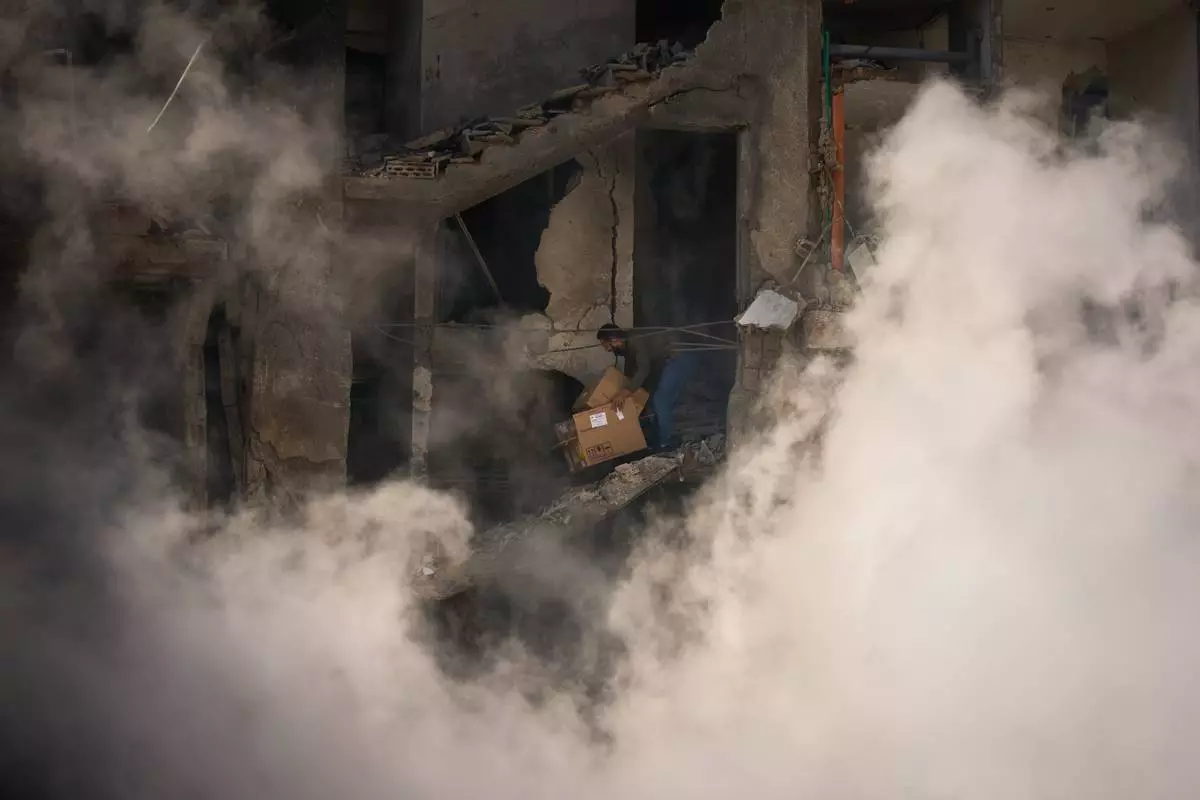
A man gathers his belongings from his home, which has been destroyed in an Israeli airstrike a day earlier in Beirut, Lebanon, Thursday, April 9, 2026. (AP Photo/Emilio Morenatti)
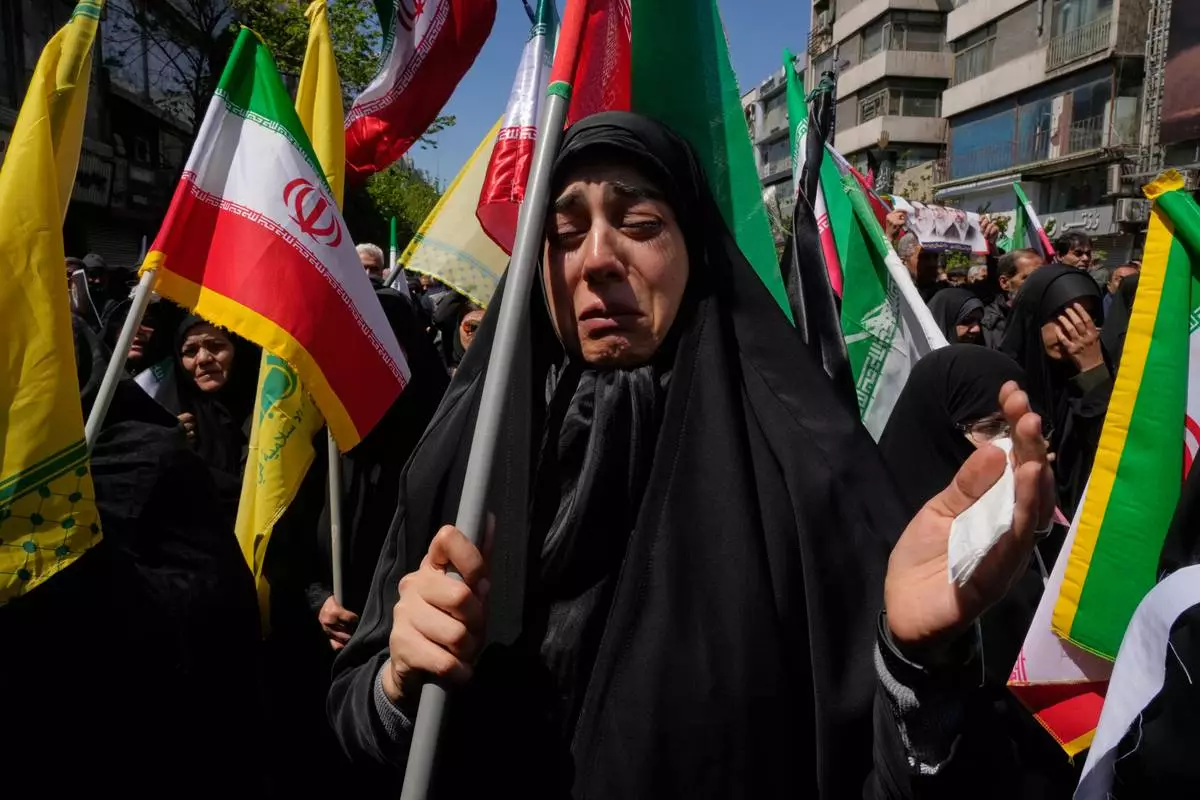
A government supporter weeps during a mourning ceremony marking the 40th day since the death of Iranian Supreme Leader Ayatollah Ali Khamenei, who was killed in the U.S. and Israel strikes in Tehran, Iran, Thursday, April 9, 2026. (AP Photo/Vahid Salemi)
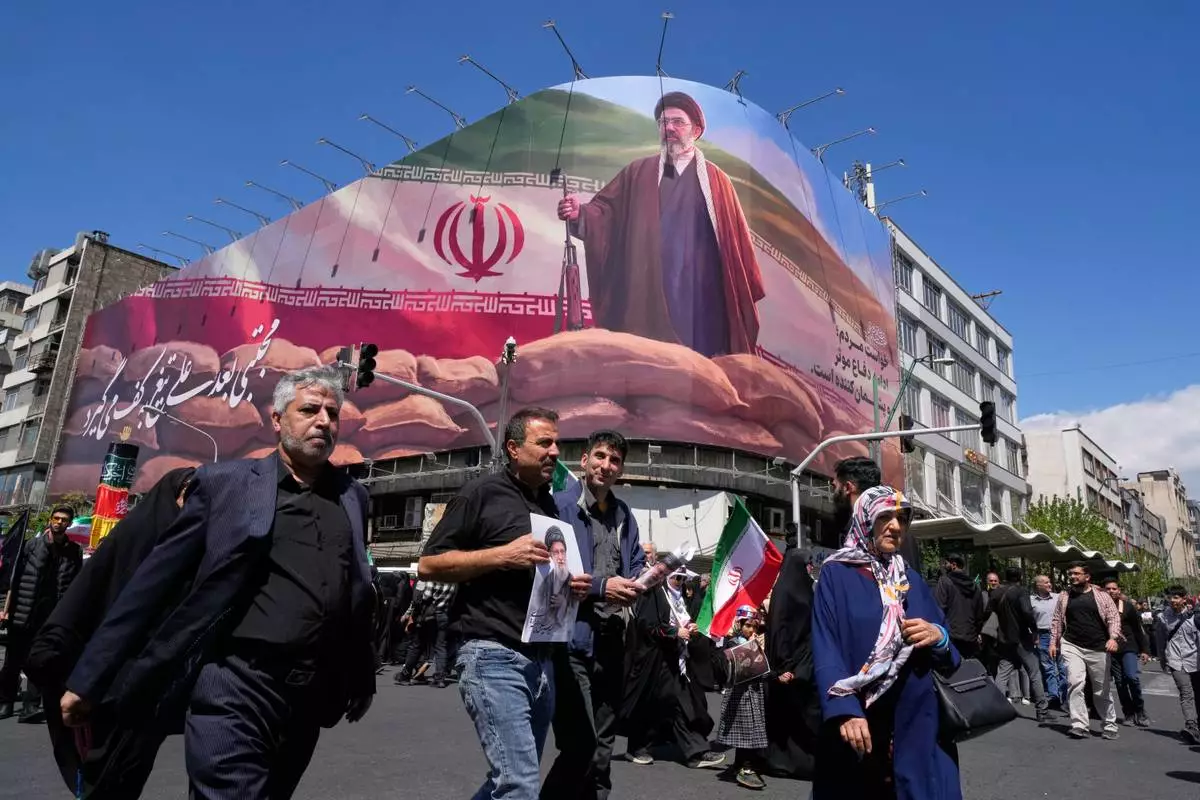
Government supporters walk past a billboard depicting Iran's Supreme Leader Mojtaba Khamenei as they gather to mark the 40th day since the killing of his father, slain Supreme Leader Ayatollah Ali Khamenei, in Tehran, Iran, Thursday, April 9, 2026. (AP Photo/Vahid Salemi)
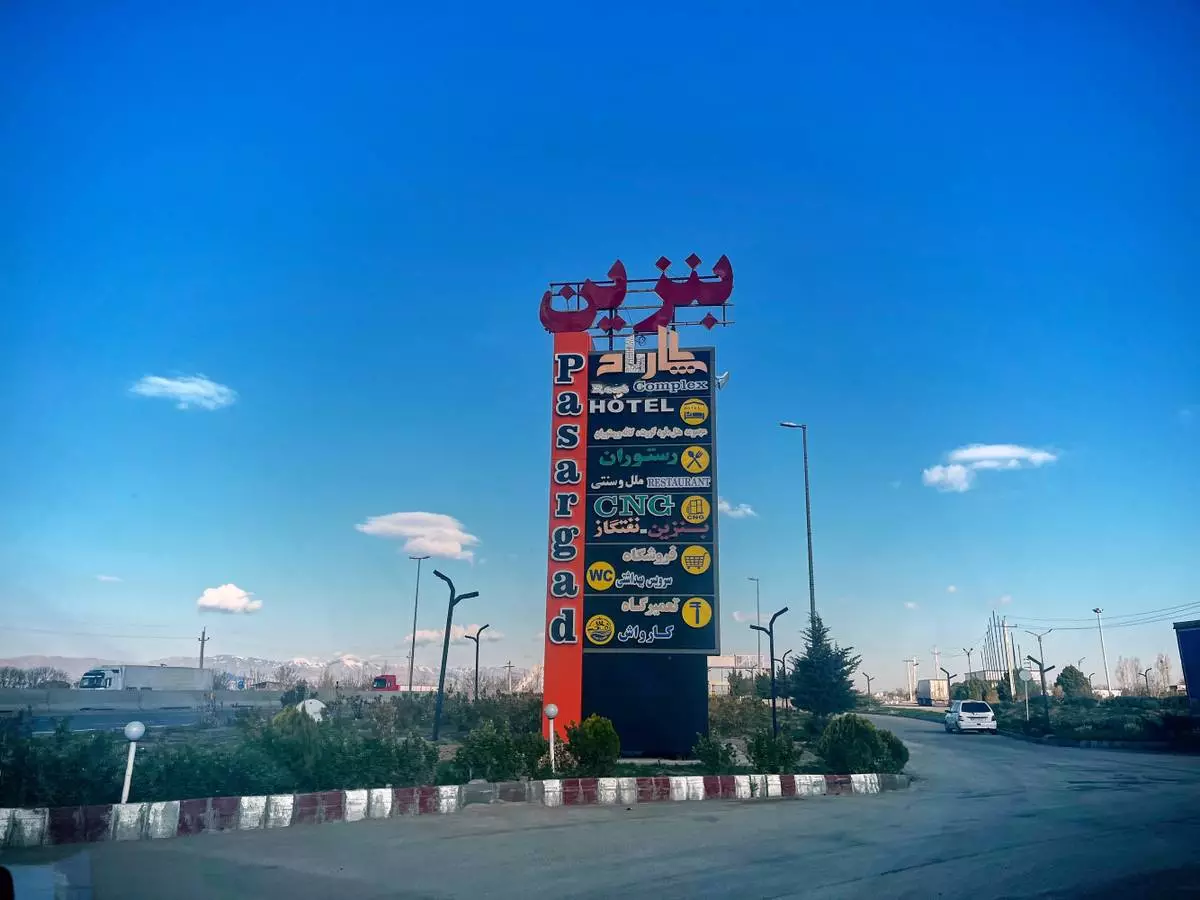
A sign for a roadside hotel is seen on Road 2 near Golhahr, Iran, Thursday, April 9, 2026. (AP Photo/Francisco Seco)
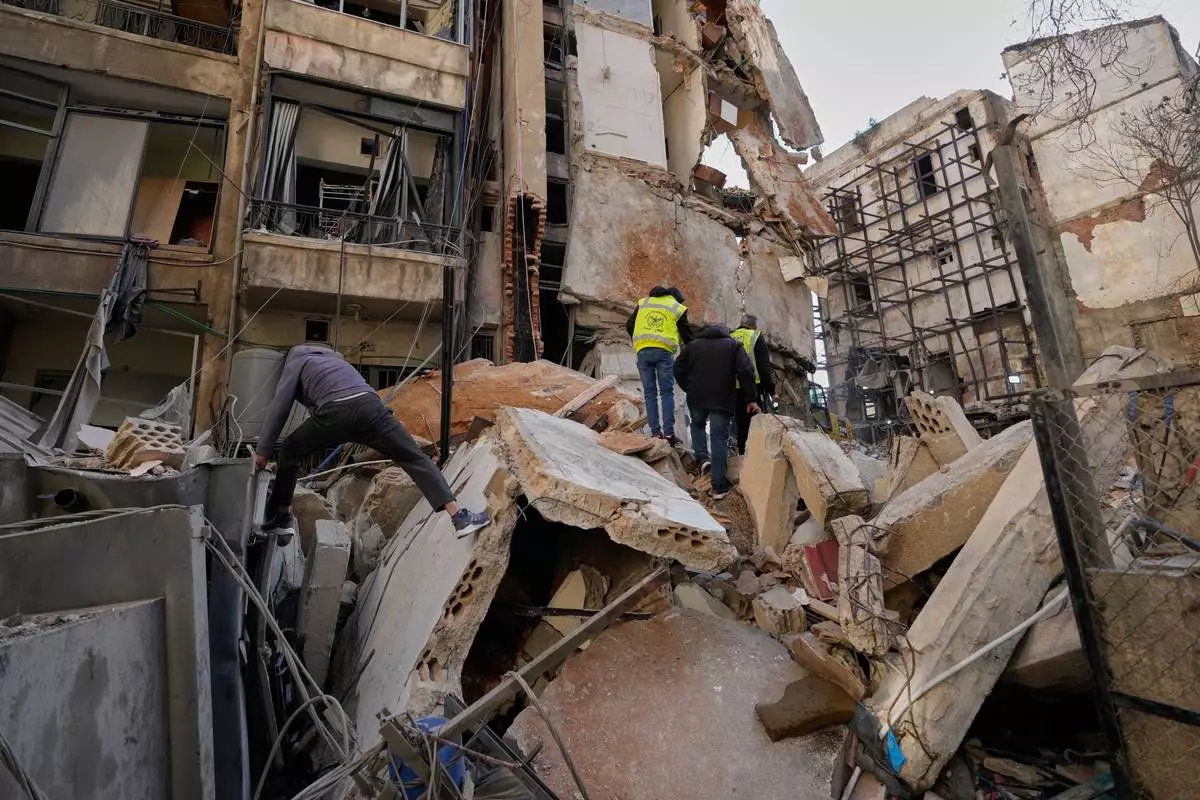
People inspect the rubble of a building destroyed in an Israeli airstrike a day earlier in Beirut, Lebanon, Thursday, April 9, 2026. (AP Photo/Hussein Malla)
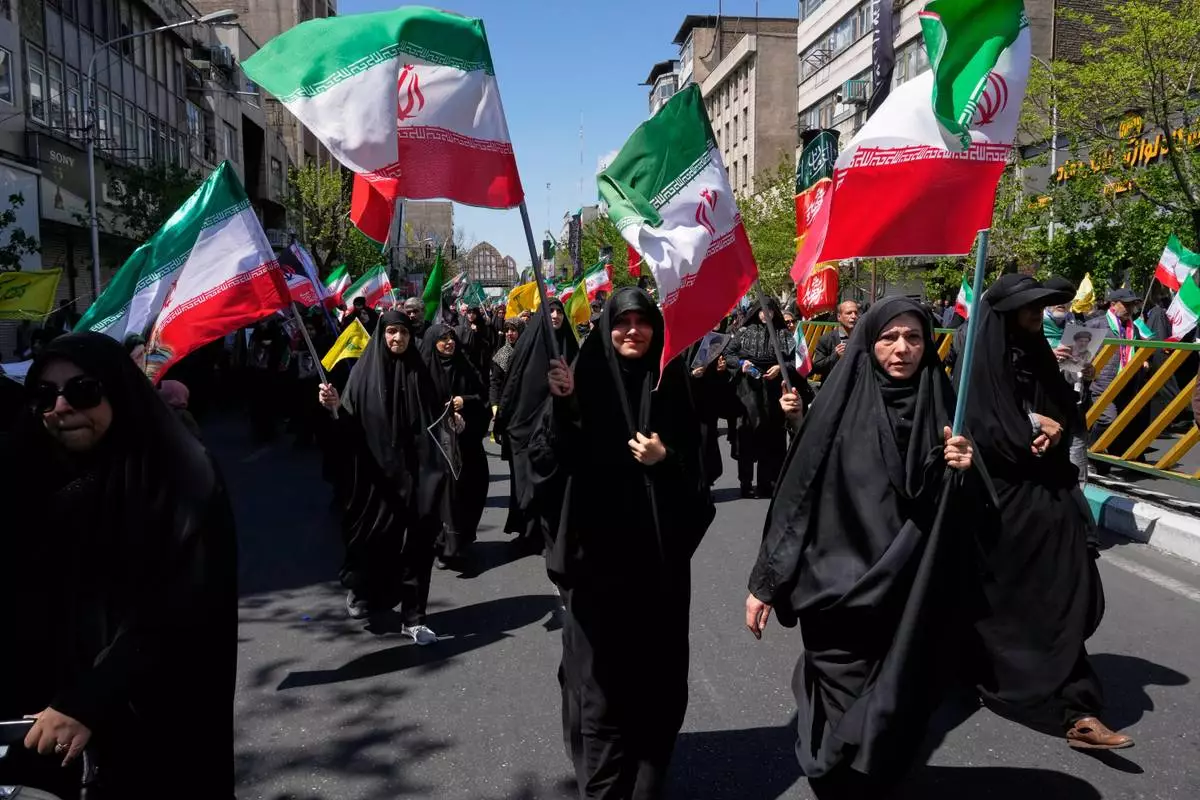
Government supporters gather to mark the 40th day since the death of Supreme Leader Ayatollah Ali Khamenei in Tehran, Iran, Thursday, April 9, 2026. (AP Photo/Vahid Salemi)
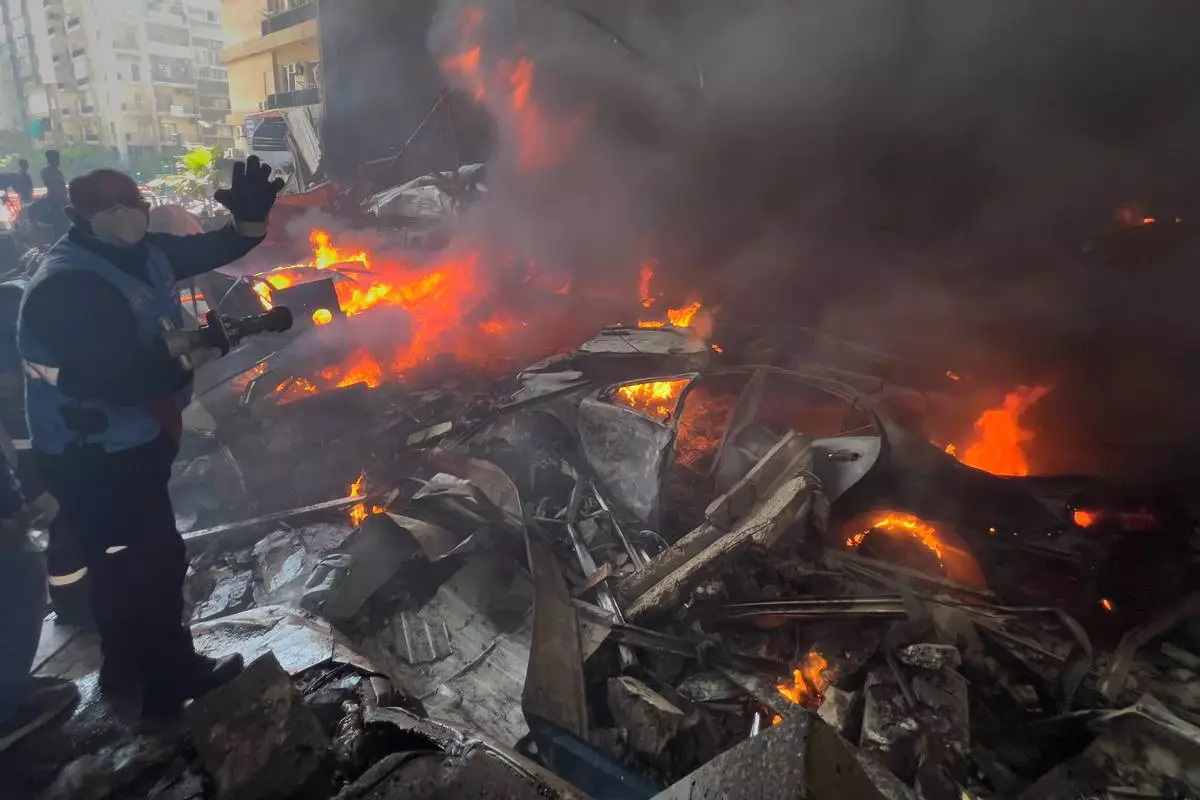
A rescue worker extinguishes burning cars at the site of an Israeli airstrike in central Beirut, Lebanon, Wednesday, April 8, 2026. (AP Photo/Hussein Malla)
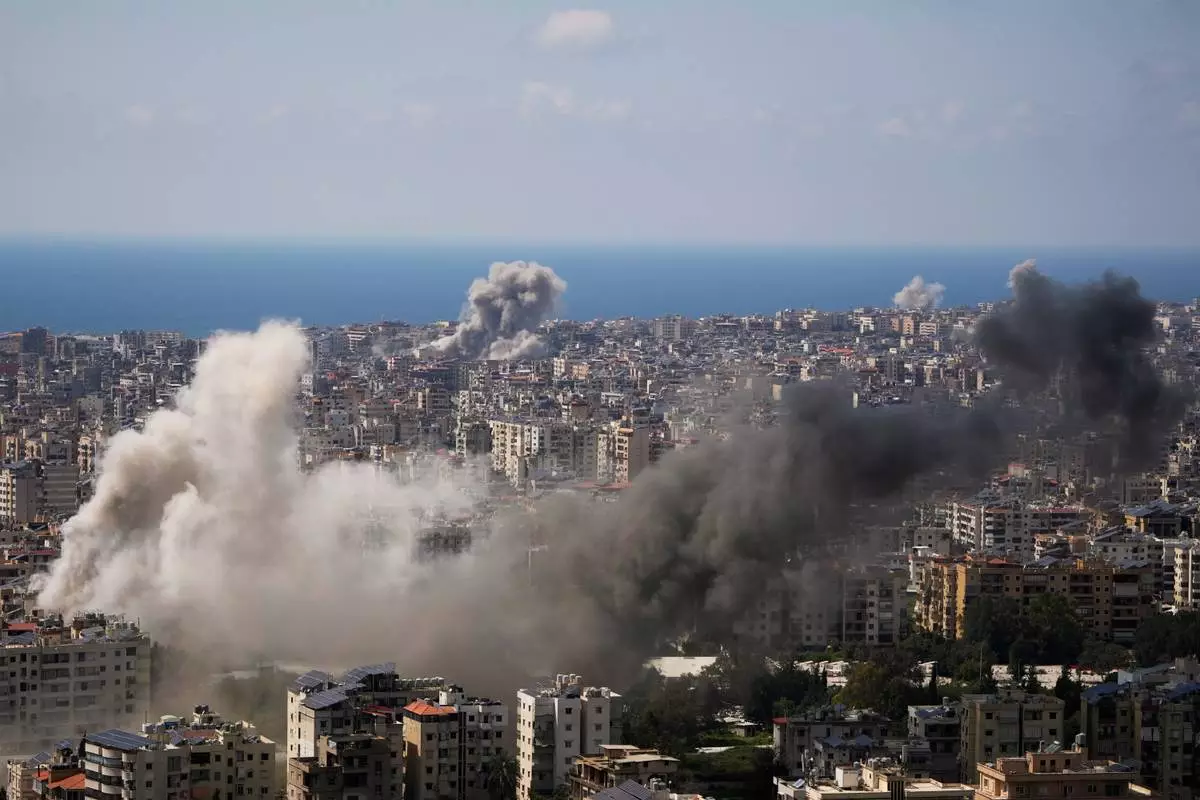
Smoke rises following several Israeli airstrikes in Beirut, Lebanon, Wednesday, April 8, 2026. (AP Photo/Hassan Ammar)
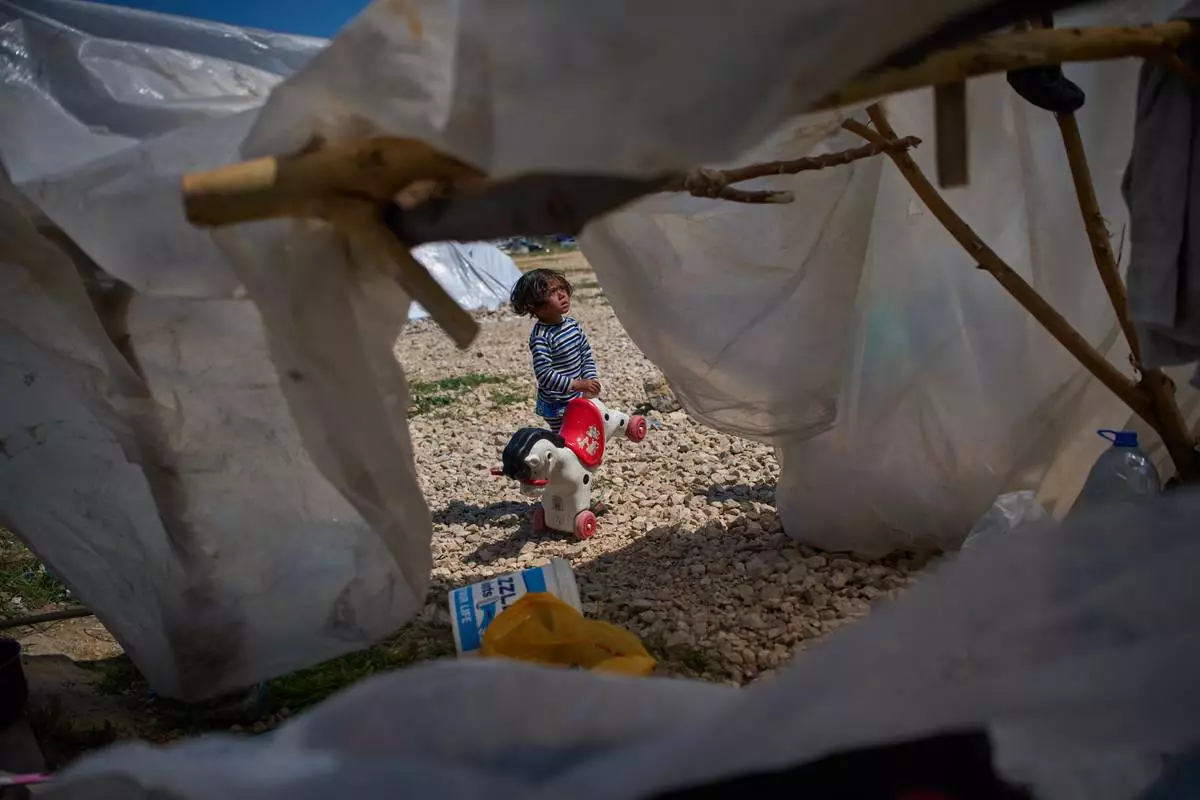
Ali, 4, holds a toy horse next to the tent his family uses as a shelter after fleeing Israeli bombardment in southern Lebanon, in Beirut, Lebanon, Wednesday, April 8, 2026. (AP Photo/Emilio Morenatti)
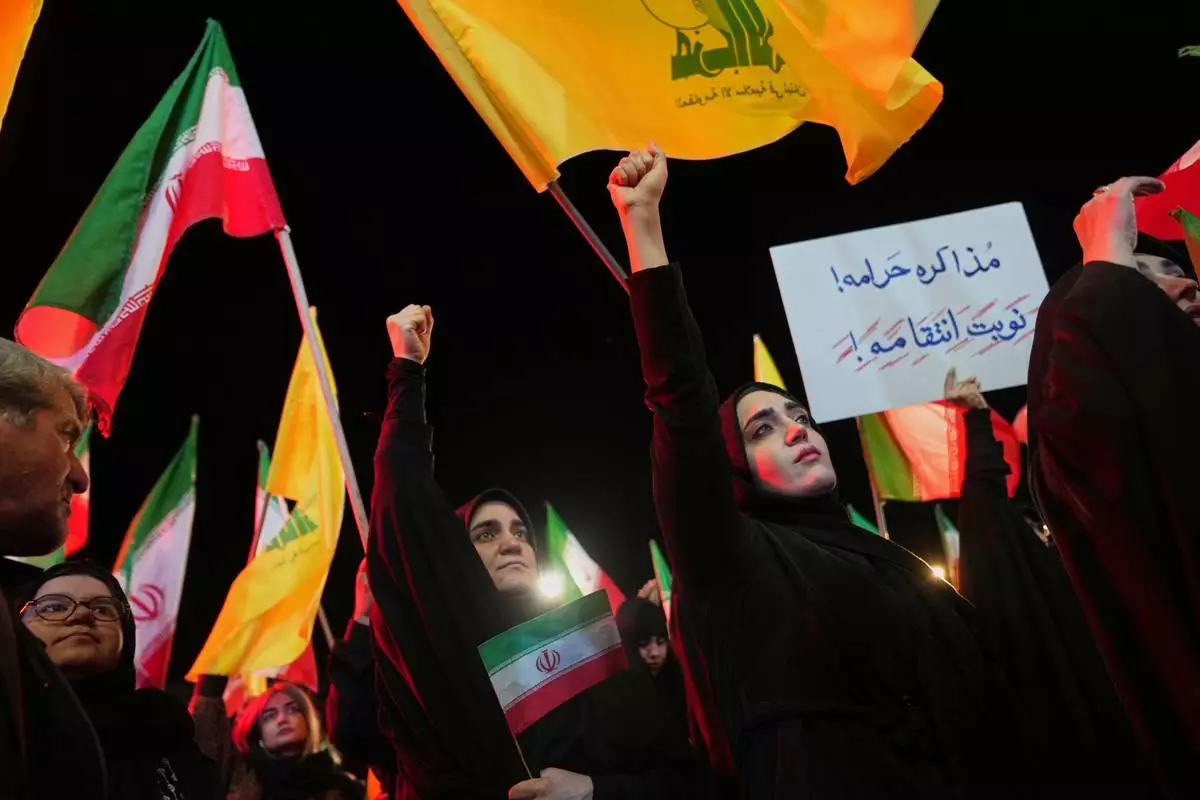
Government supporters gather ahead of the funeral procession for Maj. Gen. Majid Khademi, head of intelligence for Iran's paramilitary Revolutionary Guard, in Tehran, Iran, Wednesday, April 8, 2026. (AP Photo/Francisco Seco)
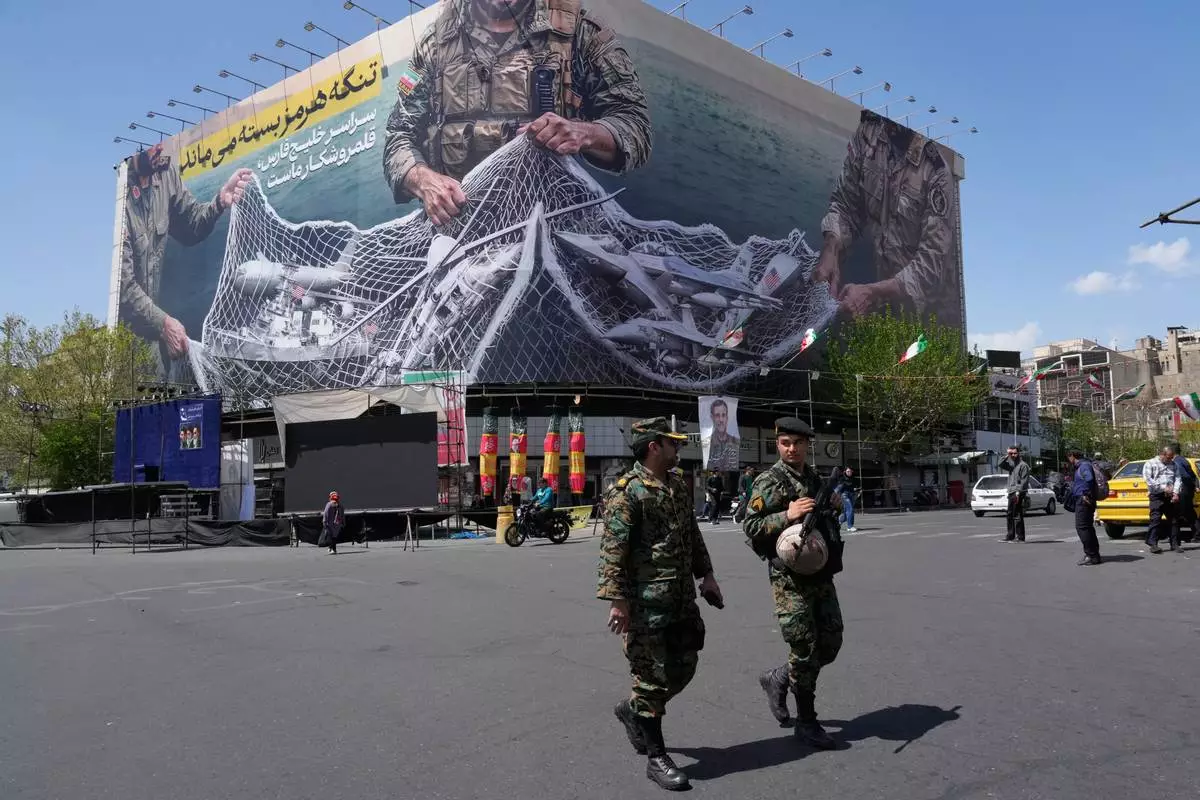
FILE - Two police officers walk in front of an anti-U.S. billboard depicting American aircraft being caught by Iranian armed forces in a fishing net beneath the words in Farsi, "The Strait of Hormuz will remain closed, The entire Persian Gulf is our hunting ground," in Tehran, Iran, Sunday, April 5, 2026. (AP Photo/Vahid Salemi, File)