Malaysia's petrol subsidy bill has surged sharply due to the ongoing U.S.-Israel-Iran conflict, even as the government maintains price controls to shield consumers from rising energy costs.
Analysts say that alongside China, Malaysia is likely to be the most resilient country in Asia in dealing with the economic impact of the war in Iran. Aside from its solid growth and fiscal position, Malaysia is a net energy exporter due to its natural gas production.
However, it remains a net importer of oil, and the government is sticking to a subsidy policy that will quickly become a financial burden, unless oil prices return to pre-war levels.
The government has for decades subsidized the price of petrol, and in the face of the price surge, it has held the price of petrol firm for Malaysians at around 50 cents a liter.
"Without the subsidies it's going to be very tough for us. We are very privileged to be in Malaysia. It's helpful for students, for working adults. It's very beneficial for everyone actually," said Rishanth Rajendran, a Malaysian data science student.
Last September, Malaysia's government launched a new system where Malaysians use their identity cards to buy petrol at a subsidized price, whereas foreigners – including visitors, migrant workers, expats and permanent residents – pay the full price.
Given the gap between the subsidized price and the full price, the government is currently paying more than half the cost for Malaysians to fill up their vehicles.
"If that's just for a month, then okay, from a fiscal perspective you can get through that. But if that starts going on for three, four, five months, then that starts to become a problem. The government's going to have to find the money, either through raising taxes, cutting spending or borrowing," said economist Geoffrey Williams.
Moreover, even with the current level of fuel subsidies, costs of food, inputs for industry, and other products are set to rise.
"The government has indicated that the subsidies will continue at the present rate until May. So, we do have one or two months to really prepare the economy, as well as the population, to brace for more severe shocks. So it's more like a gradual approach," said Prof. Yeah Kim Leng, economic advisor to Malaysian Prime Minister.
As long as petrol prices remain so low, there's little incentive for Malaysians to drive less and conserve fuel, and the Malaysian government will be hoping for calm in the Gulf so it won't have to make the tough, no doubt unpopular choice to cut the fuel subsidies that its citizens have so long enjoyed.
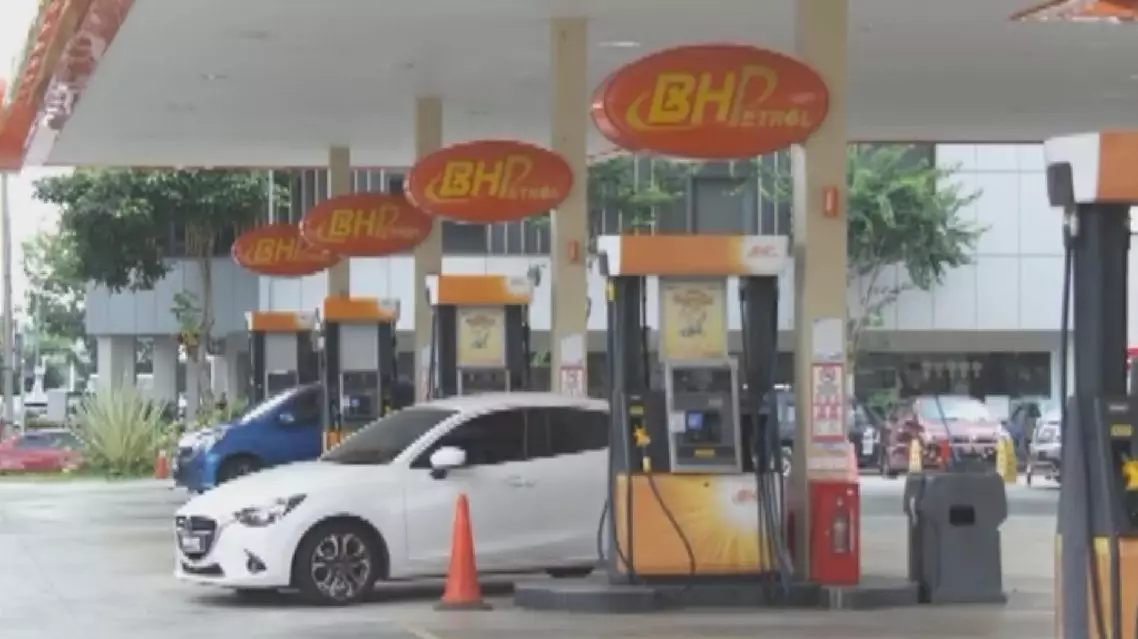
Malaysia's petrol subsidy bill soars, authorities keep price pegged to curb costs