Addressing differences through diplomatic means is the ultimate answer for the Iran situation despite the lack of outcome from the just-concluded U.S.-Iran negotiations in Pakistan, according to a Chinese scholar on Sunday.
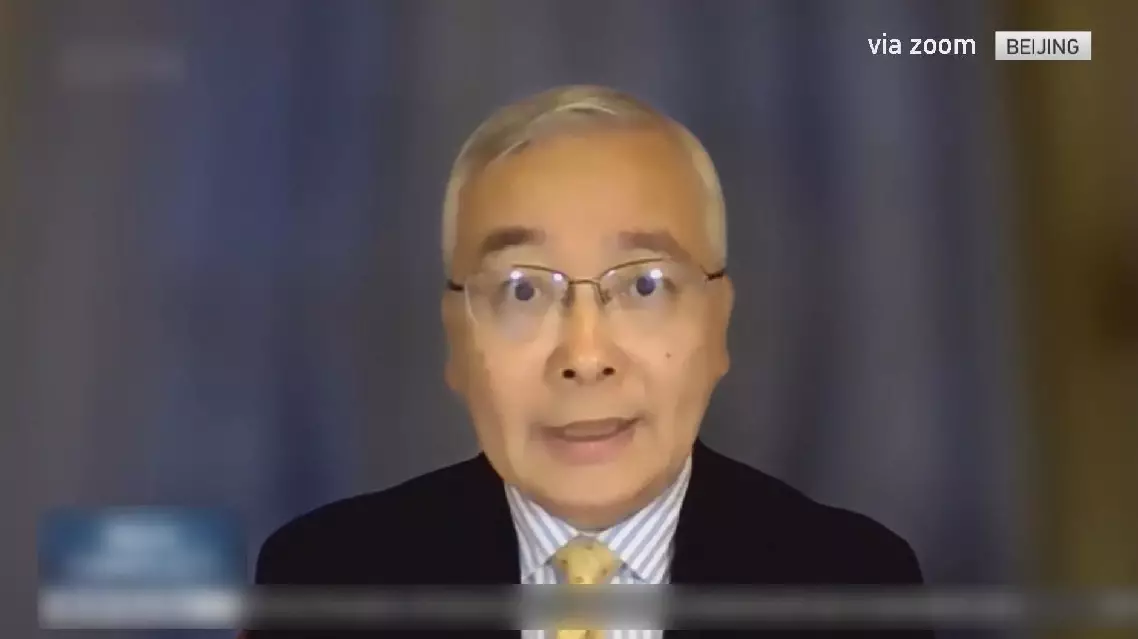
Rong Ying, a senior research fellow at the China Institute of International Studies, made the remarks after the conclusion of the negotiations in Islamabad early Sunday, when both sides failed to bridge big differences over nuclear issues, the Strait of Hormuz, and sanctions relief.
"Iranian press reports that despite some positive progress and a positive atmosphere, the sticking point is the nuclear issues, which is, of course, an old issue that has been dividing the United States and Iran for so many years. Behind that divide is the deep-rooted distrust between the United States and Iran. And I think that has been aggravated by the recent military strikes by the United States and Israel when the negotiations were going on. So the divide remains, and talks are important, but I think the magnitude and the complexities prevented the two sides from reaching a deal," he told China Global Television Network (CGTN).
Rong expected the negotiation process to continue, saying it is the international community's expectation.
"There are signs, at least from the Pakistani side, that the two sides may keep the line of communication open, and there are, of course, expectations and hope from the international community, regional countries in particular, that within the next crucial 10 days the two governments would come up with something that would continue this process," said Rong.
Some analysts believe that the U.S. and Israel may have won the battle but may have also lost political and strategic leverage over Iran, saying that Iran has discovered that it has more leverage than it realized before.
Rong warned that neither side should play games to gain the upper hand, stressing that a political resolution is the final answer for both countries.
"It can be argued that Iran, as a weaker party, has some upper hand, has some leverage. Having said that, I think in military conflicts like that, nobody, neither side would be a winner; everybody would be a loser. But the most important thing I think is the regional countries and the international community as a whole do not want to see that conflict going on. So neither side should play off, or play that game to see who is in the upper hand. After all, I think coming to the table and finding a way to address their differences politically through diplomatic means is their last answer," said Rong.
Political resolution ultimate answer for Iran situation: Chinese scholar