China is completing a research system for embryonic development in orbit spanning from lower vertebrates to higher mammals in a bid to decode how space environments affect reproduction and lay the groundwork for future long-term human habitation in space.
As space exploration pushes further into the cosmos, whether life can be nurtured in space has become a key question for scientists, because any long-term human presence in space -- or eventual interstellar migration -- will require solving the challenges of reproduction and health maintenance beyond Earth.
To this end, Chinese researchers have designed a comprehensive research system to study the development of zebrafish embryos, mouse embryos, and artificial embryos derived from stem cells, covering lower vertebrates, lower mammals, and higher mammals.
On Monday morning, China sent payloads for five space life science experiments to its space station aboard the Tianzhou-10 cargo craft, targeting critical issues such as how the space environment damages early-stage mammalian embryos, the regulatory mechanisms behind bone loss and myocardial changes under microgravity, and the construction and development of artificial human embryos in space.
The human embryo research of the latest mission will be the finishing touch to build the research system, according to Li Tianda, associate researcher at the Institute of Zoology, Chinese Academy of Sciences.
"We hope to integrate our researches on mice, zebrafish, the current research on embryos, and future gestation studies on mice to systematically understand how the space environment influences embryonic development in Earth-originating life forms, including vertebrates like zebrafish, mammals like mice, and primates like human in future studies. In the future, we will develop regulatory and intervention mechanisms to gain a deeper understanding of the reproductive process during long-term manned space missions," Li said.
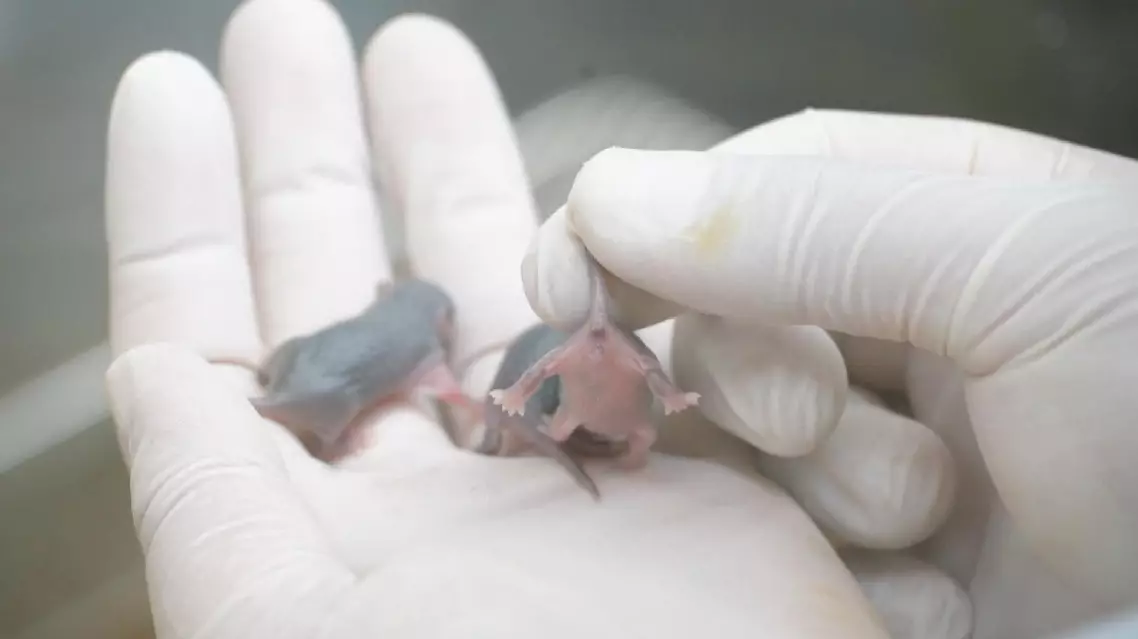
China builds space embryo research system to lay groundwork for deep space exploration
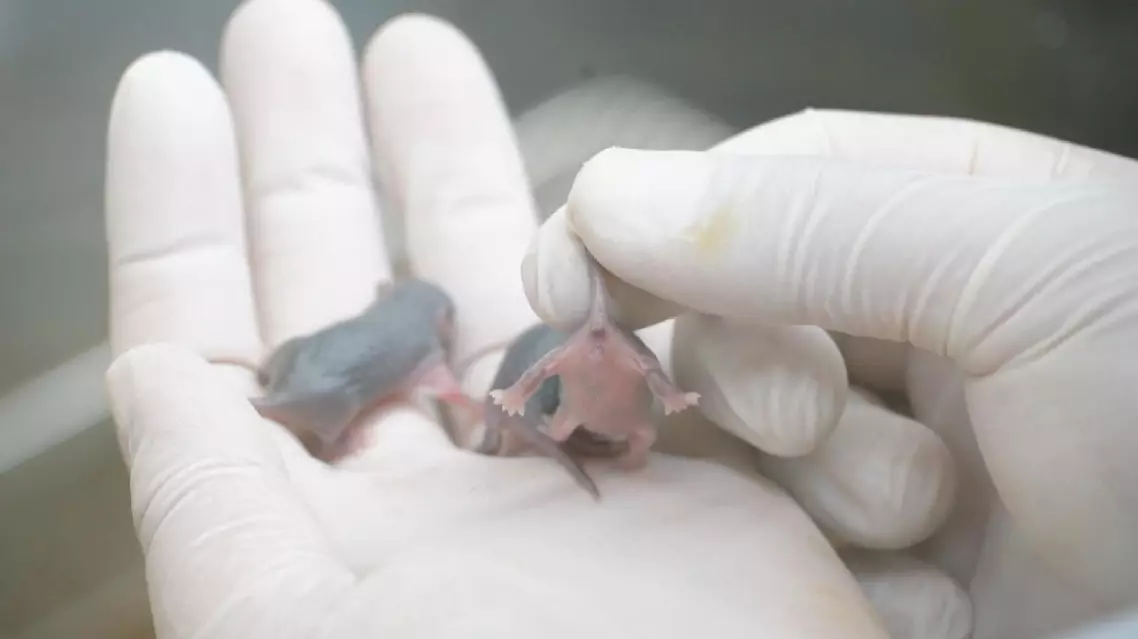
China builds space embryo research system to lay groundwork for deep space exploration