A month-long goat dipping season has started in northwest China's Ili River Valley, Xinjiang Uygur Autonomous Region, to ensure that livestock will spend a healthy summer in pasture. In Gongliu County and Tekes County, more than 1.15 million goats took the shower, which can help kill parasite and germ. The goats also got vaccinated before being transported to pasture to spend summer there.
Farmers said dipping can kill parasites on goats, help them prevent diseases, clean their bodies, and improve the quality of their wool and fur.
Goat dipping and summer livestock disease prevention has entered its peak period throughout the Ili River Valley, with the whole work to be completed by July 10.
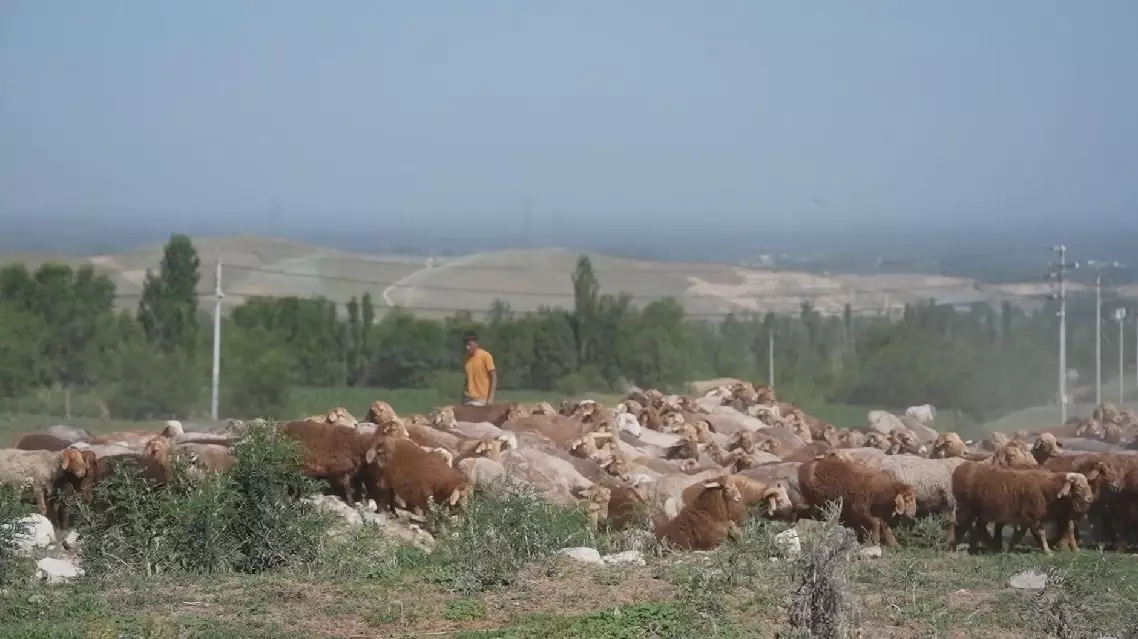
Month-long goat dipping season starts in northwest China
The Meishan Area of the Giant Panda National Park in southwest China's Sichuan Province has recorded frequent appearances of wild giant pandas in recent months, reflecting the growing vitality of the local panda population and the ongoing improvement of their habitat.
The latest footage, captured by infrared cameras in the park from mid-March to mid-May of this year, recorded the pandas' daytime and nighttime activities on five separate occasions. Some of the pandas were seen roaming alone in the forest, while others were seen foraging and resting.
According to monitoring data, the frequency of wild giant panda sightings in the area has increased significantly this year, and the population has become increasingly active, fully confirming that the giant pandas in the region enjoy excellent habitat conditions and are growing steadily.
Thanks to habitat restoration efforts by local authorities in recent years, the area has witnessed steady improvements in ecological quality, continued expansion of high-quality habitats, and significant increases in the vitality and activity range of wild giant pandas.
The monitoring system has also repeatedly recorded the activities of rare wildlife such as red pandas and markhor, indicating an increasingly diverse biological community and fully demonstrating the remarkable achievements in biodiversity conservation in this area.
"Moving forward, we will continue to leverage the smart monitoring system to further strengthen the protection of giant panda habitats, improve the construction of ecological corridors, conduct precise monitoring of wild populations, and elevate biodiversity conservation efforts in the Wawushan area to new heights," said Yan Fuquan, head of the education and protection office of at the Meishan management bureau of Giant Panda National Park.
The Giant Panda National Park was officially established in 2021, spanning the three provinces of Sichuan, Shaanxi and Gansu and covering about 22,000 square km.
Since its establishment, about 72 percent of wild giant pandas have been placed under strict protection. The protected area for the panda habitat has increased from 1.39 million hectares to 2.58 million hectares. The park has integrated 73 nature reserves across the three provinces, connecting the habitats of 13 local panda populations. In addition, six ecological corridors have been built to allow pandas to move freely within the region.
Thanks to China's systematic action to better protect its national treasure, the wild giant panda population in the country has grown from about 1,100 in the 1980s to nearly 1,900, according to the 2025 data from the National Forestry and Grassland Administration.
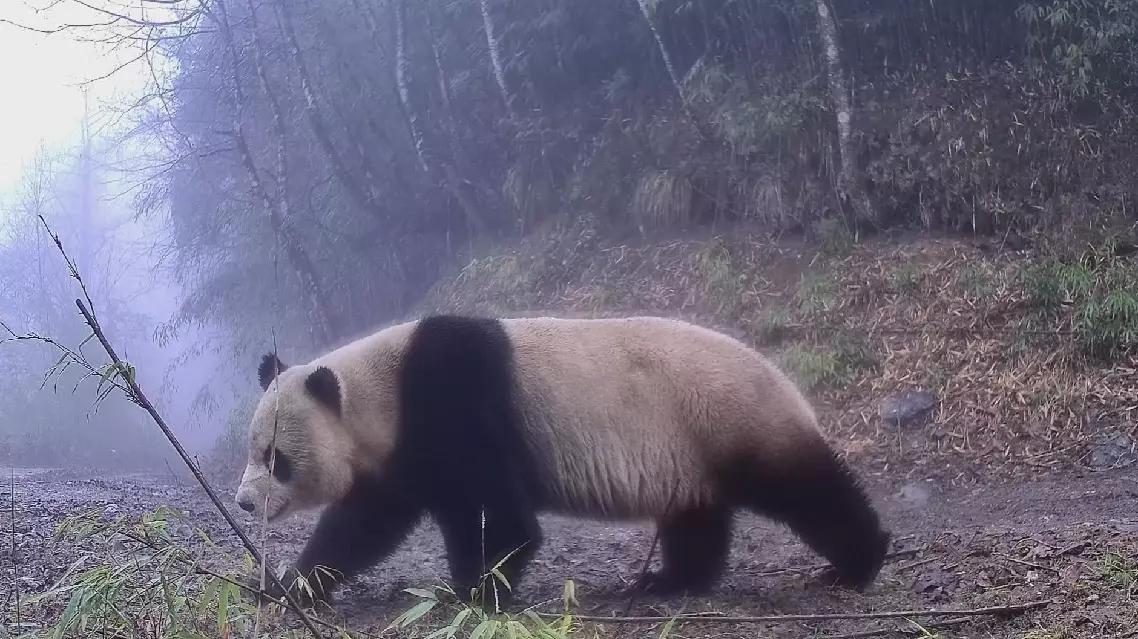
Frequent wild panda appearances reflect habitat improvement in China's Sichuan