A relending policy unveiled by the People's Bank of China (PBOC), China’s central bank, has eased funding pressures for private enterprises, providing vital support for business growth.
This year, the PBOC has established a new one trillion yuan (about 142.72 billion U.S. dollars) relending facility for private enterprises, and the policy has been effectively implemented across various regions. By the end of April, the outstanding balance of relending loans to private enterprises had exceeded 600 billion yuan.
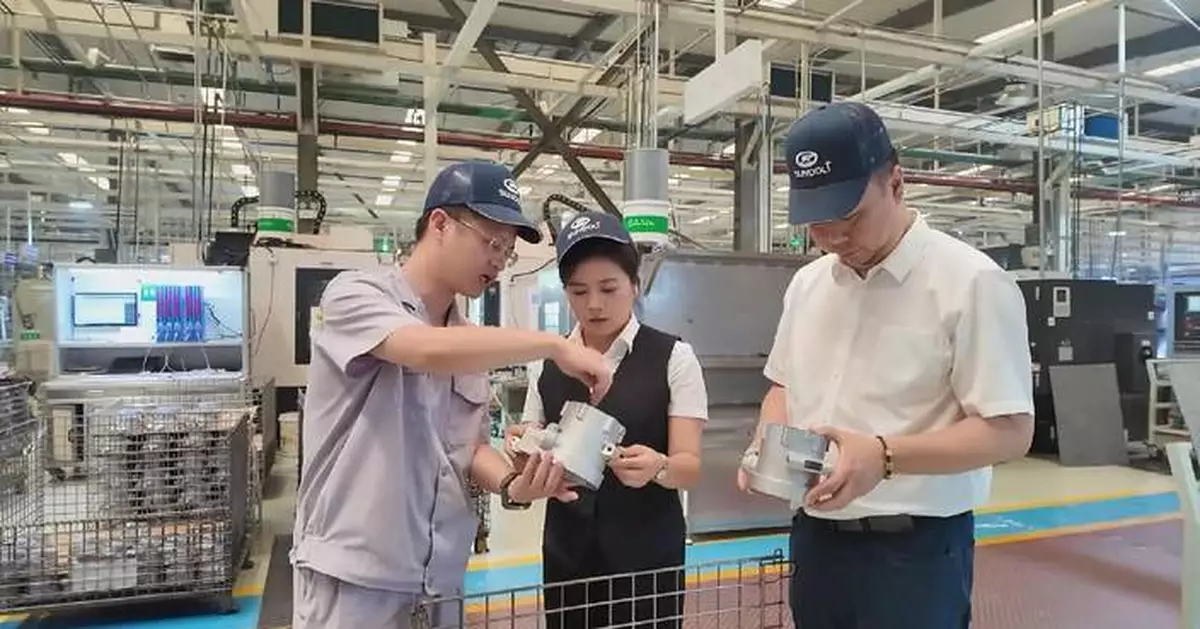
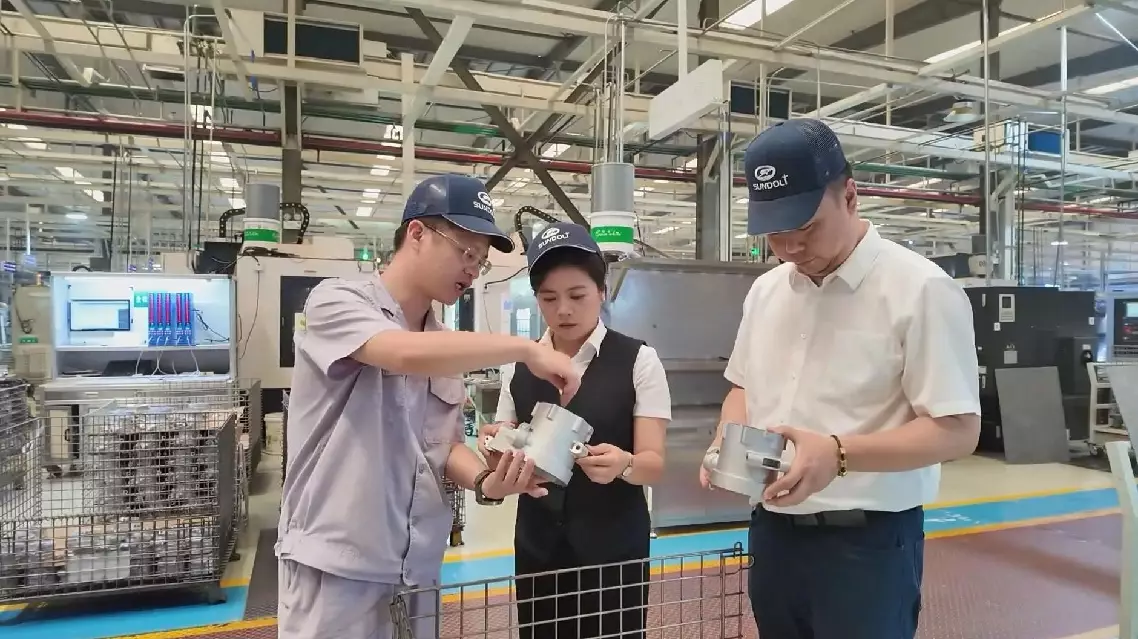
A compressor manufacturing enterprise in Chongqing is among those that have benefited from the policy.
According to the company's head, procuring raw materials requires substantial working capital, and a lengthy payment collection cycle has created a pressing demand for medium- and long-term credit funds.
"Payment collection usually takes over six months, and new products take more than a year to go from research and development to production. In the past, the loan terms we obtained were mainly within one year, which could hardly meet our funding needs. So, we've long needed three-to-five-year loans," said He Lei, financial manager at Chongqing Shunduoli Locomotive Co.
To address financing obstacles faced by private manufacturers, the PBOC Chongqing Municipal Branch has compiled a white list of micro, small and medium-sized private enterprises and guided financial institutions in the region to set up "green lanes" for their loan review.
"Supported by the relending policy, we assessed the company's full-cycle capital needs, including raw material procurement, production turnover and equipment upgrades, and developed a financing plan that better fits the company's requirements," said Yang Ning, branch chief at Bank of Chongqing’s Pilot Free Trade Zone office.
"We received 18 million yuan in funding within about a month. We quickly put it into small-batch production. We expect the new products and new production line to generate about 40 million yuan in output value for us this year," said He.
The PBOC Chongqing Municipal Branch has also guided local corporate banks to lower financing costs for private enterprises.
"By the end of April, the relending facility had helped drive 44.27 billion yuan in loans to micro, small and medium-sized private enterprises across Chongqing, benefiting more than 8,400 business entities," said Wen Jiangyong, deputy governor of the PBOC Chongqing Municipal Branch.
China's relending policy for private enterprises drives growth, eases funding strain
The Meishan Area of the Giant Panda National Park in southwest China's Sichuan Province has recorded frequent appearances of wild giant pandas in recent months, reflecting the growing vitality of the local panda population and the ongoing improvement of their habitat.
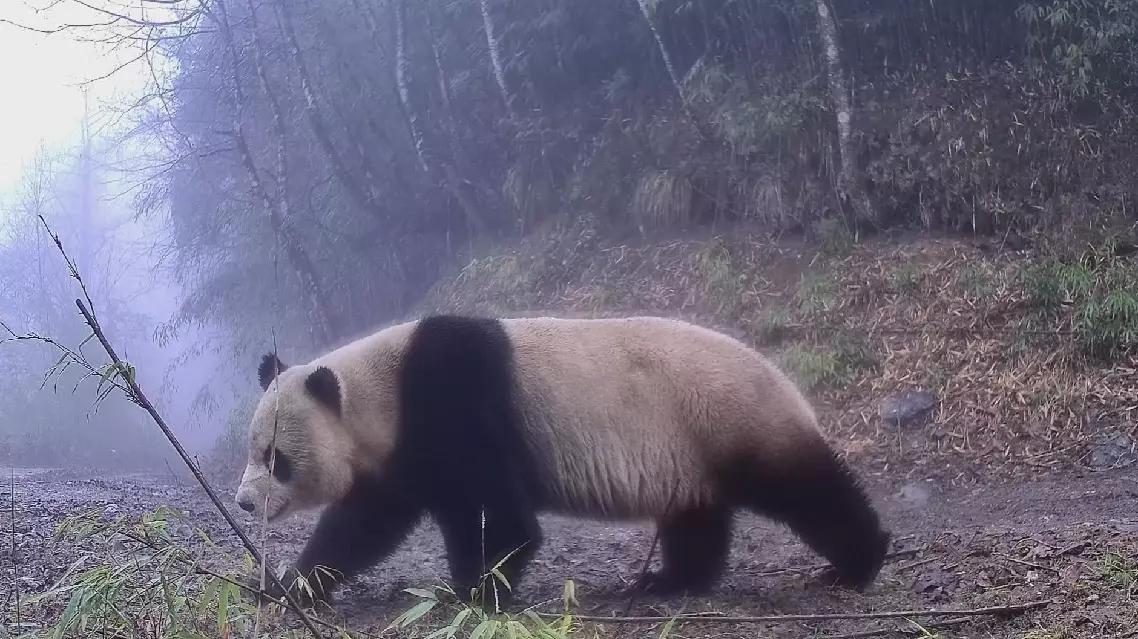
The latest footage, captured by infrared cameras in the park from mid-March to mid-May of this year, recorded the pandas' daytime and nighttime activities on five separate occasions. Some of the pandas were seen roaming alone in the forest, while others were seen foraging and resting.
According to monitoring data, the frequency of wild giant panda sightings in the area has increased significantly this year, and the population has become increasingly active, fully confirming that the giant pandas in the region enjoy excellent habitat conditions and are growing steadily.
Thanks to habitat restoration efforts by local authorities in recent years, the area has witnessed steady improvements in ecological quality, continued expansion of high-quality habitats, and significant increases in the vitality and activity range of wild giant pandas.
The monitoring system has also repeatedly recorded the activities of rare wildlife such as red pandas and markhor, indicating an increasingly diverse biological community and fully demonstrating the remarkable achievements in biodiversity conservation in this area.
"Moving forward, we will continue to leverage the smart monitoring system to further strengthen the protection of giant panda habitats, improve the construction of ecological corridors, conduct precise monitoring of wild populations, and elevate biodiversity conservation efforts in the Wawushan area to new heights," said Yan Fuquan, head of the education and protection office of at the Meishan management bureau of Giant Panda National Park.
The Giant Panda National Park was officially established in 2021, spanning the three provinces of Sichuan, Shaanxi and Gansu and covering about 22,000 square km.
Since its establishment, about 72 percent of wild giant pandas have been placed under strict protection. The protected area for the panda habitat has increased from 1.39 million hectares to 2.58 million hectares. The park has integrated 73 nature reserves across the three provinces, connecting the habitats of 13 local panda populations. In addition, six ecological corridors have been built to allow pandas to move freely within the region.
Thanks to China's systematic action to better protect its national treasure, the wild giant panda population in the country has grown from about 1,100 in the 1980s to nearly 1,900, according to the 2025 data from the National Forestry and Grassland Administration.
Frequent wild panda appearances reflect habitat improvement in China's Sichuan