United Nations Secretary-General Antonio Guterres on Monday called for coordinated global action to ensure artificial intelligence (AI) develops in a safe, inclusive and ethical manner that benefits all.
Speaking at the opening of the first session of the Global Dialogue on AI Governance in Geneva, Guterres said AI is advancing "at runaway speed" and is already transforming the world.
The secretary-general outlined four priorities for AI governance: safety, human rights, capacity and transparency. He said he hoped the Dialogue would translate broad global participation into concrete action, helping make AI "safer, fairer, more accessible and more ethical."
Li Lecheng, head of the Chinese delegation and minister of industry and information technology, stated at the opening ceremony that China has always supported the United Nations in playing a leading role in global governance of artificial intelligence and in continuously bridging the digital divide.
China is willing to jointly promote equitable and inclusive development, and actively assist all countries, especially those in the South, in developing artificial intelligence technologies and services, and is prepared to jointly build a global governance system and promote the formation of a governance framework and standards with broad consensus, according to Li.
Representatives of developing countries also expressed their welcome and appreciation for China's open-source AI initiatives, saying they hope the fruits of AI development can be shared more broadly.
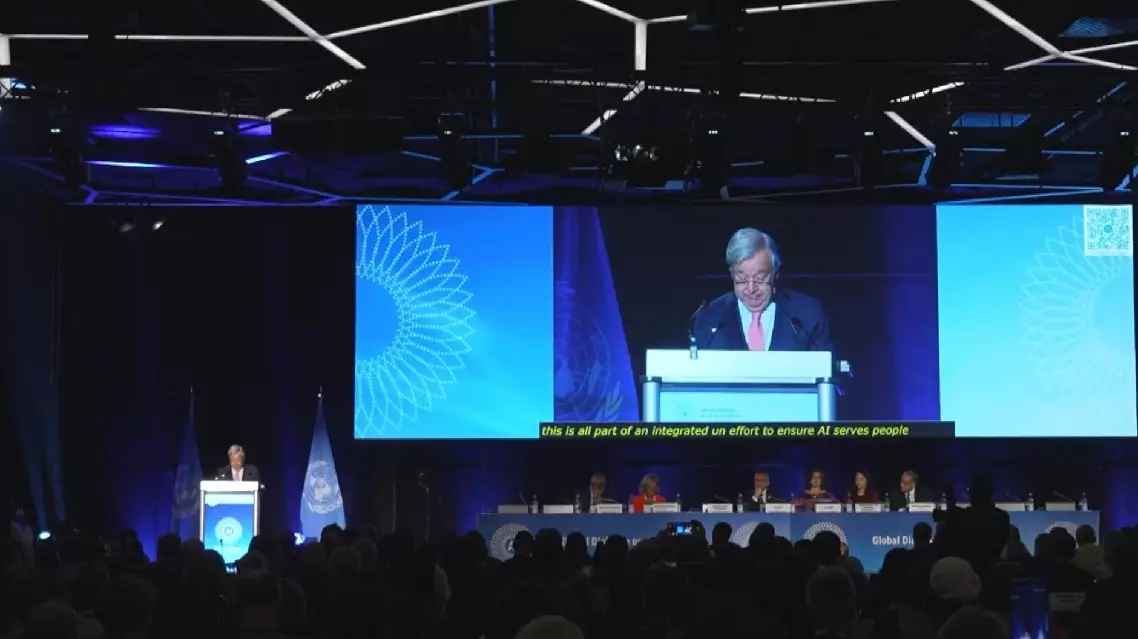
UN chief, Chinese minister call for global action at Geneva AI governance forum
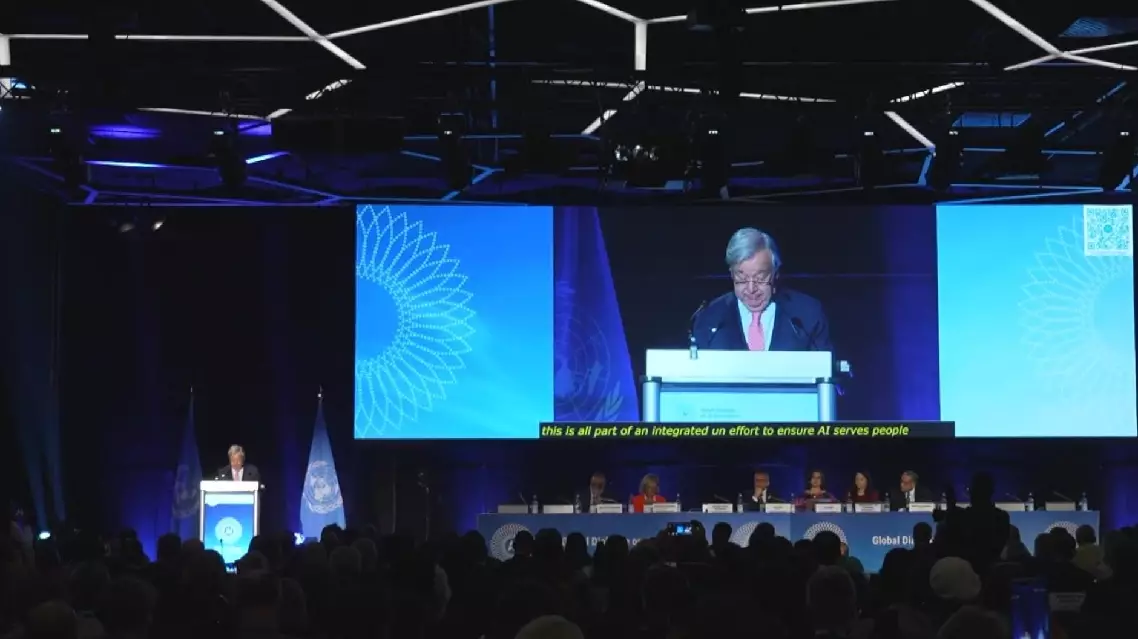
UN chief, Chinese minister call for global action at Geneva AI governance forum
China aims to grow its advertising industry by an average of about 10 percent annually through 2030 under a five-year plan announced on Tuesday that calls for digital innovation and closer links with manufacturing, consumer businesses and agriculture.
The plan was issued by the State Administration for Market Regulation and six other government agencies. It calls for greater use of digital technology, stronger creative capabilities and more training, while seeking to help other industries reach customers and build brands.
Advertising revenue reported by public institutions and enterprises above a designated size reached 2.05 trillion yuan (about 307 billion U.S. dollars) in 2025, double the level in 2020, according to the market regulator. China has also established 30 national advertising industry parks and a number of provincial parks.
Hong Qunlian, director of the service industry research office at the National Development and Reform Commission's Institute of Industrial and Technological Economics, said advertising can support businesses well beyond placing commercials.
"When it comes to advertising, people often think of commercials on television or other media. However, advertising services can play a role at every stage of industrial upgrading. Under the plan's 'Advertising Plus' initiative, the industry can offer integrated services ranging from market analysis and brand positioning to creative planning and promotion across media. That helps companies identify demand and use promotion to turn their strengths in product quality and technology into brand value," Hong said.
The plan also calls for continued efforts to promote agricultural products, build rural brands and expand online sales.
"As I see it, one step is to direct more advertising resources to rural areas and use public-service ads to promote local specialty farm products. Another is to connect advertising with e-commerce to expand sales of agricultural products and increase farmers' incomes," Hong said.
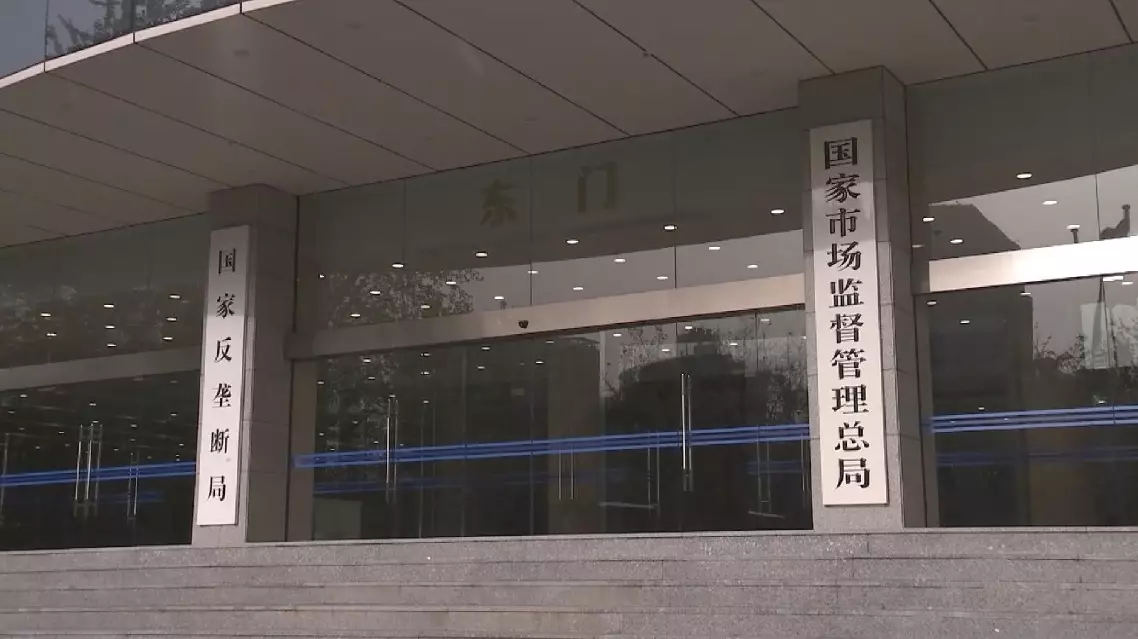
China targets 10 pct annual advertising growth through 2030