Skip to Content Facebook Feature Image

To air or not to air? Nation's TV networks struggle to find the right balance for Trump speech

News

To air or not to air? Nation's TV networks struggle to find the right balance for Trump speech
News

News

To air or not to air? Nation's TV networks struggle to find the right balance for Trump speech

2026-07-17 11:44 Last Updated At:12:45

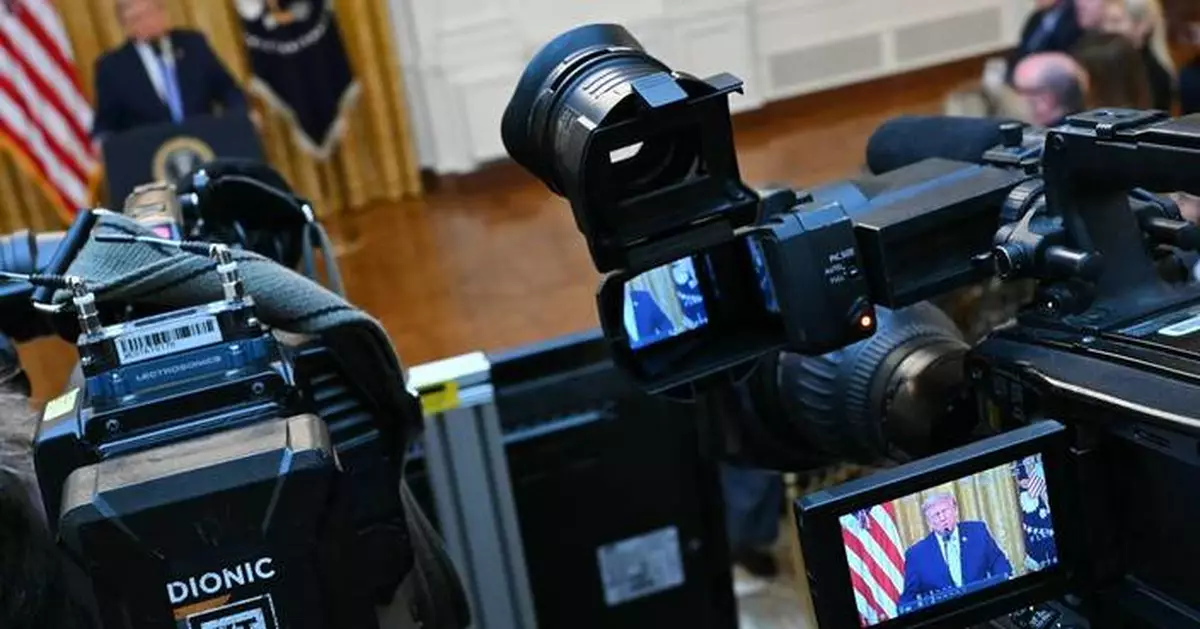
As President Donald Trump threatened sanctions for those who didn’t cover his address live Thursday night, the nation’s broadcast and cable news operations wrestled with the thorniest of questions: To air or not to air?

Networks and their news operations, broadcast and cable alike, spent the hours leading up to Trump’s address debating how to cover it — and struggling to balance delivering the news with handing over their airwaves to potential falsehoods about the 2020 elections.

More Images
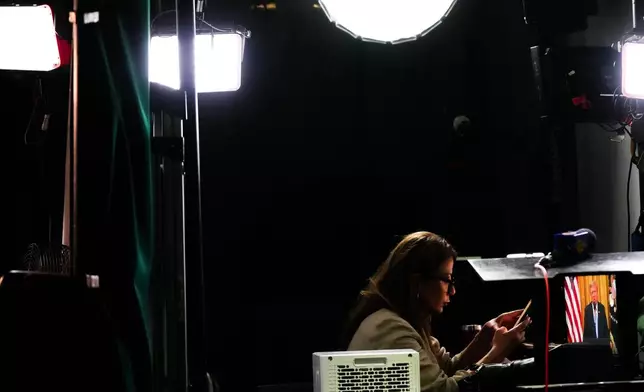
A reporter prepares to film a stand-up as President Donald Trump speaks from the East Room of the White House, Thursday, July 16, 2026, in Washington. (AP Photo/Julia Demaree Nikhinson)
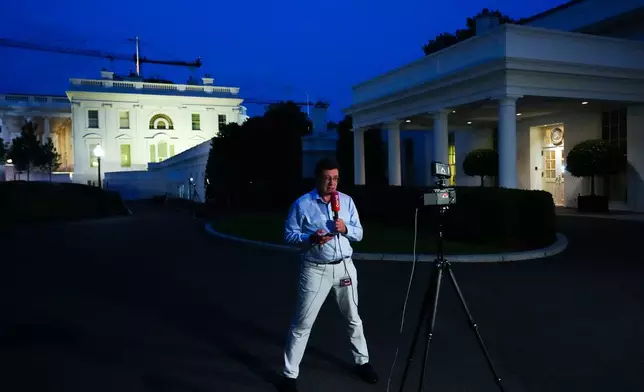
A reporter prepares to film a stand-up as President Donald Trump speaks from the East Room of the White House, Thursday, July 16, 2026, in Washington. (AP Photo/Julia Demaree Nikhinson)

A reporter from Buro, a Russian-language YouTube channel, films a video in front of the White House as President Donald Trump speaks in the East Room, Thursday, July 16, 2026, in Washington. (AP Photo/Julia Demaree Nikhinson)
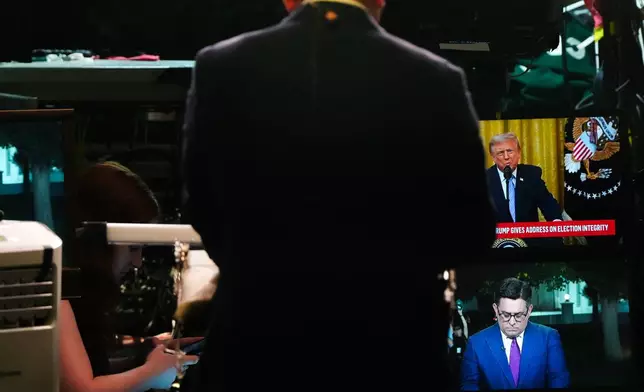
A reporter from Buro, a Russian-language YouTube channel, films a video in front of the White House as President Donald Trump speaks in the East Room, Thursday, July 16, 2026, in Washington. (AP Photo/Julia Demaree Nikhinson)

CBS News correspondent Ed O'Keefe prepares to film a stand-up as President Donald Trump speaks from the East Room of the White House, Thursday, July 16, 2026, in Washington. (AP Photo/Julia Demaree Nikhinson)
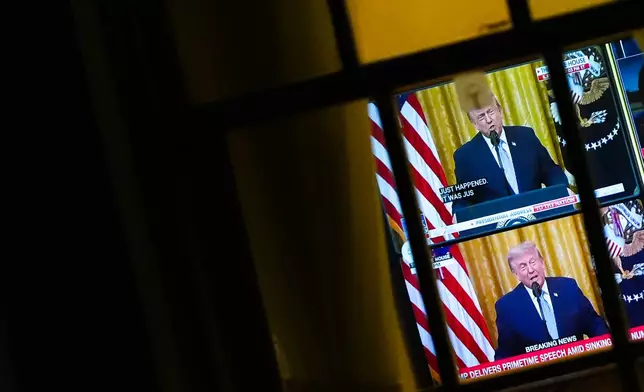
CBS News correspondent Ed O'Keefe prepares to film a stand-up as President Donald Trump speaks from the East Room of the White House, Thursday, July 16, 2026, in Washington. (AP Photo/Julia Demaree Nikhinson)

President Donald Trump is seen speaking from the East Room on a television in the West Wing of the White House, Thursday, July 16, 2026, in Washington. (AP Photo/Julia Demaree Nikhinson)
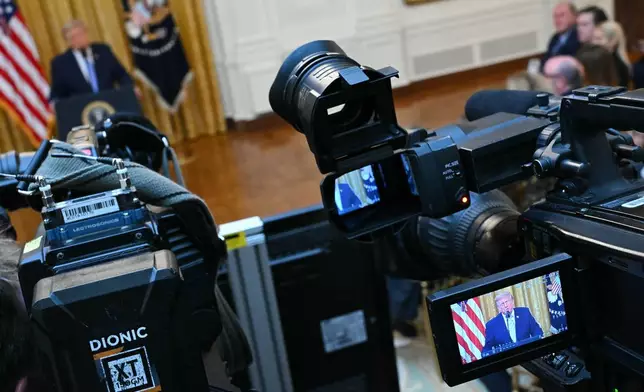
President Donald Trump is seen speaking from the East Room on a television in the West Wing of the White House, Thursday, July 16, 2026, in Washington. (AP Photo/Julia Demaree Nikhinson)

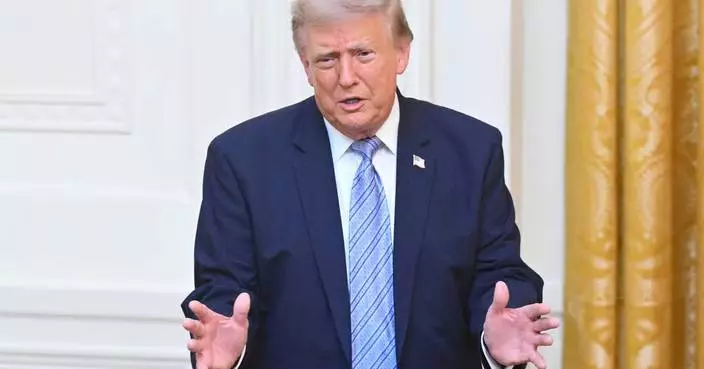
President Donald Trump speaks in the East Room of the White House, Thursday, July 16, 2026, in Washington. (Saul Loeb/Pool via AP)

President Donald Trump speaks in the East Room of the White House, Thursday, July 16, 2026, in Washington. (Saul Loeb/Pool via AP)

In the end, a patchwork quilt of coverage was largely united by one common strategy: real-time fact-checking as much as was possible even while the president was still speaking.

The dilemma took place against a backdrop of deep tension between the media and a president working to exert control over it by whatever means he can. Even in his speech itself, Trump excoriated networks that chose not to carry it live, saying that “NBC and ABC fake news” avoided it because they “don't like the topic.” He also threatened them with consequences, using the presidential pulpit to suggest they should be sanctioned for their editorial decisions.

"They and others in the media are part of a plot," Trump said, offering no evidence for his assertion. There is also no evidence of fraud in the 2020 elections.

“They want to continue this fraud for whatever reason. They want to keep it going," he said. "Fraud like this should mean a revocation of their licenses. They use our public multibillion-dollar-in-value airwaves for absolutely no money. They pay nothing. All we want is honesty in our elections and honesty in reporting.”

The tension between Trump and the news media during his second term has taken many forms, from sanctions against members of the White House press corps to regulatory actions through the Federal Communications Commission to outright lawsuits.

The media outlets' decision-making — seemingly last-minute, for many, with networks divulging their plans minutes beforehand — produced a variety of coverage scenarios for the 24 minutes of Trump’s address.

CNN’s Kaitlan Collins anchored her nightly program. “We aren’t taking it live,” she said of the speech, given the president’s “well-documented history” of falsehoods. Panelists were on hand for analysis and fact-checking. “Sadly, we have no choice to be skeptical when this president talks elections,” said the network’s veteran correspondent John King.

Fox News and Fox Broadcasting aired the president’s speech live. But ABC and NBC did not, sticking with regular programming — “Press Your Luck,” in ABC's case, and an animal show featuring alligators in NBC's. But they were ready to cut in as they deemed newsworthy, as well as offering special reports afterwards.

Both ABC and NBC, however, provided live coverage on their streaming channels — NBC News NOW and ABC News Live — as well as ABC News Radio. In the still-young era of streaming, that is increasingly a decision that allows network news to play it both ways.

As for CBS, the network did preempt regular programming — a summer rerun of “Georgie & Mandy’s First Marriage” — to air a special report anchored by Tony Dokoupil. The report joined the live speech a few minutes in, at 9:06, and left it before the end, at 9:23.

MS NOW started airing the speech, then cut away for analysis and commentary after 17 minutes on host Jen Psaki’s show. Psaki used the split screen for a bit, with her speaking on the right and a muted Trump appearing on the left.

By the end, of the top networks, the speech was continuing live only on Fox News.

Robert Thompson, director of Syracuse University’s Bleier Center for Television and Popular Culture, said coverage of the 24- minute address made for “a weird evening, where the reporters quote and describe the speech but show little of what they’re quoting." Thompson said full coverage was the way to go even — and perhaps especially — if the speech was believed to contain falsehoods.

“When the president of the United States makes an announcement that there is going to be a major speech with major information, however cynical we are … I think that is, by definition, important civic news significant to the citizenry,” he said. “It’s the president making the speech, and if the president does what everybody’s worried about him doing, that is a real reason to be covering it, to bear witness on exactly what gets said."

Earlier Thursday, at the White House briefing, press secretary Karoline Leavitt had urged TV networks to carry the speech live. And Fox News Channel’s Sean Hannity said on his show that major networks not going live was “pretty unheard of for a primetime address for a president.”

Broadcast networks, though, have previously declined primetime coverage to President Barack Obama for a 2014 speech on immigration, and President Joe Biden for his speech on democracy, “Battle for the Soul of the Nation,” in 2022.

The backdrop of Thursday’s speech was an ever-increasing tension between the media and the administration. Broadcast networks have been under close scrutiny by the Trump-appointed chair of the FCC, Brendan Carr, who has launched early reviews of licenses of some ABC-owned stations and threatened to revoke the long-held exemption from equal time rules for the popular talk show “The View.”

Trump’s animosity toward news outlets whose agenda runs counter to his own isn’t new. But in his second presidential term, he has launched an escalation, often harnessing the levers of the federal government or attempting to do so. The efforts have taken place both in actual courtrooms and in the court of public opinion.
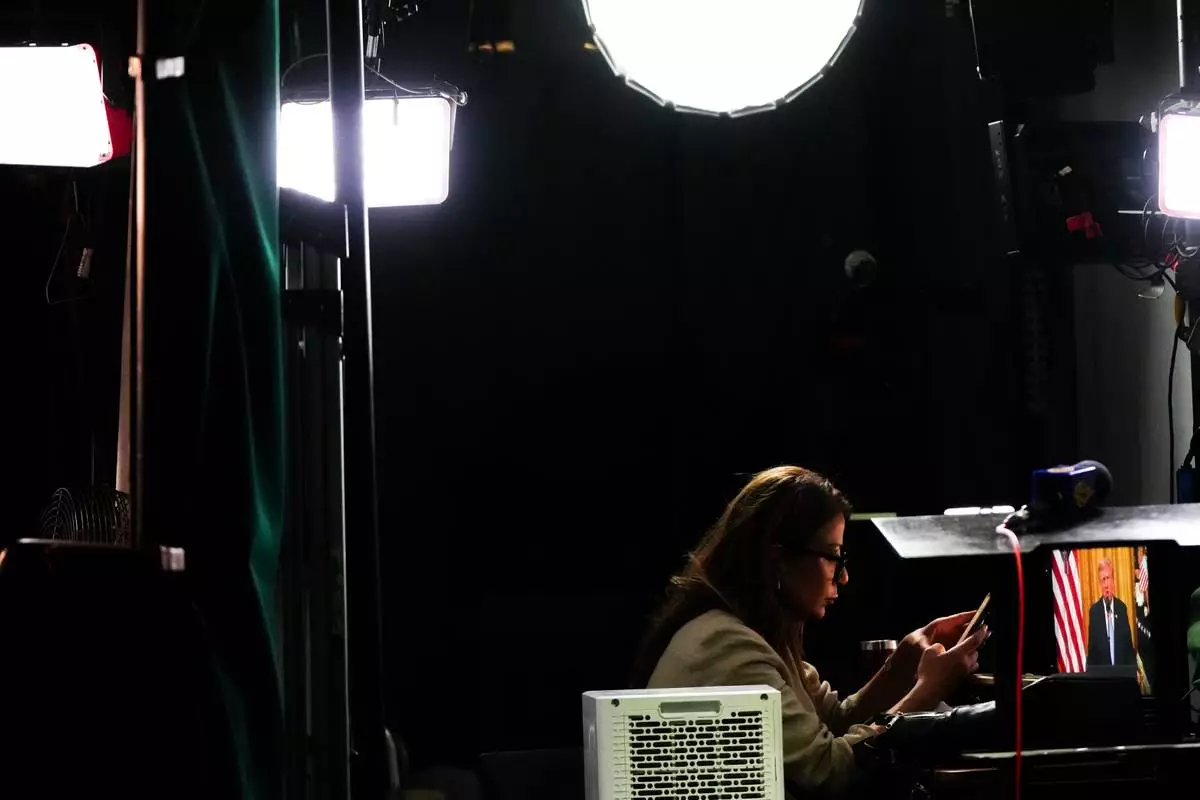
A reporter prepares to film a stand-up as President Donald Trump speaks from the East Room of the White House, Thursday, July 16, 2026, in Washington. (AP Photo/Julia Demaree Nikhinson)
A reporter prepares to film a stand-up as President Donald Trump speaks from the East Room of the White House, Thursday, July 16, 2026, in Washington. (AP Photo/Julia Demaree Nikhinson)

A reporter from Buro, a Russian-language YouTube channel, films a video in front of the White House as President Donald Trump speaks in the East Room, Thursday, July 16, 2026, in Washington. (AP Photo/Julia Demaree Nikhinson)
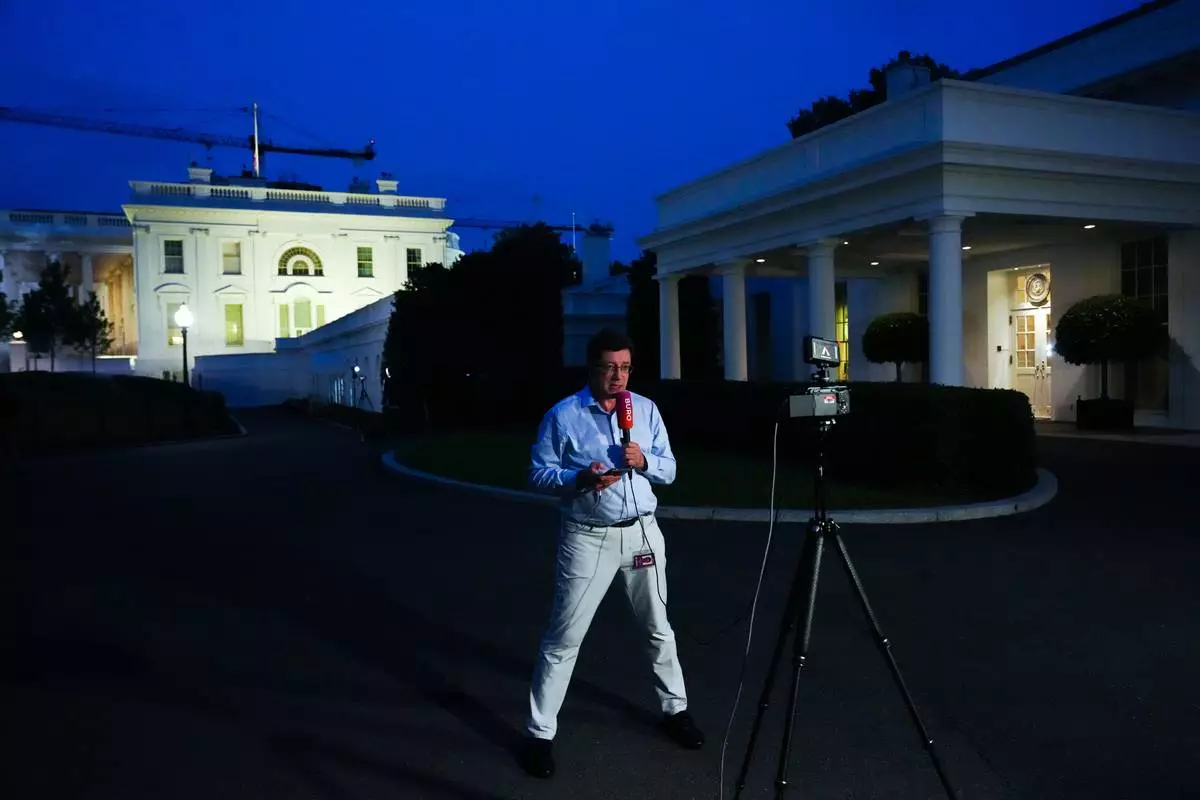
A reporter from Buro, a Russian-language YouTube channel, films a video in front of the White House as President Donald Trump speaks in the East Room, Thursday, July 16, 2026, in Washington. (AP Photo/Julia Demaree Nikhinson)

CBS News correspondent Ed O'Keefe prepares to film a stand-up as President Donald Trump speaks from the East Room of the White House, Thursday, July 16, 2026, in Washington. (AP Photo/Julia Demaree Nikhinson)
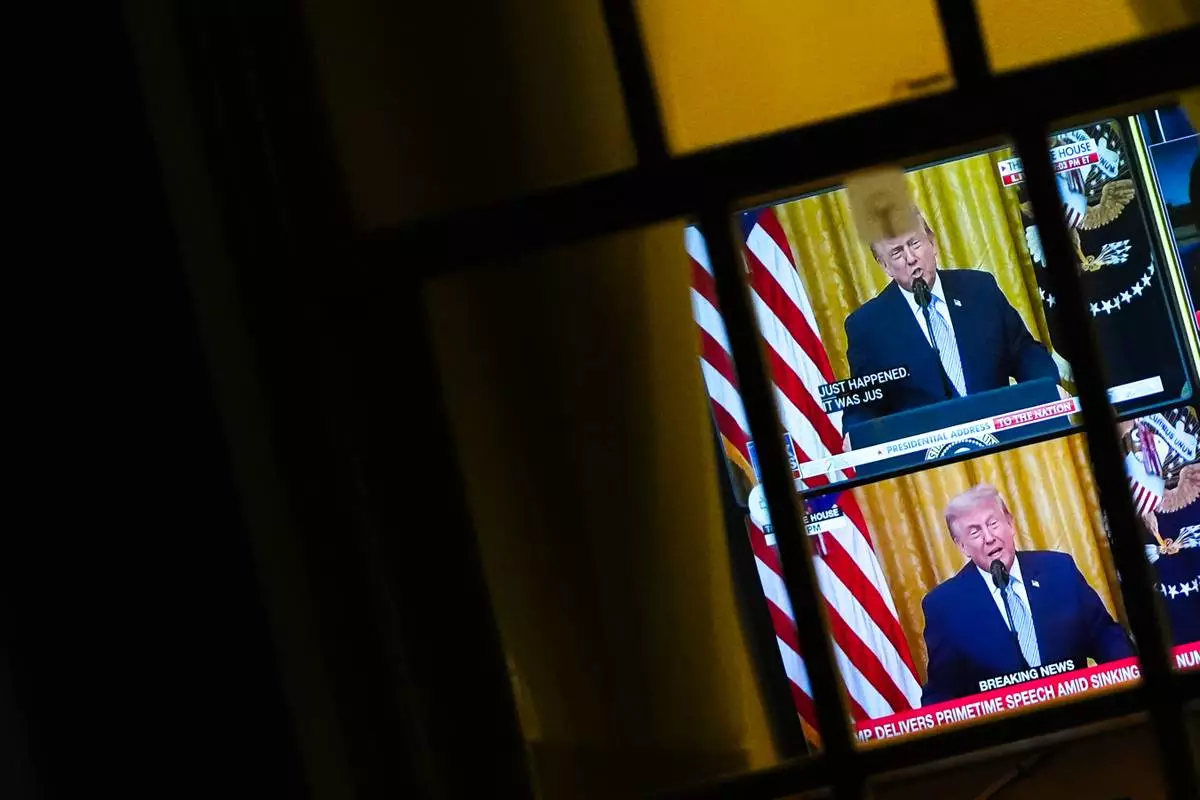
CBS News correspondent Ed O'Keefe prepares to film a stand-up as President Donald Trump speaks from the East Room of the White House, Thursday, July 16, 2026, in Washington. (AP Photo/Julia Demaree Nikhinson)

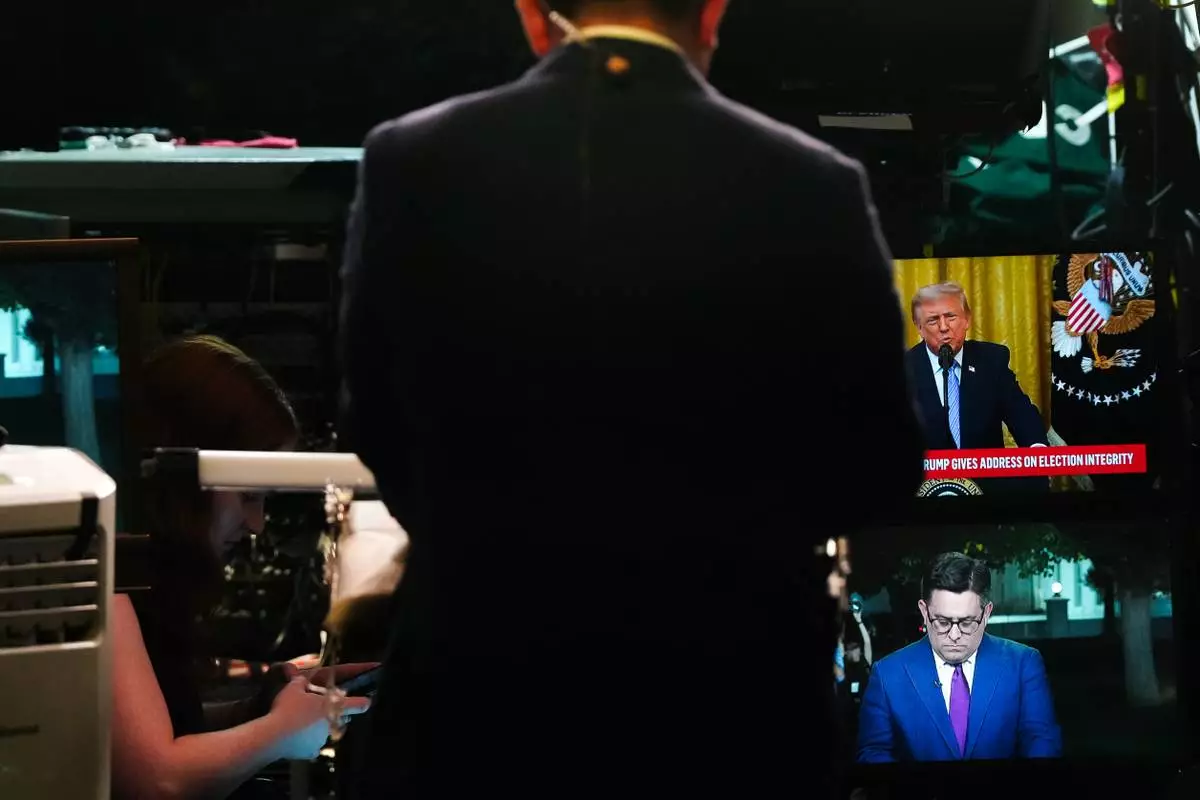
President Donald Trump is seen speaking from the East Room on a television in the West Wing of the White House, Thursday, July 16, 2026, in Washington. (AP Photo/Julia Demaree Nikhinson)
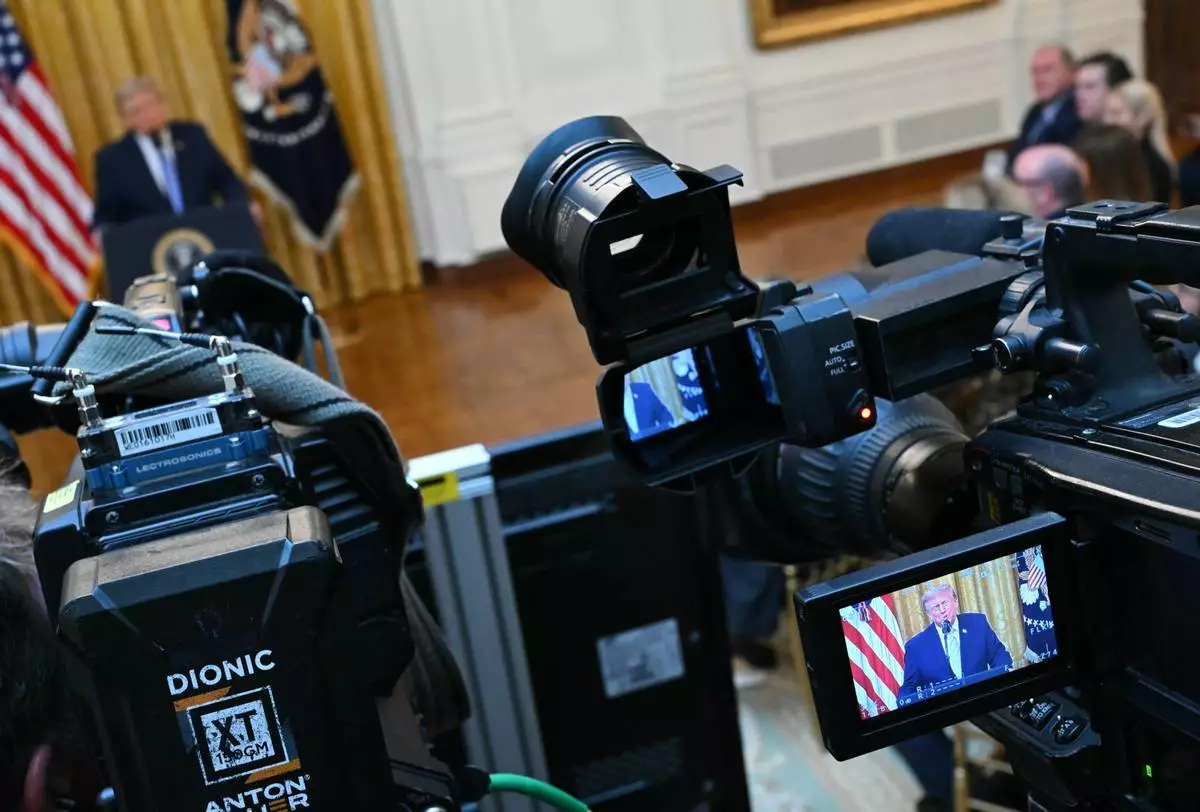
President Donald Trump is seen speaking from the East Room on a television in the West Wing of the White House, Thursday, July 16, 2026, in Washington. (AP Photo/Julia Demaree Nikhinson)

President Donald Trump speaks in the East Room of the White House, Thursday, July 16, 2026, in Washington. (Saul Loeb/Pool via AP)

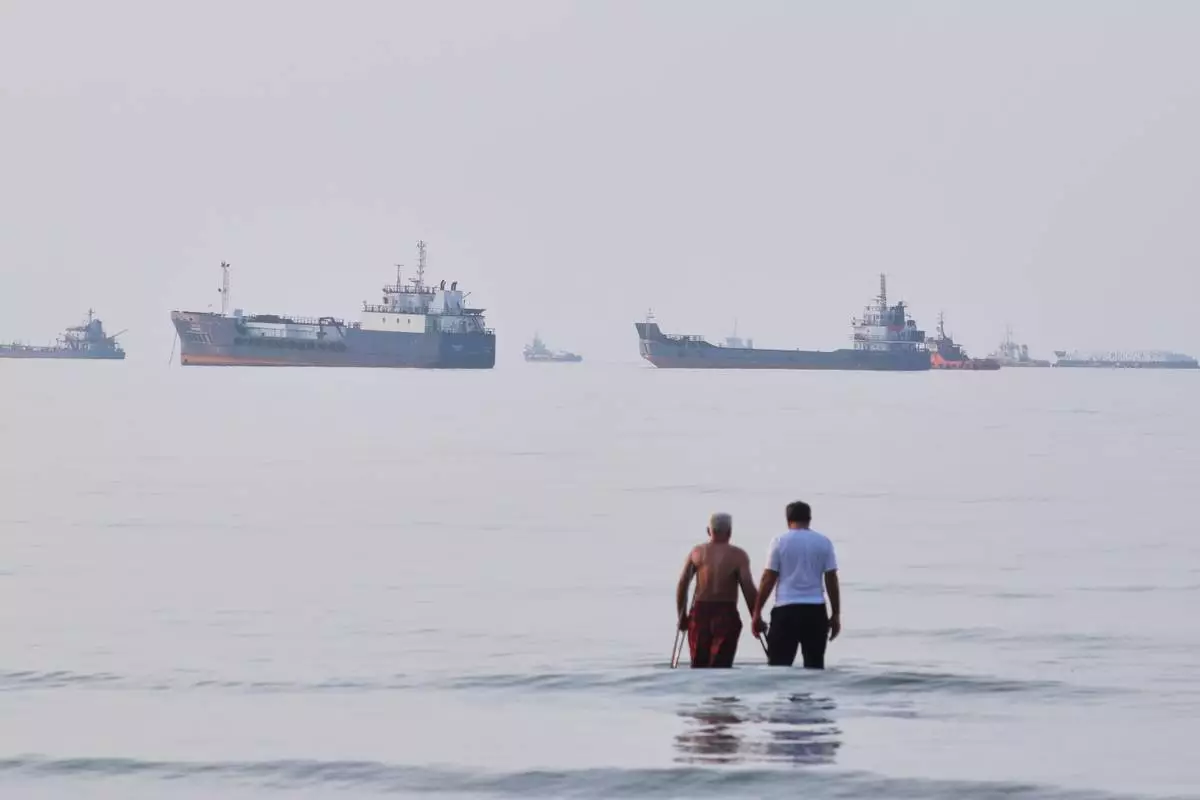
President Donald Trump speaks in the East Room of the White House, Thursday, July 16, 2026, in Washington. (Saul Loeb/Pool via AP)
DUBAI, United Arab Emirates (AP) — The United States expanded its airstrike campaign against Iran early Friday by hitting more bridges and apparently collapsing a tower at a key Iranian port, part of U.S. President Donald Trump’s threats to start striking infrastructure to pressure Tehran to ease its chokehold on the Strait of Hormuz. Iran launched new missile attacks against U.S.-allied nations in the Middle East, including Qatar, a key mediator in the war.

The interim ceasefire agreed to last month has collapsed, and the region has endured days of back-and-forth attacks by the U.S. and Iran as they battle for control of the strait. Iranian officials say U.S. strikes have killed more than 35 people and wounded over 300 others, with new casualties reported in Friday’s strikes.

When the U.S. and Israel launched the war on Iran on Feb. 28, Tehran effectively closed the strait to shipping traffic, a move that sent the price of oil soaring and gave Iran major leverage in negotiations.

Speaking in a primetime address to the American public, Trump insisted the war was going well.

“We are likewise winning big in Iran, and you will see the fruits of that labor very, very shortly,” Trump said.

The U.S. airstrikes hit bridges overnight into Friday in Iran’s southern Hormozgan province, killing at least seven people, Iranian state television reported. The attacks hit Bandar Khamir, a city on Iran’s coast on the Strait of Hormuz.

The U.S. military’s Central Command said it hit dozens of targets in its latest airstrikes, which concluded at dawn Friday, the sixth night in a row of American attacks.

The strikes also appeared to have collapsed a tower at Iran’s Chabahar port on the Gulf of Oman, a key trade route for landlocked, neighboring Afghanistan.

U.S. Defense Secretary Pete Hegseth shared the image of the surveillance tower appearing to collapse. That image had circulated social media via activists prior to Hegseth sharing it.

Chabahar port, which Iran had been running with support from India, has been a repeated target of American airstrikes. Iranian state media acknowledged a third round of strikes on the facility without immediately acknowledging the tower’s collapse.

Iran described the tower as overseeing commercial traffic into the port. However, Iran’s paramilitary Revolutionary Guard also operates at ports across the country.

On Friday, Qatar twice warned the public to take shelter as a barrage of Iranian missiles targeted the nation. People heard explosions overhead as air defenses fired to intercept the missiles. Qatar’s Interior Ministry said falling debris wounded a child.

Qatar is a key mediator with Pakistan in trying to reach an end to the Iran war. But talks have broken down over Iran’s chokehold on the Strait of Hormuz.

Iran earlier targeted Bahrain and Kuwait over U.S. airstrikes hitting bridges in the Islamic Republic overnight.

Trump has returned in recent days to his threats to target Iranian power stations and bridges to try to compel Iran to loosen its hold on the strait, through which about a fifth of all oil and natural gas traded once passed in peacetime. The U.S. also reimposed a naval blockade on Iranian ports to halt its shipments of crude oil.

Week-to-week cargo shipments through the strait dropped by almost a quarter at the beginning of the month, according to Maritime data firm Lloyd’s List Intelligence. And that was before the recent surge in tit-for-tat attacks.

Given the risks, some oil shippers are transiting the strait with their location devices turned off, but many are just staying put, Lloyd’s said Thursday. A growing amount of the region’s energy is being shipped through pipelines, but not nearly enough to offset the decline in shipping through the strait.

U.S. forces have redirected three commercial vessels trying to run the blockade, disabled one that did not comply and boarded another “to ensure full compliance,” the U.S. military’s Central Command said in a post on X.

Associated Press writer Annika Wolters in Rayong, Thailand, contributed to this report.

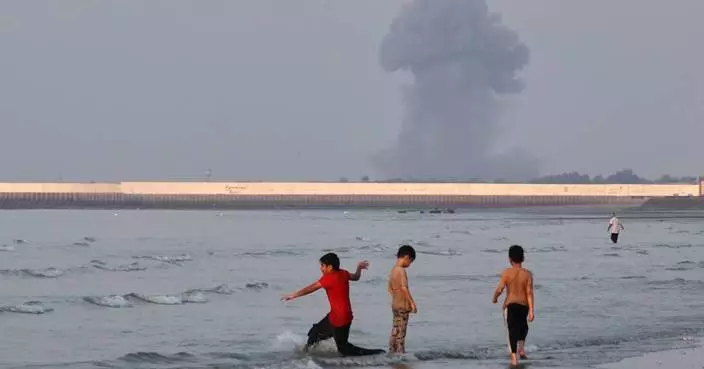
Two men wade in the waters of the Strait of Hormuz with vessels anchored in the background, off Bandar Abbas, Iran, Sunday, July 12, 2026. (Razieh Poudat/ISNA via AP)

Two men wade in the waters of the Strait of Hormuz with vessels anchored in the background, off Bandar Abbas, Iran, Sunday, July 12, 2026. (Razieh Poudat/ISNA via AP)

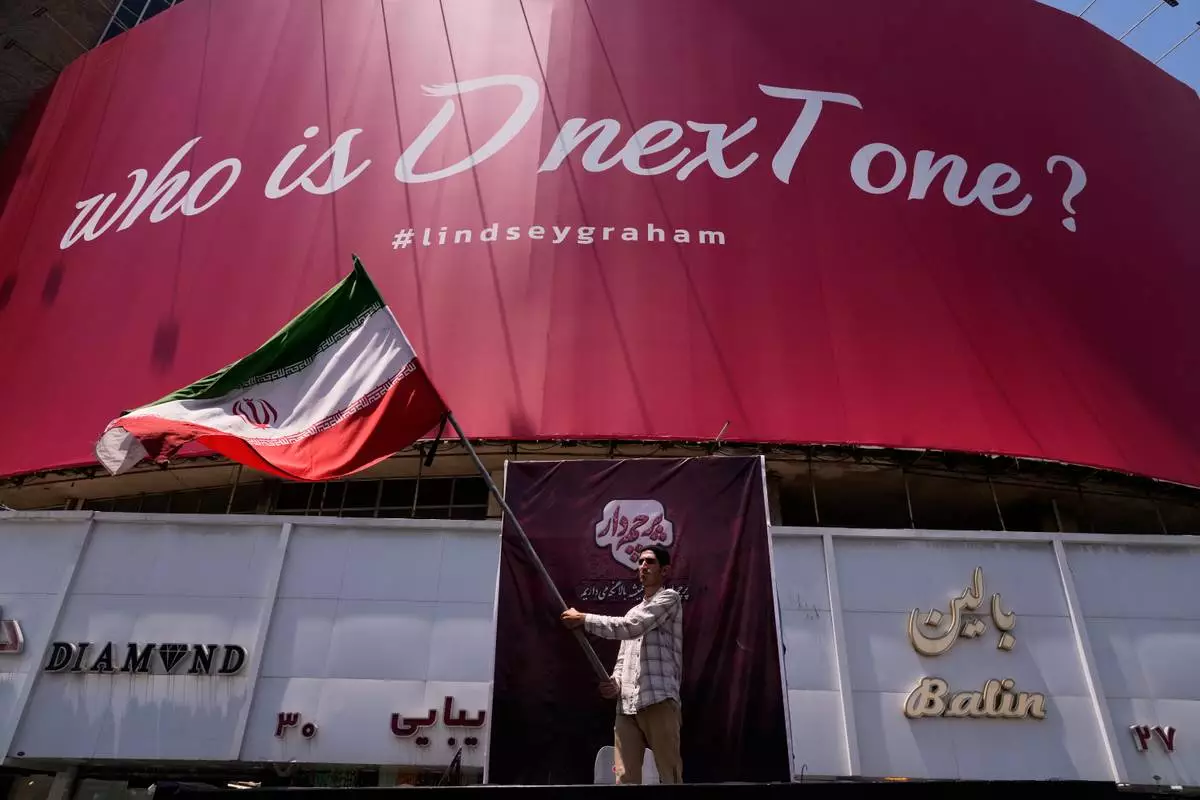
A man waves an Iranian flag beneath a billboard reading in English, "Who is D nexT one?" and "#lindseygraham," referring to late U.S. Sen. Lindsey Graham and using the capital letters "D" and "T" in an apparent play on the initials of U.S. President Donald Trump, in downtown Tehran, Iran, Thursday, July 16, 2026. (AP Photo/Vahid Salemi)

A man waves an Iranian flag beneath a billboard reading in English, "Who is D nexT one?" and "#lindseygraham," referring to late U.S. Sen. Lindsey Graham and using the capital letters "D" and "T" in an apparent play on the initials of U.S. President Donald Trump, in downtown Tehran, Iran, Thursday, July 16, 2026. (AP Photo/Vahid Salemi)

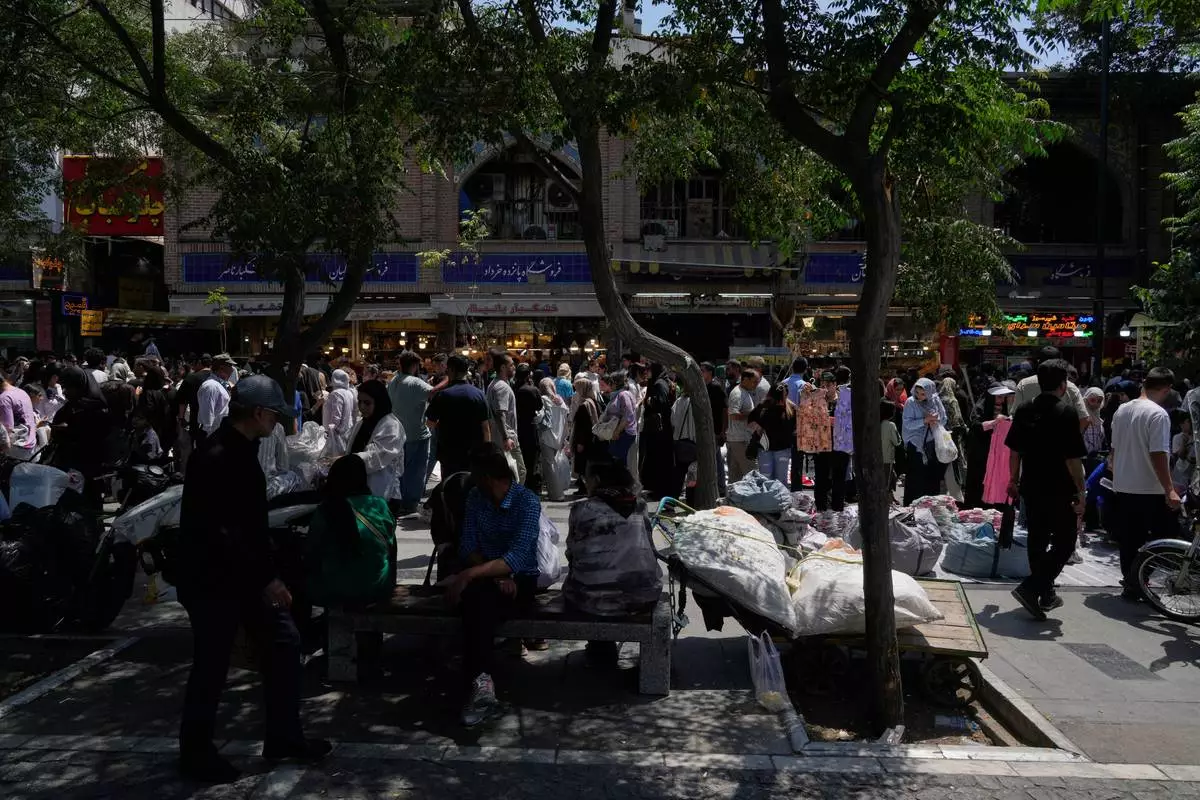
People walk around Tehran's traditional main bazaar, Iran, Thursday, July 16, 2026. (AP Photo/Vahid Salemi)

People walk around Tehran's traditional main bazaar, Iran, Thursday, July 16, 2026. (AP Photo/Vahid Salemi)

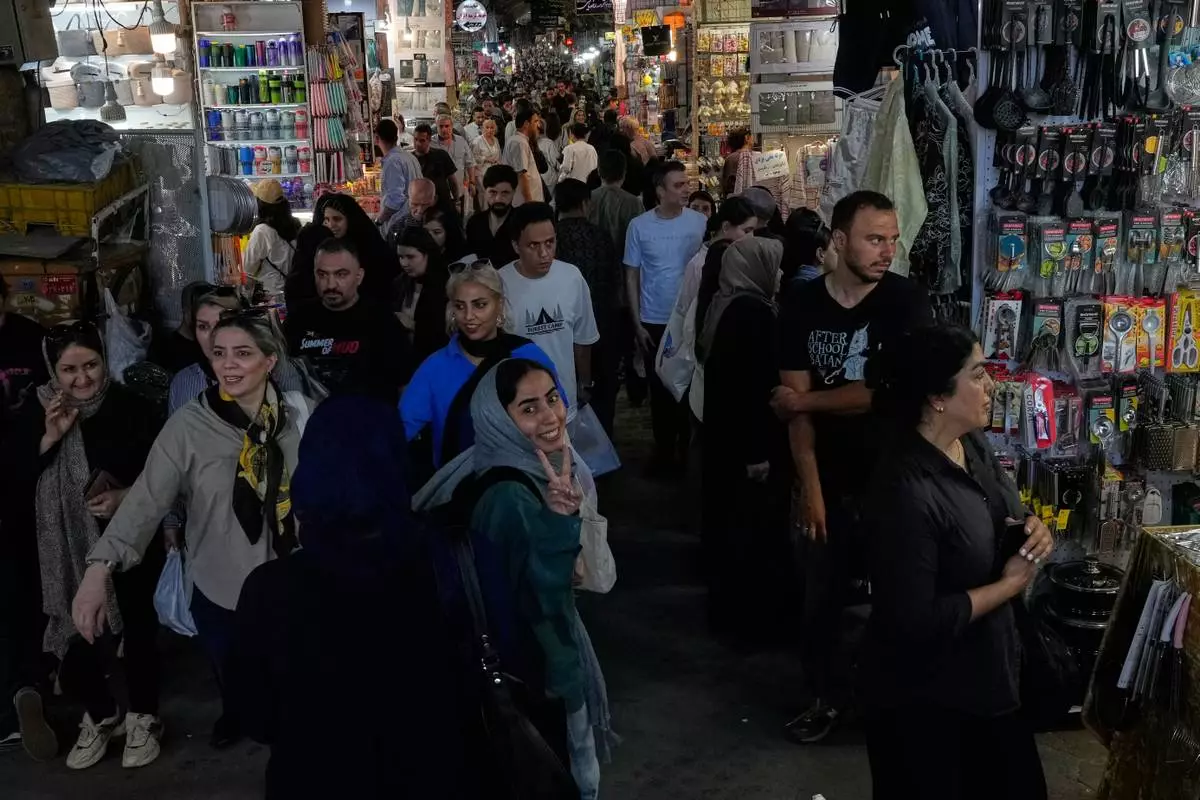
A woman flashes a victory sign while walking at Tehran's traditional main bazaar, Iran, Thursday, July 16, 2026. (AP Photo/Vahid Salemi)

A woman flashes a victory sign while walking at Tehran's traditional main bazaar, Iran, Thursday, July 16, 2026. (AP Photo/Vahid Salemi)

Recommended Articles