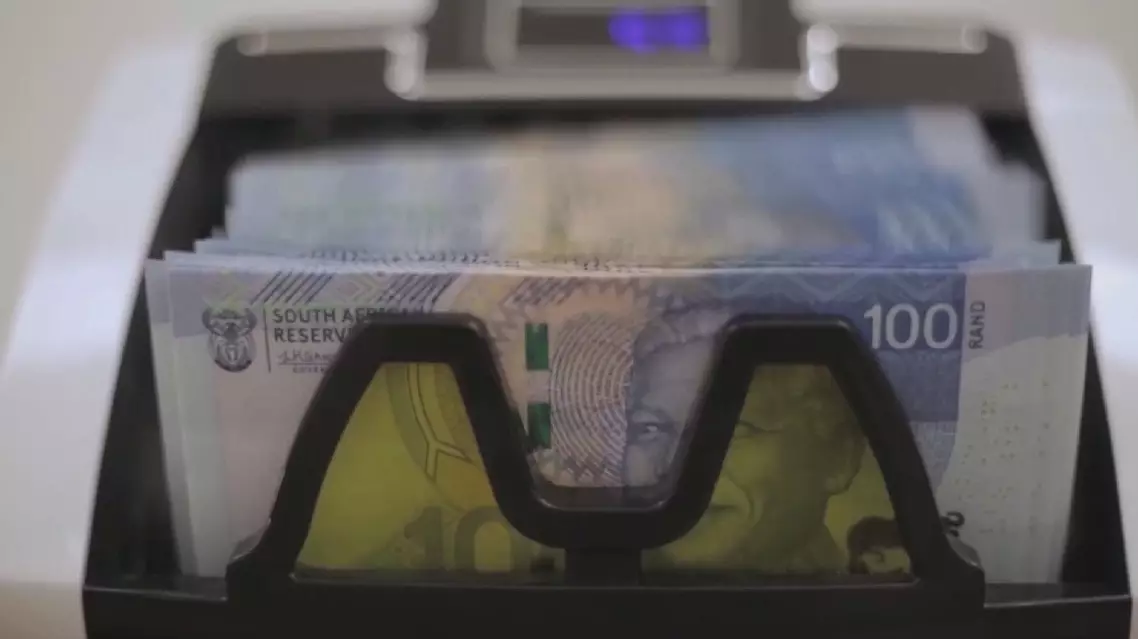
Soaring global oil prices and sticky inflation have derailed expectations for monetary easing, forcing the South African Reserve Bank (SARB) to keep its benchmark repo rate unchanged at seven percent, according to a local economist.
The central bank's Monetary Policy Committee voted 4-2 to on Thursday to maintain the repo rate unchanged and keep the prime lending rate at 10.5 percent, with two members supporting a 25-basis-point increase. This decision shattered hopes for a rate cut.
Azar Jammine, director and chief economist of Econometrix -- a South African independent economic research consultancy -- said escalating Middle East tensions have driven up international crude prices, fueling a sharp rise in domestic prices that forced the central bank to make such a decision.
"There has been a hope in the past year that interest rates, together with inflation, would carry on falling and that would provide a lot of scope for increased income, disposable income, and increased spending. However, the rise in international oil prices has put an end to such hopes. The main factor that is preventing the Reserve Bank from cutting interest rates is that inflation has picked up sharply in the last few months, due to the rise in international oil prices and the associated sharp increase in domestic fuel prices," Jammine said.
With South Africa's annual consumer inflation climbing to five percent in June, the highest inflation since June 2024 and well above the central bank's preferred three percent target, Jammine said that policymakers have no room to ease monetary policy.
"Given that it's got an inflation target of three percent and the official inflation rate for June came in at five percent, there is no way that the Reserve Bank can afford to cut interest rates at present," the economist said.
South Africa holds interest rates unchanged due to rising oil prices, inflation: economist
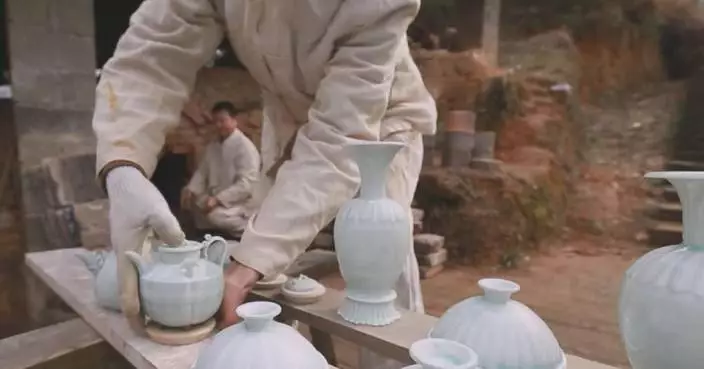
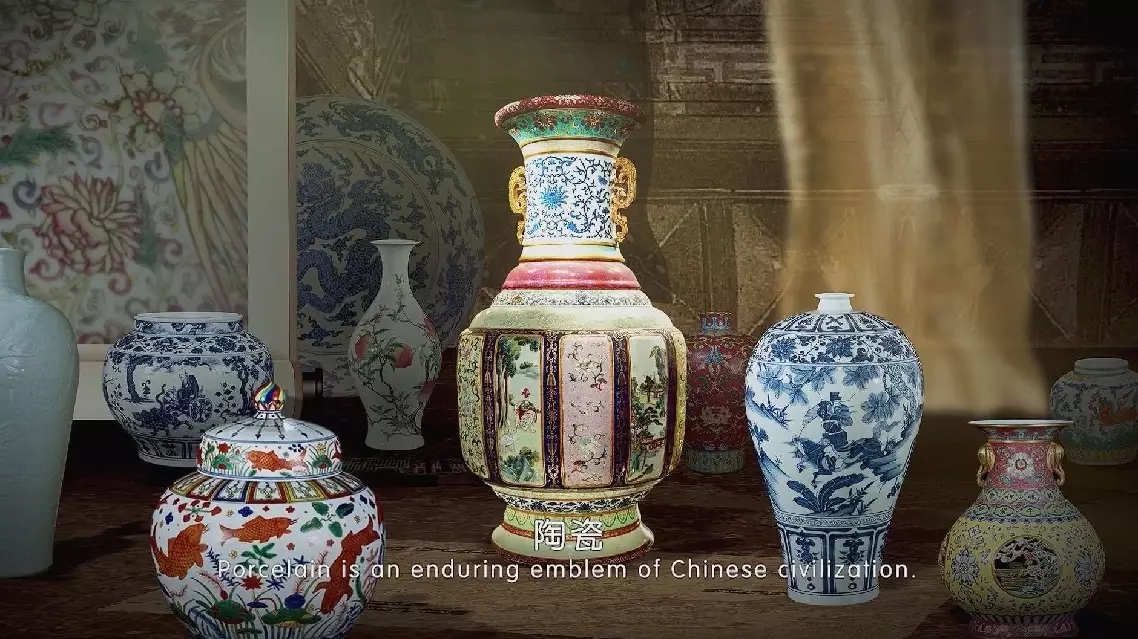
China has released a promotional video introducing its Jingdezhen Handicraft Porcelain Industry Sites, which secured inscription on the United Nations Educational, Scientific and Cultural Organization (UNESCO) World Heritage List on Saturday.
The video gave a brief introduction to the serial heritage nomination of the Jingdezhen Handicraft Porcelain Industry Sites, which UNESCO added to the World Heritage List at the 48th session of the World Heritage Committee held in Busan, South Korea.
The inscription marks China's first complete handicraft porcelain production system to earn global cultural heritage recognition and brings the country's total number of World Heritage sites to 61.
Located in east China's Jiangxi Province, the Jingdezhen Handicraft Porcelain Industry Sites is a serial property of five component parts covering a total heritage zone of 1,979 hectares. The five component parts reflect the processes of the production of porcelain, including the extraction and transportation of raw materials, innovations in kiln design, and the spatial and social organization of production on an immense scale, according to both the video and UNESCO.
Together, these five heritage sites portray the evolution of the production of handicraft porcelain in China from the 10th to 19th centuries, which has had profound industrial, artistic and trading influences both in the country and globally.
Also importantly, they reflect the fusion of porcelain-making techniques, culture and art from China and other parts of the world. As one of the earliest globalized commodities, ceramics have built a bridge for mutual learning between Eastern and Western civilizations, the promo video showed.
Jingdezhen was also a center of technological innovation in porcelain production, including the "binary formula" of mixing kaolin and porcelain stone. Porcelain of the highest quality was produced at Jingdezhen, and its blue-and-white porcelain and designs became a prized global commodity and a symbol of Chinese culture and artistry, according to both the video and UNESCO.
Today, Taoxichuan, a vibrant creative art district and cultural hub in Jingdezhen, continues to gather young artists from around the world, a testament to Jingdezhen's growing appeal as the "porcelain capital" of the world.
China releases promo video of ancient handicraft porcelain industry sites