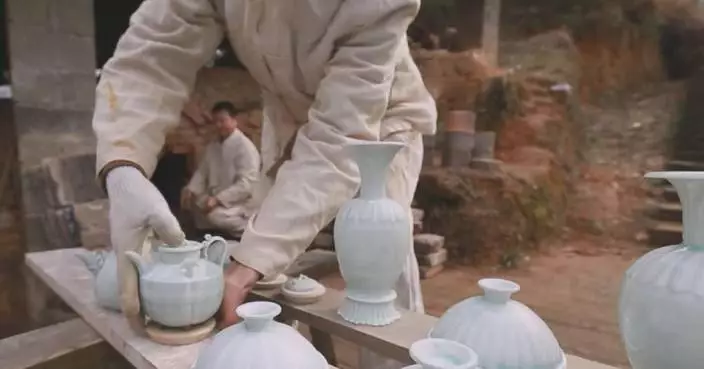
The APEC Digital Week kicked off a series of events in Chengdu City, southwest China's Sichuan Province on Saturday, spotlighting the role of data in promoting economic growth among Asia-Pacific economies.
Under the theme of "Data for Growth," the series of events have brought together government officials, world-leading enterprises, international organizations, and research institutions for high-level roundtables and workshops on data cooperation, AI, and industrial development.
"Data-driven growth is comprehensive. It's reflected in multiple fields such as scientific and technological innovation, AI advancement, industrial upgrading, emerging business models, and digital trade growth. Achieving this requires greater exchange, mutual learning, and joint exploration among all economies," said Liu Liehong, director of the National Data Administration.
The APEC Digital Week data events will continue through July 29, including special visits and scenario-based exhibitions highlighting the latest achievements in building a digital China.
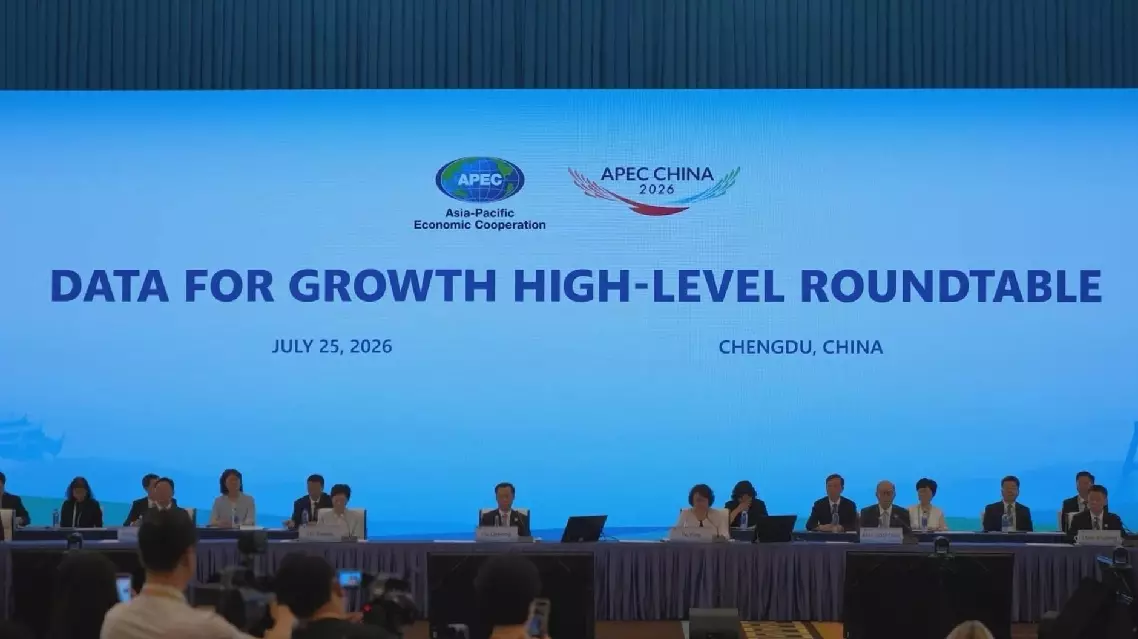
APEC Digital Week focuses on data-driven growth
China has released a promotional video introducing its Jingdezhen Handicraft Porcelain Industry Sites, which secured inscription on the United Nations Educational, Scientific and Cultural Organization (UNESCO) World Heritage List on Saturday.
The video gave a brief introduction to the serial heritage nomination of the Jingdezhen Handicraft Porcelain Industry Sites, which UNESCO added to the World Heritage List at the 48th session of the World Heritage Committee held in Busan, South Korea.
The inscription marks China's first complete handicraft porcelain production system to earn global cultural heritage recognition and brings the country's total number of World Heritage sites to 61.
Located in east China's Jiangxi Province, the Jingdezhen Handicraft Porcelain Industry Sites is a serial property of five component parts covering a total heritage zone of 1,979 hectares. The five component parts reflect the processes of the production of porcelain, including the extraction and transportation of raw materials, innovations in kiln design, and the spatial and social organization of production on an immense scale, according to both the video and UNESCO.
Together, these five heritage sites portray the evolution of the production of handicraft porcelain in China from the 10th to 19th centuries, which has had profound industrial, artistic and trading influences both in the country and globally.
Also importantly, they reflect the fusion of porcelain-making techniques, culture and art from China and other parts of the world. As one of the earliest globalized commodities, ceramics have built a bridge for mutual learning between Eastern and Western civilizations, the promo video showed.
Jingdezhen was also a center of technological innovation in porcelain production, including the "binary formula" of mixing kaolin and porcelain stone. Porcelain of the highest quality was produced at Jingdezhen, and its blue-and-white porcelain and designs became a prized global commodity and a symbol of Chinese culture and artistry, according to both the video and UNESCO.
Today, Taoxichuan, a vibrant creative art district and cultural hub in Jingdezhen, continues to gather young artists from around the world, a testament to Jingdezhen's growing appeal as the "porcelain capital" of the world.
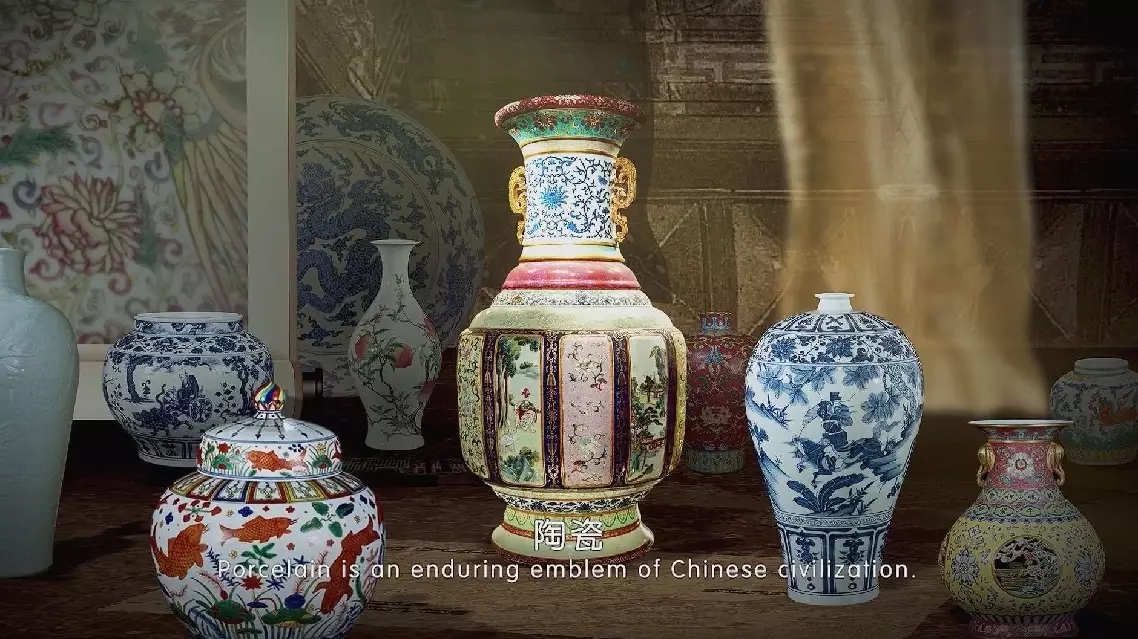
China releases promo video of ancient handicraft porcelain industry sites