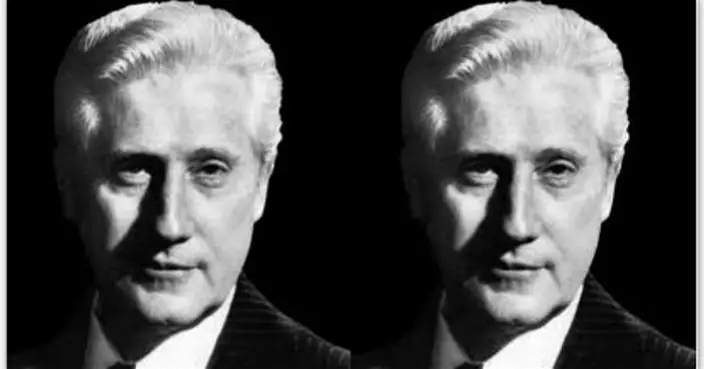

A 24-year-old "dark history" clip of Prime Minister Takaichi has resurfaced on Japanese social media. In it, she comments on Japan's war against China, and the footage has quickly drawn renewed attention.
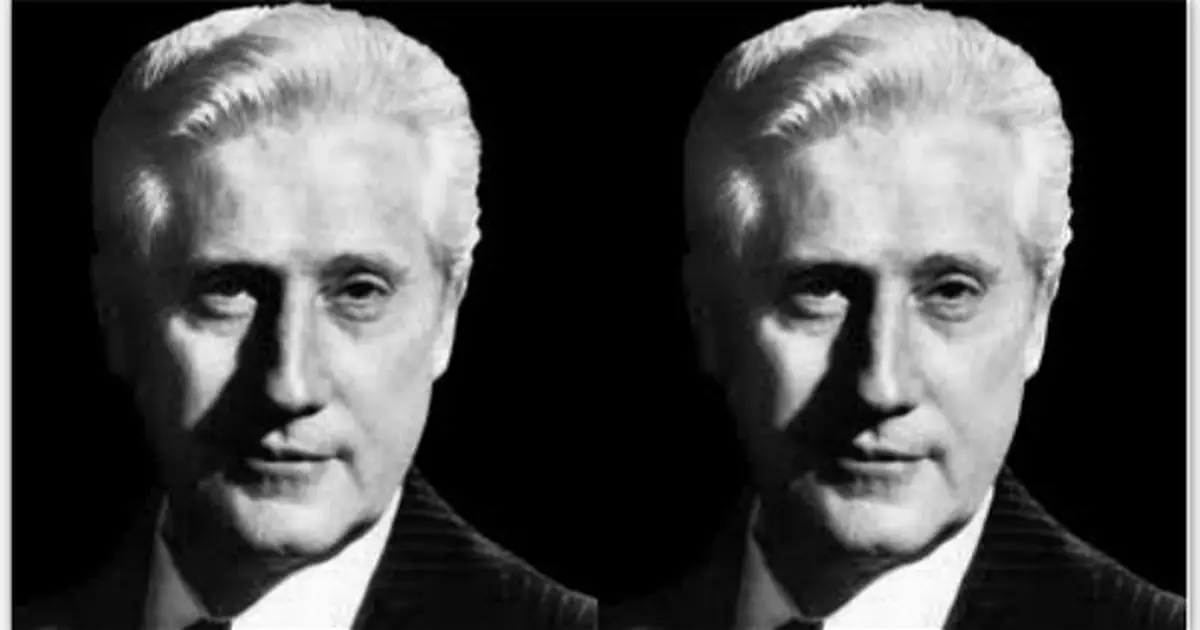
Renowned political commentator and TV host Soichiro Tahara interviewed Takaichi on a 2002 news program. He pressed her on her support for right-wing politicians visiting Yasukuni Shrine.
Click to Gallery

Resurfaced 2002 clip shows host branding Takaichi ignorant over China war denial.

On air, Takaichi said Japan's invasion of China was self-preservation and self-defense.

Takaichi claimed colonizing others was then normal, so Japan did not commit act of aggression.

Tahara told Takaichi a lawmaker with such ignorant history views was deeply troubling.
When asked whether Japan's invasion of China was a war of self-preservation and self-defense, Takaichi said she believed it was. Tahara immediately denounced her on air as ignorant and naive.
Resurfaced 2002 clip shows host branding Takaichi ignorant over China war denial.
The On-Air Clash
According to Japanese media, the clip originated from "Sunday Project," an Asahi TV program broadcast on August 18, 2002. Tahara hosted the segment. He questioned guests about right-wing politicians visiting Yasukuni Shrine, which enshrines 14 Class-A war criminals from World War II.
Takaichi supported such visits at the time. So Tahara asked how she viewed Japan's invasion of China. He asked whether she considered Japan's war to have been a war of self-preservation and self-defense. Takaichi said she believed it was. Her response immediately drew Tahara's resentment.
On air, Takaichi said Japan's invasion of China was self-preservation and self-defense.
Tahara raised his voice in response. This was no joke. The Manchurian Incident, he said, was instigated by the Japanese military, specifically the Kwantung Army. They fabricated the whole thing. That was clearly a war of aggression.
As Takaichi tried to respond, Tahara pressed on. He noted that even former Prime Minister Yasuhiro Nakasone had called the Manchurian Incident strange. Then he asked why Japan would invade Manchuria in the name of self-defense and establish a puppet state there.
Takaichi insisted that colonizing other countries was a widely accepted international norm at the time. Other nations were doing the same, she argued, so Japan's actions should not be considered aggression.
Takaichi claimed colonizing others was then normal, so Japan did not commit act of aggression.
Tahara rebutted her directly with historical evidence. He said the fact that she called this act of aggression self-preservation and self-defense only showed her ignorance. It was truly alarming, he added, that a member of parliament held such an ignorant view of history.
Tahara told Takaichi a lawmaker with such ignorant history views was deeply troubling.
Still, Takaichi pushed back. At the very least, she said, she believed it was a war fought for security. Tahara shot back sharply. That naïve view, he said, was simply laughable.
Neither the host nor the media could have imagined it at the time. A politician who distorted history and denied Japan's wartime crimes would, more than two decades later, become the country's prime minister.
The clip has reignited public debate, and Tahara responded to it directly. On July 26, he updated his account on X and expressed his wish to have a dialogue with Takaichi.
Right-Wing Echoes, Real-World Risk
According to Global Times' new media outlet, this 2002 video resurfaces every few years, sparking fresh rounds of controversy. What stands out this time, the report says, is how voices defending Takaichi's historical distortions are spreading.
Right-wing forces on the fringes of Japanese society are amplifying these voices through the internet and social media, wrongly influencing a growing number of Japanese people.
Online right-wing rhetoric is one problem, but the report argues something else matters more. Far more consequential is the new-style militarism Takaichi has pursued since taking office, marked by accelerated military expansion.
This is precisely why neighboring countries, including China, remain especially wary of Japan under her leadership.
Why Japan Never Faced Its Past
Citing historical analysis from authoritative mainland media, the report states that Japanese society has long been plagued by distortions of its history of aggression. Wartime crimes have been whitewashed for decades, and many far-right figures have now risen to political power. Japan, unlike Germany, never fully confronted the ideological roots of its militarism after World War II.
As the Cold War took shape, the United States substantially revised its Japan policy out of bloc-confrontation considerations. It halted mid-way efforts to purge militarist forces, and many war criminals were treated leniently and allowed to return to politics.
This, the report suggests, is the key reason for the stark contrast between the two defeated powers. Germany thoroughly reckoned with Nazi crimes and reflected deeply on the war, while Japan has long evaded its history of aggression and refused to sincerely atone for it.
Deep Throat
** 博客文章文責自負,不代表本公司立場 **