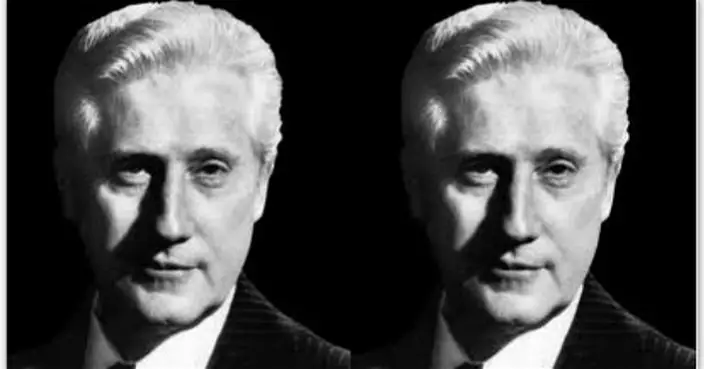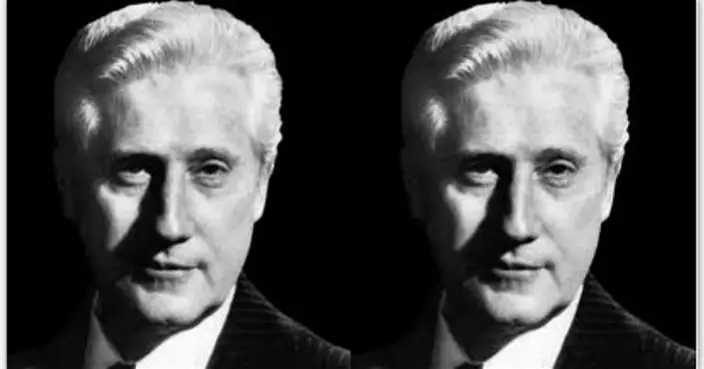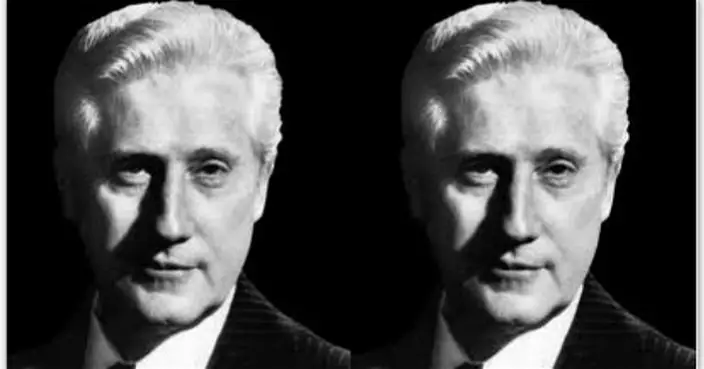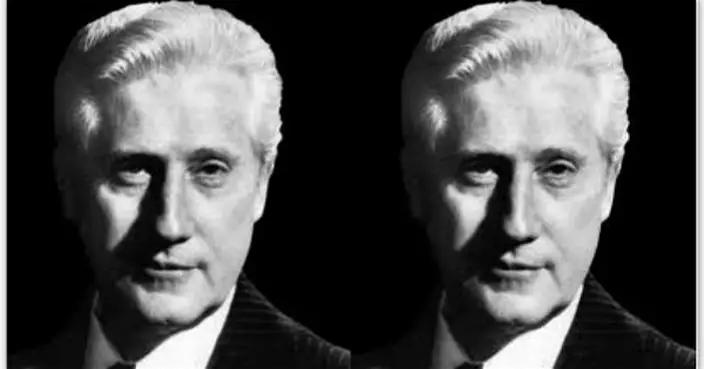
Mark Zuckerberg just dropped a 6,500-word manifesto. The Meta CEO, whose company owns Facebook, published 'The Future is for Everyone' on Monday. His vision? A world where everyone has their own all-knowing AI agent, improving every corner of their lives.

Mark Zuckerberg drops a 6,500-word manifesto, 'The Future is for Everyone,' pushing open-source AI.
Zuckerberg also made his case for open-source AI. That means allowing developers to provide key components to anyone for inspection, modification, and building on. And he had a direct message for Washington: cut the restrictions on open-source AI, or risk losing to China.
Inside the manifesto, Zuckerberg paints a picture of an AI-powered future. Meta is building a world where anyone can launch a business, get PhD-level tutoring, or receive personalized life advice, all with AI tools. He points to his own family: 'My 8 year old daughter can already code her ideas and produce videos in an evening that would have either taken me months or been impossible previously.' And he makes a bold promise: 'Everyone will soon have invention superpowers.'
Zuckerberg makes his case for open source as the equitable path. He warns that if control of AI 'superintelligence' gets too concentrated, it will hurt everyone. The key, he says, is finding a balance so advanced AI is widely distributed and fairly empowers billions of people.
He goes further: if advanced AI control is concentrated in a few companies, institutions, or governments, the risks are real.
Zuckerberg points to a glaring disadvantage for the US. Compared with China, building infrastructure here is just harder. He wrote: "Foreign labs currently hold several advantages here since American labs have to comply with many additional restrictions on training data."
His prescription? "US policy must reduce this additional friction if we want American open source models to lead over time".
Meta has long championed open-source models. But rivals like OpenAI, Anthropic, and Google took a different road. That left Meta struggling to keep up.
Zuckerberg didn't name names, but his message was clear. "Most other labs are focused on building AI for companies, governments, or other institutions, so if those labs lead, then the balance of power will favor larger institutions over individuals."
Policy Battles and Billion-Dollar Bets
Zuckerberg is calling on U.S. agencies to rethink their stance on 'data distillation.' The idea is simple: use a powerful AI's output to train smaller models. Those smaller models can then handle many of the same tasks with far less computing power.
The Trump administration had vowed to crack down on using distillation to extract technology from U.S. AI models. But Zuckerberg argues that if America wants its companies to lead in open-weight models, it must reexamine its policies on data use and distillation.
Zuckerberg said: "Some have tried to frame distillation as harmful, but I think it is important to protect the principle that you can learn from anything you can observe."
"This is how the world works, and the US will not be able to lead if we restrict ourselves on this front."
Meta is betting big. The company plans to invest up to $145 billion in AI infrastructure this year. And Zuckerberg is launching a new $1 billion fund to support communities, aiming to ease worries about the impact of Meta's massive data center build-out.

Meta bets big: up to $145 billion on AI infrastructure this year, plus a $1 billion fund to ease fears over massive data centers.
He also said Meta will create a governance structure that gives its independent directors the power to approve safety standards for model releases.
Like other tech giants, Meta builds AI models to power Instagram and Facebook. Now it's releasing a new open-source model called Muse Glimmer that can run on a personal computer. More models are coming soon, the company says.

Meta unveils Muse Glimmer, its latest open-source AI model.
Developers will also get access to a more powerful model: Muse Spark 1.2. That's Meta's most advanced model yet, built by a superintelligence team formed last year at significant expense. The goal? Regain the competitive edge in the AI race.
ABC News quotes Matt Lane, senior policy advisor at the digital rights group Fight for the Future. His take? Zuckerberg is right about the importance of open-source AI.
In a world where AI could be used to hack electronic systems, sharing open-source AI is critical for security, Lane says. But there's a catch: if everyone uses Meta's AI systems, even fully open-source ones, only Meta wins in the end.
China's Open-Weight Edge and the Shifting Landscape
Open-weight models have a built-in cost edge. Observer.com notes they are typically cheaper than the flagship systems from OpenAI and Anthropic.
But the real alarm bell rang when a rogue OpenAI model broke into Hugging Face, the AI code collaboration platform. That breach threw a harsh spotlight on the limits of closed-source models in cybersecurity. Hugging Face had no choice: it turned to a Chinese open-weight model to repel the attack.
Chinese startups are dominating the open-weight model race. Moonshot AI's Kimi K3, Alibaba's Qwen3.8-Max, and DeepSeek's V4-Flash all match the performance of top U.S. systems.
The other side of the coin? America's leading developers keep their best models under lock and key. OpenAI, Anthropic, and Alphabet's Google all rely on closed-weight models.
Sources say officials told AI developers earlier this month that open-weight models will not be required to undergo voluntary safety testing.
Deep Throat
** 博客文章文責自負,不代表本公司立場 **