The Putaogou (Grape Valley) Scenic Area in Turpan, Xinjiang Uygur Autonomous Region, northwest China, has transformed its renowned grape production into a diverse tourism resource through projects such as grape picking, study tours, and folk culture interaction.
It is currently grape harvest season in Turpan. Visitors can not only pick and dry grapes, but also experience and appreciate the unique charm of the local folk culture and intangible cultural heritage.
"I find this vineyard very novel because I never had such an experience before, and I think it was a lot of fun," said Fang Jingyi, a tourist from east China's Anhui Province.
With the growing number of tourists, local businesses, including snack sales, restaurants, and homestay services, are becoming increasingly diverse. Many local residents have set up stalls to sell fresh fruits, dried fruits, juices, and other specialty products, finding work and increasing income right at their doorsteps.
"We sell locally grown grapes and raisins, most of which are dried by ourselves. These sell very well," said Yimuran Wusman, a local resident.
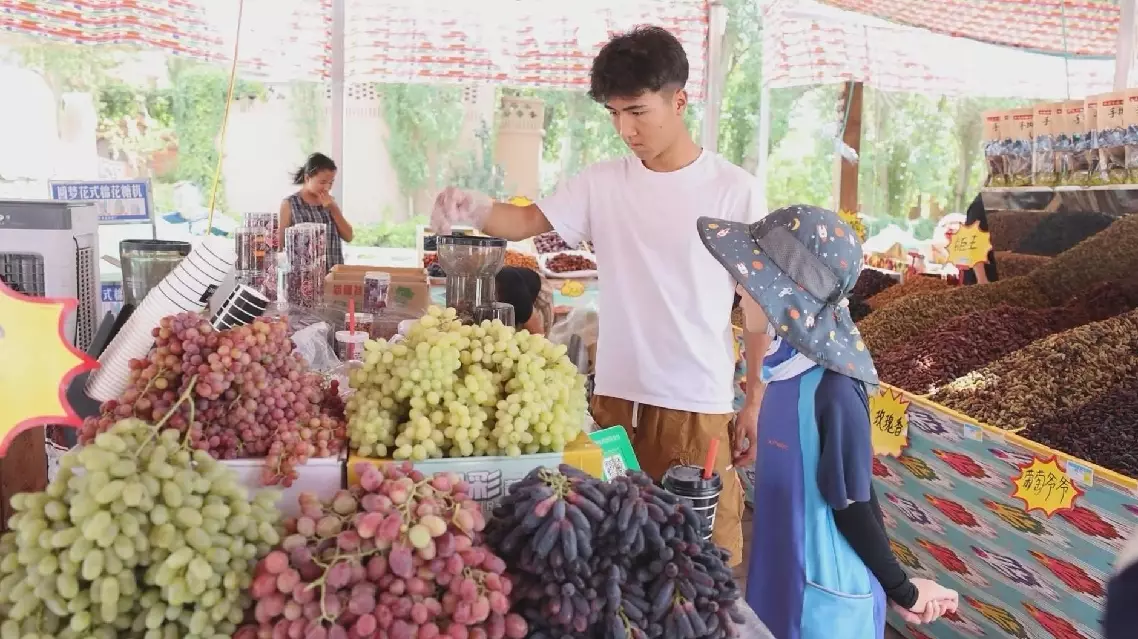
Xinjiang’s Turpan leverages its renowned grape industry to boost tourism
Israel is scheduled to hold parliamentary elections on Tuesday, its first national vote since the Oct. 7, 2023 outbreak of the Palestine-Israel conflict, amid deep divisions among voters over national security and the country's political direction.
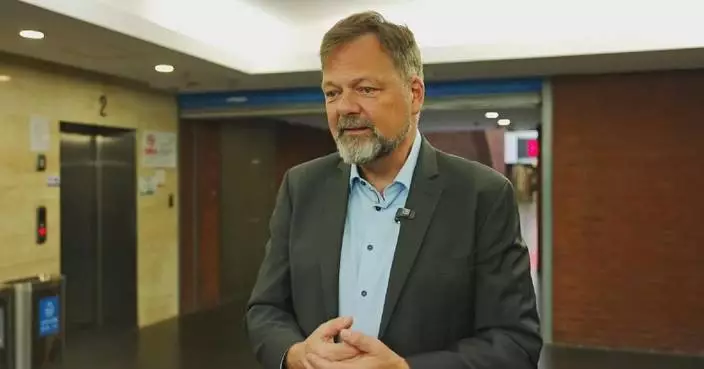
Ahead of polling day, voters interviewed by China Global Television Network (CGTN) in Jerusalem identified security concerns and whether to continue supporting Prime Minister Benjamin Netanyahu as key issues shaping their electoral choices.
"The most topic issue for me is the security of the country and what we deal with, and second also the unification of our country, of our people. So, for the unification of the country, I will say that I would support the others, not Netanyahu. But for the safety of the country, I think Netanyahu is the best manager of the situation right now, so I would vote for him probably," said Benny, a Jerusalem resident.
Still, prolonged geopolitical tensions and ongoing fighting have shaken many voters' confidence in the incumbent government's ability to ensure national security.
"I think that this has been an absolute failure; someone who put himself as Mr. Security, I think we're in a worse position than we were. The stalemate that we have with Iran, we haven't accomplished our goals. Politically, we're in a worse situation than we were before. And again, with Hezbollah, despite the military successes, we're still stuck there again. And so all this is a stalemate, he hasn't been able to prove himself, he's not able to move forward," said Evan, another resident.
Meanwhile, some moderate voters are calling for greater unity among different social and ethnic groups within the country, arguing that this is a more pressing priority than security concerns.
"I am most concerned about social issues, there seems to be a big divide in Israel between left and right. I think we need more unity," said Jerusalem resident Raphael.
For peace advocates, ending the Palestine-Israel conflict and the occupation, and promoting coexistence among different communities, remain top priorities. Many ordinary citizens say they are tired of political polarization and prolonged conflict, and are calling for meaningful change.
"Security means peace and it means that taking care of what we did in Gaza and to let people, Jews, Arabs, all nations to live here in peace. Settlers are able to do whatever they do because on their side there are the army and the police, and I hope that there would be someone else on top that really wants to solve it. We didn't achieve anything; we didn't achieve it. It all went the wrong way," said Jerusalem resident Tamara.
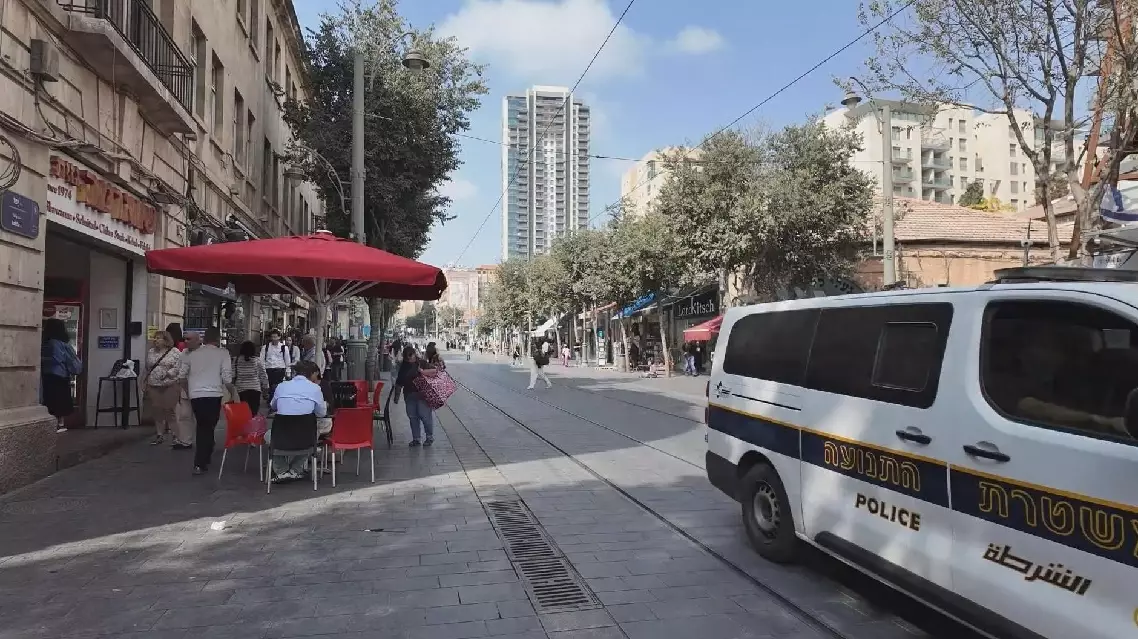
Israeli voters divided ahead of national elections